← News
Topic · Place

Baghdad

23 articles · 1+ stories

See also
📰

Latest Baghdad articles

US pressure mounts on Iran as flights disrupted and Hormuz tensions persist

US pressure mounts on Iran as flights disrupted and Hormuz tensions persist

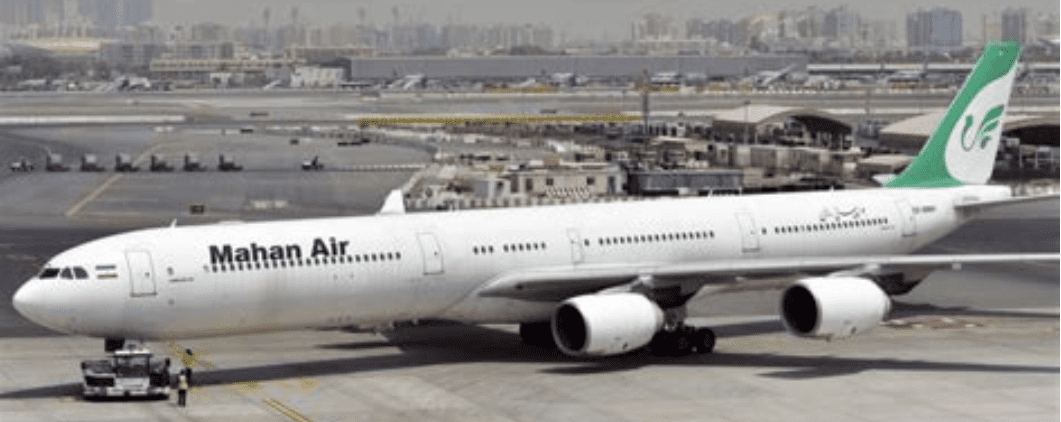
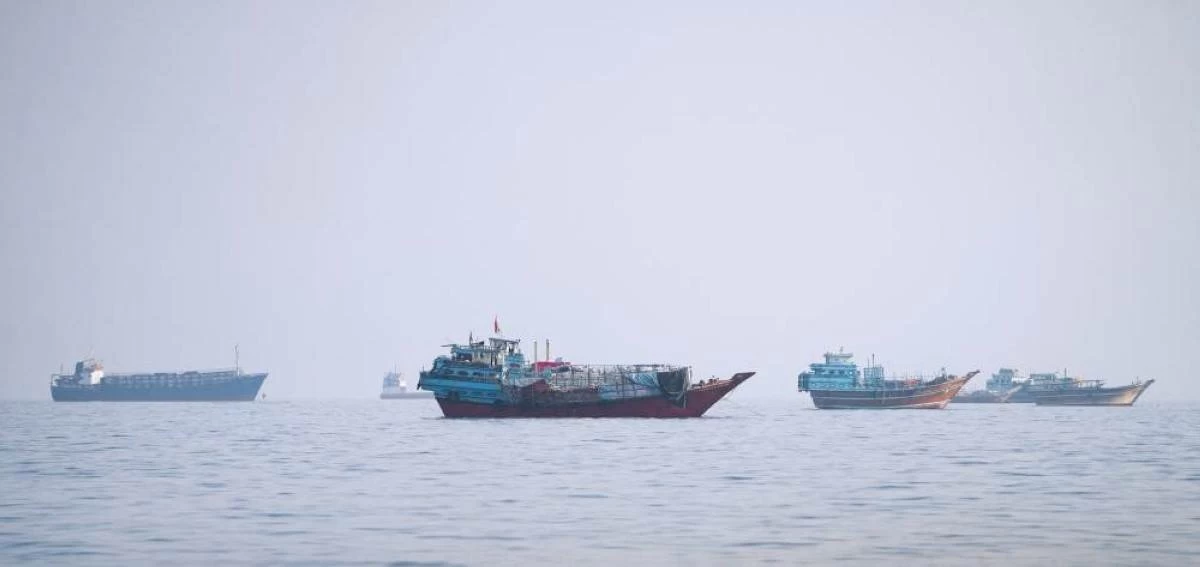
Dubai: Economic and diplomatic pressure on Iran intensified yesterday as the United States moved to tighten restrictions on the country's aviation sector, while indirect contacts between Washington and Tehran, mediated by Qatar, opened a fresh diplomatic channel on the sidelines of the United Nations General Assembly in New York. The latest US measures came after Treasury Secretary Scott Bessent warned that entities supplying fuel to Iranian airlines, providing airport services, or selling tickets for sanctioned carriers risked being cut off from the US dollar system. The move follows sweeping US sanctions announced on September 8 targeting 27 Iranian airlines, as well as companies and intermediaries linked to the aviation sector. Air travel disruptions The impact of the restrictions has begun to affect air traffic operations. Iranian authorities said airports in Baghdad and Muscat were no longer receiving Iranian flights, while Azerbaijan suspended flights operated by Iranian airlines. Georgia had already banned flights to and from Iran. Sources in Iran's travel sector reported that flights to Qatar, Azerbaijan and Georgia had been suspended, although some international routes remain operational. Canada imposes new sanctions In a parallel move, Canada announced sanctions against five Iranian government and security officials and five state-linked entities, accusing them of contributing to the suppression of dissent and restrictions on fundamental freedoms. Amid growing pressure, channels of communication between Tehran and Washington were activated during the UN General Assembly meetings in New York. Iran's Foreign Ministry said contacts with the United States took place through a Qatari mediator, while US envoy Steve Witkoff said mediators had shuttled between the two sides throughout the day and completed an extensive round of discussions. US Secretary of State Marco Rubio said reaching an agreement with Iran would be a lengthy and difficult process, describing current discussions as primarily an exchange of ideas and messages. Rubio said the final decisions in Iran were made by individuals deeply committed to the country's revolutionary system, making negotiations challenging. He added that President Donald Trump retained military options and stressed that Iran would not be allowed to acquire nuclear weapons. "We will continue to defend the straits and ensure they remain open," Rubio said. According to Reuters, an Iranian official said Tehran was studying the US response to its proposal for ending hostilities, adding that Iran's priorities include a permanent end to hostilities and the lifting of the US naval blockade. The official said significant differences remained between the two sides but diplomacy was continuing, with discussions including the reopening of the Strait of Hormuz and the lifting of restrictions on maritime activity. Hormuz remains a key pressure point The Strait of Hormuz continues to be one of the most sensitive flashpoints in the crisis. Preliminary shipping data showed that only three vessels carrying raw materials crossed the strait on Tuesday, compared with a 10-day moving average of around 15 vessels, highlighting the continuing disruption to maritime traffic. The UK Maritime Trade Operations (UKMTO) centre also reported that two people were injured and a ship's crew evacuated after a vessel was struck by an unidentified projectile in the strait. Energy market concerns French President Emmanuel Macron said France was prepared to participate in an international operation of a "purely defensive" nature aimed at protecting maritime navigation. Macron stressed the importance of reopening the Strait of Hormuz and said achieving an agreement was necessary to ease pressure on global oil, gas and aviation fuel markets, which continue to face uncertainty amid disruptions to one of the world's most important energy transit routes.

Sep 24, 2026 · byMobile Business
Kurdistan Region of Iraq announces Peshmerga unification

Kurdistan Region of Iraq announces Peshmerga unification

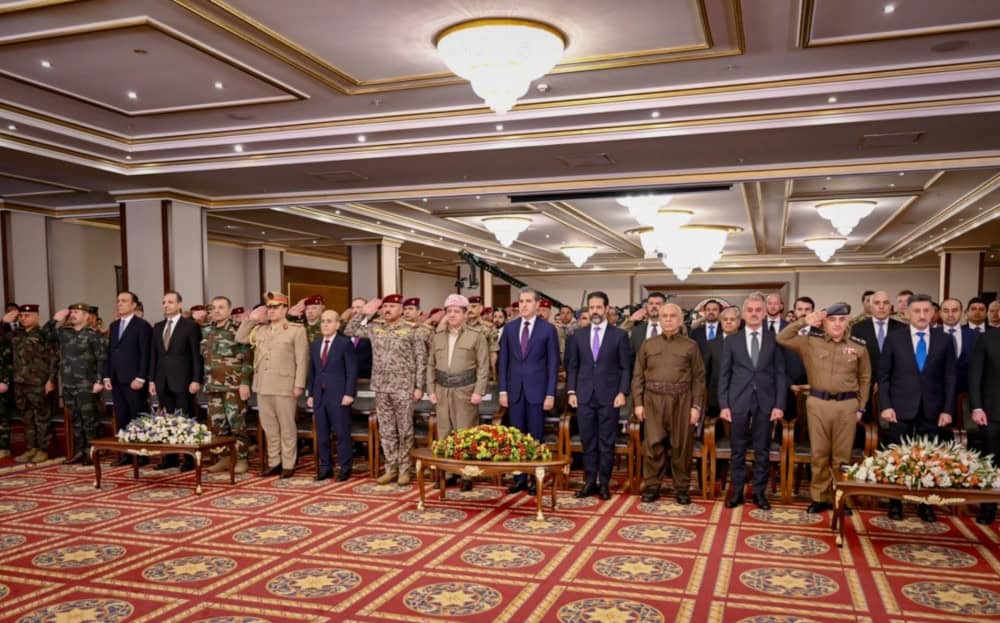
The Kurdistan Regional Government announced the completion of a years-long process to unify the Peshmerga armed forces under the Ministry of Peshmerga Affairs, ending longstanding divisions between units linked to the Kurdistan Democratic Party (KDP) and the Patriotic Union of Kurdistan (PUK). The move comes amid the departure of US forces, pressure to disarm Iran-backed militias, and efforts to strengthen cooperation between the Kurdistan Region and Baghdad. The post Kurdistan Region of Iraq announces Peshmerga unification appeared first on FDD's Long War Journal .

Sep 23, 2026 · byLong War Journal
Iran’s Airlines Now Welcomed At Fewer Airports

Iran’s Airlines Now Welcomed At Fewer Airports

Baghdad and Muscat will stop accepting flights from Iran at midnight local time today. Iranian authorities are scrambling to redirect Baghdad-bound traffic to Najaf instead, and negotiating with Oman over alternatives. It’s a visible consequence of a new US sanctions…

Sep 23, 2026 · byAir Insight
The U.S. Has More Leverage in Iraq Than It Thinks

The U.S. Has More Leverage in Iraq Than It Thinks

If U.S. forces leave Iraq by 30 September 2026, Washington should view the departure not as the end of its relationship with Baghdad but as an opportunity to redefine it. The U.S. will retain influence in Iraq, but it will have to exercise that influence differently. America’s challenge will be transitioning from control to influence. For two decades, the military presence gave Washington an extraordinary degree of leverage over Iraq. Once U.S. troops leave, leverage will diminish, but the U.S. will retain important instruments of power:…

Sep 22, 2026 · byOilPrice.com
Yazidi armed group YBS to disarm, integrate into Iraqi security forces

Yazidi armed group YBS to disarm, integrate into Iraqi security forces

The Sinjar Resistance Units (YBS), a Yazidi armed group with links to the Kurdistan Workers’ Party (PKK), has agreed to disarm and integrate eligible members into Iraq’s security forces as Baghdad seeks to stabilize Sinjar and facilitate the return of displaced Yazidis. The agreement comes amid broader efforts to disarm Iranian-backed militias in Iraq and parallels integration processes involving the Syrian Democratic Forces in Syria. The post Yazidi armed group YBS to disarm, integrate into Iraqi security forces appeared first on FDD's Long War Journal .

Sep 18, 2026 · byLong War Journal
Iraq continues investigating attack on Saudi Arabia from Iraqi territory

Iraq continues investigating attack on Saudi Arabia from Iraqi territory

Iraq is investigating September 11 drone strikes on Saudi Arabia’s East-West Crude Oil Pipeline after confirming the attack originated from its territory. The incident comes as Baghdad faces pressure over militia activity and continued Iranian strikes on Kurdish Iranian opposition groups based in northern Iraq. The post Iraq continues investigating attack on Saudi Arabia from Iraqi territory appeared first on FDD's Long War Journal .

Sep 16, 2026 · byLong War Journal
First Thing: Oil prices surge as attacks on Saudi Arabia stoke supply fears

First Thing: Oil prices surge as attacks on Saudi Arabia stoke supply fears

Strike on kingdom’s east-west pipeline could affect 4% of global oil supply. Plus, report reveals British monarchy’s role in financing slave trade Good morning. Oil prices have climbed above $108 a barrel after a series of drone attacks from Iraq’s territory forced Saudi Arabia to close its east-west crude pipeline. Saudi traders said the kingdom would run out of oil stocks for export if it did not reopen within days. Gas prices also climbed higher. Energy prices have surged this year, as the US-Israel war with Iran has disrupted oil and gas supply across the Middle East. The spike came as the Iran-aligned Houthi forces in Yemen launched several attacks against Saudi Arabia and captured the strategic island of Perim in the Bab al-Mandab strait on Sunday, expanding their control of the waterway. Where did the attack on Saudi Arabia come from? Iraq’s government confirmed the attacks were launched from its territory and ordered an investigation. Baghdad is under mounting pressure to stop militant groups – including those backed by Saudi Arabia’s regional rival Iran – launching attacks on Gulf countries from Iraqi soil. The US president, Donald Trump, said he believed Tehran was responsible. Why has Saudi Arabia been relying on its east-west pipeline? Riyadh has increased the use of the 745-mile pipeline since the start of the war on Iran in order to bypass the strait of Hormuz’s closure. The world’s biggest exporter has used the pipeline to reroute about 4m barrels a day – about 4% of global supply – but with the ‌pipeline out of service, the Red Sea port of Yanbu now has stocks to maintain exports for just five to seven days. What is the Anthropic CEO proposing? Robert Booth explains Amodei’s suggestion: first, each US AI company grants access to third-party evaluators; second, all companies in democratic countries establish common safety standards; and third, the world’s democratic AI powers coordinate with autocracies – notably China – to control the race. How has Barack Obama intervened over AI? The former US president made a direct appeal to Democrats to coalesce around a unified AI safety policy, arguing that waiting for voluntary compliance from tech firms was a recipe for governance failure. Continue reading...

Sep 14, 2026 · byThe Guardian
Iranian-backed militia in Iraq sets ‘conditions’ for disarmament

Iranian-backed militia in Iraq sets ‘conditions’ for disarmament

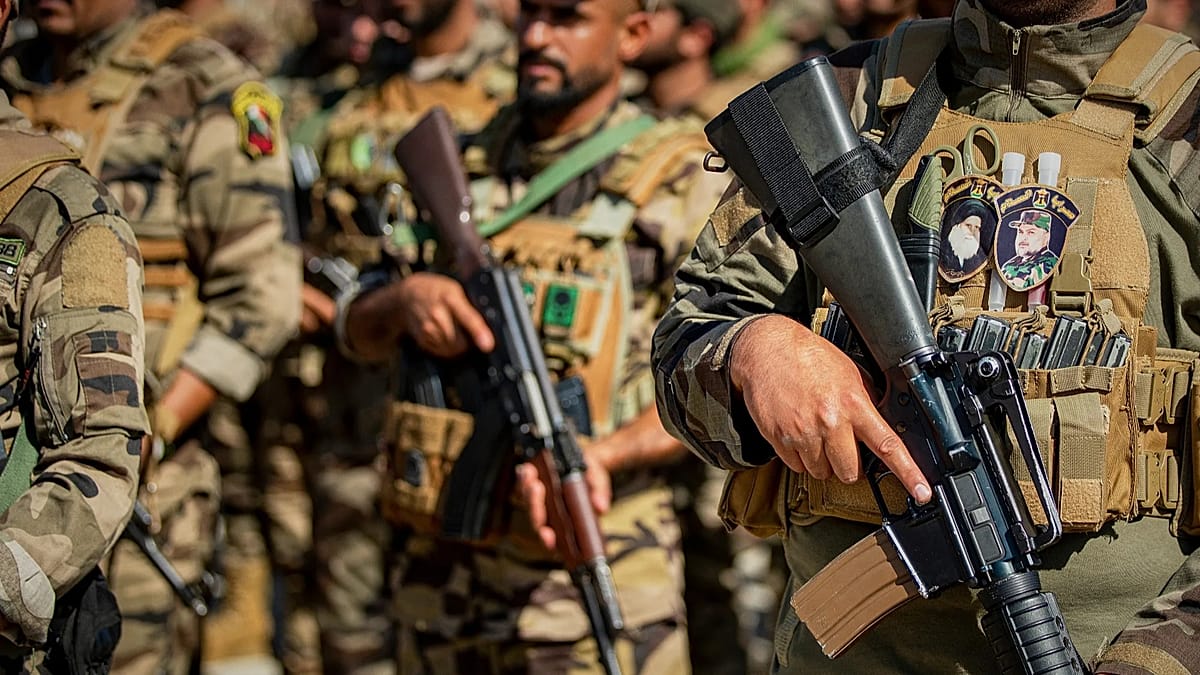
Iraq’s efforts to bring the weapons of Iranian-backed militias under state control are facing a new challenge as one of the country's groups, Kataib Sayyid al Shuhada, has laid out conditions for disarmament. The debate comes amid continued US pressure on Baghdad to disarm the groups, a looming coalition withdrawal deadline, and renewed efforts by the Iraqi government to assert its authority over armed factions. The post Iranian-backed militia in Iraq sets ‘conditions’ for disarmament appeared first on FDD's Long War Journal .

Sep 1, 2026 · byLong War Journal
Iranian-backed Iraqi militias may seek to delay disarmament

Iranian-backed Iraqi militias may seek to delay disarmament

Iraq's efforts to disarm the country’s Iranian-backed militias appear to be facing growing political resistance as some factions seek to delay or avoid a September deadline. The debate comes as Washington continues pressing Baghdad to bring all weapons under state control. The post Iranian-backed Iraqi militias may seek to delay disarmament appeared first on FDD's Long War Journal .

Aug 28, 2026 · byLong War Journal
Countries condemn Iranian attack on Kurdistan Region prime minister’s office

Countries condemn Iranian attack on Kurdistan Region prime minister’s office

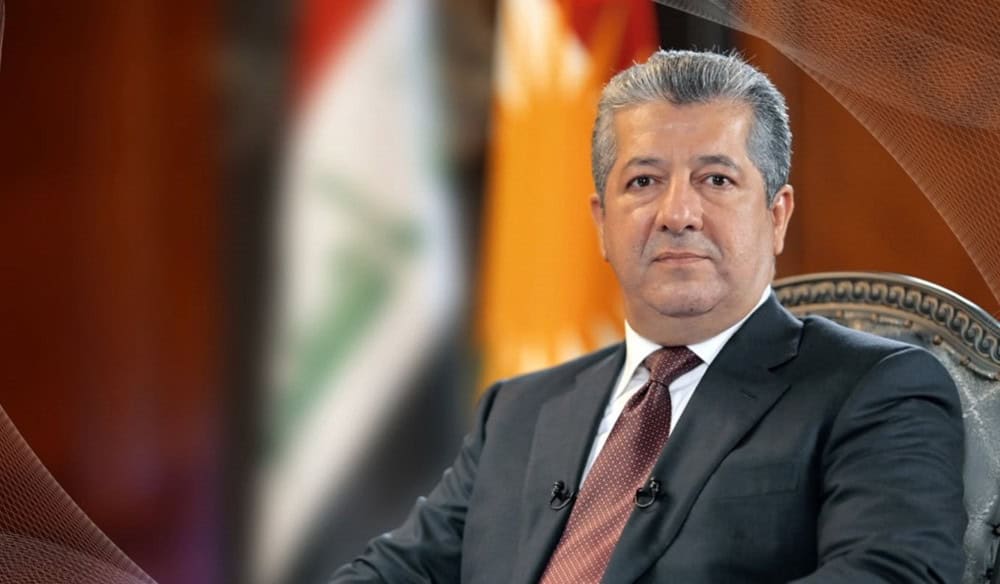
Iran's August 17 drone attack targeting the office of Kurdistan Regional Government Prime Minister Masrour Barzani drew widespread international condemnation. The strike comes as Baghdad faces increasing pressure to rein in Iranian-backed militias and assert state control over their weapons. The post Countries condemn Iranian attack on Kurdistan Region prime minister’s office appeared first on FDD's Long War Journal .

Aug 18, 2026 · byLong War Journal