Topic · Place
Baja California
11 articles
See also
📰
Latest Baja California articles

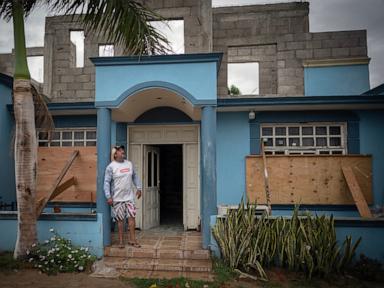
Hurricane Polo makes Baja landfall, headed for a 2nd in Mexico
Hurricane Polo made landfall in Baja California overnight and is expected to make a second landfall on the mainland of Mexico on Tuesday.
 Sep 29, 2026 · byABC News
Polo makes landfall in Mexico as a category 3 hurricane
Hurricane Polo made landfall on Mexico's Baja California peninsula on Tuesday, cutting power and causing flooding as the sea breached coastal defenses.
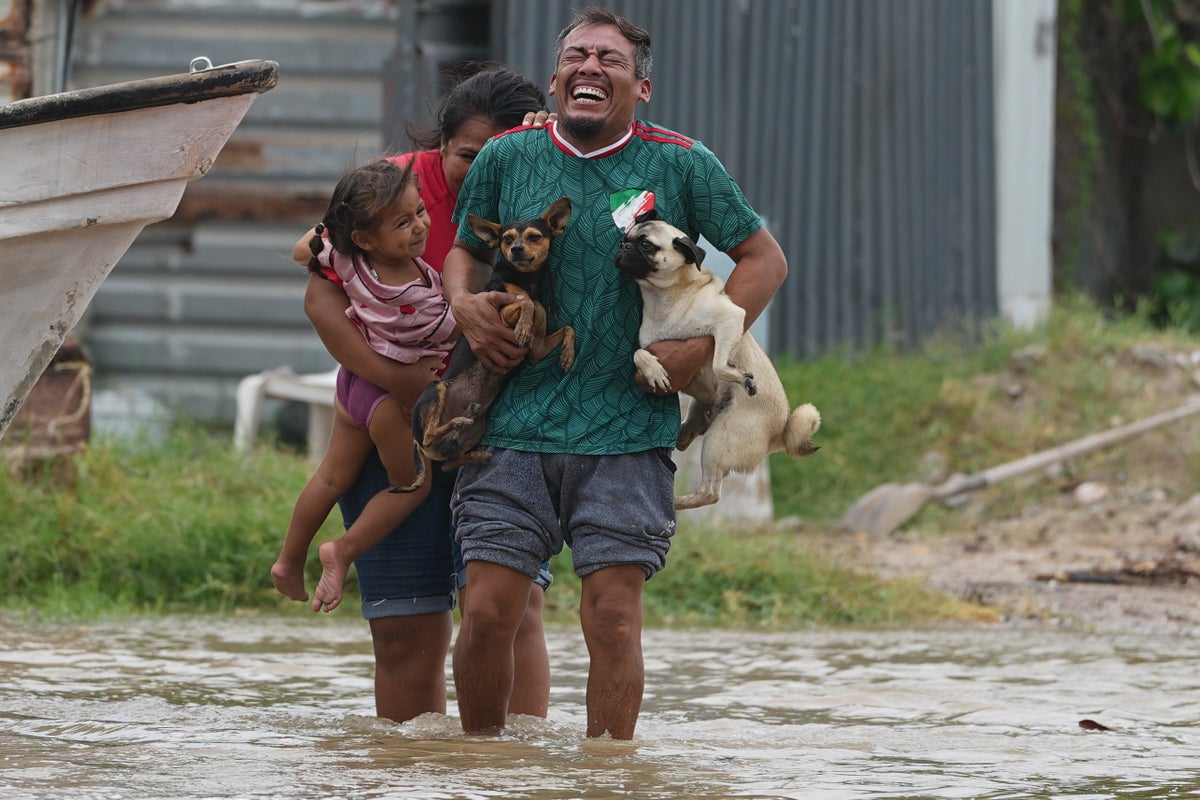
Lethal Hurricane Polo threatens to unleash deadly flash floods across US Southwest
Hurricane Polo has made landfall in Baja California with flash flooding and winds described by forecasters as a “life-threatening.”
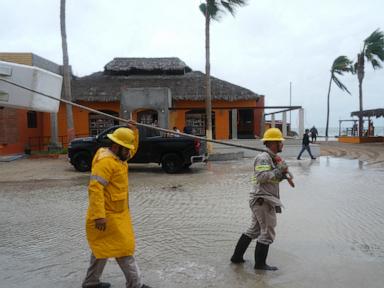
Hurricane Polo makes landfall in Baja California, 'life-threatening' winds forecast
Hurricane Polo has made landfall in Baja California with flash flooding and winds described by forecasters as a “life-threatening.”
Sep 29, 2026 · byABC News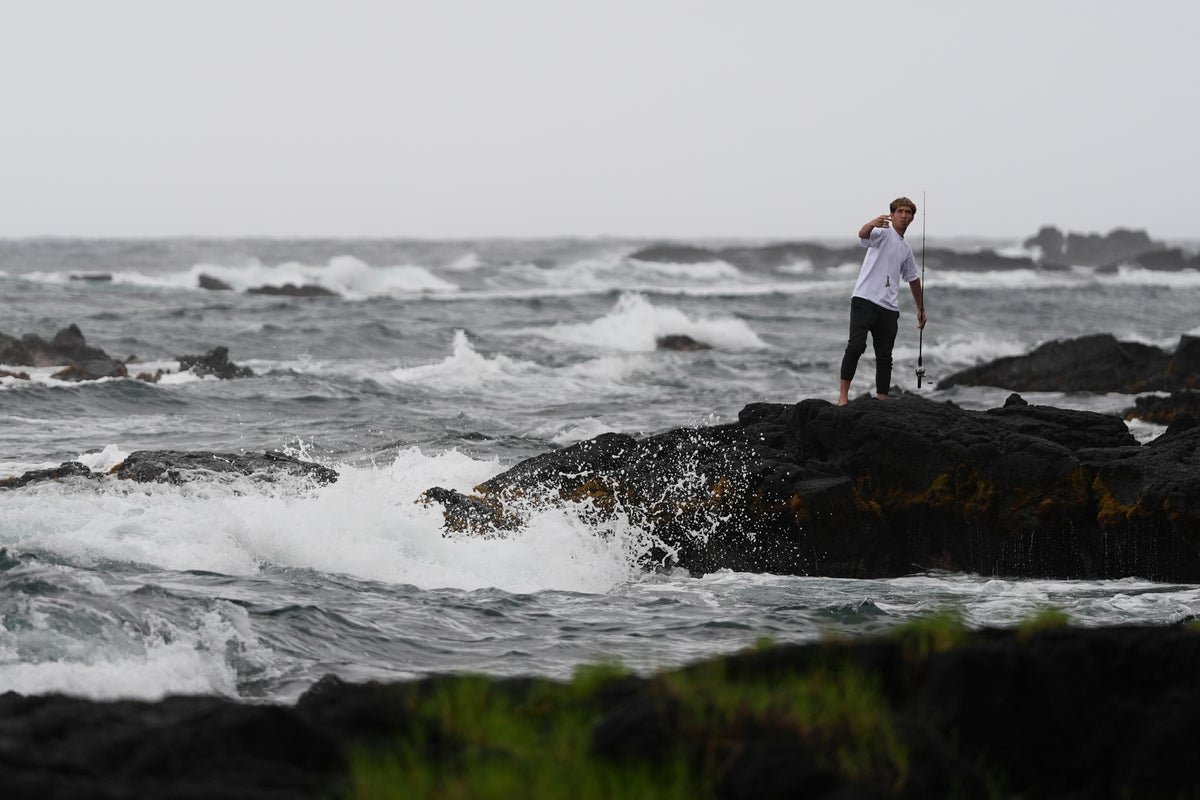
Hurricane onslaught threatens catastrophic flooding from Mexico to Hawaii
Hurricane Polo bore down on Mexico’s Baja California peninsula with a threat of storm surge, high winds and heavy rains, even as Hurricane Nolo edged further away from the Hawaiian Islands
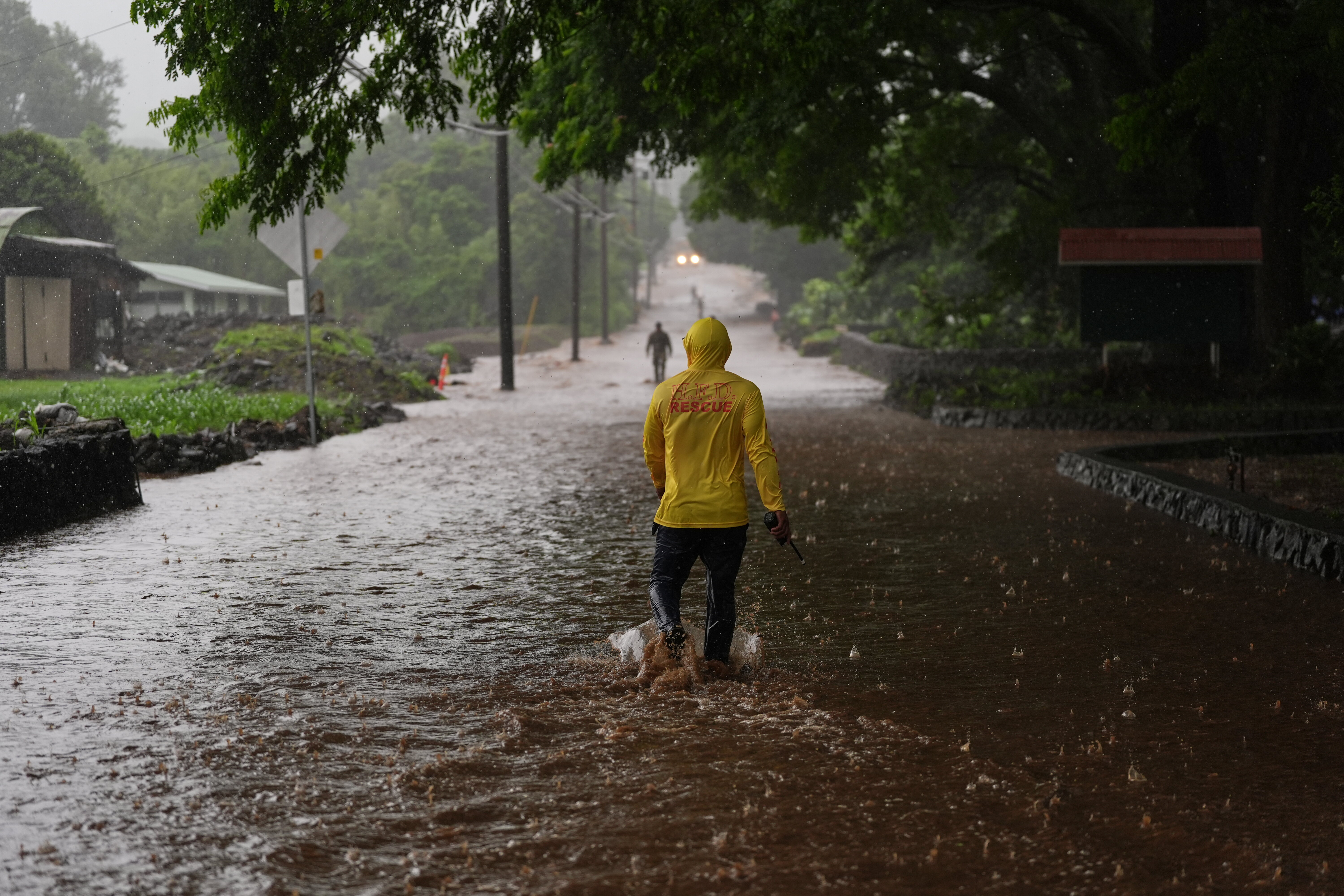
Mexico's Baja California braces for Hurricane Polo as Hurricane Nolo threatens Hawaii
Hurricane Nolo edged further away from the Hawaiian Islands on Sunday as major Hurricane Polo bore down on Mexico's Baja California peninsula with a threat of storm surge, high winds and heavy rains.
 Sep 28, 2026 · byNPR
Mexico: Latin America & The Caribbean Weekly Situation Update as of 25 September 2026
Countries: Mexico, Colombia, Haiti, Honduras Source: UN Office for the Coordination of Humanitarian Affairs Please refer to the attached Infographic. KEY FIGURES 538K people in Honduras targeted for drought assistance through $60M Flash Appeal 1.5M internally displaced people across Haiti as of 25 September 2026 14K people affected or at risk across Colombia’s Pacific region due to armed attacks MEXICO: HURRICANE On 22 September, Hurricane Polo surged from a tropical storm to Category 5 in about 24 hours, becoming the second-most intense eastern Pacific hurricane on record. Polo briefly weakened before regaining Category 5 strength by 25 September as it headed towards Mexico’s Baja California peninsula, fuelled by exceptionally warm Pacific waters in an El Niño-intensified season. Though it should stay off the mainland coast, heavy swells and rain have cracked seafront buildings and wrecked hotel pools in Lázaro Cárdenas, Michoacán. Forecasters expect waves of 6-8 m along the Pacific coast, with Polo weakening by 26 September. The Government has deployed 19,800 security and emergency personnel across Pacific coast states, ordered evacuations, opened shelters, closed ports and urged extreme caution in flood- and landslide-prone areas. HONDURAS: DROUGHT On 22 September, the UN and partners launched a US$60 million Flash Appeal to support the Government-led drought response, with food, nutrition, health, water, sanitation and protection assistance for 538,000 of the 708,000 people in need across 103 municipalities on red alert, home to 2.7 million people. More than 75 per cent of Honduras has faced extreme rainfall deficits in one of the worst droughts in decades. The forecast for the second planting season (postrera) is the driest since 1991, and 62 per cent of households surveyed in August plan to plant less. The appeal follows anticipatory action drought response that CERF, the UN’s Global Emergency Fund, has funded since March and support from the Honduras Humanitarian Fund. The Flash Appeal is available on ReliefWeb . HAITI: DISPLACEMENT According to a 21 September update, 4,238 people remain displaced in Kenscoff commune, near the capital of Port-au-Prince, after armed groups killed at least 47 people and abducted 50 in attacks on 23 and 24 August. Most are staying with host families and the rest in six displacement sites. Similar attacks in July displaced nearly 6,000 people. IOM data from 25 September show displacement across Haiti has reached nearly 1.5 million people, with almost 80 per cent outside the capital as violence spreads. In Kenscoff, humanitarian partners have reached 867 people with water and hygiene assistance, distributed 720 household-item kits and provided 402 medical consultations. The Haitian Red Cross detected a suspected cholera case, and partners report gaps in water, protection, food and psychosocial support. COLOMBIA: VIOLENCE Clashes and attacks by non-state armed groups (NSAGs) have affected or put at risk more than 14,000 people across Colombia’s Pacific region. In Nariño department’s Cordillera subregion, clashes between two NSAGs confined 90 students in a school in Linares municipality, and a group forced at least 150 civilians in Policarpa municipality to act as human shields against military operations. The violence there has affected at least 240 people and put 800 more at risk. In Nariño’s Sanquianga subregion, two weeks of fighting and explosive attacks on security forces have heightened risks for at least 1,200 Afro-Colombian people. In Mercaderes municipality, Cauca department, the Ombudsman’s Office issued an early warning that escalating tensions between NSAGs put 12,000 people at risk of displacement, confinement and mobility restrictions.
 Sep 25, 2026 · byReliefWeb
Honduras: Latin America & The Caribbean Weekly Situation Update as of 25 September 2026
Countries: Honduras, Colombia, Haiti, Mexico Source: UN Office for the Coordination of Humanitarian Affairs Please refer to the attached Infographic. KEY FIGURES 538K people in Honduras targeted for drought assistance through $60M Flash Appeal 1.5M internally displaced people across Haiti as of 25 September 2026 14K people affected or at risk across Colombia’s Pacific region due to armed attacks MEXICO: HURRICANE On 22 September, Hurricane Polo surged from a tropical storm to Category 5 in about 24 hours, becoming the second-most intense eastern Pacific hurricane on record. Polo briefly weakened before regaining Category 5 strength by 25 September as it headed towards Mexico’s Baja California peninsula, fuelled by exceptionally warm Pacific waters in an El Niño-intensified season. Though it should stay off the mainland coast, heavy swells and rain have cracked seafront buildings and wrecked hotel pools in Lázaro Cárdenas, Michoacán. Forecasters expect waves of 6-8 m along the Pacific coast, with Polo weakening by 26 September. The Government has deployed 19,800 security and emergency personnel across Pacific coast states, ordered evacuations, opened shelters, closed ports and urged extreme caution in flood- and landslide-prone areas. HONDURAS: DROUGHT On 22 September, the UN and partners launched a US$60 million Flash Appeal to support the Government-led drought response, with food, nutrition, health, water, sanitation and protection assistance for 538,000 of the 708,000 people in need across 103 municipalities on red alert, home to 2.7 million people. More than 75 per cent of Honduras has faced extreme rainfall deficits in one of the worst droughts in decades. The forecast for the second planting season (postrera) is the driest since 1991, and 62 per cent of households surveyed in August plan to plant less. The appeal follows anticipatory action drought response that CERF, the UN’s Global Emergency Fund, has funded since March and support from the Honduras Humanitarian Fund. The Flash Appeal is available on ReliefWeb . HAITI: DISPLACEMENT According to a 21 September update, 4,238 people remain displaced in Kenscoff commune, near the capital of Port-au-Prince, after armed groups killed at least 47 people and abducted 50 in attacks on 23 and 24 August. Most are staying with host families and the rest in six displacement sites. Similar attacks in July displaced nearly 6,000 people. IOM data from 25 September show displacement across Haiti has reached nearly 1.5 million people, with almost 80 per cent outside the capital as violence spreads. In Kenscoff, humanitarian partners have reached 867 people with water and hygiene assistance, distributed 720 household-item kits and provided 402 medical consultations. The Haitian Red Cross detected a suspected cholera case, and partners report gaps in water, protection, food and psychosocial support. COLOMBIA: VIOLENCE Clashes and attacks by non-state armed groups (NSAGs) have affected or put at risk more than 14,000 people across Colombia’s Pacific region. In Nariño department’s Cordillera subregion, clashes between two NSAGs confined 90 students in a school in Linares municipality, and a group forced at least 150 civilians in Policarpa municipality to act as human shields against military operations. The violence there has affected at least 240 people and put 800 more at risk. In Nariño’s Sanquianga subregion, two weeks of fighting and explosive attacks on security forces have heightened risks for at least 1,200 Afro-Colombian people. In Mercaderes municipality, Cauca department, the Ombudsman’s Office issued an early warning that escalating tensions between NSAGs put 12,000 people at risk of displacement, confinement and mobility restrictions.
Sep 25, 2026 · byReliefWeb
Hurricane Polo barrels towards Baja California region of Mexico
Area’s second-most intense hurricane on record being fuelled by exceptionally warm Pacific waters Hurricane Polo is barreling towards the Baja California region of Mexico, the latest system in a Pacific hurricane season that has been notably active in recent months. On 22 September, a measurement of 892 millibars was registered for Hurricane Polo, making it the second-most intense hurricane on record in the east Pacific. It is fuelled by exceptionally warm waters across the Pacific Ocean, providing favourable conditions for the system to maintain its considerable strength. Polo is expected to turn towards the west-north-west, before taking a more north-westerly trajectory on Saturday. It has maximum sustained winds of around 150mph, with even stronger gusts occurring within the most intense parts of the hurricane. Hurricane-force winds extend outward for approximately 40 miles from the centre, while tropical storm-force winds reach as far as 125 miles. These powerful winds, combined with torrential rainfall and dangerous seas, could have significant impacts. Although some fluctuations in intensity are possible over the coming days, Polo is expected to remain powerful as it tracks north-westwards. Continue reading...
 Sep 25, 2026 · byThe Guardian
Experts testify to discovery of three bodies in a well on Mexico beach
A Baja California judge told the families that they could leave the courtroom as experts presented graphic photos of the murdered surfers found on a stretch of idyllic Mexican Pacific coastline.