92 articles · 1+ stories
Latest Facebook articles


West Yorkshire criminals using social media to recruit students
Organised criminals offer cash to ‘parcel mules’ to transfer illegal drugs, weapons and dirty cash Students are being recruited by criminals in West Yorkshire to transfer illegal packages containing illegal drugs, prohibited weapons, stolen goods, and dirty cash. Organised criminals are using social media platforms including Snapchat, Instagram, TikTok and Facebook to recruit innocent people to help them move illicit goods, particularly targeting students and vulnerable adults. Continue reading...
 Sep 23, 2026 · byThe Guardian
California Residents Orchestrate $1,000,000+ Check Fraud Scheme on Facebook
Five Fresno residents have pleaded guilty to a Facebook-coordinated bank fraud scheme that funneled stolen checks worth more than $1 million through bank accounts. The post California Residents Orchestrate $1,000,000+ Check Fraud Scheme on Facebook appeared first on The Daily Hodl .
 Sep 23, 2026 · byThe Daily Hodl
Can you forget how you feel about Meta?
In 2021, as a whistleblower emerged with dramatic allegations that Facebook was harming children, CEO Mark Zuckerberg posted a rebuttal on Facebook. “We care deeply about issues like safety, well-being and mental health. It’s difficult to see coverage that misrepresents our work and our motives,” he wrote in a note to Meta staff, which he […]
 Sep 22, 2026 · byThe Verge
Skytrax names Singapore Airlines World’s Best Airline for 2026
Singapore Airlines (SIA) has been named the World’s Best Airline in the 2026 Skytrax World Airline Awards, marking the sixth time it has received the prestigious accolade. Follow Aeronews on Facebook,...
Facebook, Instagram suffer outage affecting thousands of US users
New York: Meta's social networking platforms, Facebook and Instagram, experienced outages affecting thousands of users across the United States on Sunday, according to outage-tracking website Downdetector. As of 9:11 p.m. ET, more than 17,000 users had reported issues with Facebook, while more than 5,000 users reported problems accessing Instagram. Downdetector tracks service disruptions by collecting status reports from a range of sources, including user-submitted reports. Meta did not immediately respond to a Reuters request for comment. The actual number of affected users may vary, as the figures reported by Downdetector are based on user submissions rather than direct data from the company. The cause of the outage was not immediately known.

Meta launches legal challenge against UK media regulator over Online Safety Act
Action against Ofcom comes as social media companies are being accused of using courts to slow down implementation Meta has launched a fresh legal challenge against Britain’s media regulator in the latest of a slew of actions by social media companies who are accused of using the courts to slow down implementation of the Online Safety Act. Lawyers for the parent company of Facebook served notice during the week in an appeal against placing WhatsApp and Instagram, which are also owned by Meta, in a category that subjects them to additional duties. Continue reading...
Sep 20, 2026 · byThe Guardian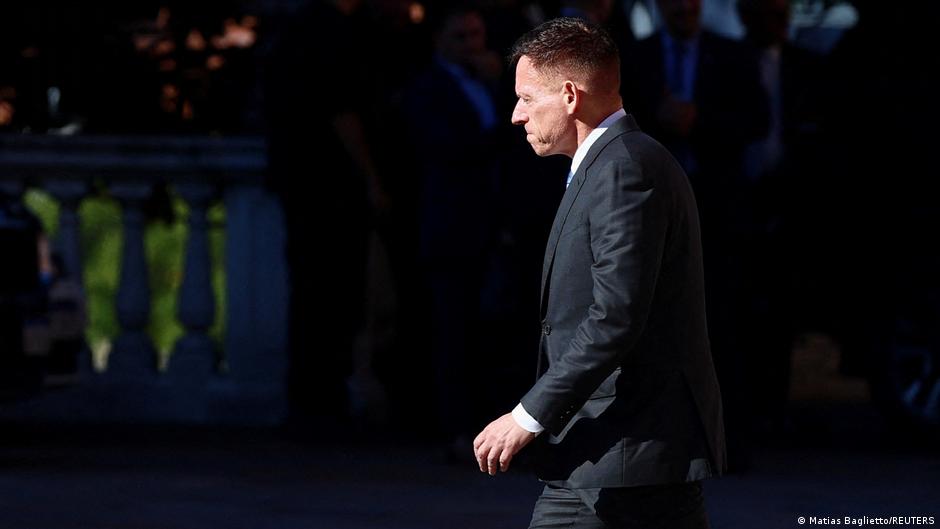
Peter Thiel: Power, Palantir, and the antichrist
He was early to back Facebook, early to back Donald Trump, and is one of the world’s richest people. But from his theories on the antichrist and AI to his distinctive politics, Peter Thiel is hard to pin down.
 Sep 20, 2026 · byDeutsche Welle
US intelligence dismantles Iranian AI proxies network on social media
The New York Times, citing US officials and security researchers, revealed that an Iranian state-backed campaign used what are known as ‘artificial intelligence proxies’, programmes capable of running software and accomplishing a series of tasks autonomously, in an operation targeting an audience within the United States. According to security officials, the danger of this new development lies in the fact that artificial intelligence (AI) is no longer used only to produce a fake image or write a misleading post, but has become capable of carrying out multiple parts of the same influence campaign, starting from creating accounts, through producing content, to publishing it and interacting with other users. According to the newspaper, the perpetrators used open-source Chinese artificial intelligence models to create hundreds of ‘agents’ before deploying them to manage accounts on platforms including Facebook, Instagram, X, and TikTok. Officials said that safeguards intended to prevent the AI systems from creating fake accounts or manipulating online discussions were disabled in several cases. The Iranian aspect of these operations was the most worrying for officials and researchers who spoke to the newspaper, along with Chinese and Israeli models. The AI-generated accounts presented themselves as ordinary Americans living in major cities and used those identities to participate in political discussions and comment on posts by journalists and politicians. The accounts posted satirical images and content addressing American political issues, including positions opposing the Republican Party, while the number of followers of the AI-created accounts reached about 80,000 people during the first half of the year, according to the New York Times. Security researchers said that these campaigns are still relatively primitive, but their importance lies in the direction they reveal, as more sophisticated systems in the future could make automated accounts more capable of impersonating the real user and engaging in conversations that are difficult to distinguish from human activity. Kyle Crichton, a researcher at Georgetown University’s Center for Security and Emerging Technologies, said that agents could become so sophisticated that, in addition to running large numbers of accounts, they could “bluntly blend in and appear more like a human user.” Why open models? Part of the concern relates to the use of open artificial intelligence models that can be downloaded and run on private devices and have their protection mechanisms modified. Kyle Chan, a researcher at the Brookings Institution, explained that the difference from the closed models offered by companies like OpenAI and Anthropic is that open systems can be operated independently, reducing the ability of the developing companies to intervene and stop their use when they are exploited in illegal activities. The experiments are not limited to Iran. US officials said China has tested the same techniques, while two other campaigns have been linked to private companies in Israel. In one Israeli case, a company admitted to using the Chinese ‘deepsick’ model to control thousands of accounts, but said the activity was a defensive test to study the risks of misuse of such systems.

Are bots changing how people talk? Language in the age of AI
A Facebook post about your trip to Peru. An Amazon review of a new toaster oven. An email to the super about the inflatable reindeer blocking the hallway. You phrase and rephrase things all day without thinking that anyone—or anything—is putting words in your mouth. But what happens when AI joins the conversation? Are chatbots changing the way you write, talk and interact with others?
Georgia: Critics Jailed for Online Speech
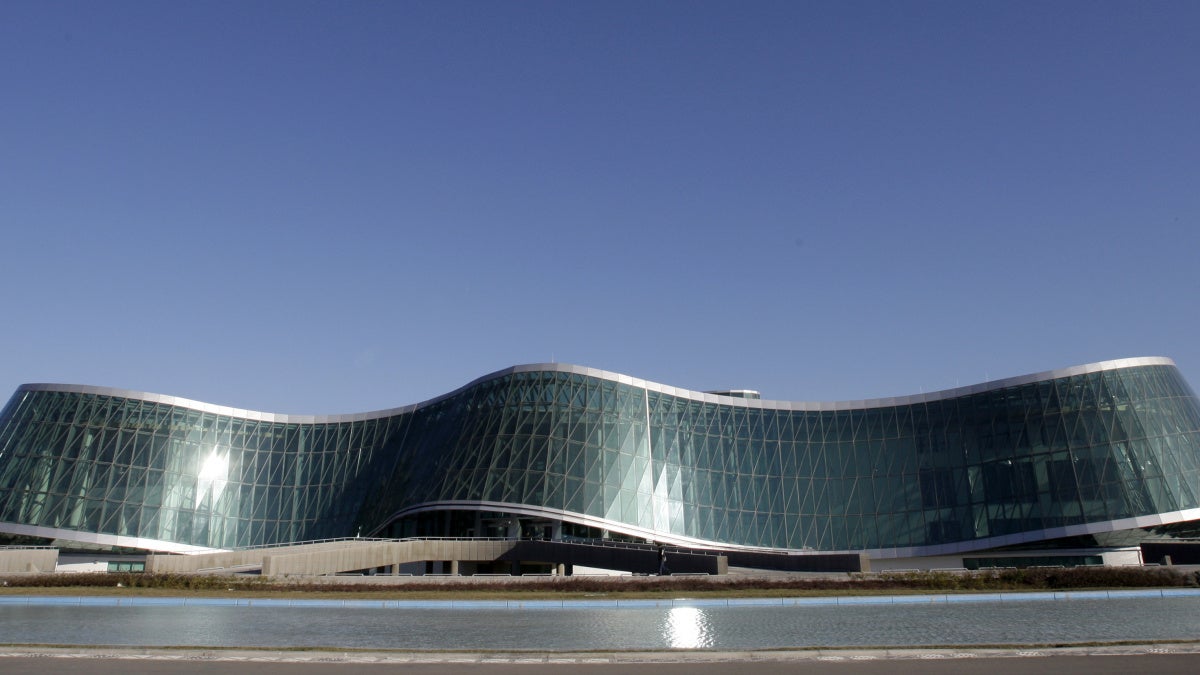
Click to expand Image The Georgian Interior Ministry headquarters in Tbilisi, February 2, 2010. © 2010 David Mdzinarishvili/Reuters (Berlin, September 18, 2026) – Georgian authorities are using vague administrative offenses to jail or heavily fine people for online speech, deepening the government’s crackdown on freedom of expression, Human Rights Watch said today. Since June 2026, a new Ministry of Internal Affairs unit has monitored social media and referred hundreds of posts to courts to be tried for speech-related charges, such as insult or profanity. In July, courts sentenced a journalist and an activist to 14 and 25 days of detention, respectively, for online statements deemed insulting, and in September, authorities opened proceedings against a blogger over a Facebook comment deemed profane. “Statements can be crude or disrespectful, but that does not justify jailing people for what they say about public officials,” said Hugh Williamson, Europe and Central Asia director at Human Rights Watch. “Detention or substantial fines for nonviolent expression under vague rules, combined with monitoring social media, pose a serious threat to free expression in Georgia.” On July 22, the Tbilisi City Court sentenced Vakho Sanaia, a journalist and anchor at Formula TV, a broadcaster critical of the government, to 14 days in detention over a Facebook post referring to Shalva Papuashvili, the parliament speaker, and Vladimir Bozhadze, a lawmaker, in terms deemed disparaging. Sanaia had been fined 6,000 Georgian lari (approximately US$2,200) 12 days earlier in a separate case involving Facebook posts about the same officials. Following that decision, Sanaia posted: “I wrote a post saying, ‘Don’t call Papuashvili and Bozhadze d—ks,’ and I was fined 6,000 lari for that. Well, I don’t know then—I guess call them that.” A Ministry of Internal Affairs representative said the authorities sought detention because Sanaia had disregarded the previous court decision and demonstrated his intention to continue his conduct. The court granted the ministry’s request. Two days later, Tbilisi City Court sentenced Giorgi Akhobadze, a physician and activist, to 25 days of detention for statements about public officials and a police officer, including on social media. Akhobadze’s lawyer, Mikheil Zakareishvili, said that the police presented the defense with a large volume of case materials, including photographic and video evidence, only 27 minutes before the hearing, yet the court rejected a request for more time to review them. Zakareishvili also disputed that the police evidence established an offense and said that the statements at issue were legitimate criticism or commentary on factual events. On September 10, Tornike Razmadze, an activist and blogger critical of the government, received notice that police had initiated profanity proceedings against him over a Facebook comment under a video in which he compared remarks by Prime Minister Irakli Kobakhidze with statements by the Russian propagandists Margarita Simonyan and Vladimir Solovyov. The Ministry of Internal Affairs stated that Razmadze was accused of insulting Kobakhidze. But Razmadze said that the administrative offense notice he received cited article 166(1) of the Code of Administrative Offenses, which concerns swearing and other insulting conduct in a public space, rather than the provision specifically concerning insults against public officials. Razmadze said his comment referred to Simonyan and Solovyov, not Kobakhidze. The case illustrates the expanded use of administrative offenses to police online speech, Human Rights Watch said. Article 166, traditionally concerning petty hooliganism in public places, is now also being applied to social media. In February 2025, parliament added article 17316 to Georgia’s Code of Administrative Offenses, making “verbal abuse, swearing, persistent insult and/or other offensive actions” directed at a broad range of state and public officials in connection with their duties punishable by a fine of 1,500 to 4,000 lari (about $550 to $1,500) or up to 45 days of detention. A repeat offense carries a fine of 2,500 to 6,000 lari (about $920 to $2,200) or between 5 and 60 days of detention. The provision forms part of a series of legislative changes since late 2024 that Human Rights Watch has found sharply restrict peaceful expression and assembly and enable increasingly punitive sanctions to be imposed on government critics. Imposing detention or substantial fines for nonviolent, insulting, or profane speech is an especially severe interference with freedom of expression and risks deterring others from speaking openly about those in power, Human Rights Watch said. The Organization for Security and Co-operation in Europe’s Office for Democratic Institutions and Human Rights has criticized the provision’s broad and subjective wording. It found that terms including “verbal abuse, swearing, persistent insult and/or other offensive actions,” without definitions or clearly specified elements of the offense, could be interpreted and applied arbitrarily. It concluded that the provision does not meet the requirements of legality and foreseeability for restrictions on freedom of expression and warned of its potential chilling effect. Enforcement of the new provision intensified after June 1, when the Ministry of Internal Affairs established a Division for Combating Hate Speech. The unit monitors public statements, including on social media and in the press, for speech that it considers degrading, insulting, or hateful, in particular toward officials, identifies alleged offenders, and refers cases to court. By August 1, the Ministry of Internal Affairs said the unit had identified and submitted to courts about 300 alleged administrative offenses involving expression in public spaces. Courts have already completed about 130 cases and imposed fines or administrative detention. Using a unit ostensibly created to combat “hate speech” to pursue alleged offensive or profane expression is particularly troubling, Human Rights Watch said. International human rights standards distinguish incitement to discrimination, hostility, or violence from speech that merely shocks, offends, or insults. Crude or offensive language does not, by itself, remove expression from human rights protection. The European Court of Human Rights has repeatedly recognized that freedom of expression protects not only ideas that are favorably received but also those that offend, shock, or disturb. Politicians and other public officials are subject to greater public scrutiny than private individuals and are expected to tolerate a wider degree of criticism. As a party to several international human rights treaties, including the European Convention on Human Rights, Georgia is obligated to protect freedom of expression. Any restriction must have a sufficiently clear legal basis, pursue a legitimate aim, and be necessary and proportionate in a democratic society. Georgia is also required to provide appropriate due process protections when an offense is criminal in substance, even if domestic law classifies it as “administrative.” The severity of available sanctions, including detention for as long as 60 days, makes adequate procedural safeguards particularly important. The Georgian authorities should end the use of detention for peaceful expression and repeal or amend vague provisions used to punish speech so that they comply fully with Georgia’s international human rights obligations. They should ensure that provisions concerning insults, swearing, and public disorder are not used to suppress legitimate expression, including harsh criticism of public officials, whether they are politicians, police officers, or other state representatives. “The government does not have to like crude or offensive speech, but it cannot use that as a shortcut to jail its critics,” Williamson said. “Georgia should end detention for peaceful expression, repeal its repressive restrictions on speech, and restore space for people to criticize those in power without fear of punishment.”
Jeremy Strong plays Mark Zuckerberg in 'The Social Reckoning,' a follow-up to 2010's 'The Social Network.' Here's everything we know.
Aaron Sorkin will tell the story of how Facebook infiltrated our daily lives in "The Social Reckoning," with Jeremy Strong playing Mark Zuckerberg.
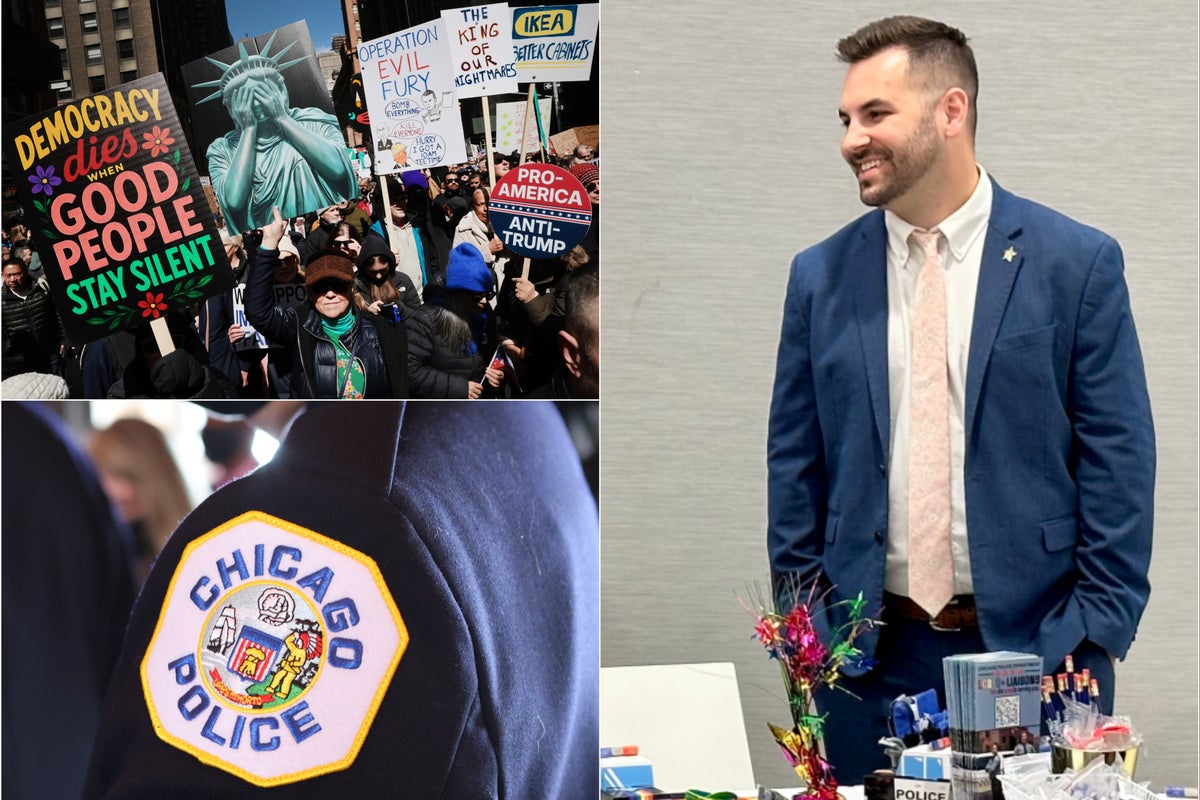
Exclusive: Chicago PD employee sues city after suspension for ‘F*** Trump’ Facebook post at ‘No Kings’ protest
Exclusive: Mike Milstein, a high-level civilian CPD employee, says he ‘intends to resume’ his public criticism of the president

Meta ordered to remove deepfakes as oversight board criticises ‘inadequate’ safeguards
Facebook told it was wrong in leaving up AI-generated videos of a Labour councillor and Muslim campaigner, amid calls to curb fakes Meta’s “supreme court” has ordered the tech company to take down deepfake videos of a UK politician and a young Muslim woman from Facebook and do more to tackle AI-generated fake imagery . A fake video showing a Labour party councillor in Scotland making inflammatory comments about refugees should not have been left up by Facebook, the board said. It also ruled that an AI-generated video of a Muslim campaign volunteer should have been removed after it falsely depicted her offering health advice while carrying out absurd exercises or eating junk food. Continue reading...
Sep 17, 2026 · byThe Guardian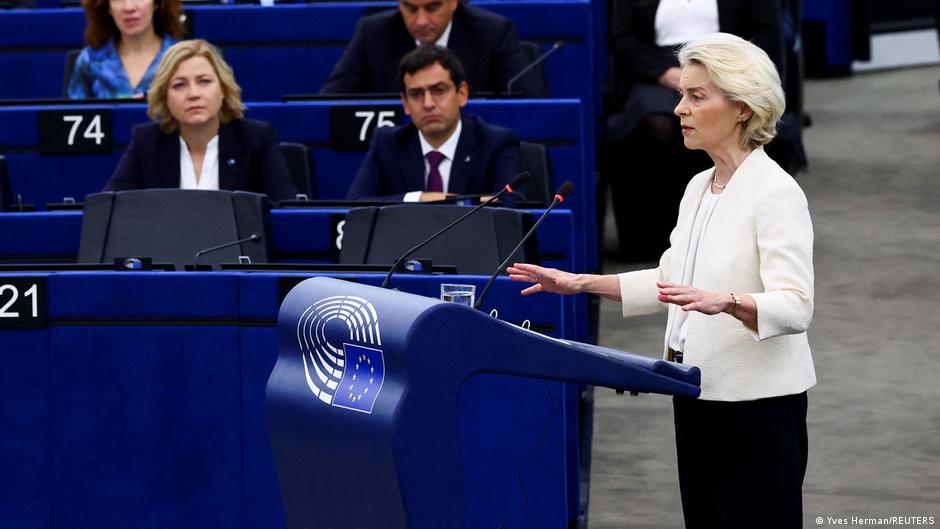
Europe seeks stricter age limits for TikTok, Instagram and Facebook
The European Commission wants to bar children under 13 from social media platforms and curb addictive features such as infinite scrolling. Companies that fail to comply could face hefty fines.
Sep 17, 2026 · byDeutsche Welle
Meta liable for fake ads on Instagram, Facebook: German court
A German court has ruled that Meta is liable for fake advertisements posted by third parties on its Instagram and Facebook platforms, and ordered the U.S. tech giant to remove such content and pay damages, the court said on Thursday. The lawsuit was brought by the operator of a German financial portal and its founder, whose trademarked logo and image were used without consent in posts recommending investments allegedly with fraudulent intent. The portal operator reported nearly 260 violations to Meta in August 2024 alone; however, Meta took up to 62 days to remove some content, the court said. It ruled Meta could not rely on the Digital Services Act's lack-of-knowledge defence, because unlike purely chronological feeds, it exercises control over the content through its algorithms and advertising practices. The court referred to a precedent set by a June ruling by the European Court of Justice. "We respectfully disagree with this decision and are considering next steps," a Meta spokesperson said in a statement, adding that the company had taken significant action, including proactive detection measures and removal of reported content. According to the ruling, dated September 16, Meta must also disclose details of the fake advertisements and revenue generated from them. The ruling is not yet final and may be challenged by lodging an appeal, the court said.
German court rules Meta liable for fake ads on Instagram, Facebook
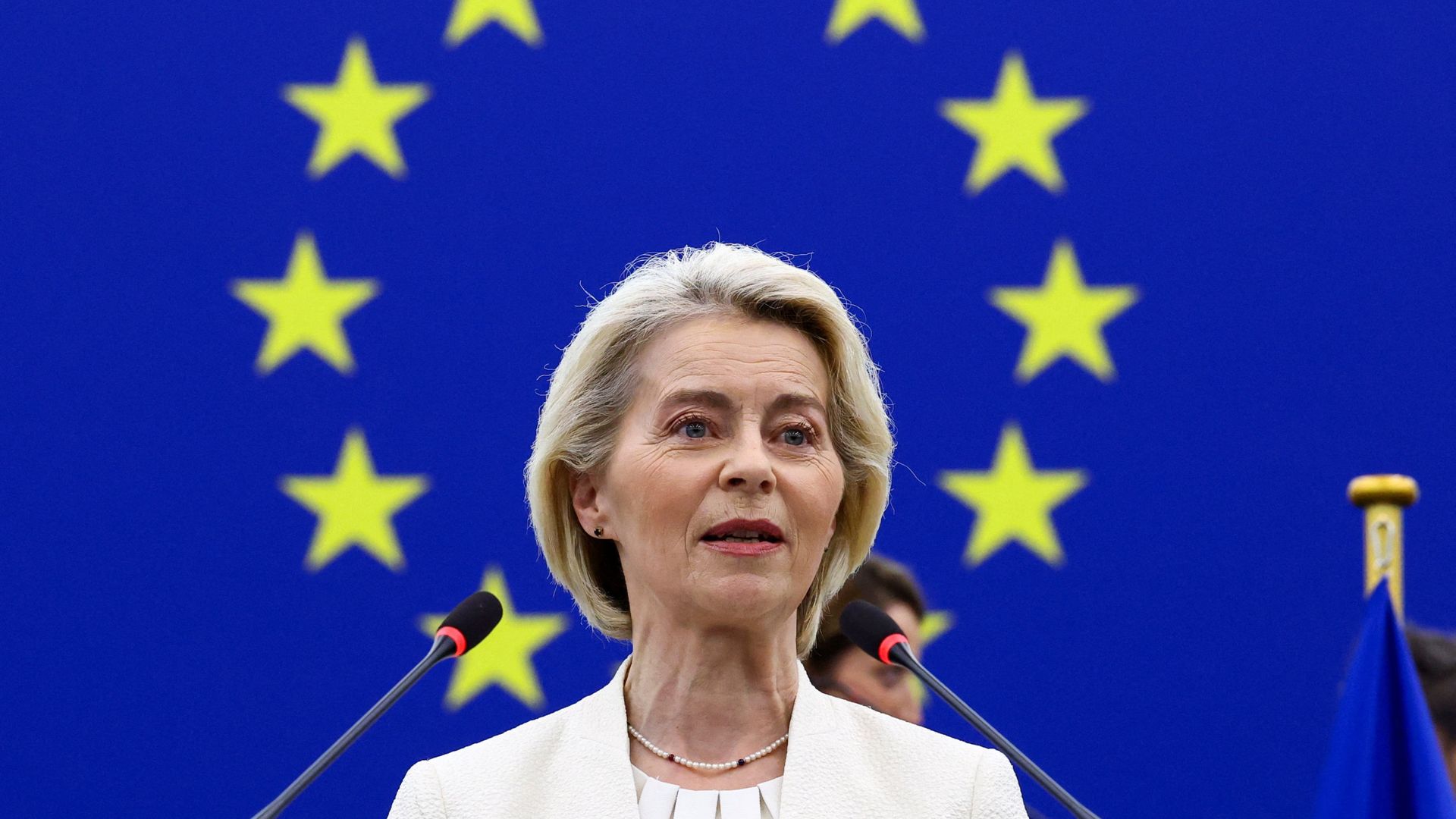
EU to ban social media for under-13s and limit access for older children
The EU is banning social media for under 13s and limiting older children's access in an attempt to protect youngsters from suffering online harm on platforms such as Facebook, Instagram and TikTok.
 Sep 17, 2026 · bySky News
At least five Reform councillors joined Facebook group linked to far-right Patriot Platform
Politicians from Solihull, Gateshead and Kent were in online group linked to balaclava-clad far-right agitators At least five Reform UK councillors have been members of a Facebook group linked to the far-right group involved in the blockades of Dover and Portsmouth by masked men, according to anti-fascist campaigners. Nigel Farage’s party has been wrestling with internal divisions over its position on the Patriot Platform group, whose activities have been condemned by Farage and across the political spectrum. Continue reading...
Sep 16, 2026 · byThe Guardian
Amazon to launch Ring ‘neighbourhood watch’ app in UK amid US privacy fears
Doorbell firm aims to replace WhatsApp or Facebook groups with platform where people can post about safety or lost pets Amazon’s doorbell camera maker Ring is to launch its Neighbours community app in the UK in an attempt to supplant neighbourhood WhatsApp or Facebook groups. The service is intended as a modern equivalent of a community message board, where neighbours can post about safety, community matters or lost pets. Continue reading...
Sep 16, 2026 · byThe Guardian
Why are two college football teams playing at Wembley on Saturday?
Kansas are taking on Arizona in the Union Jack Classic, with 60,000 young and noisy fans expected at Wembley By No Helmets Required Follow No Helmets Required on Facebook Continue reading...
Sep 16, 2026 · byThe Guardian
Meta expands subscription push with new AI-focused plans
Meta One bundles expanded access to the company’s AI tools with premium features across Facebook, Instagram and WhatsApp.
 Sep 15, 2026 · byTechCrunch
Meta Launches Major New Subscriptions Push for Creators … Powered By AI
Meta One will add power features to Instagram, Facebook and WhatsApp.
 Sep 15, 2026 · byThe Hollywood Reporter
Texas police department ordered closed for failing to provide any benefit to community
Disbanding of department in Trinidad comes after arrest of a resident for posting about issues with local water supply A police department in Texas that arrested a local resident for complaining on social media about their city’s contaminated water supply has been ordered closed after failing to prove it provided any benefit to the community. State officials stepped in to investigate after Jennifer Combs spent a night in jail in May after a post appeared on her Facebook page suggesting people were hospitalized by bacteria in the water pipes of Trinidad, a municipality in Henderson county about 75 miles south-east of Dallas. Continue reading...
Sep 15, 2026 · byThe Guardian