Houthis
31 articles
Latest Houthis articles


Yemeni forces launch offensive to retake Houthi-held al-Waziiya in Taiz
The mountainous district is key to control of Mocha, the Red Sea port the Houthis seized last month.
 Oct 7, 2026 · byAl Jazeera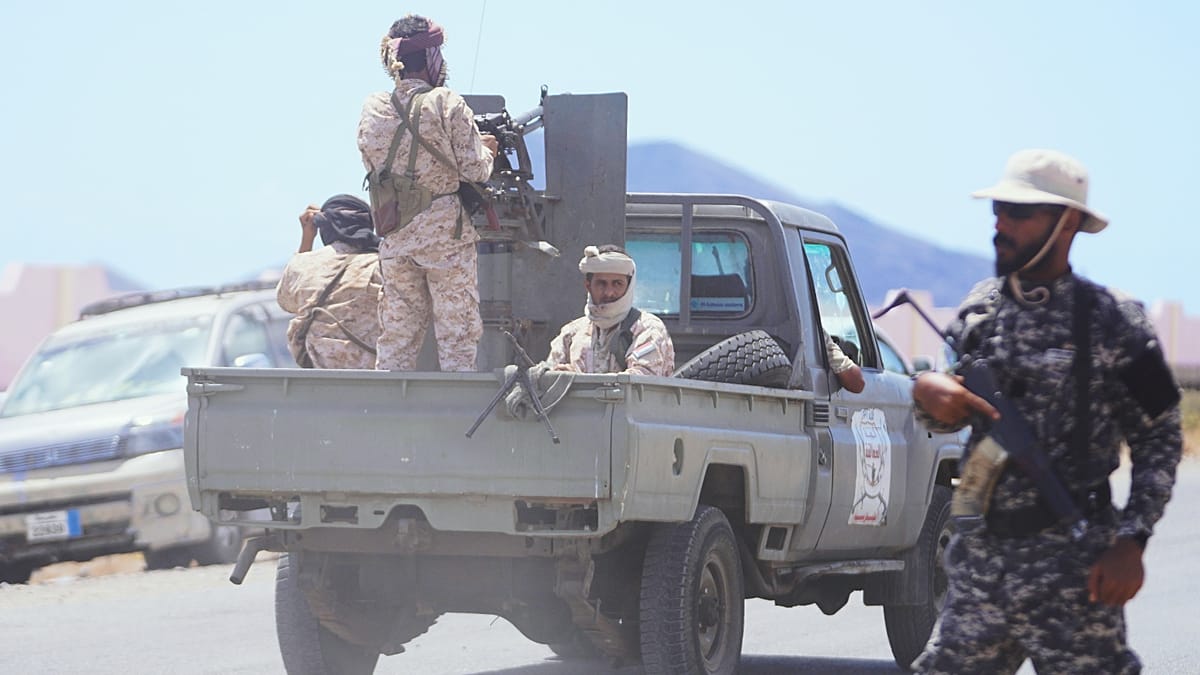
Yemen government forces advance on Bab el-Mandeb in offensive against Houthis
Operation Yemen Dawn, backed by 100 Saudi coalition aircraft, retook the town of Dhubab just north of the strait, as the Houthis claimed they struck Riyadh's international airport, an oil refinery and military bases across Saudi Arabia, and Pakistan and Turkey agreed to deploy troops to the kingdom.
 Oct 6, 2026 · byEuronews
US charges engineer with supporting Houthis, Louisiana brothers and Florida man with financing Hamas
In September, federal prosecutors brought three cases involving alleged support for Middle East terrorist groups: one against a DOE engineer accused of assisting the Houthis and two others accusing Louisiana brothers and a Florida beauty-store owner of financing Hamas. The post US charges engineer with supporting Houthis, Louisiana brothers and Florida man with financing Hamas appeared first on FDD's Long War Journal .

Iran says it's up to U.S. to end war as China presses for de-escalation
The remarks came as the Houthis launched a new wave of missile and drone attacks at Saudi targets Friday morning.
G7 leaders call on Iran-backed Houthis to stop strikes on Saudi Arabia
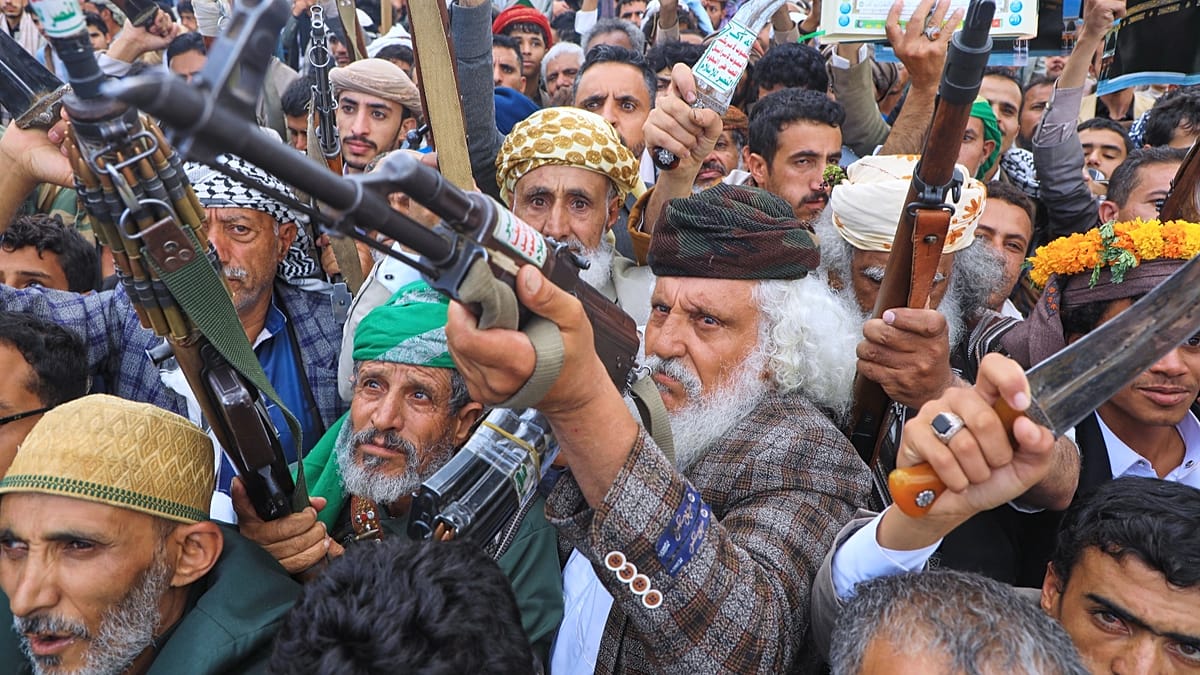
The Houthis staged an offensive in recent weeks to take over Yemen's entire Red Sea coast, threatening global trade and pushing up energy prices up.
Sep 22, 2026 · byEuronews
Houthis say US ships won’t be targeted in Red Sea
The Iran-backed Houthi rebels in Yemen have reportedly reassured the Trump administration that they won’t attack U.S. ships in the Red Sea. Senior Houthi official Mohamed al-Bukhaiti told The Associated Press that the administration reached out to his group earlier this month after Houthis took several towns and islands along Yemen’s western coast, crucial to controlling the…
 Sep 21, 2026 · byThe Hill
Yemen's Houthis strike Saudi capital Riyadh for the first time
Fighting between Iran-backed Houthi rebels and Saudi Arabia continues to intensify. On Saturday morning, a fire broke out near Riyadh's main airport after Houthis said they launched missiles and drones at Saudi Arabia. On the ground in Yemen, Houthi rebels are pushing east in their fight against Saudi-backed government forces. Story by Caroline Baum.
Thick smoke seen near Riyadh airport as Houthis claim attack on Saudi capital
Authorities issued warnings for city in first such alerts for Riyadh since fighting with Iran-backed Houthis escalated in July Yemen’s Houthis said they attacked “sensitive” sites in the Saudi capital with missiles and drones, hours after flames and a large plume of black smoke were seen rising above Riyadh airport on Saturday. The Saudi government sent air raid alerts to citizens by phone overnight warning of aerial attacks, marking the first time the government has issued such alerts for Riyadh since fighting with the Iran-backed Houthis escalated in July. Continue reading...
 Sep 20, 2026 · byThe Guardian
Flames, smoke seen near Riyadh airport; Houthis claim attacks on Saudi capital
Yemen’s Houthis said they attacked sites in the Saudi capital with missiles and drones, hours after flames were seen near the city’s main airport.
 Sep 19, 2026 · byThe Sydney Morning Herald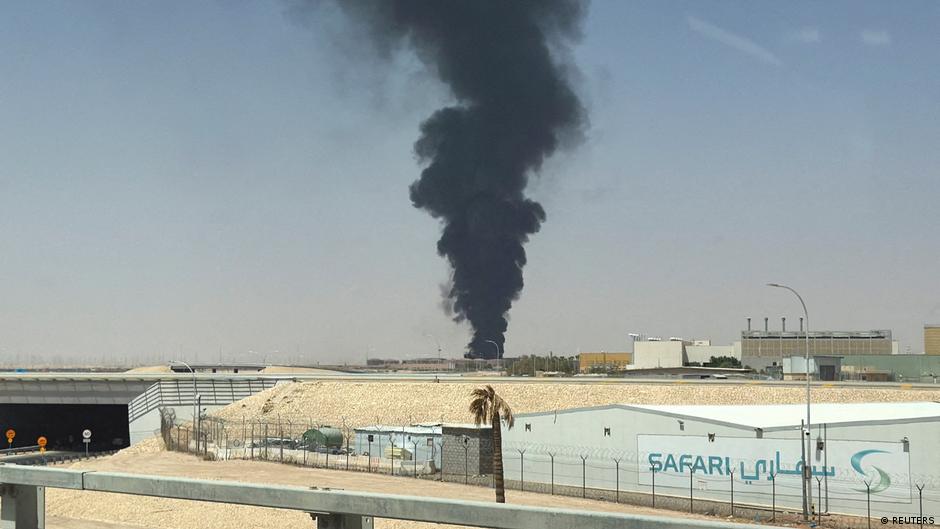
Saudi Arabia: Houthis claim strikes on Riyadh, Yanbu port
The Yemen-based Houthis said they targeted "sensitive sites" in Riyadh, hours after a blaze at a fuel depot near the Saudi capital's main airport. The Saudi-led coalition said Saudi defense downed a ballistic missile.
 Sep 19, 2026 · byDeutsche Welle
Atrocity Alert No. 494: Yemen, Belarus and Myanmar (Burma) - Global Centre for the Responsibility to Protect
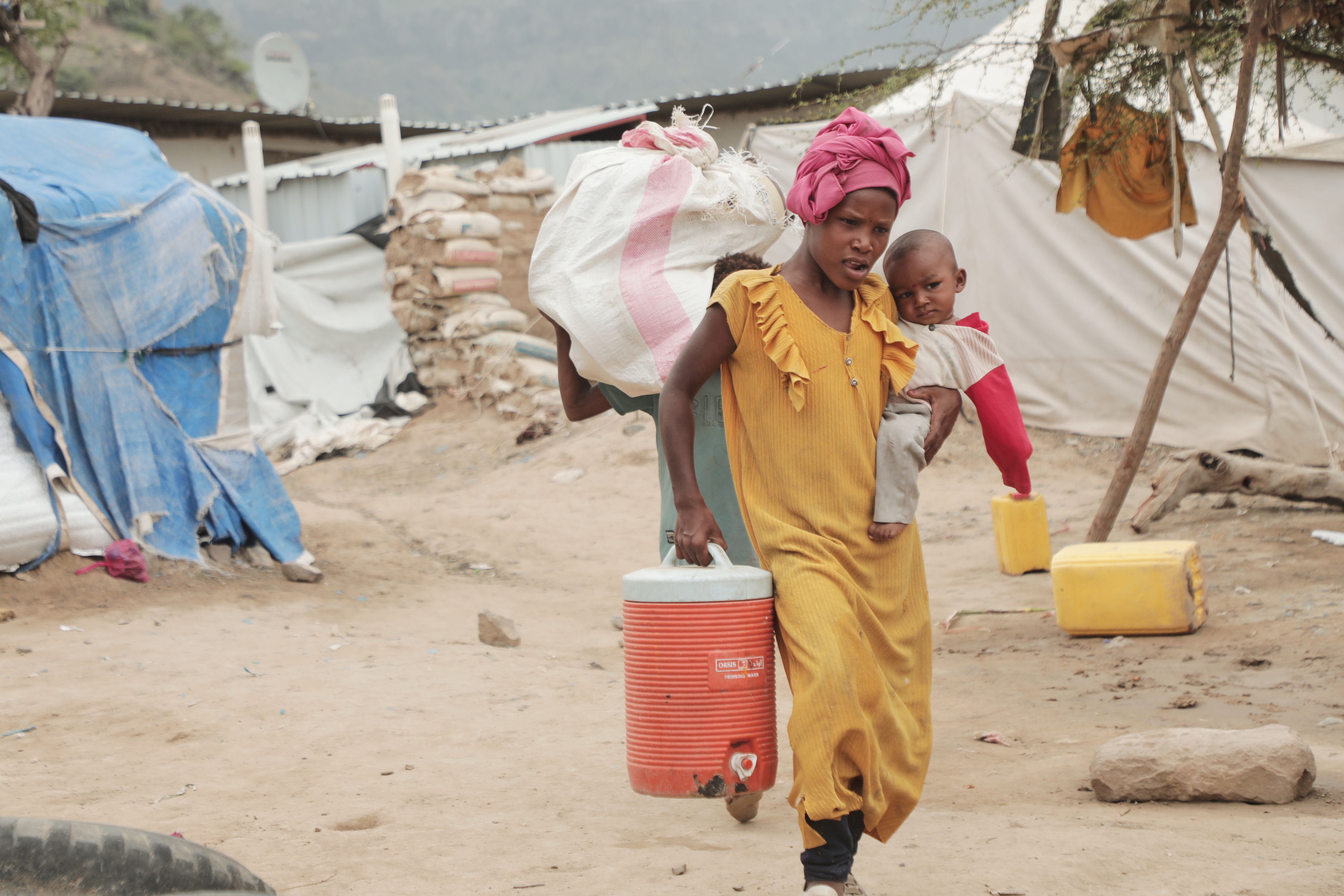
Countries: Yemen, Belarus, Myanmar Source: Global Centre for the Responsibility to Protect Atrocity Alert is a weekly publication by the Global Centre for the Responsibility to Protect highlighting situations where populations are at risk of, or are enduring, mass atrocity crimes. THREAT OF RETURN TO LARGE-SCALE CONFLICT IN YEMEN AMID MAJOR ESCALATION Following months of heightened tensions, on 3 September the Houthis launched a widespread offensive against Saudi Arabia-backed Yemeni government forces in Taiz governorate, seeking to seize strategic areas along Yemen’s western coast. In the days since, fighting has dramatically expanded across several governorates, while the Houthis have intensified attacks on civilian and energy infrastructure in Saudi Arabia and reportedly assumed control of Yemen’s entire Red Sea coastline. According to the International Organization for Migration, over 100,000 people have been displaced in Yemen since the start of September, further compounding a crisis in which more than half of the population relies on aid and faces acute food insecurity. The past two weeks have marked one of the gravest escalations after years of reduced hostilities since the UN-brokered truce in 2022. During an emergency UN Security Council (UNSC) meeting on the situation on 10 September, Hans Grundberg, UN Special Envoy of the Secretary-General for Yemen, warned, “The question before the international community is no longer whether Yemen’s war will resume, but how to address a new and more dangerous phase – one whose consequences, if left unchecked, will not stay within Yemen’s borders.” Grundberg also stressed that the risks he outlined to the Council a month prior amid mounting tensions had now “turned into a harsh reality” and urged for Yemen not to “slip from the Council’s attention.” The latest escalation follows a deterioration in tensions since July, when an Iranian aircraft landed in Yemen – reportedly for the first time in a decade – and allegedly transported a Houthi delegation to Tehran for the funeral of Iran’s late Supreme Leader. The Yemeni government denounced the landing as a violation of national sovereignty and requested an emergency UNSC meeting to address Houthi violations of Council resolutions. On the day of the meeting, Yemeni government forces, in cooperation with Saudi Arabia, launched attacks on the Houthi-controlled Sanaa International Airport to prevent additional Iranian aircraft from landing. The Houthis subsequently launched attacks on Saudi Arabia, while fighting intensified throughout August. Dozens of casualties have since been reported, including from a Saudi strike on a prison in Yemen, a Houthi strike on an oil refinery in Saudi Arabia and clashes between the Houthis and Yemeni government forces. The international community must take decisive action to confront a return to large-scale conflict in Yemen, prevent further regional escalation and uphold civilian protection. States should support urgent diplomatic efforts to de-escalate the fighting and preserve prospects for a political process. They must also resolutely denounce attacks on civilians and civilian infrastructure by all parties to the conflict, ensure accountability for violations and scale up financial support for Yemen’s humanitarian appeal. BELARUS’ CRIMINAL JUSTICE SYSTEM WEAPONIZED AS AN “INSTRUMENT OF REPRESSION” The UN Group of Independent Experts on the Situation of Human Rights in Belarus warned on 15 September that the authorities have weaponized Belarus’ criminal justice system as an “instrument of repression” to systematically suppress dissent and fundamental freedoms and persecute perceived opponents. Karinna Moskalenko, Chair of the Group of Independent Experts, said, “Criminal justice processes are an integral part of a broader machinery of repression.” The repression extends beyond political opposition to human rights defenders, journalists and lawyers who defend people targeted by the authorities. The warning comes just days after the Minsk City Court sentenced human rights lawyer Dmitry Laevski to three years in prison on charges of “aiding extremist organization” and “discrediting” Belarus. According to Human Rights Watch and the Viasna Human Rights Center, the charges were linked to interviews Laevski gave to independent media about political trials, including those of opposition politician Viktar Babaryka and lawyer Maksim Znak, and the treatment of lawyers representing political prisoners. Laevski gave the interviews before the outlets were designated “extremist,” and prosecutors did not present evidence that his statements were false. He had previously represented Ales Bialiatski, the prominent human rights defender and 2022 Nobel Peace Prize co-laureate. Laevski’s imprisonment is part of a broader crackdown on the legal community in Belarus. Human Rights Watch says at least six other lawyers remain behind bars and dozens have lost their licenses on politically motivated grounds. The case illustrates the UN expert’s warning that Belarus’ “machinery of repression” remains operational not only against political opponents, but against those who defend them. Although Belarus has released dozens of political prisoners following negotiations with the United States (US) and recently pushed for the lifting of remaining US sanctions, the releases do not demonstrate broader human rights improvements and should not mask the staggering scale of ongoing repression. Bialiatski was among those released in December and expelled to Lithuania. Echoing documented patterns of transnational repression , his release did not end the persecution. In August he was placed on the Commonwealth of Independent States’ interstate wanted list at the request of Belarus’ Ministry of Internal Affairs. More than 5,000 Belarusians, including human rights defenders, journalists and activists, have reportedly been placed on this list. The Belarusian government must immediately and unconditionally release all political prisoners, halt politically motivated prosecutions and guarantee that civil society can carry out its work without fear of reprisal. The international community must maintain scrutiny of the human rights situation in Belarus and take all appropriate measures to advance accountability and protect victims. Any diplomatic concessions and sanctions relief should be tied to measurable structural changes, including an end to politically motivated prosecutions, legislative reforms and meaningful accountability for possible crimes against humanity and serious human rights violations. MYANMAR’S MILITARY SEEKS LEGITIMACY WHILE COMMITTING ATROCITIES AGAINST CIVILIANS While addressing the UN Human Rights Council on 7 September, High Commissioner Volker Türk deplored the deepening crisis across Myanmar (Burma) , noting that credible sources verified more than 1,200 civilian killings from 1 June 2025 to 31 May 2026, with airstrikes remaining the primary cause of deaths. Open sources indicate the true figure may exceed 3,000 civilian deaths. In July and August alone, local monitors documented 27 airstrikes across Rakhine and Chin states that killed 53 civilians and injured 163 others. According to High Commissioner Türk, forced conscription has also become a key tactic for the military “to sustain its advances on the battlefield, control the population, and spread fear.” High Commissioner Türk also emphasized, “The catastrophic situation of the Rohingya is a wound that affects the entire country.” Last month marked nine years since the military’s genocide of the Rohingya in Rakhine State. Today, Rohingya remaining in Rakhine face widespread and systematic abuses by both the military and the Arakan Army, including killings, arbitrary detention, torture, sexual violence, forced recruitment and forced labor. The UN Independent Investigative Mechanism for Myanmar (IIMM) reported that more than 154,000 Rohingya have fled to Bangladesh since early 2024, joining nearly one million refugees who still cannot safely return home. Despite this deteriorating crisis, the military continues efforts to secure international legitimacy. The junta’s sham elections excluded opposition candidates, displaced civilian populations, while voting took place in only 263 of 330 townships. High Commissioner Türk described the elections as an attempt to gain international recognition and warned that normalizing relations without changes in the military’s conduct would fuel further violence against civilians. Meanwhile, on 8 September the UN General Assembly appointed the new Credentials Committee, a nine-member body of member states responsible for examining the credentials of representatives to the UN. Five days later, the military-backed authorities announced that they had revoked the status of Myanmar’s Ambassador Kyaw Moe Tun. For five years, the General Assembly has deferred competing credentials claims, allowing Ambassador Kyaw Moe Tun, appointed by the democratically elected government before the 2021 coup, to continue representing Myanmar. The Credentials Committee and General Assembly should reject any attempt to transfer Myanmar’s UN representation to the military-backed authorities and ensure Ambassador Kyaw Moe Tun remains in place. Member states should also avoid actions that confer legitimacy on the military and halt transfers of arms, aviation fuel and dual-use items that facilitate attacks on civilians. The international community must also support accountability for atrocities through the International Criminal Court, International Court of Justice and the IIMM and increase humanitarian assistance for Rohingya and other affected communities.
 Sep 16, 2026 · byReliefWeb
US officials decide against backing Saudi Arabia in Yemen after meeting Houthi leaders
Armed group appears to reach agreement with Trump administration over safety of Red Sea shipping Officials from the US met Houthi leaders over the weekend at the country’s embassy in Muscat, Oman, it has been confirmed, leading to the US decision not to intervene to help Saudi Arabia drive back a Houthi advance inside Yemen . The Houthis reassured the US that the ceasefire agreement between the two sides struck in 2025 still held and the movement had no intention of attacking US shipping in the Red Sea. Only Saudi-linked shipping was regarded as a target owing to its blockade of Yemen, the Houthis confirmed. Continue reading...
Sep 16, 2026 · byThe Guardian
Saudis pound Yemen as Houthis solidify gains in new Middle East war front
Saudi warplanes pounded Yemen, the Houthis said on Wednesday, as the Iran-backed fighters solidified their gains after a lightning advance that has extended Tehran's reach in the Middle East war and further disrupted global oil supplies.
Saudi Arabia calls an attempted Mecca attack a 'red line' as Houthis deny they did it
Saudi Arabia accused Yemen's Iran-backed Houthi rebels overnight of trying to attack Islam's holiest city, prompting condemnation from countries in the region but no sign of military support.
 Sep 16, 2026 · byNPR
Saudi says Houthis targeted Mecca with a drone, Iran-backed group rejects claim
The Organization of Islamic Cooperation condemned the strike as a "heinous" attack. Mecca is Islam's holiest site and the focal point of the annual Hajj pilgrimage.

Can the Houthis hold on to Yemen’s strategic western coast?
Houthi coastal advances face hurdles: geography, local resistance and fierce government counterattacks.
Sep 15, 2026 · byAl JazeeraYemen: New Attacks by Houthi Include Likely War Crimes
Click to expand Image The navigation bridge of a sunken vessel in the Port of Mokha, Yemen, the day after an attack by the Houthis on the city, August 10, 2026. © 2026 Khaled Ziad/AFP via Getty Images (Beirut) – The Houthis’ latest attacks on commercial vessels in the Red Sea and the Gulf of Aden most likely amount to war crimes in at least three cases, Human Rights Watch said today. The attacks follow the Houthis’ announcement on July 20, 2026, that they would impose a maritime embargo on Saudi Arabia, in response to what they claimed is a Saudi sea and air blockade on Yemen, where the Houthis control the northwestern part of the country. The new attacks targeted at least two Saudi-flagged vessels, a Tanzania-flagged vessel, and a Dominica-flagged vessel. Attacks on civilians or civilian objects committed recklessly or with deliberate intent constitute war crimes. “The Houthis are once again putting seafarers’ lives at deadly risk through their attacks on commercial ships, this time as part of their hostilities with the Saudi-led coalition,” said Niku Jafarnia, Yemen and Bahrain researcher at Human Rights Watch. “Whatever the geopolitics, attacks on civilian crews carried out deliberately or recklessly are war crimes.” Click to expand Image Graphic © 2026 Human Rights Watch As of August 24, the Houthis claimed that they had targeted at least nine vessels since July 20. Saudi and Yemeni authorities, a shipping company, and a ship’s master confirmed four of these attacks: Encelia, Daisy, Tihamah, and Amzan. The Houthis claimed there was a military objective only in the attack on the Tihamah, which they said carried Saudi military equipment. In addition, on July 24, the Saudi Press Agency, Saudi Arabia’s official state news agency, and a vessel’s operating company stated that the NCC Masa had been targeted by the Houthis in the Red Sea, an attack that the Houthis did not claim. Human Rights Watch reviewed data from the United Kingdom Maritime Trade Operations and vessel tracking websites to corroborate the type of vessel attacked and the reported locations and timing. Researchers verified photographs and a video posted online after the attack on the Tihamah. Human Rights Watch wrote to Bihar International Company, which operates Daisy and Encelia; Bahri, which operates Amzan; and Thubab for Marine services, which owns the Tihamah vessel, regarding the attacks but has not received any responses. Evidence reviewed by Human Rights Watch, including Houthi statements and publicly available information about the ships, indicates that the Houthis knew or should have known that the Encelia, Daisy, and Amzan were commercial vessels carrying civilians. Human Rights Watch could not confirm their cargos. But the Houthis have not produced any evidence to show that there were military targets on these ships. On July 23, the Houthis said that they had targeted two Saudi-flagged oil tankers the day before, including the Encelia, using ballistic and cruise missiles and drones. The Saudi Press Agency, citing the Transport General Authority, confirmed that the Encelia had been hit and caught fire at the bow. The authority also confirmed that all crew members were safe and that authorities had secured the vessel and taken measures to protect the marine environment. On July 25, the Saudi-led coalition carried out military strikes against sites that Turki al-Malki, the coalition spokesperson, said the Houthis had used to threaten commercial vessels in the Red Sea. He said that the coalition “will continue to undertake all necessary operational procedures and measures (…) to protecting our vessels.” Human Rights Watch has not investigated the coalition strikes and could not independently confirm the nature of the sites targeted. On August 5, the Houthis announced that they had targeted the Daisy, a Dominica-flagged oil tanker. At 5:30 p.m. local time on August 5, the Daisy’s master reported a loud explosion as it moved west in the Gulf of Aden and said that shockwaves from the explosion had caused minor damage, but that the crew was safe, UK Maritime Trade Operations reported. Marine Traffic, a vessel-tracking website, showing that the tanker later continued to Djibouti. On August 11, the Houthis announced that they had targeted the Tihamah, a Tanzanian-flagged deck cargo ship, in the Bab el-Mandab Strait. At 5:07 a.m. local time, Wadah Al-Dubaish, spokesperson for Yemeni government-aligned joint forces on Yemen’s west coast, posted on X that a civilian ferry used to transport citizens and food supplies had been targeted near Bal el-Mandab. The last signal sent from the Tihamah was received by the vessel-tracking website Marine Traffic at 04:39 a.m. local time. According to the Yemeni government’s Transport Ministry, the vessel was targeted with “three consecutive ballistic missiles.” The attack killed at least four crew members, including three Pakistani nationals and one Indonesian national, and killed two rescuers from the Yemeni Coast Guard. The attack also injured at least 10 others. Though the Houthis later said that the Tihamah was transporting Saudi military equipment, the Yemen Transportation Ministry’s statement said that the Tihamah is a commercial civilian vessel that was carrying food supplies. Human Rights Watch was unable to confirm what cargo the vessel was carrying. Three photographs and one video verified by Human Rights Watch and geolocated to Bab el-Mandab Strait show the aftermath of the attack. The video shows smoke billowing from the Tihamah. Human Rights Watch wrote to the Houthis on September 7, asking them to provide evidence of the military targets onboard but has not received any response. On August 24, the Houthis announced that they targeted the Amzan, a Saudi-flagged oil tanker, with a ballistic missile. One hour later, the tanker’s operating company, Bahri, released a statement confirming a security related incident involving this ship and announced that all crew members were safe and accounted for, with no reported injuries. International humanitarian law protects civilians and civilian objects from attack at all times. Parties to a conflict must do everything feasible to confirm that a target is a military objective before and during attacking it and must take precautions to minimize civilian harm. A person who commits serious violations of the laws of war with criminal intent—that is, intentionally or recklessly—may be prosecuted for war crimes. Individuals may also be held criminally liable for assisting in, facilitating, aiding, or abetting a war crime. Commanders and fighters who knowingly or recklessly attack civilians or civilian objects, or who help others carry out such attacks, may be criminally liable for war crimes. In the case of the Tihamah, Human Rights Watch could not verify whether there was military equipment aboard the vessel. However, even if there was, any attack on the vessel with a civilian crew is still subject to the requirements of proportionality. Disproportionate attacks include those that may be expected to cause excessive damage to civilians and civilian objects in relation to the concrete and direct military advantage anticipated from the attack. The Houthis have repeatedly attacked commercial ships in the Red Sea since November 2023, placing civilian mariners at risk. The Houthis also previously detained 25 members of the crew of the Galaxy Leader, a British-owned and Japanese-operated vehicles carrier registered in the Bahamas and seized the ship. They held the crew forover a year, and continue to hold the ship. Human Rights Watch previously found that these attacks are likely war crimes. “Civilian crew members should not have to put their lives at risk to carry out their jobs,” Jafarnia said. “The Houthis should immediately and unconditionally end all unlawful attacks on civilian ships in the Red Sea and Gulf of Aden.”

Oil prices up after new strikes on Saudi infrastructure
Oil prices on Monday leaped more than 4 percent after Yemen-based militant Houthis struck Saudi Arabia’s infrastructure and ships, leaving one crucial pipeline out of service for weeks. The global benchmark for crude oil, Brent crude, settled at $105.66 per barrel as of Monday afternoon. West Texas Intermediate (WTI), the benchmark in the U.S., rose…
Sep 14, 2026 · byThe Hill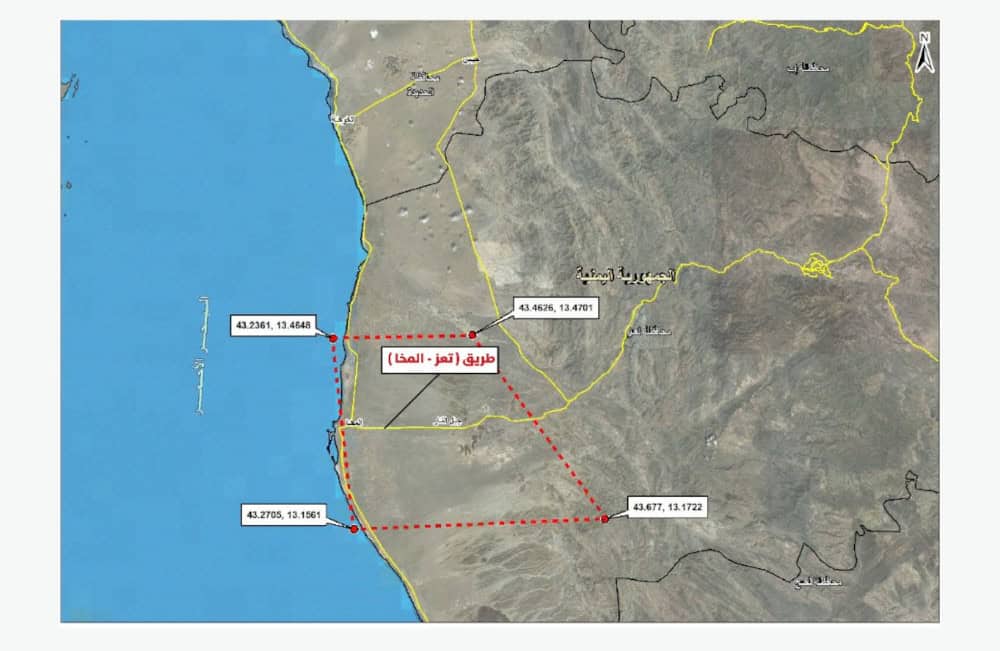
Houthis take Yemen’s Red Sea coast and key Bab al Mandeb islands
After launching a significant campaign against forces of the internationally recognized government of Yemen on August 6, the Houthis seized the entirety of Yemen’s Red Sea coast and a strategic island in the Bab al Mandeb Strait by September 11. A counteroperation by the Yemeni Armed Forces is contesting key territory along the strait. The post Houthis take Yemen’s Red Sea coast and key Bab al Mandeb islands appeared first on FDD's Long War Journal .

Persian Gulf states call off meeting with Iran as Houthis launch new attack on Saudi Arabia
Arab states in the Persian Gulf called off a meeting with Iran planned for Monday, while Yemen's Houthis launched a new attack on Saudi Arabia after fighting that has extended the Middle East war to another theatre and further jeopardized global oil supplies.

Yemen govt forces hit back as conflict with Houthis intensifies
The conflict in Yemen intensified on Sunday, as government forces launched attacks against Iran-backed Houthi rebels along the Red Sea and Houthis fired into neighboring Saudi Arabia, which supports Yemen’s government. The Yemeni government vowed to send more forces to the Red Sea coast and one official conceded a “painful” defeat last week when Houthis captured the port city of Mokha and an island on the Bab el-Mandeb Strait, a crucial shipping alternative to the Strait of Hormuz.

As Yemen conflict intensifies, Iran the winner?
The conflict in Yemen intensified on Sunday, as government forces launched attacks against Iran-backed Houthi rebels along the Red Sea and Houthis fired into neighboring Saudi Arabia, which supports Yemen’s government. It comes after Houthis captured the port city of Mokha and an island on the Bab el-Mandeb Strait, a crucial shipping alternative to the Strait of Hormuz. The adds pressure on global oil supplies and prices, and that could give Iran leverage in its war with the United States. Andrew Hilliar has more.

Oil Prices Surge as Middle East Attacks Continue and Diplomacy Stumbles
Oil prices initially jumped by over 3% in early Asian trade on Monday as fears of a major and extended supply disruption were stoked by continued attacks in the Middle East and the postponement of a crunch meeting between Gulf states and Iran. At the time of writing, both benchmarks had fallen back slightly, with WTI futures trading at $102.2 per barrel, 2.16% higher on the day, and Brent futures up 2.14% at $106.8 per barrel. Over the weekend, the Houthis claimed to have launched a large-scale missile and drone attack against Saudi…