← News
Topic · Organization

Stanford

37 articles

See also
📰

Latest Stanford articles

Stanford scientists turn a cancer driver into a kill switch

Stanford scientists turn a cancer driver into a kill switch

A Stanford-designed molecule turns a major lymphoma-promoting protein against cancer cells, activating their own self-destruct machinery instead of simply blocking tumor growth. In mice, the treatment completely eliminated aggressive human lymphoma tumors within 11 days, although much more testing is needed before it could reach patients.

Oct 8, 2026 · byScienceDaily
Goodbye joint replacements? Stanford scientists found a way to regrow cartilage and stop arthritis

Goodbye joint replacements? Stanford scientists found a way to regrow cartilage and stop arthritis

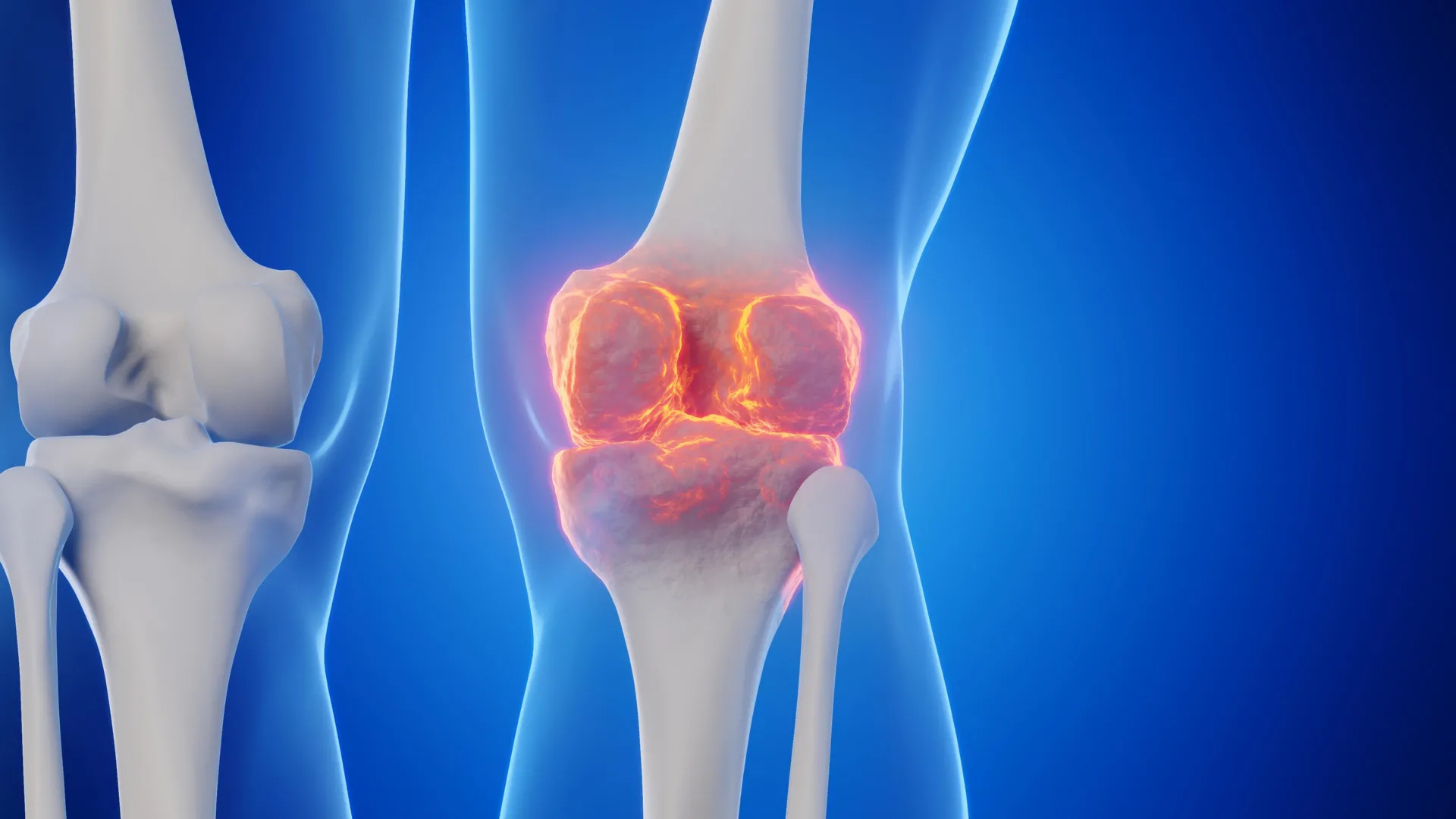
Scientists have found a surprising way to regrow damaged knee cartilage by blocking a protein that becomes more abundant with age. In old mice, the treatment restored naturally lost cartilage and also helped prevent osteoarthritis after ACL-like knee injuries, while human cartilage taken from knee replacement patients began producing new, functional joint cartilage after exposure to the same inhibitor.

Oct 6, 2026 · byScienceDaily
He won a Nobel Prize. Then he had to make the kids’ lunches

He won a Nobel Prize. Then he had to make the kids’ lunches

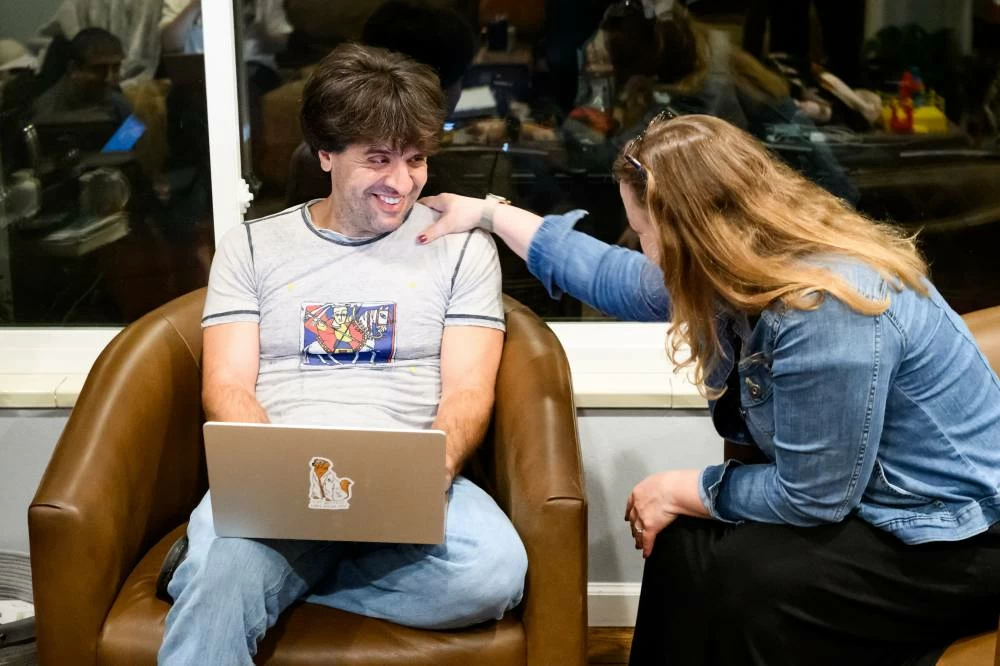
STANFORD, California : Dr. Karl Deisseroth spent hours fielding congratulatory calls after learning early Monday that he had won a Nobel Prize for medicine for helping to open a new field of brain science called optogenetics. But it wasn't long before the California scientist asked for a break from all the attention for a more ordinary task: He needed to make school lunches for his children, who were asleep in the family home in Stanford, where their father had been speaking in the middle of the night with journalists and well-wishers. Deisseroth, 54, shared this year’s medicine prize with two researchers in Germany for their work in optogenetics, a field that combines light with genes to switch on and off neurons in living brains. A self-described night owl, the Howard Hughes Medical Institute investigator and Stanford University professor often works past midnight. After reviewing papers and emailing his students, he said he had just gone to lie down when he got the call from the Nobel Assembly in Stockholm. "I almost felt as if I’d lost the power of forming words,” he told The Associated Press, "but I recovered after a minute or two.” He regained speech quickly enough for remote interviews with AP science reporters. Speedy emails with the Stanford communications staff had helped put them in touch. "No real sleep was achieved,” he said an hour after the announcement. As the science reporters chatted with Deisseroth over the phone and Zoom, an AP photographer and videographer raced to his home in Stanford. The photographer arrived around 3:30 a.m. to find Halloween decorations outside the home but just one light on inside. He was worried he had the wrong house before mustering the courage to knock on the door. Dr. Michelle Monje-Deisseroth, the scientist's wife, answered and ushered the photographer into their home, where the Nobel winner was taking calls from the couch. Monje-Deisseroth, an HHMI investigator and Stanford paediatric neuro-oncologist, was at his side when she wasn’t making coffee for the Stanford communications staff who had joined the celebration. Deisseroth was surprised to hear his work had been honoured with a Nobel Prize, he told the AP, but his wife was not. Deisseroth recounted the research he conducted with fellow Nobel winners Peter Hegemann and Georg Nagel, and its real-world impact. "For me, I’m a physician-scientist. I am a psychiatrist. I care about patients and my patients who have autism, who have depression,” he said. "I care about the hope that this brings. But I’m also a basic scientist, and I care about understanding this amazing organ, the brain, and how it works and how it integrates and computes and delivers all the things that make us human.” As Deisseroth wrapped up the interviews, he told the Stanford staff he needed an hourlong break beginning at 6:30 a.m. His kids would be waking up, he said, and they would need lunches before leaving for school. When one of the Stanford representatives wondered if the neighbours would mind all the late-night commotion, Monje-Deisseroth shrugged it off. They live in faculty housing, she said. There are a lot of Nobels in the neighbourhood.

Oct 6, 2026 · byMobile Business
Democracy blindsides Silicon Valley’s power players looking to transform the world with AI

Democracy blindsides Silicon Valley’s power players looking to transform the world with AI

‘The push against datacenters speaks to the frustration of people who don’t feel they are making the choices in their lives’ The Stanford ethicist Rob Reich was once invited to a dinner organized by a Silicon Valley mogul to discuss what a state designed to maximize science and tech powered by commercial models might look like. The gathered technologists were drawn to the idea of building a small nation-state dedicated to the endeavor, Reich recalls in “ System Error : Where Big Tech Went Wrong and How We Can Reboot it”. When Reich asked whether this state would be a democracy, he got a cool no. “Democracy is too slow, and it holds science back,” he was told. “To optimize for science, we need a beneficent technocrat in charge.” Continue reading...

Sep 27, 2026 · byThe Guardian
For the first time, scientists watch sound jump between quantum states

For the first time, scientists watch sound jump between quantum states

Stanford researchers have recorded the first real-time quantum jumps of sound, watching single phonons abruptly vanish from one energy state to another. The breakthrough could open new paths for quantum computing, error correction, highly sensitive biological sensors, and next-generation sound-based devices.

Sep 22, 2026 · byScienceDaily
Charges dropped against Stanford students over pro-Palestine protest

Charges dropped against Stanford students over pro-Palestine protest

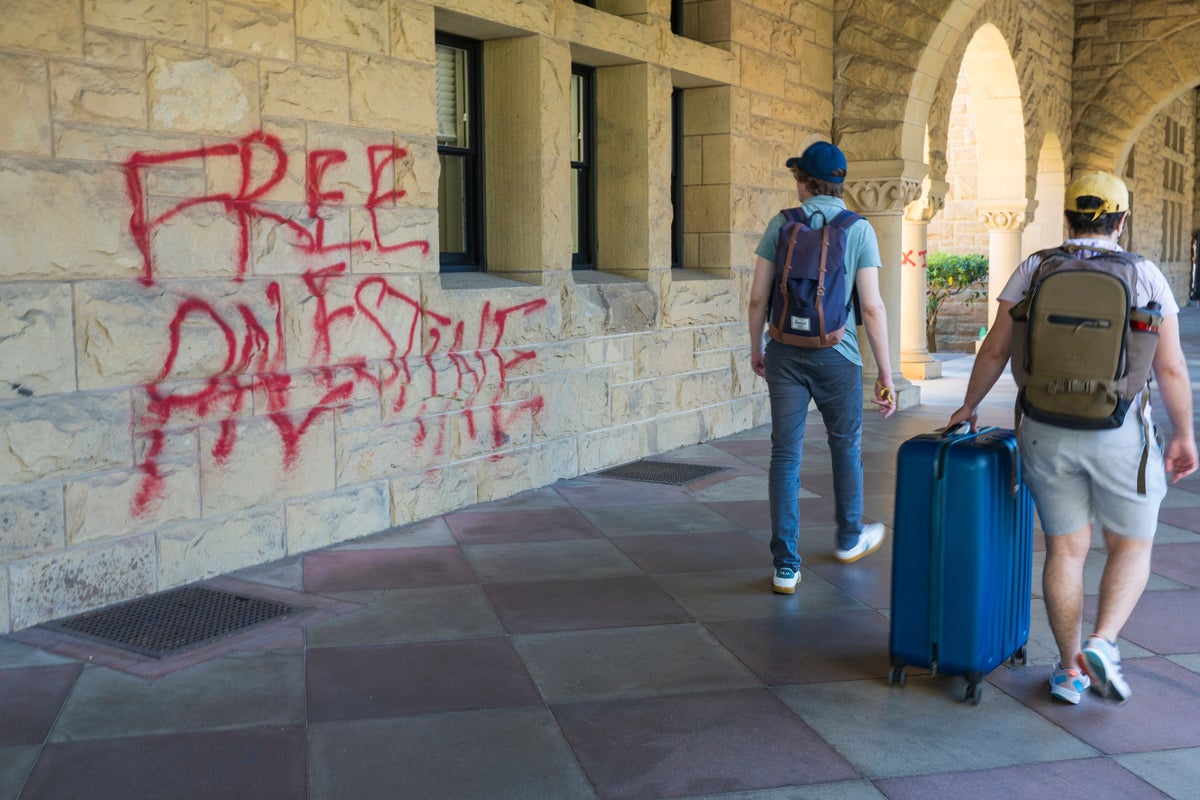
Students faced prison terms and thousands of dollars in restitution over campus protest against Israel’s war on Gaza Five Stanford University students who faced prison sentences and thousands of dollars in restitution in connection to a campus protest against Israel’s war on Gaza had all charges dropped on Monday. The students also had their restitution severely reduced, ending a two-year legal saga that also saw the lead prosecutor in the case removed by the court. Continue reading...

Sep 21, 2026 · byThe Guardian
Stanford scientists discover the human brain may actually be two separate organs

Stanford scientists discover the human brain may actually be two separate organs

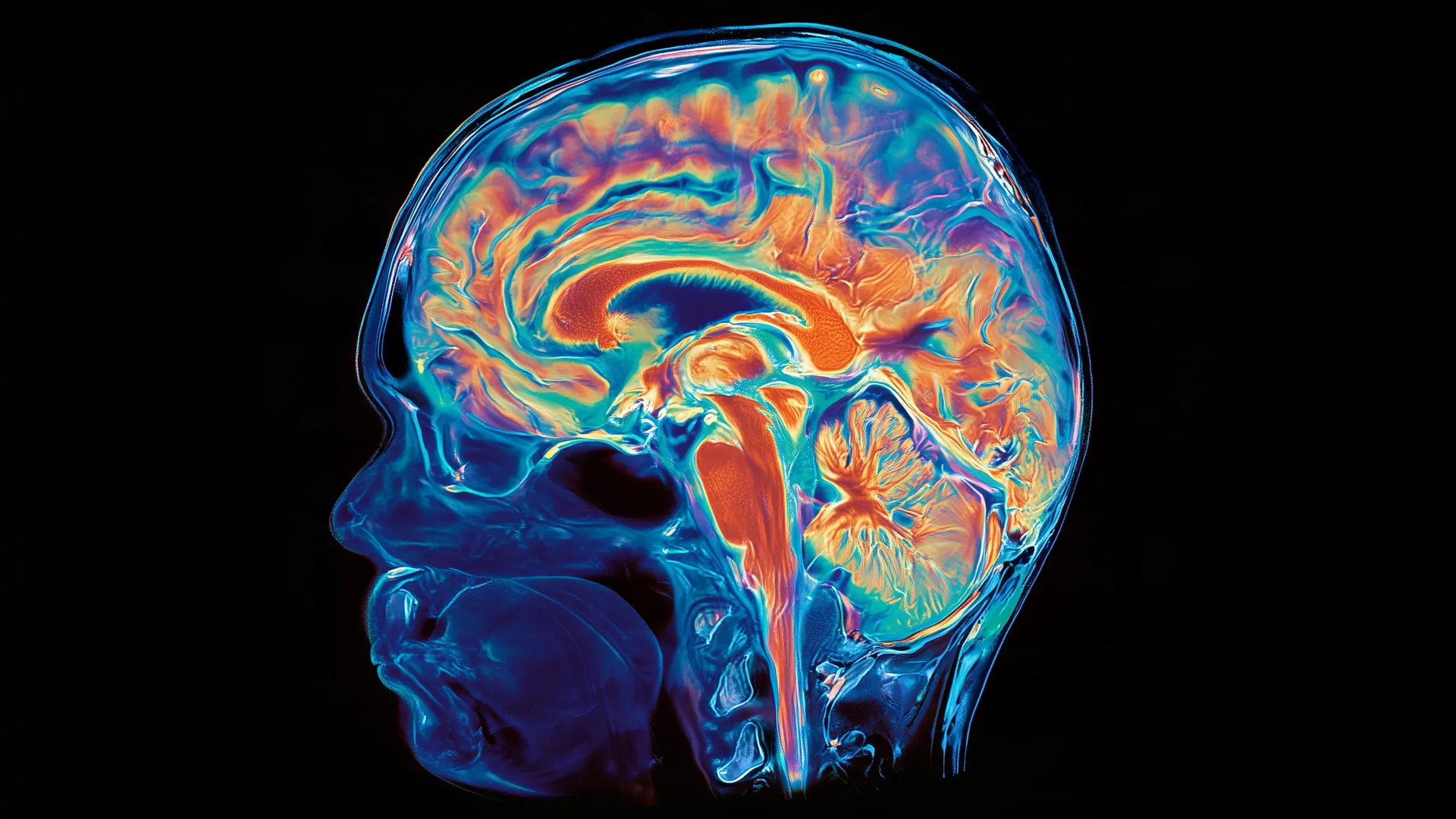
Scientists have found that the human brain develops from two distinct cellular systems, suggesting that evolution fused together two ancient nervous systems with very different jobs. The discovery also allowed researchers to grow human hindbrain neurons in the lab, opening new possibilities for studying ALS, spinal muscular atrophy, and other brainstem diseases.

Sep 21, 2026 · byScienceDaily
USA’s Solheim Cup inquest begins amid early celebrations and stats complaints

USA’s Solheim Cup inquest begins amid early celebrations and stats complaints

Losing captain frustrated by lack of in-play statistics Stanford offers warning to Ryder Cup leader Jim Furyk The latest inquest into failure by an American team on European soil involves slow greens, the perception of a premature celebration and a curious absence of statistical backup. Angela Stanford, whose Solheim Cup team were defeated by Europe in the Netherlands on Sunday, warned Jim Furyk’s Ryder Cup contingent to take note. Stanford used the numbers-based evidence of Justin Ray to assist with decision-making and Furyk will do likewise at Adare Manor next year. In the aftermath of the 15-13 defeat and assessing Ray’s input, Stanford clearly had an underlying gripe. “I’m wondering how honest to be,” she said. Continue reading...

Sep 14, 2026 · byThe Guardian
Stanford scientists discover a seafood that can reverse signs of aging

Stanford scientists discover a seafood that can reverse signs of aging

A substance found in edible sea squirts appeared to reverse several signs of aging in older mice. Plasmalogen supplements improved memory and learning, strengthened connections between brain cells, reduced inflammation, and even helped the mice grow thicker, darker hair. Researchers believe the compounds may encourage brain regeneration and protect aging synapses.

Sep 4, 2026 · byScienceDaily