EPA
38 articles
Latest EPA articles

Justices wrestle with procedural dispute over Air Force’s munition detonations in Guam
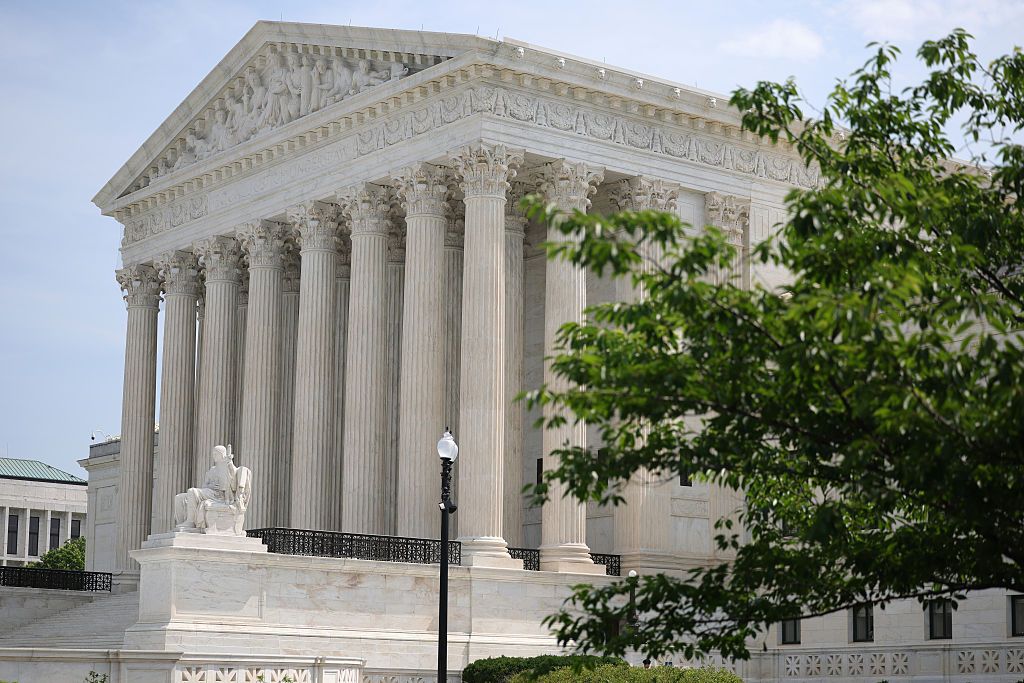
The Supreme Court on Wednesday grappled with a lawsuit brought against the U.S. Air Force by a group that describes its mission as protecting Guam’s environment and culture. During roughly 75 minutes of oral argument in Department of the Air Force v. Prutehi Guåhan , the justices questioned whether the Air Force’s application to renew a permit to detonate hazardous munitions on a beach in Guam was the kind of final action that the group could challenge now. On the other hand, they expressed some reservations about the impact of such a ruling. There are two laws at the center of the case. The first, the Resource Conservation and Recovery Act of 1976 , also known as RCRA, gives the federal Environmental Protection Agency the authority to regulate hazardous waste. It also allows the EPA to give states (and territories like Guam) the power to administer their own hazardous-waste programs. The second law, the National Environmental Policy Act of 1969 , or NEPA, establishes a process for the assessment of the environmental impact of a federal agency’s action, including the preparation of an Environmental Impact Statement before the agency takes “major Federal actions significantly affecting the quality of the human environment.” More than 40 years ago, the Air Force created a range to dispose of hazardous munitions such as ammunition, tear gas, and propellants, by (as relevant here) detonating them at Tarague Beach, adjacent to Andersen Air Force Base in northern Guam. In 2021, the Air Force submitted an application to Guam’s EPA to renew the RCRA permit that allows it to detonate munitions on Tarague Beach. A renewed permit would have allowed the Air Force to continue to dispose of munitions there through 2024. A few months after receiving the Air Force’s application, the Guam EPA issued a preliminary decision that “neither den[ied] nor approve[d]” the Air Force’s application. In January 2022, Prutehi Guåhan went to federal court in Guam, where it alleged that the Air Force violated the NEPA when it applied to renew its RCRA permit without including a detailed Environmental Impact Statement. A federal judge granted the Air Force’s motion to throw out the case. She ruled (among other things) that Prutehi Guåhan had filed the case too soon, because the Guam EPA had not yet ruled on the permit application. Moreover, she added, the Air Force was not required to comply with the NEPA in applying to renew its permit. A divided three-judge panel of the U.S. Court of Appeals for the 9th Circuit reversed that ruling and revived Prutehi Guåhan’s case. The Air Force went to the Supreme Court last November, asking the justices to weigh in. Representing the Air Force, Assistant to the U.S. Solicitor General Sopan Joshi told the justices that “[a] permit application is not final agency action” but instead “a request to someone else to take action” that “triggers a back-and-forth process whose outcome is, by definition, a moving target until a decision on the permit is issued.” He added that “RCRA is a comprehensive statute specifically targeting hazardous waste and specifically specifying which environmental review must occur at each step of a reticulated permit process.” Prutehi Guåhan, Joshi said, cannot simply impose all of NEPA’s requirements on an RCRA application, because doing so would be “inconsistent with RCRA’s specification of when each of those requirements should occur through the permitting process.” Caroline Flynn, representing Prutehi Guåhan, countered that NEPA “is meant to be harmonized with other environmental laws,” like RCRA. “It is what agencies call an umbrella law,” she said: “It is meant to consolidate and streamline all required environmental analysis at an early juncture to ensure a better decision and better planning.” And Prutehi Guåhan is entitled to review of the “Air Force’s decision to continue [open detonation] at this location and submit[] the renewal application,” she contended, because that decision “was not tentative.” Much of the argument focused on whether the Air Force’s application to renew its RCRA permit was the kind of “final agency action” that courts can review at all. Justice Clarence Thomas called the dispute before the court an “odd” one, noting that it involved the Air Force seeking permission from the Guam EPA to do something. He also questioned whether there was another example in which the Supreme Court has found such action by a federal agency to be final. Justice Ketanji Brown Jackson also suggested that there was a “finality problem” in the dispute. Here, she said, “we have the Air Force making a proposal that is subject to totally being rewritten and redone by” the Guam EPA. In fact, she posited, “we don’t even know in this situation what the final terms” of the Air Force’s permit will be. Flynn pushed back, telling the court that it “has been clear that the possibility of revision of the agency’s decision” does not make that decision non-final. Justice Elena Kagan also expressed skepticism, telling Flynn that “there is a gigantic contingency here and the permit might not be issued in the way that the Air Force would like it to be issued.” It might make more sense, Kagan suggested, for a court to consider the Air Force’s obligations under NEPA “once we know what the permit is going to look like.” Flynn resisted that suggestion, telling Kagan that “the whole point of NEPA is to make sure that” analysis of the environmental effects of a federal agency’s actions takes place before the ball gets rolling. On the other hand, some justices expressed concern that, if the Air Force’s application to renew its RCRA permit is not a final action, groups like Prutehi Guåhan might face difficulty in challenging the Air Force’s decision to continue to detonate hazardous wastes at Tarague Beach because the RCRA permit decision is made by the Guam EPA. Joshi indicated that groups like Prutehi Guåhan could bring a lawsuit against the Guam EPA on the NEPA issue, although he said that he did not “think that claim would have merit.” He later added that if a permit were issued and the Air Force eventually “issues an order and does something,” that could also form the basis for a lawsuit. Justice Sonia Sotomayor said that seemed “a little counterintuitive for us to say we have no jurisdiction” over Prutehi Guåhan’s claims right now because there had not been any final agency action, while still leaving open the possibility that an agency like the Guam EPA could ultimately say that the Air Force was required to comply with NEPA. “You’re … inviting litigation to unravel perhaps years of work,” she told Joshi. Justice Amy Coney Barrett expressed concern about the broader implications of agreeing with Prutehi Guåhan that the Air Force’s submission of an application to renew its RCRA permit was a “final action” that allowed the group to file a lawsuit. Would it open the floodgates, she asked, to other lawsuits challenging permitting decisions? Flynn responded that it would not. She emphasized that (among other things) Prutehi Guåhan could not use its lawsuit against the Air Force as an avenue to challenge “whatever decision Guam EPA makes.” Moreover, she stressed, the group’s claim is a “procedural” one that “focuses on the decision-making of the federal entity. So the only kinds of claims that can be brought under a theory like this are ones where there is a law that applies to the decisionmaker of the federal agency as the permittee.” Joshi disagreed, however, telling the court that “the floodgates are real.” If an RCRA application is a final agency action because a federal agency has submitted it, he contended during his rebuttal, every application will trigger a lawsuit, regardless of whether it is based on procedural questions. “[T]he whole point of the finality rule,” he concluded, “is to [channel] all of the challenges into a single proceeding at the end.” To the extent that the court did address the interaction between NEPA and RCRA, several justices appeared to agree with Flynn that the two could be reconciled, such that RCRA does not necessarily supersede NEPA’s requirements. Sotomayor, for example, asked Joshi to explain how the two statutes are “irreconcilably conflict[ed].” NEPA, she suggested, applies before the decision is made, while RCRA applies during the decision-making process. Moreover, she added, there are some laws in which Congress specifically lifts NEPA’s obligations. Justice Neil Gorsuch echoed Sotomayor’s sentiment, asking Joshi whether the court has usually said that “if you can comply with both of Congress’ commands, you should do so?” And in Gorsuch’s view, although there may be some “duplication” between the two laws, “there’s no conflict.” A decision in the case is expected sometime next year.
 Oct 7, 2026 · bySCOTUSblog
Trump to propose relaxing methane rules for oil and gas industry
The Trump administration will propose to loosen restrictions that rein in methane from oil and gas production, it announced Wednesday. The Environmental Protection Agency (EPA) said in a press release that in the coming days, it will propose changes to Biden-era regulations. It did not release a specific proposal but said it would make changes…
 Oct 7, 2026 · byThe Hill
Supreme Court weighs case over Air Force detonating munitions in Guam
The Supreme Court on Wednesday wrestled with a case about whether the Air Force needs to conduct environmental review before its munitions detonations in Guam. An environmental group, Prutehi Guåhan, has sued, saying that the decision to file a permit renewal application with the Guam Environmental Protection Agency (EPA) constitutes an agency action that triggered…
Oct 7, 2026 · byThe Hill
DC Circuit grills EPA over reclassification of toxic chemical emission standard
In January 2020, the agency enacted new standards allowing industrial facilities to emit up to 25 tons of chemicals like mercury and arsenic.
Court to hear argument in dispute over Air Force’s detonation operations in Guam
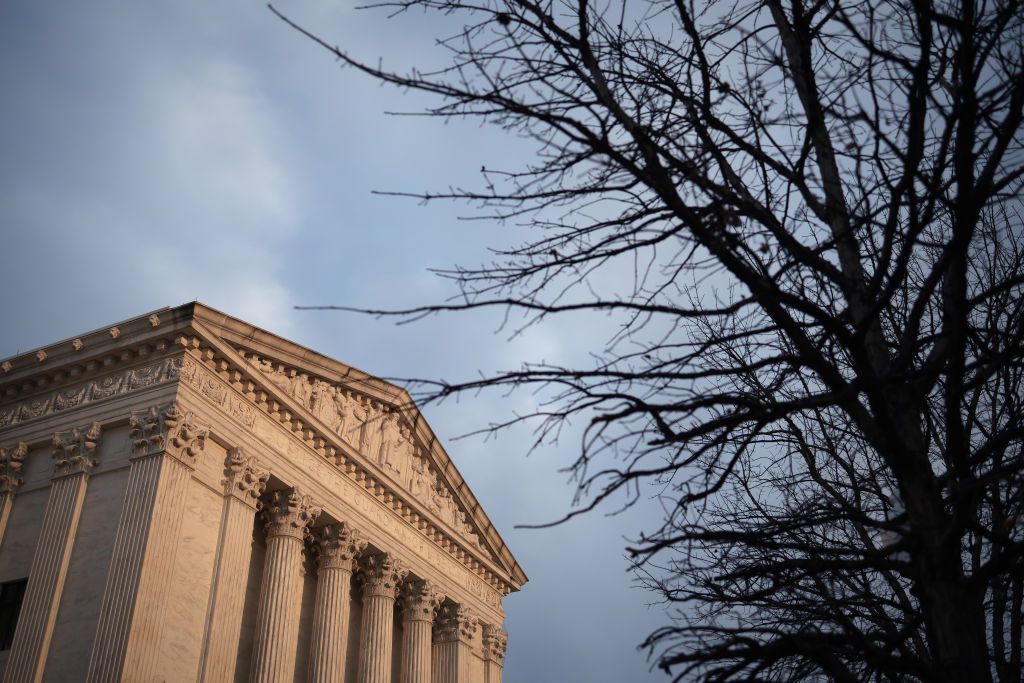
The Supreme Court will hear oral argument on Wednesday in a battle over the U.S. Air Force’s efforts to continue disposing of munitions by detonating them on a beach in northern Guam. The legal questions in Department of the Air Force v. Prutehi Guåhan are highly technical and center on the interaction (or lack thereof) between two federal environmental laws. The Air Force has asked the justices to reverse the decision against it by a federal appeals court, arguing the circuit court’s “sweeping” ruling “‘will have massive implications beyond this case.’” But the Guam-based group challenging the Air Force’s actions counters that it is simply asking the Air Force to “meaningfully consider the impacts of and alternatives to the[] open-detonation operations, including less sensitive locations,” and to do so “ before the agency decides to move forward.” A 1976 law, the Resource Conservation and Recovery Act , gives the federal Environmental Protection Agency the power to regulate hazardous waste. The law, often known as RCRA, also allows the EPA to authorize states (and territories like Guam) to administer their own hazardous-waste programs. A separate law, the National Environmental Policy Act of 1969 , or NEPA, outlines the process to assess the environmental impact of a federal agency’s action, including the preparation of an Environmental Impact Statement before the agency takes “major Federal action[] significantly affecting the quality of the human environment.” At Tarague Beach, adjacent to Andersen Air Force Base in Guam, the Air Force has created a range to dispose of hazardous munitions such as ammunition, tear gas, and propellants, by (as relevant here) detonating them. In May 2021, the Air Force applied to Guam’s EPA to renew the RCRA permit that lets it detonate munitions on Tarague Beach. If the permit were renewed, it would have allowed the Air Force to continue to dispose of munitions there through 2024. In October of 2021, the Guam EPA issued a preliminary decision that “neither den[ied] nor approve[d]” the Air Force’s application. In January 2022, a group known as Prutehi Guåhan – which describes itself as a “Guam-based organization dedicated to protecting the island’s natural and cultural resources and the well-being of its people” – filed a lawsuit against the Air Force in federal court in Guam. It contended that the Air Force violated the NEPA when it submitted its application to renew its RCRA permit without including a detailed Environmental Impact Statement. Chief U.S. District Judge Frances Tydingco-Gatewood granted the Air Force’s motion to throw out the case. She ruled (among other things) that Prutehi Guåhan had filed the case too soon, because the Guam EPA had not yet ruled on the permit application. Moreover, she added, the Air Force was not required to comply with the NEPA in applying to renew its permit. A divided three-judge panel of the U.S. Court of Appeals for the 9th Circuit reversed that ruling and reinstated Prutehi Guåhan’s case. The Air Force went to the Supreme Court last November, asking the justices to weigh in. There are two questions before the justices next week. The first is whether the Air Force’s application to renew its RCRA permit was the kind of “final agency action” that courts can immediately review under the Administrative Procedure Act, the federal law governing administrative agencies. The Air Force insists that it was not. For purposes of the APA, an agency action must meet two criteria to be considered “final,” U.S. Solicitor General D. John Sauer writes. First, it must represent the end of the agency’s decision-making process; and, second, it must “determine legal rights or obligations.” But, Sauer argues, neither of those things happened when the Air Force applied to renew its permit to detonate munitions at Tarague Beach. Instead, he says, the application “is simply the initial step of an ongoing regulatory process, and it entails no meaningful legal consequences until Guam EPA grants or withholds a new permit.” Prutehi Guåhan pushes back , stressing that the “the Air Force has made up its mind to continue [open detonation] at Tarague Beach beyond 2021. There is nothing suggesting that the Air Force’s decision was tentative or still under review within the agency.” To the contrary, the group says, because the Guam EPA has still not acted on the Air Force’s permit application, the Air Force “has in fact continued operations under” its prior permit “for nearly five years.” “There is nothing to be gained,” the group concludes, by requiring it “to wait to challenge the Air Force’s decisionmaking under NEPA until a different entity makes a decision under a different law.” The second question before the justices is whether the federal government is required to comply with NEPA’s general environmental-review procedures before it applies to renew a RCRA permit. For the Air Force, the answer to this question is also “no.” It emphasizes that “NEPA is a purely procedural statute that generally requires federal agencies to consider the environmental effects of their actions, but that does not specifically address hazardous waste.” Because RCRA “imposes its own detailed environmental-review procedures” explicitly for hazardous wastes, the Air Force says, it “is accordingly the functional equivalent of, and thus displaces, NEPA’s similar but much more generalized requirements.” Prutehi Guåhan, on the other hand, argues that NEPA’s requirements can be superseded by those of another environmental law “only if that law says so … or there is a clear conflict between the two.” RCRA, the group says, does not meet either of those requirements. Congress enacted NEPA, it argues, to “streamlin[e] analysis under different environmental laws in one place at an early juncture” – precisely the purpose that requiring the Air Force to provide an Environmental Impact Statement with its RCRA permit-renewal application would serve. But “[i]f that is truly too burdensome for” the Air Force, the group continues, it “can ask Congress to create an exemption to NEPA for RCRA permitting. But this Court should not pencil one in.”
Oct 5, 2026 · bySCOTUSblog
21 States Sue EPA to Reinstate Climate Pollution Rules for Power Plants
More than 20 states, including North Carolina, New York, California and Pennsylvania, as well as several cities, are suing the U.S. Environmental Protection Agency over its repeal of most greenhouse gas emissions standards for coal- and natural gas-fired power plants. The agency’s proposal would also thwart future administrations from reinstating the rule. The state attorneys […]
 Oct 2, 2026 · byInside Climate News
‘Third country’ deportation can resume, US supreme court rules | First Thing
Trump administration can deport immigrants to countries other than their homeland. Plus, 550lb bear returns to LA neighborhood Good morning. The supreme court has ruled the Trump administration can resume deporting immigrants to “third countries” , or countries other than their homeland, without giving them any opportunity to contest their removals. The six-justice conservative majority of the high court temporarily lifted a decision by a lower court that required the administration to provide immigrants sufficient notice and the opportunity to claim fear of torture or persecution in the countries where they were being sent. What has the administration asked the supreme court to rule on about trans prisoners? The administration asked the justices to allow it to deny gender-affirming care to transgender people in federal prisons. The solicitor general, D John Sauer, wrote that gender-reassignment surgeries, hormone therapy and social accommodations such as undergarments, makeup, padding and wigs “could no longer be justified.” Why is the EPA union suing the administration? The union, which represents more than 8,000 workers at the Environmental Protection Agency, has filed a lawsuit against the EPA and the agency’s administrator, Lee Zeldin, alleging it illegally terminated a collective bargaining agreement. Which legal battle has Trump appeared to have conceded? The president has agreed to stop fighting the disbursement of E Jean Carroll’s $5m verdict in her 2023 sexual abuse and defamation civil trial against him, a procedural development as the funds had already been distributed to her. What new product has OpenAI announced? Less than 24 hours after OpenAI said it would scrap the launch of a model over safety concerns, the company debuted a whole new suite of artificial intelligence tools , including “dots”, agents it said were “more ambitious” than ChatGPT and a “whole new way to work with AI.” Why is Greta Garbo making AI headlines? More than a century after her screen debut and decades after she was laid to rest, the actor has been reanimated by AI for a Swedish advert. Peter Bradshaw has given it a damning one-star review . Continue reading...
 Sep 30, 2026 · byThe Guardian
EPA to ‘reconsider’ air quality rules as Texas faces diesel price ‘disaster’
The Environment Protection Agency (EPA) announced on Tuesday it would “reconsider” air-quality regulations amid Texas’s diesel price “disaster.” The letter sent by EPA Administrator Lee Zeldin to Texas Gov. Greg Abbott (R) responded to concern from officials in the Lone Star State that Biden and Obama-era rules are causing “significant economic harm.” “Texas should not…
Sep 29, 2026 · byThe Hill
Daimler: concerned about using cash to avoid new NoX rules
Noncompliance penalties in the proposed amendments to the EPA NoX rule are being objected to by Daimler. The post Daimler: concerned about using cash to avoid new NoX rules appeared first on FreightWaves .
 Sep 29, 2026 · byFreightWaves
Texas declares disaster as diesel prices soar, seeks EPA waiver
Abbott's measures may stabilize fuel prices but are unlikely to significantly shift voter sentiment or alter the political landscape in Texas. The post Texas declares disaster as diesel prices soar, seeks EPA waiver appeared first on Crypto Briefing .
 Sep 28, 2026 · byCryptoBriefing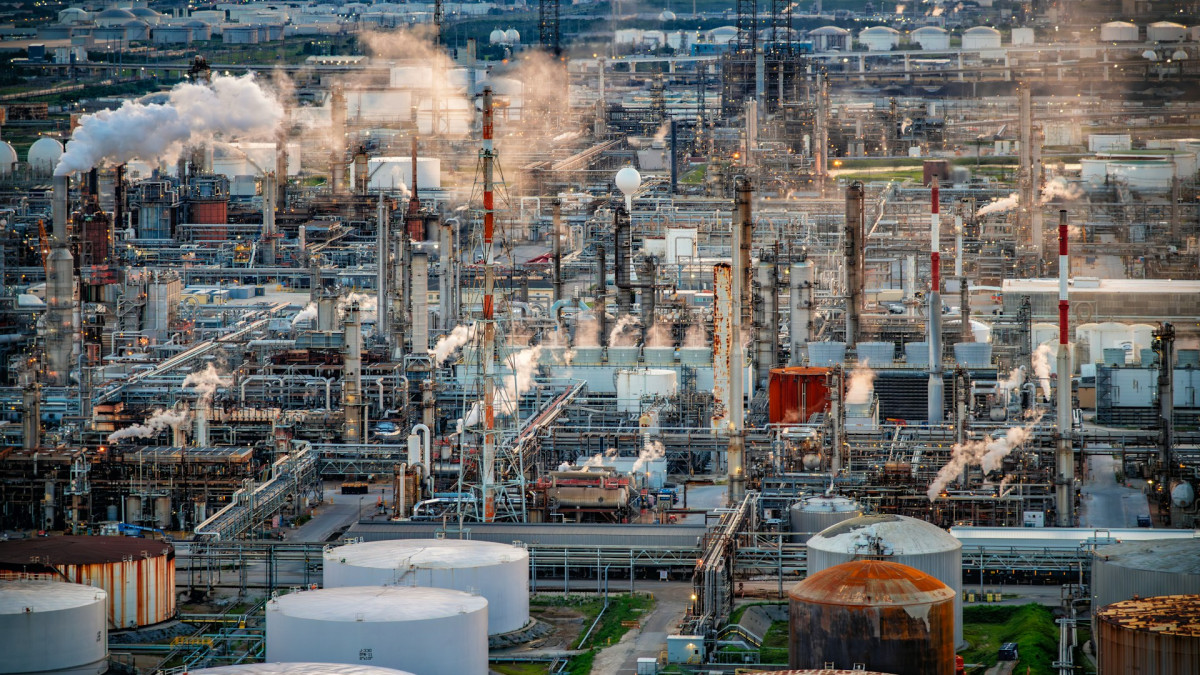
EPA Power Plant Rollback To Add 123 Million More Tons of CO2
The U.S. Environmental Protection Agency (EPA) announced in September that it will relinquish its authority to regulate greenhouse gas emissions from power plants under the Clean Air Act, a tool previously used to tackle climate change. This effectively removes any limits on emissions from coal and gas plants and reduces the government’s ability to curb this pollution. When the carbon pollution standards for power plants were introduced under the Biden administration in 2024, the EPA said it expected the new rules to reduce greenhouse gas…

Datacenter developers accused of skirting key US pollution rules
Firms manipulating process to avoid emission controls and scrutiny of their projects, environmental groups warn Datacenter developers are manipulating the EPA’s air pollution permitting process to avoid emission controls and scrutiny of their projects, environmental advocates allege. Companies need federal permits to emit a range of pollutants. In their permit applications, some in big tech are avoiding “major” reviews by dividing their emissions sources into separate, multiple “minor” sources that require less regulatory oversight, the advocates say. Continue reading...
Sep 27, 2026 · byThe Guardian
Revealed: the undisclosed safety data emerging as weedkiller maker faces Parkinson’s lawsuits in US
Syngenta denies keeping relevant data from the EPA as paraquat stays in the US market despite global bans Sweden started ringing the alarm bell more than 20 years ago, calling for a ban on the weedkilling chemical paraquat in 2004. One by one, dozens of other countries did the same as evidence of paraquat risks to human health mounted. Even the Chinese government, which owns the longtime paraquat maker Syngenta , halted domestic use of the pesticide a decade ago after conducting its own studies on paraquat safety and finding troubling results. In the US, two states – Vermont and California – have recently also banned paraquat, citing risks that include an association between paraquat and Parkinson’s disease shown in years of scientific research. And California regulators announced in August that paraquat makers voluntarily agreed to stop selling the chemical after the state identified health concerns in connection with its use in new research. Several federal lawmakers have pushed for a nationwide ban. Continue reading...
Sep 25, 2026 · byThe Guardian
US environment agency let Bayer pick regulations for destructive weedkiller, documents show
Environmental Protection Agency asked firm to choose rules it wanted for dicamba, then put the choices in a proposed federal rule The EPA allowed pesticide giant Bayer to pick from a menu of regulation options for the controversial and destructive weedkiller dicamba, newly released internal agency documents show. The documents provide an unusually clear look into the process of developing pesticide regulations, which is typically done out of public view. It shows in detail how the EPA asked Bayer which regulations it wanted, received a response from Bayer, then put Bayer’s choices into a proposed federal rule. Continue reading...
Sep 20, 2026 · byThe Guardian
Court reinstates $7B ‘Solar for All’ program axed by Trump
A federal court has rebuffed the Trump administration’s effort to slash a $7 billion program that seeks to provide rooftop solar power in disadvantaged communities. Judge Mary McElroy, a Trump appointee in Rhode Island, vacated the Environmental Protection Agency’s (EPA) move to terminate the Solar For All (SFA) program and claw back the funding. The program in question…
Sep 18, 2026 · byThe Hill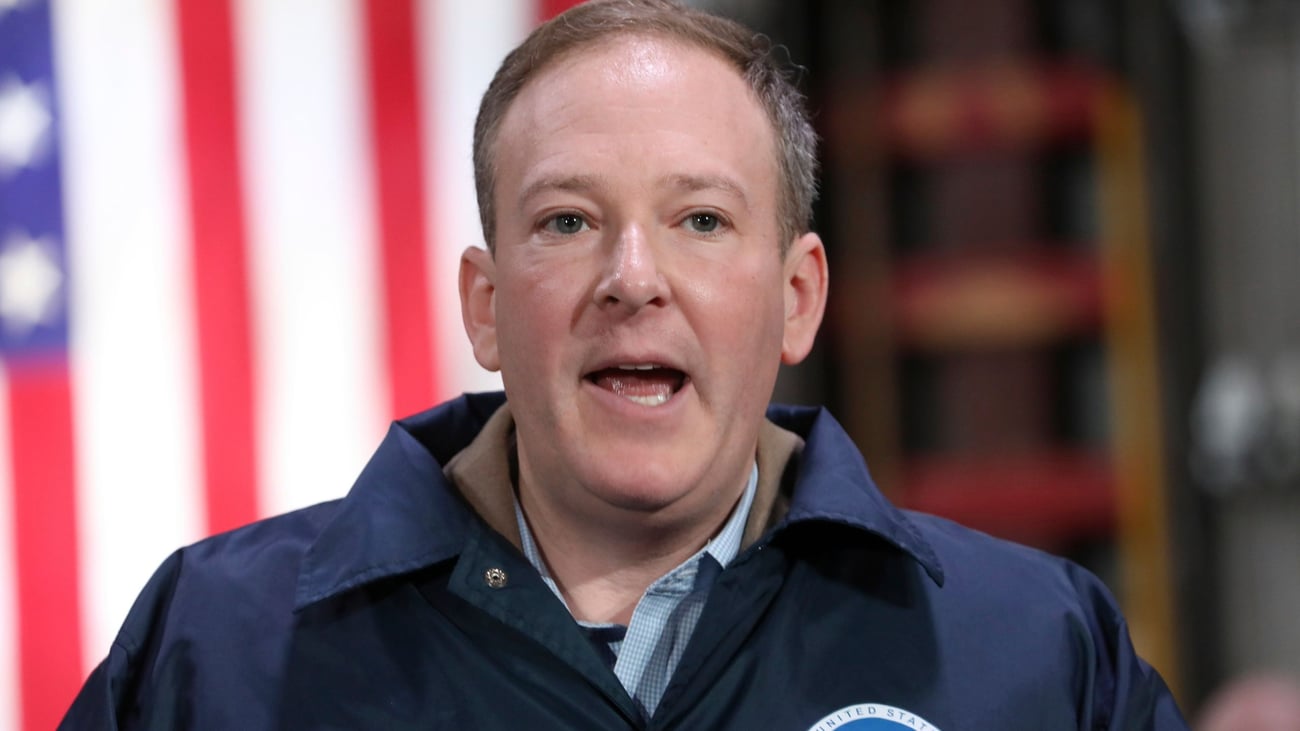
Conservationists sue EPA for records on lobbyists’ role in pesticide approval
The Center for Biological Diversity says the agency has delayed by more than a year production of communications between former soybean and chemical industry lobbyists turned politically appointed policymakers who jump-started the approval of the controversial pesticide dicamba.

Environmentalists ask Ninth Circuit to revive lawsuit over pesticide-coated seeds
A judge previously ruled the EPA reasonably interpreted its regulations when it denied a petition from advocacy groups asking that treated seeds be registered under federal law.
US Revokes Limits on Power Plants’ Climate Pollution
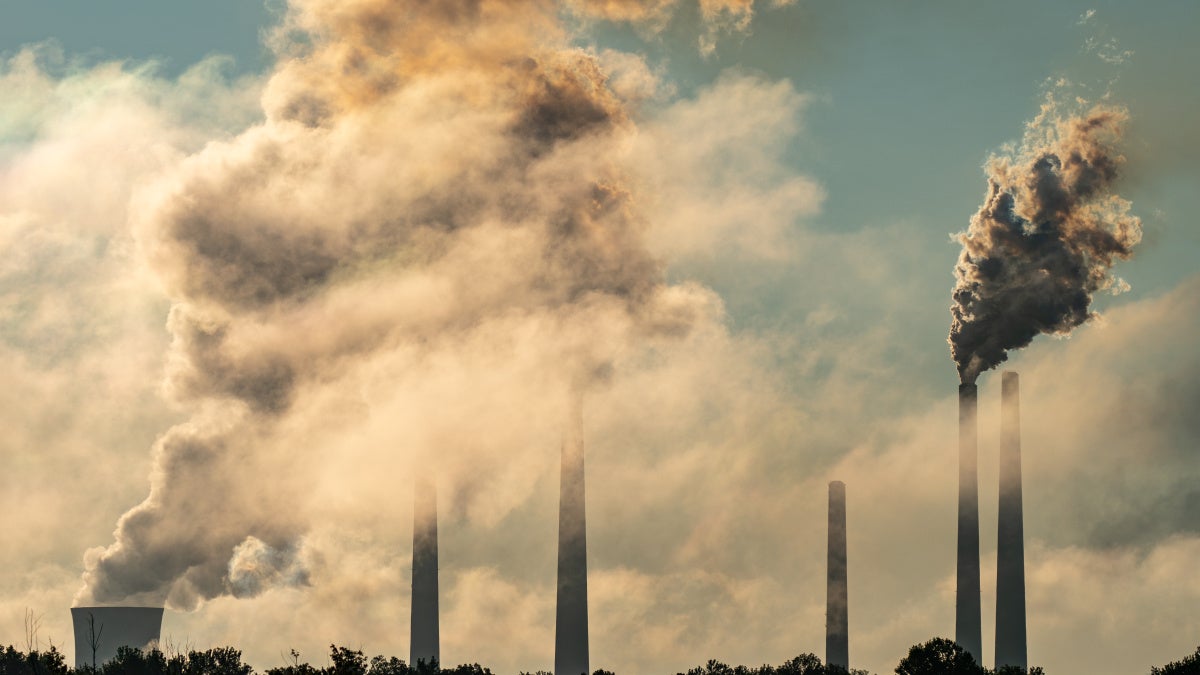
Click to expand Image Pollution and steam are seen rising from the stacks of the Miami Fort Power Station along the Ohio River, in North Bend, Ohio, on July 23, 2026. © 2026 Jason Whitman/NurPhoto via AP Photo The United States Environmental Protection Agency (EPA) announced on September 14 that it is repealing limits on climate-warming pollution from coal and gas-fired power plants, the second largest source of greenhouse gas emissions in the country. By gutting the 2024 Carbon Pollution Standards, the EPA is eliminating most of the limits on power plants’ carbon emissions. The move is one of the Trump administration’s most significant attacks yet on the US government’s ability to confront the climate crisis and protect communities devastated by pollution. The 2024 standards required existing coal plants and new gas plants to capture 90 percent of carbon emissions or shut down by 2039, which would have reduced carbon pollution by an estimated 1.38 billion metric tons through 2047. The Biden-era rule was also projected to help reduce power plants’ emissions of health-harming pollutants, including sulfur dioxide, nitrogen oxides, and fine particulate matter. Human Rights Watch has documented how these pollutants from industrial operations can degrade air quality and harm the health of communities living nearby. Our research in countries like Bulgaria, Bosnia and Herzegovina, and Türkiye has shown how coal-fired plants, in particular, can emit pollution that contributes to dangerous levels of air pollution. The Biden administration estimated that the 2024 Carbon Standards would prevent 1,200 deaths and 360,000 asthma attacks in the US in 2035 alone. The EPA claimed its repeal of the 2024 standards would save businesses $370 million in regulatory costs but did not say what the costs to public health would be. In January, the agency said it would no longer factor in health costs when estimating the economic impact of pollution limits. In its announcement rescinding the 2024 carbon standards, the EPA also proposed removing “all remaining greenhouse gas emissions requirements for power plants,” arguing these emissions do not impact climate change. In 2025, the agency also revoked its 2009 finding that greenhouse gases endanger public health, a finding grounded in scientific evidence that had provided a legal foundation for federal regulation of greenhouse gas emissions. While the Trump administration mounts a full-throated denial of decades of scientific evidence, communities across the country—and the world—are already contending with the consequences of the climate crisis. The EPA should restore the 2024 standards and strengthen its regulation of the fossil fuel industry.
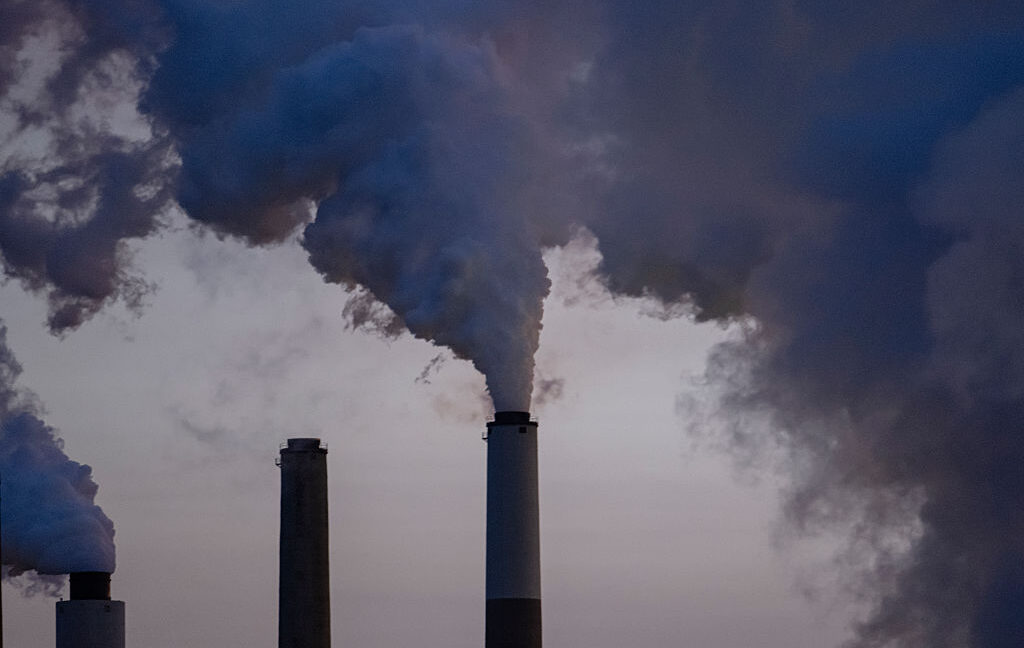
EPA immediately sued over plans to repeal climate rules for power plants
Public health groups warn EPA rule will cost Americans billions in health bills.
 Sep 17, 2026 · byArs Technica
Court tosses EPA restrictions on highly toxic paint stripper chemical
A federal appeals court this week threw out an Environmental Protection Agency (EPA) rule that banned most uses of a highly toxic chemical used as a paint stripper. The EPA has said that the chemical in question, known as methylene chloride (MC), is “likely to be carcinogenic to humans.” When it put forward the rule…
Sep 16, 2026 · byThe Hill
Trump EPA’s arguments for letting power plants spew unlimited pollution ‘dead wrong’
Claims that dismantling pollution rules will lower energy bills and have little climate impact are far from convincing In allowing US power plants to emit any amount of planet-heating pollution they wish to, the Trump administration made two striking claims – that this will cut Americans’ electricity bills and that the pollution itself doesn’t really matter anyway. Both claims struggle to stand up to even basic scrutiny. On Monday, the Environmental Protection Agency (EPA) said it would erase any limits on emissions from coal and gas plants that are dangerously heating up our planet. This move, which follows a similar dismantling of pollution limits from cars ands trucks, is part of a broader push to eliminate the longstanding legal authority of this, or any future, US administration to deal with the climate crisis. Continue reading...
Sep 16, 2026 · byThe Guardian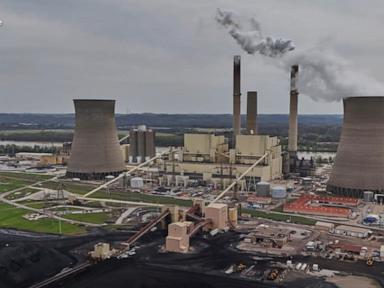
WATCH: What to know as EPA announces repeal of power plant emissions limits
The agency's own data shows the power industry is the second-largest source of greenhouse gas emissions.
 Sep 15, 2026 · byABC News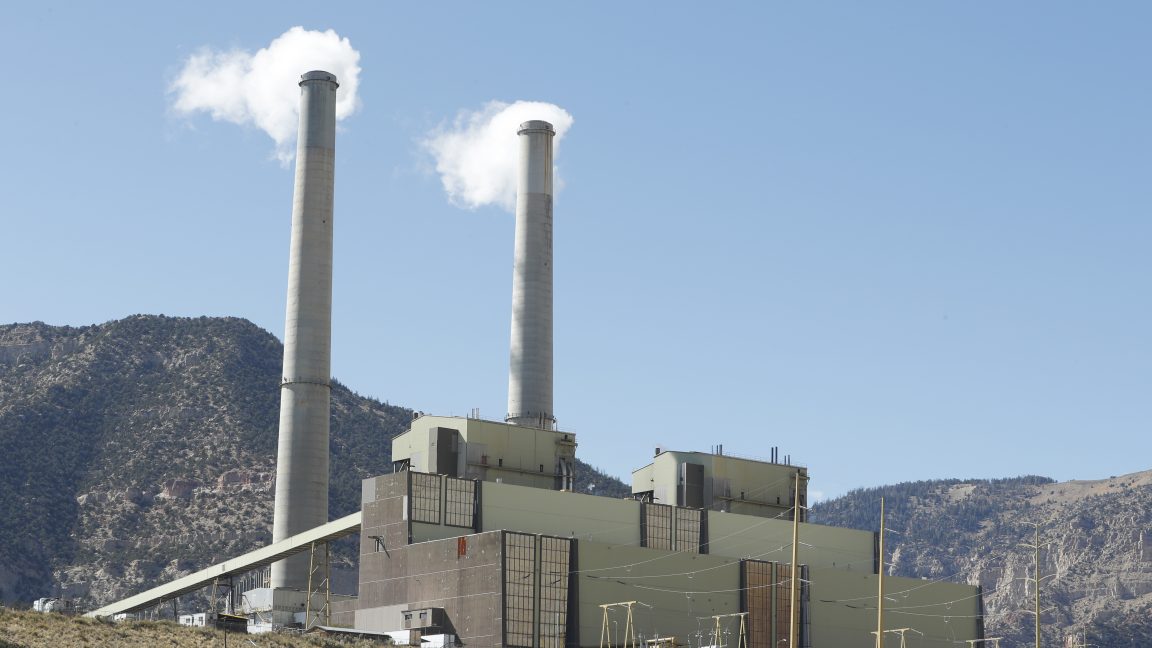
Trump EPA moves to wipe out climate rules for power plants
EPA says power plant emissions have no material impact on climate change.
Sep 15, 2026 · byArs Technica