Bardem calls for P!nk to be removed as UNICEF ambassador over Palestine stance
UNICEFneutral
 Sep 23, 2026 · byEuronews
32 articles

Spanish actor Javier Bardem has shared an Instagram story urging people to sign a Change.org petition calling for US singer P!nk to be removed as a UNICEF ambassador; the campaign has already gathered over 150,000 signatures.
Sep 23, 2026 · byEuronews
Country: World Source: UN Children's Fund Please refer to the attached file. The International Classification of Violence Against Children (ICVAC) was developed by UNICEF to address the pressing need for internationally aligned definitions, principles, and standards in measuring and monitoring violence against children (VAC). • Global Standard to Measure VAC: The ICVAC establishes internationally agreed operational concepts, definitions, and principles to ensure a standardized and consistent approach to producing statistical data on VAC, irrespective of a national legal context. • Comprehensive Tool for All Types of Data: The ICVAC is applicable to all types of data on VAC, including administrative records as well as data collected in dedicated surveys on VAC or generic surveys that include questions on such violence. • Catalyst for Enhances Understanding and Action: The ICVAC incorporates a set of policy-relevant disaggregating variables based on victim, perpetrator and circumstances of the act, that greatly assist cross-national analysis of patterns and trends in VAC and its enabling and mitigating factors.
 Sep 23, 2026 · byReliefWeb
AstraZeneca has re-upped its UNICEF-partnered Young Health Programme, committing to a new five-year phase that will move total investment in the initiative above $100 million.

Countries: Djibouti, Yemen Source: UN Children's Fund Please refer to the attached file. Highlights As of 18 September 2026, according to the Ministry of Social Affairs and Solidarity, just over 3,100 people have arrived in Djibouti from Yemen. Nearly half of them are children, including 523 children aged five and under. The pace of arrivals has slowed down since 16 September, reportedly due to fuel shortages in Yemen. However, authorities anticipate a possible new surge, and partners continue to plan for up to 10,000 people, in line with the Government appeal launched on 16 September. UNICEF and the Djiboutian Red Crescent (CRD) have established five water points in Markazi village, with a total storage capacity of 37 m³. The response also included the installation of 10 emergency latrines reserved for women and girls and the connection of the Markazi health post to the water supply. Public health risks remain high. Contributing factors include overcrowding, confirmed scabies cases and a high risk of waterborne disease. Health authorities report a high proportion of acutely malnourished and zero-dose children among those screened at the Markazi health post. One unaccompanied child has been identified to date. He has been placed in a vetted family-based care arrangement, and the family was jointly assessed by UNICEF and the Ministry of Women and Family (MFF). UNICEF requires USD 3 million to respond to the needs of up to 10,000 people over 6 months. SITUATION UPDATE Following the sharp acceleration of arrivals between 11 and 14 September, the rate of new arrivals has declined, reportedly due to fuel shortages in Yemen limiting sea crossings. As of 18 September, according to the Ministry of Social Affairs and Solidarity (MASS), 3,106 people have arrived from Yemen. This includes refugees identified through ongoing door-to-door registration in host communities. Nearly half of them are children, including 523 children aged five and under. The situation nevertheless remains fluid. According to the Prefecture, a significant number of Yemenis are gathered in Al Arah, the closest point of the Yemeni coast, and arrivals could resume rapidly should fuel become available. Partners therefore continue to plan for up to 10,000 people, in line with the Government appeal launched on 16 September. Living conditions in Markazi remain especially harsh for children. Many families, including those with young children, continue to stay in the overcrowded transit hangar because of high temperatures in the tents. This increases the risk of waterborne diseases and skin infections such as scabies. Health authorities report a high proportion of acutely malnourished and zero-dose children among those screened at the Markazi health post. In parallel, around 600 migrants wishing to travel to Yemen are waiting in Obock, and at least 120 Ethiopian migrants have returned from Yemen through Djibouti in recent days. Their presence adds pressure on already limited services in the region. The Government of Djibouti has been at the forefront of the response since the outset of the arrivals, coordinating the response and providing life-saving assistance. On 19 September 2026, UNICEF Djibouti, led by Representative Ms. Ramatou Touré, joined national authorities and partners in Obock to assess the urgent needs of newly arrived Yemeni refugees and reinforce the coordinated response. The situation of unaccompanied and separated children is of particular concern, as timely action can make the difference between risk and safety.
Sep 23, 2026 · byReliefWeb
Country: Haiti Source: UN Office for the Coordination of Humanitarian Affairs Please refer to the attached file. SITUATION OVERVIEW On the night of 23 to 24 August 2026, armed groups launched new attacks on several localities in the 3rd communal section of Sourcailles, within Kenscoff commune (including Centre-Ville, Vilier, Tête de l’Eau and Morne Jean Jacques). According to the United Nations, at least 47 people were killed, including 22 people executed inside a church where they had sought refuge. Municipal authorities further reported the abduction of 50 people, multiple incidents of gender-based violence (GBV) and property destruction. Through negotiations supported by UNICEF and local community partners, six abducted children and seven women have since been released., and over 4,238 people (1,159 households) were displaced following the attacks. Approximately 80 percent of the displaced populations are sheltered with host families, while 20 per cent are currently housed across six displacement sites (four pre-existing sites and two newly established ones) in response to this surge. These recent escalations underline the continuous deterioration of security in Kenscoff, following similar attacks in July 2026 that displaced nearly 6,000 people. The humanitarian community is putting in place a coordinated multisectoral response for affected and displaced populations.
Sep 22, 2026 · byReliefWebCountry: Haiti Source: UN Office for the Coordination of Humanitarian Affairs Please refer to the attached file. SITUATION OVERVIEW On the night of 23 to 24 August 2026, armed groups launched new attacks on several localities in the 3rd communal section of Sourcailles, within Kenscoff commune (including Centre-Ville, Vilier, Tête de l’Eau and Morne Jean Jacques). According to the United Nations, at least 47 people were killed, including 22 people executed inside a church where they had sought refuge. Municipal authorities further reported the abduction of 50 people, multiple incidents of gender-based violence (GBV) and property destruction. Through negotiations supported by UNICEF and local community partners, six abducted children and seven women have since been released., and over 4,238 people (1,159 households) were displaced following the attacks. Approximately 80 percent of the displaced populations are sheltered with host families, while 20 per cent are currently housed across six displacement sites (four pre-existing sites and two newly established ones) in response to this surge. These recent escalations underline the continuous deterioration of security in Kenscoff, following similar attacks in July 2026 that displaced nearly 6,000 people. The humanitarian community is putting in place a coordinated multisectoral response for affected and displaced populations.
Sep 22, 2026 · byReliefWebCountry: Haiti Source: UN Office for the Coordination of Humanitarian Affairs Please refer to the attached file. SITUATION OVERVIEW On the night of 23 to 24 August 2026, armed groups launched new attacks on several localities in the 3rd communal section of Sourcailles, within Kenscoff commune (including Centre-Ville, Vilier, Tête de l’Eau and Morne Jean Jacques). According to the United Nations, at least 47 people were killed, including 22 people executed inside a church where they had sought refuge. Municipal authorities further reported the abduction of 50 people, multiple incidents of gender-based violence (GBV) and property destruction. Through negotiations supported by UNICEF and local community partners, six abducted children and seven women have since been released., and over 4,238 people (1,159 households) were displaced following the attacks. Approximately 80 percent of the displaced populations are sheltered with host families, while 20 per cent are currently housed across six displacement sites (four pre-existing sites and two newly established ones) in response to this surge. These recent escalations underline the continuous deterioration of security in Kenscoff, following similar attacks in July 2026 that displaced nearly 6,000 people. The humanitarian community is putting in place a coordinated multisectoral response for affected and displaced populations.
Sep 22, 2026 · byReliefWebNovo Nordisk and UNICEF have expanded their partnership to help prevent childhood overweight and obesity, the Danish drugmaker said on Tuesday. Reuters Health Information
 Sep 22, 2026 · byMedscape
Country: Venezuela (Bolivarian Republic of) Source: UN Children's Fund Please refer to the attached file. Highlights UNICEF continued supporting the transition from emergency response to early recovery, sustaining access to essential health, nutrition, WASH, child protection and education services for children and families affected by the earthquakes. To date, UNICEF and partners have reached 42,265 people with primary health care, 17,391 people with access to safe water, 14,644 people with psychosocial support, and 19,052 people with nutrition services. UNICEF supported learning continuity and school readiness by reaching 5,148 children and adolescents with educational supplies and training 649 teachers and education personnel in basic pedagogy and mental health and psychosocial support. UNICEF has mobilized US$29.5 million against the US$65.7 million required under the Venezuela Earthquake Response Addendum, leaving a funding gap of approximately US$36.2 million. With the addendum, UNICEF’s revised 2026 HAC requirements now total US$203.3 million. SITUATION OVERVIEW AND HUMANITARIAN NEEDS As response efforts increasingly transition towards early recovery, humanitarian needs remain significant in earthquake-affected communities. According to the International Organization for Migration (IOM),3 authorities have assessed 60,785 structures to date. Of these, 35,545 have been declared safe for occupancy, 14,239 are subject to usage restrictions, and 11,001 have been classified as high risk. Authorities also report that 335 housing units have been provided to families whose homes were destroyed. Debris clearance operations have removed a cumulative 600,790.7 metric tons of rubble, representing 28.6 per cent of the estimated total. Official information further indicates that 107 temporary camps remain operational, with a capacity to accommodate 25,212 people. As of the latest reporting, 23,901 individuals continue to reside on these sites. Rising temperatures have increased water consumption, creating additional challenges in maintaining adequate access to safe water. Health services continue to face constraints related to human resources, medical supplies, cold-chain equipment and funding required to expand coverage in hard-to-reach communities. Population movements between temporary camps, host communities and other accommodation arrangements continue to affect follow-up for pregnant and breastfeeding women, as well as the identification and continuity of care for children and adolescents exposed to protection risks. The continued use of some schools as temporary camps, together with shared-school arrangements hosting students from multiple institutions, is placing additional pressure on education infrastructure and delaying the return of some children to the classroom. Humanitarian and government partners are increasingly focused on sustaining the transition from emergency response to early recovery, including the movement of families from temporary camps towards alternative accommodation and community-based solutions. UNICEF, in coordination with national and local authorities, is supporting the rehabilitation of damaged water supply systems to help restore safe and reliable access to drinking water for affected populations. Interventions include repairs to water infrastructure, rehabilitation of pumping stations and distribution networks, water quality monitoring, and the provision of technical assistance to local service providers. These efforts aim to reduce reliance on emergency water trucking while strengthening the resilience and functionality of community water systems as families move from temporary camps to more sustainable accommodation solutions. Coordination efforts also continue to support the safe return of children and adolescents to school and the restoration of essential services. Priorities remain centred on maintaining access to health, nutrition, WASH, child protection and education services for the most vulnerable, while strengthening national systems and community-based mechanisms to support continuity of services and recovery.
Sep 22, 2026 · byReliefWeb
Country: South Sudan Source: UN Children's Fund Please refer to the attached file. Overview In August 2026, UNICEF and partners conducted two integrated Rapid Response Mechanisms (RRMs) to Pading Payam in Nyirol County, Jonglei State, and Buoytong/Lietganteny in Unity State, delivering life-saving humanitarian assistance to communities affected by conflict, displacement, flooding, and prolonged interruptions to basic services. The missions reached some of the most isolated and underserved populations in South Sudan, where humanitarian access had been severely constrained and essential services had largely collapsed. In both locations, children and families endured months without reliable access to health care, nutrition treatment, safe drinking water, education, and protection services. In Buoytong, communities had gone some eight months without humanitarian assistance, while in Pading, insecurity and access constraints had left populations with limited support throughout much of 2026 Through an integrated package of health, nutrition, WASH, education, child protection, gender-based violence (GBV), and social and behaviour change interventions, UNICEF and partners delivered emergency services and critical supplies to vulnerable children, women, and caregivers. The missions provided immediate relief to conflict-affected, displaced, returnee, and host community populations while generating critical information on humanitarian conditions and priority needs for future programming. Beyond addressing urgent needs, the interventions helped restore access to essential services, strengthened community resilience, and reaffirmed UNICEF's commitment to reaching children in some of the country's most challenging operational environments
Sep 22, 2026 · byReliefWeb
Country: Haiti Source: UN Office for the Coordination of Humanitarian Affairs Please refer to the attached file. SITUATION OVERVIEW On the night of 23 to 24 August 2026, armed groups launched new attacks on several localities in the 3rd communal section of Sourcailles, in the commune of Kenscoff (Centre-Ville, Vilier, Tête de l’Eau and Morne Jean Jacques). According to the United Nations, these attacks left at least 47 people dead, including 22 people executed inside a church where they had taken refuge. Municipal authorities also report the abduction of 50 people, incidents of gender-based violence (GBV) and the destruction of several homes. UNICEF and local community partners secured the release of six abducted children and seven abducted women. According to IOM, 4,238 people, or 1,159 households, were displaced following the attacks. Host families sheltered 80 per cent of them, while the remaining 20 per cent are staying in six sites, four of which existed before these events and two newly opened in response to this new wave of displacement. These incidents confirm the continued deterioration of the security situation in Kenscoff, where similar violence had already displaced nearly 6,000 people in July 2026. The humanitarian community is putting in place a multisectoral response for affected and displaced populations.
Sep 21, 2026 · byReliefWeb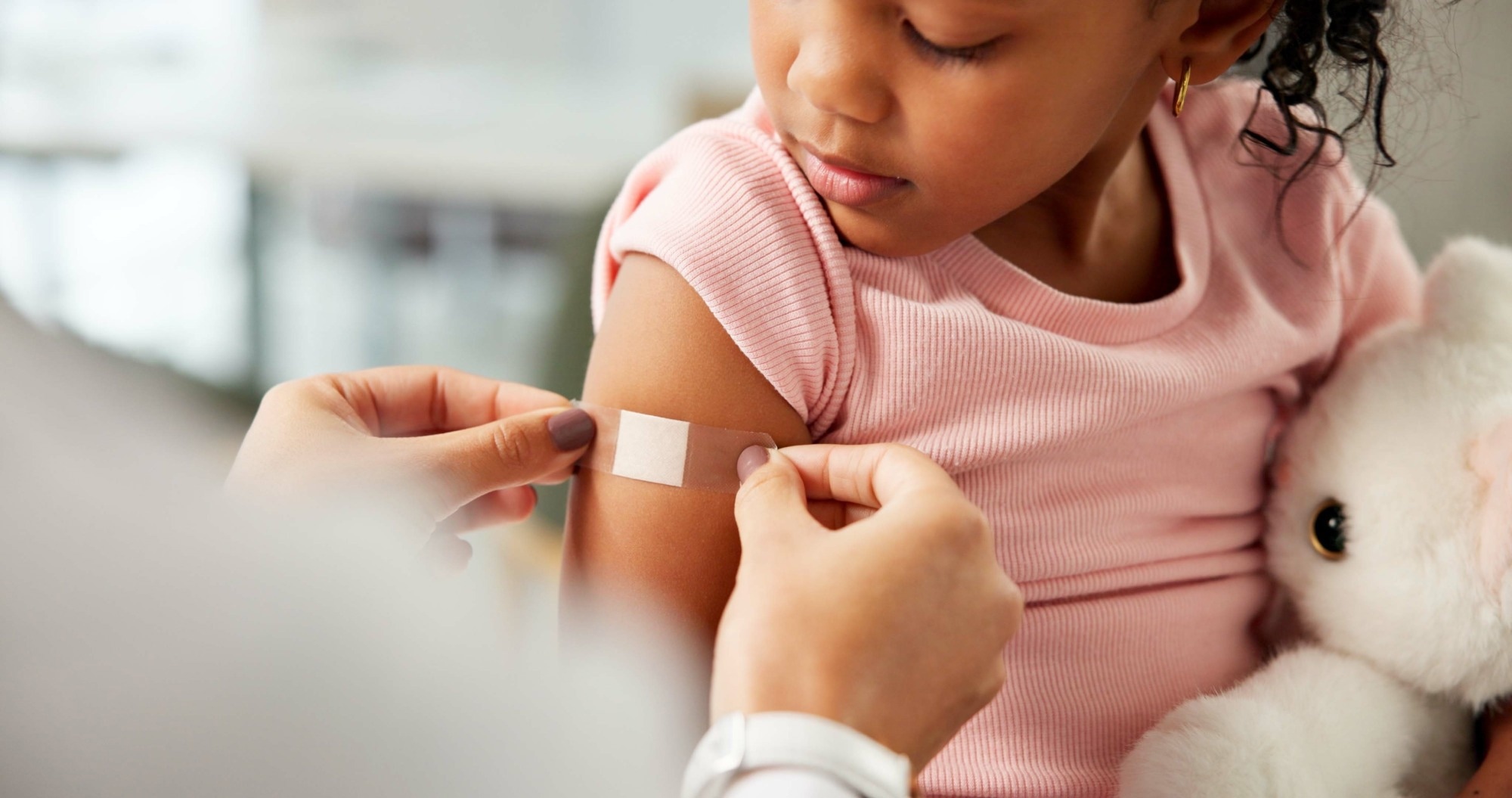
A global analysis of WHO/UNICEF data from 194 countries found wide variation in countries’ ability to record delayed childhood vaccinations, with 64% of reporting countries saying they could capture late doses in 2022. Following birth cohorts over time and adding delayed MCV1 doses raised median coverage estimates by 3.6 to 5.1 percentage points across available cohort years, though incomplete and inconsistent reporting limited confidence in some estimates.

Country: Mozambique Source: UN Children's Fund Please refer to the attached file. Highlights Insecurity remained volatile in northern Mozambique in July, with 3,729 people, including 1,575 children, reported on the move across Cabo Delgado, Nampula and Niassa. UNICEF supported 109,842 women and children accessing essential primary healthcare. 51,124 children aged 6–59 months received vitamin A supplementation through UNICEF supported nutrition services. 22,647 children accessed formal or non-formal education, including early learning, through UNICEF-supported interventions. UNICEF provided community-based mental health and psychosocial support services to 24,603 children, adolescents and caregivers. UNICEF-supported WASH interventions reached 73,097 people with critical WASH supplies. SITUATION OVERVIEW AND HUMANITARIAN NEEDS In July 2026, insecurity remained volatile across northern Mozambique, with intensified military operations in Macomia prompting non-State Armed Groups (NSAGs) to disperse southwards and westwards across Quissanga, Meluco, Ancuabe, Chiúre and Montepuez districts. Population movements continued throughout the month, with IOM’s Emergency Tracking Tool recording 3,729 people on the move across Cabo Delgado, Nampula and Niassa, including 1,575 children, 1,145 women and 1,009 men. Most of these movements (3,698) were recorded in Cabo Delgado, with violence remaining the main trigger for displacements, followed by intended returns and fear of attack. In July, OCHA reported a total of 28,163 people displaced by conflict since the beginning of 2026, with women and children accounting for 65 per cent of those displaced. Public health risks remained significant in July, with ongoing cholera and measles outbreaks. However, the cholera outbreak continued to recede substantially, with active transmission limited to Sofala and Manica provinces. By 31 July, Manica had recorded 386 cumulative cholera cases and three deaths8 , while Sofala reported 383 cases and four deaths. Meanwhile, measles transmission continued to increase, reaching 2,169 cumulative cases and three deaths by end July, compared with 1,630 cases and three deaths at the end of June. Nampula remains the most affected province, accounting for 1,070 measles cases and all three reported deaths, followed by Sofala (539 cases) and Zambézia (278 cases). New cases continued to be reported across Niassa, Nampula, Zambézia and Sofala, indicating sustained transmission across several parts of the country. Looking ahead to the 2026-2027 rainy and cyclonic season, the rapidly strengthening El Niño is expected to further exacerbate humanitarian needs, particularly in southern and central Mozambique. The latest July forecast indicates that El Niño conditions are continuing to intensify, with a 100 per cent probability of El Niño persisting through early 2027 and the event expected to peak towards the end of 2026. In Mozambique, the most significant impacts are expected in Maputo, Gaza, and Inhambane provinces, where below-average rainfall, prolonged dry spells and above-average temperatures are expected to reduce agricultural production and household incomes. FEWS NET projects Crisis (IPC Phase 3) food insecurity outcomes from October 2026 to January 2027 in areas of southern and central Mozambique already affected by weather shocks, as drought conditions compound the slow recovery from the 2026 floods.
Sep 21, 2026 · byReliefWeb
Country: Mozambique Source: UN Children's Fund Please refer to the attached file. Highlights The first half of 2026 was marked by overlapping humanitarian crises, with over 40,900 people displaced by conflict in the northern provinces and more than 870,000 people affected by floods in southern and central provinces. UNICEF health interventions reached more than 33,000 people through integrated mobile brigades, while supporting a nationwide oral cholera vaccination campaign that reached 3.5 million people. UNICEF nutrition services reached 53,700 children under five with nutrition screening and preventive services. More than 52,000 children benefited from UNICEF education interventions, including temporary learning spaces, learning materials and school rehabilitation. UNICEF supported more than 130,000 children and caregivers accessing mental health and psychosocial support. UNICEF WASH interventions enabled more than 200,000 people accessing safe water.\ [...] SITUATION OVERVIEW AND HUMANITARIAN NEEDS During the first half of 2026, Mozambique continued to face a complex humanitarian situation driven by the combined impacts of armed conflict, climate-related shocks and disease outbreaks. In Cabo Delgado, insecurity remained volatile, with Non-State Armed Groups (NSAGs) sustaining attacks against civilians and expanding operations into previously less-affected districts, including Ancuabe, Chiúre, Montepuez and Namuno. Although population movements remained relatively limited in scale and largely localized for much of the reporting period, primarily within the same district or to neighbouring districts, the situation deteriorated significantly from May, resulting in renewed large-scale displacement. According to IOM's Emergency Tracking Tool (ETT), more than 40,900 people were displaced between January and June 2026 across the three northern provinces of Cabo Delgado, Nampula and Niassa, including more than 17,000 people in May and 13,000 people in June, with women and children accounting for nearly 80 per cent of those displaced. Beyond the protracted conflict, Mozambique's humanitarian situation has been further exacerbated by the impact of climate shocks. At the beginning of 2026, the rainy season caused widespread flooding across southern and central provinces, particularly Gaza, Maputo and Sofala, affecting more than 870,000 people between January and March.7 Floods and storms damaged 1,316 classrooms, 262 health facilities and 50 water supply systems, displaced temporarily over 107,000 people, disrupted livelihoods and agricultural production, and left many communities with significant recovery needs that persisted well beyond the recession of floodwaters. Looking ahead, forecasts associated with El Niño indicate an increased likelihood of below-average rainfall and drought across southern and central Mozambique during the second half of the year, raising concerns over worsening food insecurity and livelihood losses. At the same time, El Niño is expected to bring above-average rainfall to northern Mozambique, increasing the risk of flooding in conflict-affected areas, where vulnerable communities already face displacement, limited access to basic services and constrained humanitarian access. Public health risks remained elevated throughout the reporting period as conflict, displacement and flooding increased pressure on already fragile health systems and disrupted access to essential health services. The Cholera outbreak rapidly expanded during the rainy season before gradually declining from May onwards. By end June, 9,170 cholera cases and 86 deaths (fatality rate of 0.9%) were reported, with Nampula, Tete and Cabo Delgado accounting for most infections. 10 Measles outbreaks also persisted, with 1,630 cases and three deaths reported by end of June particularly in Nampula Province with more than 50% of the reported cases, while health authorities implemented vaccination campaigns against poliovirus and strengthened preparedness for other epidemic-prone diseases, including Ebola, reflecting the continued risk of concurrent public health emergencies for the country.
Sep 21, 2026 · byReliefWeb
Country: South Sudan Source: UN Office for the Coordination of Humanitarian Affairs Please refer to the attached file. HIGHLIGHTS More than one million vulnerable people at risk of losing life-saving food and nutrition assistance. Funding shortfalls threaten life-saving assistance for refugees in South Sudan. Conflict continues driving new displacement as returnees face critical gaps in basic services, as UNICEF and partners restore life-saving assistance to conflict-isolated communities in Jonglei State. Rising humanitarian access constraints continue to disrupt delivery of life-saving assistance, as UNHAS expands air services to hard-to-reach areas. Public health emergencies continue as over 500 South Sudanese return from the Democratic Republic of Congo amid Ebola concerns.
Sep 18, 2026 · byReliefWeb
Country: Democratic Republic of the Congo Source: UN Children's Fund Please refer to the attached file. Highlights The humanitarian situation remained highly complex, driven by armed conflict, displacement, food insecurity, malnutrition, disease outbreaks and climatic shocks. By 30 June, 1.7 million people have been newly displaced in 4 provinces of eastern DRC. The epidemiological situation remained critical, with cholera transmission and the declaration of the 17th Ebola Virus Disease outbreak in Ituri in May, requiring adaptation of humanitarian operations and strengthened infection prevention and control. Key achievements included measles vaccination for 336,332 children, treatment of nearly 169,000 children with severe acute malnutrition, WASH assistance to 236,465 people, and reaching 1.15 million people within 48 hours around suspected cholera cases. Following the declaration of the Ebola outbreak in early May, UNICEF supported the government in setting the Ebola response plan, taking key lead roles in the RCCE, IPC and CBS pillars, harmonizing guidance and implementation approaches, and promoting partner alignment across affected health zones. [...] SITUATION OVERVIEW ANDHUMANITARIAN NEEDS The humanitarian situation in the Democratic Republic of the Congo (DRC) remained highly complex during the first half of 2026, with multiple, overlapping crises continuing to affect millions of people, particularly women and children. Escalating armed conflict, recurrent population displacement, widespread food insecurity, disease outbreaks and climatic shocks further increased humanitarian needs while constraining access to essential services and humanitarian assistance. According to OCHA, 1.7 million people have been newly displaced during the first semester 2026. The security situation continued to deteriorate in eastern DRC, particularly in North Kivu, South Kivu and Ituri, where armed violence, clashes, attacks against civilians and repeated displacement disrupted livelihoods, basic social services and humanitarian operations. Tanganyika also continued to experience localized insecurity and population movements. In several conflict- affected areas, insecurity, the presence and activities of armed groups, restrictions on movement, attacks and interference affecting humanitarian operations, and insecurity along key access routes severely constrained humanitarian access. These challenges delayed or disrupted the delivery of assistance and reduced the ability of humanitarian actors to reach vulnerable populations in some of the most affected and hard- to- reach areas. The operating environment for humanitarian personnel also became increasingly challenging and dangerous. During the first half of 2026, humanitarian workers and volunteers were killed in several incidents, including UNICEF staff member in Goma and Red Cross volunteers in South Kivu. Such incidents, together with threats, attacks and other security incidents affecting humanitarian personnel and operations, further constrained humanitarian space and highlighted the increasing risks faced by those delivering life- saving assistance. The combination of insecurity, access restrictions and operational constraints particularly affected populations in areas where humanitarian needs were most acute. The epidemiological situation remained of major concern. Cholera transmission persisted across several provinces, with more than 29,265 suspected cases and 643 deaths reported by epidemiological week 26. In May 2026, the declaration of the 17th Ebola Virus Disease (EVD) outbreak in Ituri Province added another layer of humanitarian complexity, requiring rapid adaptation of sectoral responses, reinforcement of infection prevention and control measures, and integration of Ebola- specific preparedness and response activities across humanitarian programmes. Insecurity, population movements and limited access further complicated disease surveillance, case detection, prevention and response activities. Food insecurity and acute malnutrition remained among the principal drivers of humanitarian needs. Continued displacement, reduced agricultural production, market disruptions and limited access to essential health, nutrition and WASH services heightened the risk of acute malnutrition among children under five and pregnant and breastfeeding women, particularly in conflict- affected and hard- to- reach areas. The cumulative impact of conflict, displacement, disease outbreaks, economic pressures and climatic shocks continued to erode household coping capacities and increase protection risks for children and women. Despite these challenges, UNICEF and its partners maintained life- saving humanitarian operations through integrated multisectoral interventions. Humanitarian assistance combined rapid response mechanisms, including UniRR and CATI, nutrition, WASH, child protection, education in emergencies and humanitarian cash transfers, while reinforcing preparedness, anticipatory action and community resilience. Coordination mechanisms led or co- led by UNICEF, including the Nutrition, WASH, Education and NFI coordination platforms, continued to support evidence- based planning, partner coordination and adaptive programming in response to evolving needs and access constraints. Nevertheless, humanitarian needs continued to outpace available resources and operational capacity. Persistent insecurity, attacks and threats affecting humanitarian personnel, humanitarian access constraints, logistical challenges and significant funding gaps reduced the scale, timeliness and coverage of interventions in several priority areas. During the second half of 2026, sustained efforts to preserve humanitarian space, facilitate safe and principled access to affected populations, protect humanitarian personnel and assets, and secure adequate and flexible resources will remain essential to ensure that the most vulnerable children and families receive timely, life- saving assistance.
Sep 18, 2026 · byReliefWebCountry: Haiti Sources: Food and Agriculture Organization of the United Nations, UN Children's Fund, World Food Programme UNICEF, FAO and WFP call for urgent action to prevent worsening child malnutrition across Haiti, with Cité Soleil and Cabaret projected to face Critical conditions between December 2026 and May 2027. PORT-AU-PRINCE, 17 September 2026 – An estimated 253,725 children aged 6 to 59 months in Haiti are expected to suffer from acute malnutrition between June 2026 and May 2027, including nearly 94,000 with severe acute malnutrition while unrelenting violence by armed groups threatens to worsen conditions. Severe acute malnutrition can become life-threatening without timely treatment. A further 159,852 children are expected to suffer from moderate acute malnutrition, while 25,750 pregnant and breastfeeding women will require nutritional support. The analysis, led by Haiti’s Ministry of Public Health and Population (MSPP) with support from UNICEF, FAO, WFP, WHO and nutrition partners, shows where additional support is most urgently needed. The projected deterioration would increase demand for care across more communities, placing further pressure on services that many families already struggle to access. Escalating violence by armed groups is driving widespread displacement and disrupting children's access to food, healthcare for malnutrition, and essential help. Families continue to flee their homes in 2026, with approximately 1.47 million internally displaced persons in Haiti as of mid-May 2026. Between December 2026 and May 2027, 29 municipalities out of 140 are projected to reach IPC Acute malnutrition phase 3, or serious levels of acute malnutrition, while Cité Soleil and Cabaret are expected to reach critical levels, or phase 4. This phase is the second-highest classification on the IPC acute malnutrition scale, signalling very high levels of acute malnutrition and an elevated risk of illness and death among affected children. “Behind these figures are children whose lives can change when they receive the right care at the right time,” said UNICEF Representative to Haiti, Geeta Narayan. “The IPC helps us see where the needs are greatest. Now we must use that evidence to reach children earlier, prevent malnutrition and make sure no child is left without the support they need.” “Preventing acute malnutrition requires us to act not only on its immediate consequences, but also on its underlying causes,” said Pierre Vauthier, FAO Representative in Haiti. “Families must be able to access and produce diverse, nutritious food. By protecting agricultural livelihoods and strengthening local food production, we can help vulnerable households meet their nutritional needs, withstand future shocks and reduce their dependence on humanitarian assistance.”’ “The rapid deterioration of the situation is a stark reminder that investing in malnutrition prevention is not a cost, but a strategic investment in Haiti’s future,’’ said WFP Representative to Haiti and Country Director, Lauren Landis. “Every dollar invested today in nutrition, health, school meals, and support to vulnerable families helps avert far greater human, social, and economic costs tomorrow. A well-nourished child is more likely to succeed in school, stay healthy, and contribute productively to their country’s development.” With conditions projected to worsen between December 2026 and May 2027, UNICEF, FAO and WFP are calling on the Government of Haiti, Donors, civil society, international organizations and all partners working in the fields of health, nutrition, water and hygiene and food security for immediate action to expand treatment and prevent more children from becoming malnourished: Expand prevention and treatment, prioritising municipalities projected to deteriorate, with community screening, timely care, therapeutic food supplies and nutrition support for pregnant and breastfeeding women. Support for nutritious diets and essential services, combining maternal and child nutrition interventions with safe water, sanitation, health care and measures to protect household food production and livelihoods. Safe access and immediate, flexible funding, enabling families to reach care and government and all partners to deliver supplies, prepare for rising needs and sustain the response. Acting now can prevent more children from becoming severely malnourished and saves lives. ##### Notes to editors: The IPC snapshot dated 11 September 2026 presents an estimated acute malnutrition caseload for June 2026-May 2027: 253,725 children aged 6-59 months, including 93,873 with severe acute malnutrition and 159,852 with moderate acute malnutrition. These figures do not represent the number of children simultaneously affected on the publication date. The projected period is December 2026-May 2027. IPC Acute Malnutrition Phase 3 means Serious, Phase 4 Critical, and Phase 5 Extremely Critical. These classifications describe the nutritional situation in an area, rather than the condition of every child living there. Link to IPC Haiti Malnutrition Snapshot, June 2026 - May 2027. Media contacts Sylvain Barral Communications & Media Officer WFP Haiti Email: sylvain.barral@wfp.org Jacqueline Nguyen Strategic Planning Specialist FAO Haiti Email: Jacqueline.Nguyen@fao.org Salwa Moussa Chief of Communications UNICEF Haiti Tel: +509 46 97 1003 Email: samoussa@unicef.org Giacomo Colarullo Communication Officer UNICEF Tel: +1 917 622 2782 Email: gcolarullo@unicef.org
Sep 17, 2026 · byReliefWeb
The shift comes after a UNICEF test found leading AI models struggled to accurately retrieve global development statistics.
 Sep 17, 2026 · byTechCrunch
Countries: Congo, Benin, Burkina Faso, Cameroon, Central African Republic, Chad, Côte d'Ivoire, Democratic Republic of the Congo, Equatorial Guinea, Gabon, Gambia, Ghana, Guinea, Guinea-Bissau, Liberia, Mali, Mauritania, Niger, Sao Tome and Principe, Senegal, Sierra Leone, Togo Source: UN Children's Fund Please refer to the attached file. Highlights The first half of 2026 was marked by multiple public health emergencies across West and Central Africa (WCA), including mpox, cholera, measles, polio, yellow fever and Lassa fever. Cholera resurged in the Republic of Congo, mpox spread across several countries, and the Ebola outbreak in the Democratic Republic of the Congo triggered heightened preparedness, surveillance and cross-border coordination. Persistent insecurity in Burkina Faso, Mali and Niger continued to drive large-scale displacement, with nearly 575,000 refugees, asylum seekers and internally displaced persons hosted in neighboring and coastal countries by mid-2026. UNICEF humanitarian interventions admitted 15,000 children aged 6–59 months with severe wasting, provided supplemental measles vaccination to 187,192 children, safe water to 115,800 people, and enabled 131,100 children to access education. UNICEF's 2026 Humanitarian Action for Children (HAC) appeal for WCA remains only 31 per cent funded, with US$28.2 million available against requirements of US$92.6 million, limiting life-saving assistance across the region.
Sep 17, 2026 · byReliefWeb
Country: Yemen Source: UN Children's Fund More than 57,000 children displaced in past two weeks as children are killed, injured and reported missing AMMAN, 16 September 2026 – Renewed hostilities across Yemen are forcing families from their homes, killing and injuring children and disrupting access to health care and education, deepening an already severe humanitarian crisis, UNICEF warned today. More than 104,000 people, including over 57,000 children, have been displaced in just two weeks. Since 3 September, at least nine children have been reported killed and 12 injured, while three other children are reported missing following an attack on the road from Yemen’s western coast to Aden. The fighting across western Taiz, southern Hudaydah, Marib and other affected areas is cutting children off from essential services. Twenty-six UNICEF-supported health facilities have had services disrupted, while 243 schools have closed or had suspended learning, affecting more than 137,000 students. UNICEF is expanding its emergency response to reach up to 231,000 people affected by the escalation. Assistance is already underway, with support to health facilities, hygiene kits and water tanks distributed in Taiz, additional water and hygiene supplies provided in Marib, and nine health and nutrition mobile teams redeployed to displacement sites and affected communities in Aden, Marib and Taiz. Emergency water and sanitation support aims to reach more than 200,000 people with safe water, hygiene supplies and urgent repairs to damaged systems. Child protection teams are providing psychosocial care and case management, including for unaccompanied and separated children, and helping communities reduce the risks posed by explosive ordnance. “Children in Yemen were already living through one of the world’s most grave humanitarian crises, and many have known little but conflict and displacement,” said Edouard Beigbeder, UNICEF Regional Director for the Middle East and North Africa. “Now, tens of thousands of families have been forced from their homes in just two weeks, many fleeing only with what they can carry. For children who have already endured years of hunger, displacement and disrupted schooling, this latest violence is eroding what little stability they had left.” The impact of the escalation is also being felt across the Bab el-Mandeb Strait. More than 2,000 people, including many children, have arrived in Djibouti after a dangerous crossing marked by extreme heat, dehydration and protection risks. UNICEF is working with authorities to support newly arrived families with safe water, hygiene and sanitation services, child protection support and referrals for the most vulnerable children. Even before the latest escalation, an estimated 12.2 million children in Yemen needed humanitarian assistance. More than 2.2 million children under five are acutely malnourished, including over 515,000 children with severe acute malnutrition, while 3.2 million school-aged children are out of school. Around 17.8 million people lack adequate access to healthcare, water and sanitation services, with only 60 per cent of health facilities fully functional. UNICEF reiterates the call of the Secretary-General for all parties to the conflict to protect civilians, including children, comply with international humanitarian law, and facilitate safe and unimpeded humanitarian access so that urgently needed assistance can reach communities in need. Media contacts Louise Wateridge UNICEF Amman Email: lwateridge@unicef.org Salim Oweis UNICEF MENA Tel: +962- 70-936- 5212 Email: soweis@unicef.org Joe English UNICEF New York Tel: +1 917 893 0692 Email: jenglish@unicef.org #####
Sep 16, 2026 · byReliefWeb
Country: World Source: UN Children's Fund Please refer to the attached file. Highlights With fewer than five years remaining to achieve SDG 4, the global learning crisis has become one of the defining challenges of our time. Across the world, education systems are facing a profound challenge in ensuring that every child achieves meaningful learning outcomes, with millions still not gaining the knowledge, skills and opportunities they need to thrive. At the same time, rapid technological, social and environmental change is raising a more fundamental question: can education systems designed for an earlier era prepare children for the future they will inherit? UNICEF's experience shows that improving education outcomes will require not only stronger systems, but also a reimagining of how, where and when children learn. Shaping the Future of Learning, UNICEF's Education Strategy 2026, responds to this urgent challenge. The strategy sets out UNICEF's vision for accelerating learning, equity and skills development for every child and adolescent, while supporting countries to transform education systems at scale. Building on the foundation of the Education Strategy 2019-2030, it clarifies the priorities, operating model and partnerships required to drive impact and serves as a roadmap for implementing UNICEF's Strategic Plan 2026-2029.
Sep 16, 2026 · byReliefWeb
Country: Myanmar Source: UN Children's Fund Please refer to the attached file. Highlights Myanmar’s humanitarian situation continued to deteriorate over the reporting period. Ongoing conflict and displacement, compounded by the fuel crisis and economic decline, continued to drive acute needs, with 16.2 million people, including 4.9 million children, requiring humanitarian assistance. Nearly 3.8 million people were internally displaced, as of June 2026. Landmine incidents, displacement and protection risks continued to escalate, while seasonal flooding and disease risks further increased vulnerabilities among affected populations. Despite escalating humanitarian needs and access constraints, UNICEF and partners reached 326,503 people with primary health care, 472,742 children with education support, 487,036 people with MHPSS services, and 315,169 people with critical WASH supplies during the first half of 2026. UNICEF appealed for US$267.2 million to address the needs of 3.3 million people in 2026. By mid-2026, the funding level stood at US$95.4 million, with a gap of US$171.7 million (64 per cent). Situation Overview & Humanitarian Needs The humanitarian situation in Myanmar continued to deteriorate with ongoing conflict, recurrent natural hazards, and economic decline in 2026. Ongoing hostilities, including airstrikes, resulted in widespread displacement and civilian casualties.1 The humanitarian situation remained acute, with 16.2 million people, including 4.9 million children, in need of humanitarian assistance.2 By the end of June 2026, nearly 3.8 million people were internally displaced3 - an increase of 154,400 newly displaced since the end of 2025 - while an additional 1.6 million people were refugees and asylum seekers in neighbouring countries. The humanitarian situation was aggravated by recurrent natural hazards and seasonal climatic shocks. Communities already affected by conflict and displacement faced acute water shortages during the dry season, while the monsoon season heightened the risk of flooding, landslides, and outbreaks of water-borne diseases. These hazards further strained limited coping capacities and exacerbated existing vulnerabilities. In the last week of June 2026, heavy rains caused flooding in five townships in Kachin State, disrupting livelihoods and access to essential services in affected communities. The spillover effects of the ongoing Middle East conflict and associated disruptions to global energy markets contributed to rising fuel prices, fuel shortages, and increased transportation costs. According to WFP market monitoring, the average food basket cost in June was estimated to be 20 per cent higher than in February 2026, with significant price increases reported in Rakhine and Magway due to transport disruption and reduced market availability.5 If these conditions persist, an estimated 3.5–5 million additional people could become food insecure, adding to the 12.4 million people already facing food insecurity nationwide. Rising poverty is compounding these pressures, with growing numbers of families adopting negative coping strategies, including reduced food consumption, child labour and early marriage. These overlapping shocks are compounding humanitarian needs and increasing vulnerabilities among vulnerable communities with limited access to markets, livelihoods, and basic services. During the first half of 2026, a total of 327 landmine and explosive ordnance (EO) incidents resulting in 487 civilian casualties were reported. Of these casualties, 113 were children (23 per cent).7 This was an increase over the second quarter of 2025, when there were 229 incidents with 357 casualties reported, of whom 33 were children (27 per cent). Access to basic health services was still critically constrained, particularly in Rakhine, Kayah, and Sagaing, where close to half of the population faces serious access challenges. Overcrowded living conditions, inadequate WASH services, and limited access to basic health care continued to elevate the risk of water‑borne and water‑related diseases. Cases of acute watery diarrhoea (AWD) and skin infections were reported in Kachin, Sagaing, Mandalay, Chin and Rakhine. Vaccination coverage remained low, with 1.5 million children under five missing basic vaccinations since 2018, resulting in increased risk of vaccine-preventable disease. Increasing displacement continued to disrupt children’s access to education, with an estimated 3.4 million children in urgent need of educational support. Conflict-affected areas, including Sagaing, Magway, Chin, Kachin, Shan, Kayah, Kayin, Tanintharyi, and Rakhine faced increasing demand for safe and continuous learning opportunities for displaced and out-of-school children. Damage to education infrastructure, inadequate WASH facilities, shortages of learning materials, and limited availability of qualified educators persisted in displacement‑affected and hard‑to‑reach areas. Funding gaps, economic pressures, and rising costs increased drop-out risks, particularly among adolescents, while over‑age and conflict‑affected children faced continued barriers to structured learning pathways and transition to formal education, due to the lack of recognized accreditation. This highlights the urgent need for expanded learning pathways, safe learning spaces, individual learning materials, and mental health and psychological support (MHPSS). Kachin state continued to face a worsening humanitarian crisis with prolonged armed conflict, widespread displacement, economic collapse, deteriorating livelihoods, and climate shocks. The intensified conflict around Bhamo and Hpakant area in early 2026 and renewed clashes in Shwegu township caused sustained displacement, with over 228,000 people displaced internally during the reporting period, including the newly displaced population from the Sagaing region. Ongoing armed clashes, intensified military operations and airstrikes severely impacted civilians in the northwest, leading to large-scale displacement and exposing children and women to heightened protection risks. Magway region was among the hardest-hit areas, with more than 100,000 people displaced across Myaing, Pakokku, Pauk and Saw townships since mid-May. Many families in the northwest region had been displaced multiple times and were sheltering in monasteries or makeshift structures, with an urgent need for shelter, non-food items, hygiene kits, lighting, and educational supplies. During the reporting period, over 1.8 million people remained internally displaced in the northwest region.
Sep 16, 2026 · byReliefWeb
Countries: Djibouti, Yemen Source: UN Children's Fund Please refer to the attached file. Highlights As of 12 September 2026, more than 2,350 people, at least half of them children, have arrived in Djibouti after fleeing escalating hostilities in Yemen. They have landed at various points along Djibouti’s northern coast near Obock. It is anticipated that these numbers will increase as fighting intensifies with an estimated number of 5,000 to 10,000 people arriving in country. Water, sanitation, shelter and health services at Markazi refugee village are already under acute strain. With overcrowding and weak water and sanitation systems, the risk of an acute watery disease resurgence is high, weeks after the last outbreak was brought under control. UNICEF is supporting the national response led by the Government of Djibouti and has deployed a multisectoral team to Obock and mobilized 7,500 litres of drinking water at entry points. Emergency latrines and water bladders are being installed at Markazi in collaboration with the Djiboutian Red Crescent (CRD). No unaccompanied or separated children have been reported to date. Identification and registration services remain ongoing as arrivals continue to increase. UNICEF requires USD 3 million to respond to the needs of up to 10,000 people over 6 months.
Sep 16, 2026 · byReliefWeb