Americas
43 articles
Latest Americas articles


Venezuela: Three months after the two earthquakes, a human rights-centred response remains absent
Country: Venezuela (Bolivarian Republic of) Source: Amnesty International On 24 June 2026, two earthquakes measuring 7.2 and 7.5 in magnitude struck northern Venezuela, causing one of the country’s most serious disasters in recent decades. According to official figures, 6,509 people were killed and 60,785 affected homes were assessed, of which 11,001 were classified as high risk. “Three months after these events, there remains a debt to those affected that must be addressed by placing their human rights and dignity at the centre of the recovery,” said Ana Piquer, Amnesty International’s Americas Director. The earthquakes struck a population already facing a complex humanitarian emergency , serious difficulties in accessing economic and social rights, including the rights to health, food, housing and work, as well as a policy of systematic and widespread repression that has pushed at least 25% of Venezuela’s population to flee the country since 2015 in search of international protection . Amnesty International interviewed 21 people directly affected in Caracas and La Guaira between 23 July and 14 August 2026. Those interviewed said that the Venezuelan authorities’ response was delayed and poorly coordinated. Family members and neighbours removed rubble with their bare hands or improvised tools while requesting heavy machinery, specialized personnel and search dogs. They also reported that, although there was a large deployment of police, military and intelligence personnel, their activities focused on surveillance and territorial control rather than directly participating in rescue operations or efforts to locate missing people. Lack of information and conflicting figures Public information provided by the Venezuelan authorities has been marked by opacity and a lack of transparency. To date, no official figures on missing people have been published, on the grounds that the authorities wish to avoid speculation. The only official estimate was provided by the governor of La Guaira state, who put the number at 1,579 missing people . In the absence of official data, independent citizen initiatives have recorded more than 41,000 reports of missing people . Despite these valuable efforts, errors and duplicate names have been identified in these records, making official figures essential. There are also significant discrepancies in the recorded number of deaths. The governor of La Guaira state said the death toll was estimated at 7,265 people , while the national government’s most recent update, on 24 August, reported a total of 6,509 deaths resulting from the disaster. In addition, the available data are not disaggregated by sex, age, location or other essential characteristics, making it impossible to identify the differentiated impacts of the earthquakes and design appropriate responses for children, older people, women, people with disabilities and other groups that may require specific protection and assistance measures. Families forced to search on their own During interviews conducted by Amnesty International, people reported very limited institutional support and a lack of information about the mechanisms available to them to find out the whereabouts of their relatives or what measures the authorities had taken. Families have undertaken searches on their own, visiting public institutions, morgues, hospitals and collapsed buildings; putting up posters with photographs of their loved ones in strategic places such as hospitals and temporary shelters; sharing information on social media; and, together with civil society organizations, creating databases and digital platforms in an attempt to locate those who remain missing. The uncertainty of not knowing whether their loved ones are alive, whether their bodies have been recovered, or whether they will be able to bury them according to their customs and beliefs has caused profound anguish. Handling of bodies and remains of people who died Thousands of people who died have still not been identified and continue to be processed in improvised morgues, without clear protocols and without their families and loved ones knowing which authorities they should approach to search for and recover their bodies and/or remains. People interviewed who had searched for relatives at Los Silos, an area within the port of La Guaira designated as a temporary morgue, described unclear procedures and the absence of centralized information on search, recovery and identification efforts, as well as on the tools available when genetic testing or other identification methods are required. Some said they had to review numerous photographs of bodies on a digital tablet, many of them unrecognizable, and that in some cases they attempted to identify bodies and remains directly inside bags. These accounts raise serious concerns about the dignity of the procedures and the support provided to families. One woman who was waiting for the results of a DNA test said: “They told me I had to keep waiting because there are so many dead, and that I should remember the Vargas tragedy [the 1999 mudslides], where there are still families looking for missing people. Imagine how I feel.” Other people said they visited Los Silos and various institutions several times a week in the hope of obtaining information. The lack of psychological support during these processes was also highlighted. Some people said they had received the cremated remains of relatives, which caused them to question whether the identification had been carried out correctly. Material losses and lack of durable solutions According to official figures, as of 5 July, 17,345 people had lost their homes . Some stayed with relatives or people close to them, others went to temporary shelters established by the government, while others chose to remain near their homes in tents they set up themselves. The authorities implemented a damage assessment system using red labels (entry restricted), yellow labels (limited use) and green labels (fully habitable) on the façades of homes. People interviewed who had been affected said they had been included in official censuses and registered, among other mechanisms, through the Sistema Patria, an official digital platform used to administer and distribute social programmes. However, they did not have sufficient clarity about the purpose and scope of the process, the criteria used for allocating housing, or the timelines for providing permanent housing solutions. The lack of certainty about whether housing solutions are temporary or permanent is compounded by the loss of sources of income. Those interviewed said the destruction of workplaces and the decline in tourism had limited the recovery capacity of many families. Discretionary access for civil society organizations to temporary shelters The state response included the establishment of camps and temporary shelters in schools, sports facilities and other public spaces, but the operation of these facilities has not been standardized, leaving people in uncertainty because there are no specific protocols governing how they operate and no clear information about when they will close. Civil society organizations also told Amnesty International that there was no single mechanism for gaining access to shelters to provide humanitarian assistance. Authorization varied depending on the shelter and each organization’s relationship with the authorities, delaying assistance in some locations. They also reported a lack of protocols for assisting people in vulnerable situations, including children, as well as an uncoordinated distribution of aid, with services and assistance varying disproportionately from one temporary shelter to another. The anti-NGO law obstructs the civil society response The work of civil society organizations has been restricted since the publication of the Law on Oversight, Regulation, Operation and Financing of Non-Governmental Organizations and Non-Profit Social Organizations (the anti-NGO law) and the recent publication of two circulars by the Ministry of Interior and Justice. By imposing legal and financial obstacles on organizations, these measures have delayed or even prevented them from providing assistance. In addition, donors and international cooperation agencies often require organizations to have the registration established under the law in order to access funding. One representative of a non-governmental organization said: “Donors, funders and even banks ask for the registration. For any procedure, they ask you for the certificate. There is a huge administrative bureaucracy; all institutions and funders, instead of making things more flexible, impose more requirements and administrative obstacles, even though we are in an emergency context.” Conclusions and recommendations “Although earthquakes are an unavoidable tragedy, the human rights violations that result from them are preventable. The Venezuelan authorities must guarantee the rights of all those affected,” said Ana Piquer, Amnesty International’s Americas Director. Amnesty International calls on the Venezuelan authorities to guarantee transparency and ensure that all people affected by the earthquakes, as well as organizations working to provide humanitarian assistance, have access to information. The authorities must publish up-to-date information on the timelines, criteria and types of support provided to victims, as well as how people can access that support. This information must be provided in a format that is accessible to everyone.The authorities must also provide detailed information on people who have died as a result of the earthquakes, people who remain missing, and the measures being taken to inform families. All information must be disaggregated by gender, age and other relevant factors. The authorities must also create a single registry of victims that is accessible to the public and guarantees access to housing and government support without discrimination. At the same time, the authorities must publish a reconstruction plan for affected homes and designate a specific authority to oversee its implementation; provide medical care, including psychological support, to those who need it, particularly relatives of missing and deceased people; immediately publish protocols governing temporary shelters and facilitate access for journalists and human rights organizations; and immediately repeal the anti-NGO law in order to enable community and social solidarity initiatives. For more information or to arrange an interview, please contact press@amnesty.org
 Sep 24, 2026 · byReliefWeb
KLM Expands Winter Schedule to 164 Destinations and Prepares Airbus A350 Debut
KLM will serve 164 destinations this winter, adding flights to the Americas and Europe while preparing its first Airbus A350 passenger service to Toronto.

Trump rallies Shield of the Americas coalition against drug cartels
US-led anti-cartel alliance backs sanctions against crime groups after Trump urges stronger action.
 Sep 23, 2026 · byAl Jazeera
Lawmakers across Americas urge US to end drug boat strike campaign
{beacon} Defense &National Security Defense &National Security The Big Story Lawmakers across Americas urge US to end drug boat strike campaign More than 70 lawmakers from North and South America, including the U.S., Canada and Colombia, are calling on the Trump administration to end its deadly strike campaign against alleged drug-smuggling boats in the…
 Sep 22, 2026 · byThe Hill
BermudAir adds E190F and becomes the second operator of Embraer’s freighter
© Embraer Bermuda-based airline BermudAir is expanding into cargo operations with the addition of one Embraer E190F, which it will lease from Regional One. This makes it the second operator of Embraer’s E-Freighter worldwide and the first in the Americas, Embraer and Regional One announced on 16 September. BermudAir plans to use the freighter to... The post BermudAir adds E190F and becomes the second operator of Embraer’s freighter appeared first on AvioRadar .

Americas feel effects of record El Nino
The El Nino–Southern Oscillation this year equaled its record intensity, according to specialists, and could yet reach record levels. The weather phenomenon's influence has already been felt across the world, with drought, wildfires, food shortages and sharp rises in water temperatures. The state of California has declared a state of emergency due to El Nino and the effects have been felt all over the Americas.
World: ASG Khiari's remarks at the Gulf Cooperation Council Side Event on Challenges Related to Non-State Armed Groups [as delivered]
Country: World Source: UN Department of Political and Peacebuilding Affairs New York, USA Khaled Khiari, Assistant Secretary-General for the Middle East, Europe, the Americas, Asia and the Pacific Your Excellency Mr. Jasem Mohamed Albudaiwi, the Secretary-General of the Gulf Cooperation Council. Excellencies, Distinguished guests, Thank you for the opportunity to participate in this timely event. Non-State Armed Groups are a widespread challenge to States in every geographic region. More than 200 million people are estimated to live in areas they control or contest. In many contexts, armed groups can exert significant influence over security, governance, and economic opportunity. Their presence can threaten communities, fuel crime, prolong conflict, and challenge state institutions. In some settings, multiple armed groups can operate simultaneously. New, inexpensive, and readily available technologies allow even small groups to cause disproportionate harm. For example, drone use has expanded rapidly, and over 80 percent of armed groups are estimated to have access to drone technology. Meanwhile, social media enables groups to spread misinformation and expand their reach and influence. Understanding how to address the challenges posed by these entities -- while upholding international law, state sovereignty, territorial integrity, and national ownership -- is an essential component of conflict prevention, resolution, and peacebuilding. State responses require comprehensive whole-of-government approaches and the coordination of political, security, legal, and administrative efforts. International support can be crucial where national capacity or resources are limited. Effective cooperation with sub-national authorities is especially important. They are often closest to affected communities, particularly where state presence is limited. At the international level, cooperation between States is essential, particularly where armed groups operate across borders, launch cross-border attacks, or disrupt trade routes. Few regions have experienced these challenges as directly as the Middle East, where non-state armed groups such as the Houthis and Hezbollah are undermining the authority of internationally recognized governments and contributing to wider risks to regional and international peace and security. More broadly, efforts to prevent and resolve regional and intra-state tensions can reduce external support that enables armed groups to sustain conflict. As part of these efforts, analyzing the interests of armed groups is necessary, even when they appear irreconcilable with those of governments and other stakeholders. This can help identify practical steps to reduce violence, facilitate humanitarian access, restore services, and advance sustainable political and legal outcomes. This is particularly crucial where armed groups are capable of sustaining prolonged asymmetrical violence, causing grievous human suffering and destruction, undermining territorial integrity and state authority, and contributing to broader regional and international instability. Engagement with Non-State Armed Groups will rarely be straightforward. Yet, we cannot be daunted by the challenges. We need comprehensive strategies with coherent objectives: to reduce violence and other harmful impacts in the short term, while creating pathways to long-term solutions. Such efforts are most effective when they are nationally owned and focused on sustainable peace, even if progress is incremental. National efforts can be reinforced if we approach this challenge collectively, through international cooperation and coordinated action. This allows us to draw on the complementary strengths of States, regional organizations, the United Nations and local actors. Regional and sub-regional organizations, like the Gulf Cooperation Council, have an important role to play: coordinating diplomatic efforts, supporting technical assistance to national institutions that serve and protect all communities, and investing in the disarmament and reintegration of former combatants and the recovery of conflict-affected communities. The United Nations stands ready to support Member State initiatives to address challenges posed by non-state armed groups, including efforts to strengthen effective and inclusive state institutions, reinforce legitimate state authority and advance solutions that contribute to sustainable peace and stability. Thank you.
Sep 21, 2026 · byReliefWeb
Expect higher inflight Wi-Fi speeds as ViaSat-3 F2 enters service
Passengers flying on several airlines across the Americas should expect to see reliably higher inflight Wi-Fi speeds now that Viasat’s ultra-high-capacity ViaSat-3 F2 (VS3 F2) geostationary satellite has officially entered service. In the Americas, Viasat counts Aeromexico, Azul, American, Breeze, Delta, JetBlue, LATAM, Southwest and United among its customers. “Rollout on VS3 F2 is already... The post Expect higher inflight Wi-Fi speeds as ViaSat-3 F2 enters service appeared first on Runway Girl .

Mbappe leaves Nike, signs with On as it forays into soccer
French soccer star Kylian Mbappe has ended his two-decade-long partnership with Nike and signed with Swiss sportswear brand On, the latest blow for the American brand as newer rivals gain ground in the athletic footwear market. On plans to launch its first football boots in 2027, and also named former French player Thierry Henry as its director of football. On's U.S.-listed shares were up 5% in premarket trading. The Roger Federer-backed company is looking for growth in the Americas, which account for more than half of its revenue. On has focused on full-price sales, but has struggled in the region this year amid choppy economic spending. Mbappé's move to On ends a relationship between the French national team captain and Nike that dates back to 2006, and comes at the heels of Nike's loss of recent World Cup winner Spain's Lamine Yamal to Adidas. "We are proud of what we achieved together on and off the pitch. As he moves into the next phase of his career, we wish him continued success for what comes next," Nike said in a separate statement. Nike had increasingly leaned on Mbappé as one of the sport's leading global ambassadors following the latter stages of soccer star Cristiano Ronaldo's career. The World Cup winner remained a centerpiece of Nike's football marketing at this year's FIFA World Cup, most recently receiving signature editions of its Mercurial boots. "Once again it (football) has led me to one of the biggest changes in my life. Now, I find myself surrounded by innovators who dream of the same things I do," Mbappé said on his social media accounts.
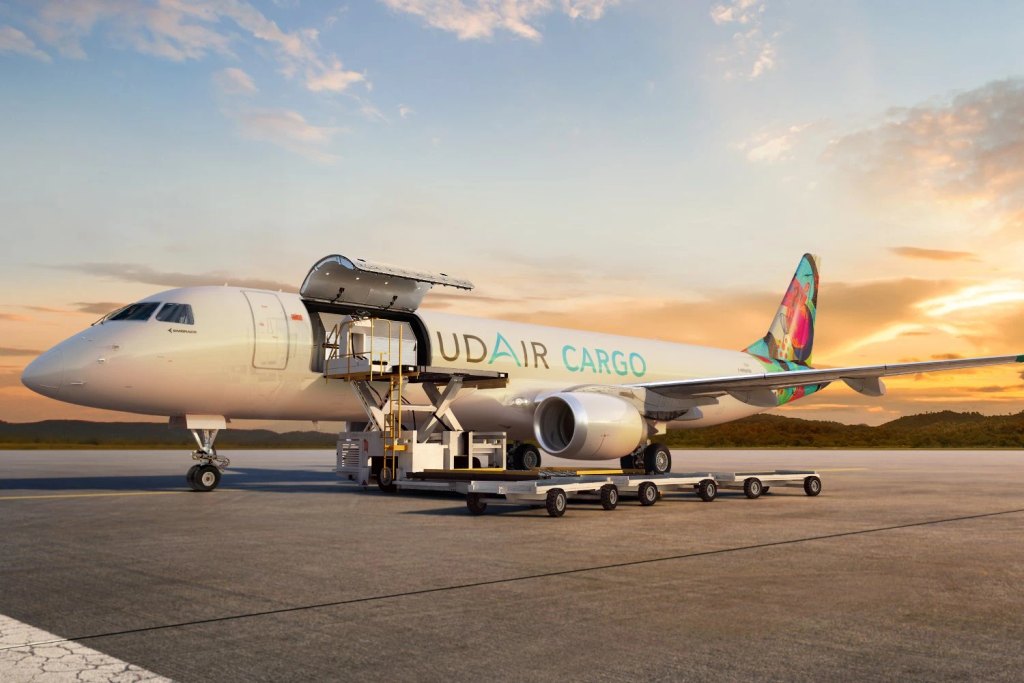
BermudAir To Get The Embraer E190F: Is It Worth It?
BermudAir has confirmed plans to lease an Embraer E190F freighter from Regional One, becoming the first operator of Embraer’s E Freighter programme in the Americas and… The post BermudAir To Get The Embraer E190F: Is It Worth It? first appeared on The Aviation Hub .
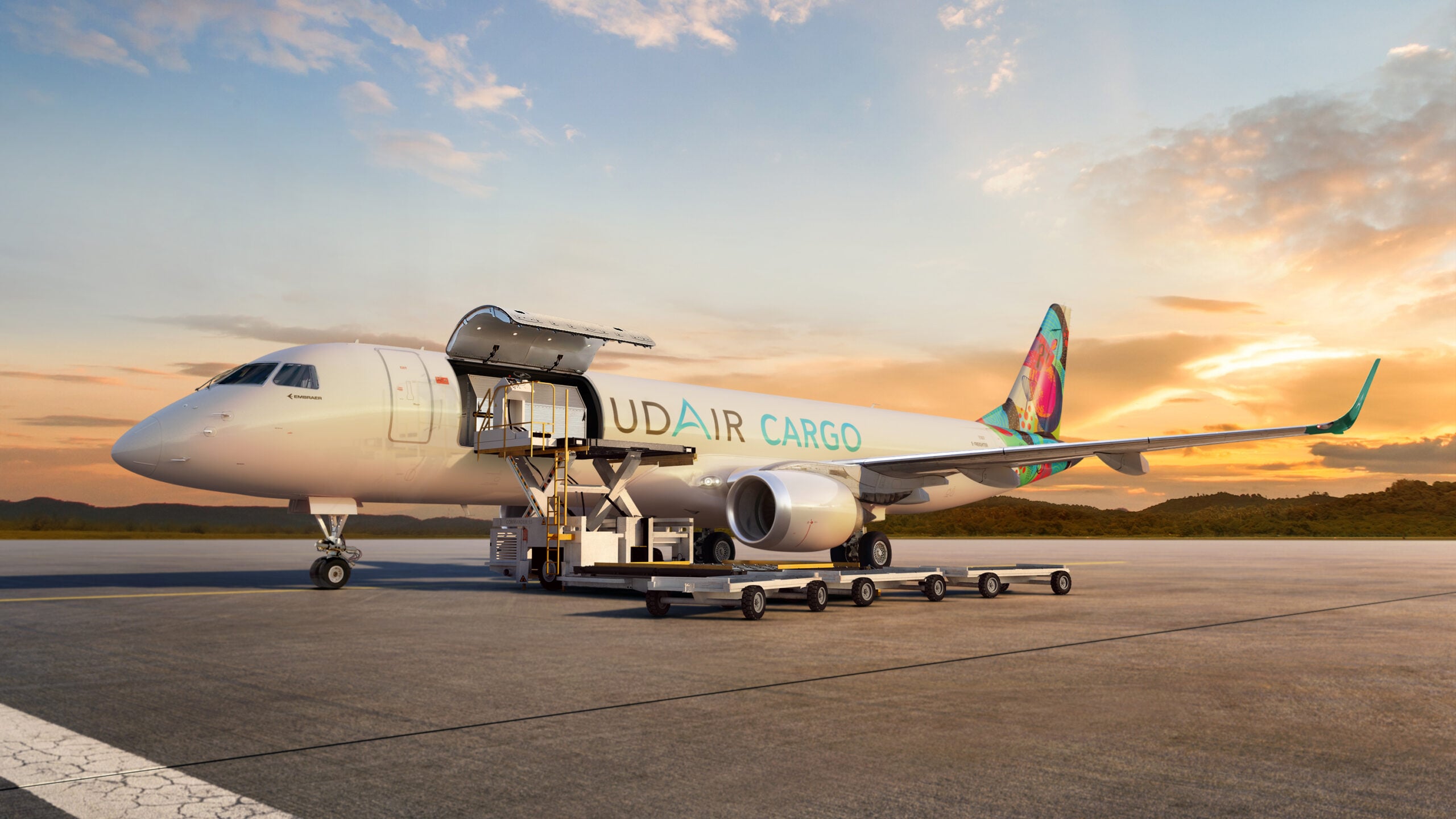
BermudAir becomes second global operator of E190F
Embraer and Regional One said that BermudAir has become the second airline worldwide to operate the Brazilian planemaker’s E190F freighter, with the aircraft marking the first deployment of the converted jet in the Americas. BermudAir will operate one E190F leased from aircraft lessor Regional One, expanding the airline’s existing passenger operation serving destinations across the […] The post BermudAir becomes second global operator of E190F appeared first on AviTrader Aviation News .
 Sep 17, 2026 · byAviTrader
BermudAir to become 1st passenger carrier to add E190F
BermudAir will take delivery of an Embraer E190F and become the first carrier in the Americas — and the second worldwide — to operate the type as it expands its services into the dedicated freighter market. The boutique airline, which launched in 2023 with two Embraer passenger jets, completed a lease deal with Regional One […] The post BermudAir to become 1st passenger carrier to add E190F appeared first on Cargo Facts .
BermudAir Becomes First E-Freighter Operator in the Americas with Embraer E190F
Aviation News – BermudAir has officially become the second global operator and the first airline in the Americas to deploy the new Embraer E190F cargo...

Glory at 11,000ft: Cusco’s Cienciano aim to bring Peru continental success once again
Cusco is known for tourism. But the city’s biggest football team is chasing a repeat of a South American title that caused shockwaves more than 20 years ago It was one of those nights when Cusco shifted the spotlight from its tourism engine to football. At a stadium named after Garcilaso de la Vega – celebrated for his chronicles about the Inca empire – around 30,000 people gathered to witness something far more immediate than nearby Machu Picchu, arguably the best-known archaeological site in the Americas. Cusco’s biggest team, Cienciano, were set to play in the first leg of the Copa Sudamericana quarter-final, 23 years after they became the first Peruvian club to lift an international trophy. Continue reading...
 Sep 16, 2026 · byThe Guardian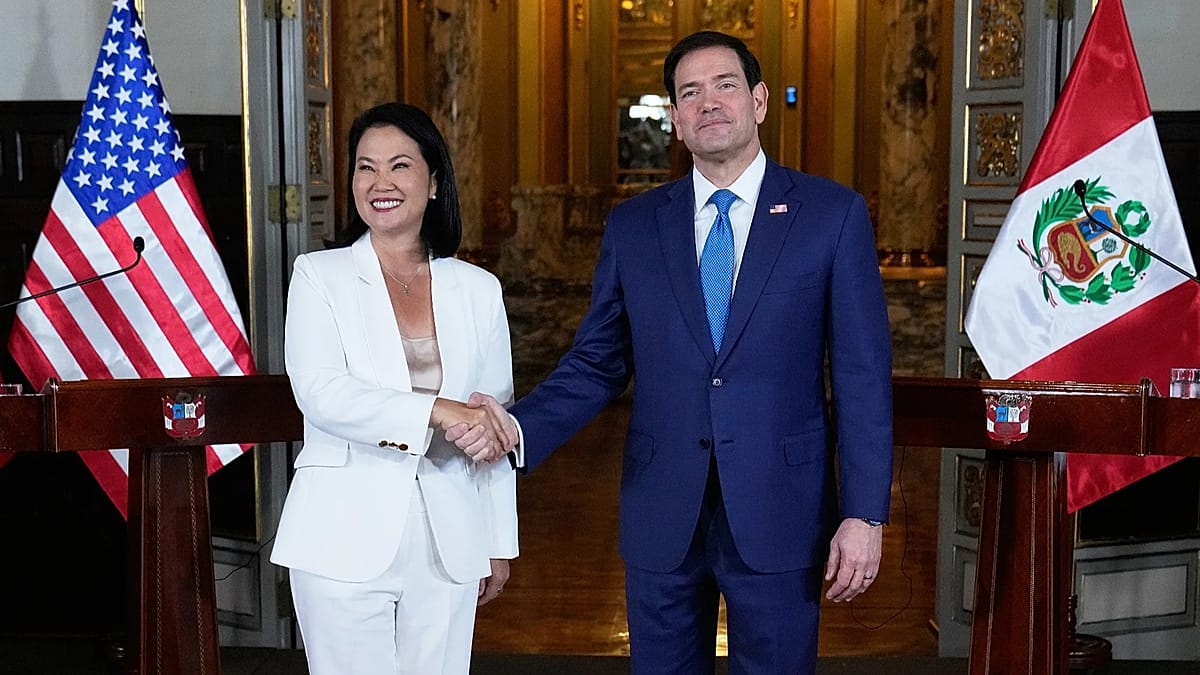
US to divert $52 million in military aid from Europe and Middle East to Trump-friendly nations in Americas
It comes after US Secretary of State Marco Rubio made a trip to South America last week, where he met with the conservative leaders of Peru, Colombia and Ecuador to pledge further support and cooperation.
 Sep 15, 2026 · byEuronews
ASG Khiari's remarks to the Security Council on developments in Yemen [as delivered]
Countries: Yemen, Djibouti Source: UN Department of Political and Peacebuilding Affairs New York, UN Khaled Khiari, Assistant Secretary-General for the Middle East, Europe, the Americas, Asia and the Pacific Mr. President, The situation in and around the Bab al Mandab Strait has become increasingly volatile in recent days. Further to the briefing of Special Envoy Grundberg to this Council on 10 September, fighting has intensified along Yemen’s west coast, as the Houthis continued their advance towards the Bab al Mandab Strait, reportedly capturing several islands in the southern Red Sea. According to maritime tracking sites, commercial shipping flows through the Red Sea appear to remain unaffected for the time being. Nevertheless, the Houthi advance has added to market concerns, amid continuing disruptions in the Strait of Hormuz. In parallel, the Government of Yemen reportedly launched a counteroffensive following the Houthi advances over the past week, with localized clashes reported across several frontlines in Marib, Lahj, Al-Jawf, Hajjah, Al-Bayda and Sa’ada. The counteroffensive, reportedly including extensive airstrikes, also extends to Taiz. Unconfirmed estimates indicate hundreds of combatant casualties in recent days. Mr. President, The impact of these hostilities also extends to the civilian population, forcing people to flee their homes, causing civilian casualties and putting already stretched humanitarian operations under growing pressure. Our colleagues from the Office for the Coordination of Humanitarian Affairs (OCHA) warn that at least 125,000 people have now been displaced across Yemen since the start of the month. Over this same period, the UN Human Rights Office has reported 40 civilian casualties – eight people killed and 32 others injured. Women and children account for half of those killed and more than half of those injured. Meanwhile, across the Red Sea in Djibouti, UN teams are working closely with the Government of Djibouti in response to the arrival of people fleeing the latest escalation of conflict in Yemen. As of 14 September, approximately 2,300 people had arrived in the Obock region in northern Djibouti. Registration is continuing, and further arrivals are expected. We call on all parties to protect civilians, respect international humanitarian law, and facilitate safe and unimpeded humanitarian access so that urgently needed assistance can reach communities in need. Mr. President, The ongoing escalation is not limited to the Bab al Mandab Strait and Yemen. On 14 September, the spokesperson for the Saudi coalition forces said 13 individuals were injured, and seven residences were damaged in Houthi missile and drone strikes on Abha, Khamis Mushait, and Taif in Saudi Arabia. On 12 September, the Kingdom of Saudi Arabia condemned the targeting of the East-West Pipeline in the Riyadh and Madinah regions by several drones reportedly launched from an area inside Iraq. The attacks reportedly resulted in injuries and material damage. The strikes caused the pipeline to shut down for repairs, interrupting the crucial artery Saudi Arabia had been using as an alternative to the Strait of Hormuz. In a statement, the Saudi Ministry of Foreign Affairs indicated it had decided to avoid escalatory countermeasures following a request from Iraq’s Prime Minister. On 12 September, the Office of the Iraqi Prime Minister released a statement expressing appreciation for “the Kingdom’s response to the efforts made by Iraq to contain the situation.” The statement also noted that Prime Minister al-Zaidi had ordered an urgent investigation into the attacks and the parties behind them. Iraq also reaffirmed that “its territory and airspace will not be a launching pad for aggression against any State”. Mr. President, On 14 September, the Houthis claimed to have targeted the King Khaled Airbase in Khamis Mushait in southern Saudi Arabia with several ballistic missiles and drones in response to “300 Saudi airstrikes over the past five days”. This follows an earlier attack on 8 September on civilian and economic targets across Abha, Khamis Mushait, Jizan and Najran in southern Saudi Arabia, reportedly injuring 73 civilians, including women and children. We reiterate our firm condemnation of Houthi cross-border attacks on civilian and energy infrastructure in Saudi Arabia. Navigational rights and freedoms in and around the Red Sea and the Bab al Mandab Strait must be fully restored and respected by all, in accordance with international law and consistent with relevant resolutions of this Council, including resolution 2722. We remain concerned by the continued intensification of military clashes across multiple frontlines in Yemen, and call upon all parties to exercise restraint, prevent further escalation, and engage constructively with UN-led political efforts. Mr. President, We remain deeply concerned by the continued instability affecting another critical maritime waterway in the region – the Strait of Hormuz. Navigational rights and freedoms in and around international maritime corridors must be fully restored and respected in accordance with international law. The longer the Strait remains choked, the higher the cost globally. Further escalation risks grave consequences for international peace and security, global energy markets, food security, and the economies of countries far beyond the region, particularly the most vulnerable. All parties must take every feasible precaution to protect civilian vessels, crews and infrastructure. Mr. President, Developments around the Bab al-Mandab underline the urgent need to prevent Yemen’s conflict from further threatening the security of the Red Sea and this vital international maritime route. What is needed now is sustained engagement that reduces tensions, prevents further escalation and safeguards freedom of navigation. The parties in Yemen should prioritize dialogue and engage constructively with UN-led efforts toward a negotiated political solution. Thank you.
Sep 15, 2026 · byReliefWeb
Mosquito 'toilet' detects West Nile and first Hedwig-like virus found in the Americas
When public health researchers want to know whether diseases such as COVID-19 or polio are circulating in a community, they can look for genetic evidence in wastewater.

Guatemala: PAHO Regional Situation Report No.11: Measles in the Region of the Americas (11 September 2026)
Countries: Guatemala, Canada, Mexico, United States of America, World Source: Pan American Health Organization Please refer to the attached file. Summary of the Situation Between epidemiological week (EW) 1 and EW 35 of 2026 (which ended on 5 September 2026), the Region of the Americas reported 52,676 confirmed cases of measles in 17 countries and territories, representing a 3.8-fold increase compared with the same period in 2025. Guatemala (33,334), Mexico (12,848), the United States (3,134), Peru (1,997), and Canada (1,119) account for the vast majority (99.5%) of confirmed cases (Map 1). A total of 61 deaths have been reported, including 41 in Guatemala, 19 in Mexico, and one in Bolivia (1). During EW 33 and EW 34 of 2026, the Region of the Americas reported 911 new confirmed cases of measles in six countries and territories, representing a 36.6% decrease compared with the previous two-week period (EW 31–32; 1,436 new cases, of which 274 were retrospectively accounted for since the last regional situation report was published) (Figure 1). Of the 911 new confirmed cases reported during EW 33–34, Guatemala accounted for 350, followed by the United States with 303, Peru with 171, and Mexico with 83 while Bolivia and Canada reported two cases each2.
Sep 14, 2026 · byReliefWeb
Emily St John Mandel: ‘When half the electorate disagrees on basic reality, how do you come back from that?’
Her hit novel Station Eleven seemed to predict the pandemic, now the novelist is tackling the future of the US. She talks about chance, world-building and experiencing a ‘tiny bit’ of clairvoyance When Emily St John Mandel was a child she had a dream that would stay with her for decades. It was a nightmare in which “I was trying to find my dad in a crowd, and there were other people who looked like him but weren’t him”, she says. “It just kind of struck my imagination.” Forty-ish years later, Mandel’s seventh novel, Exit Party, opens with a gathering in Los Angeles, 2031, where bizarre things happen. Doubles of some guests appear. Someone else disappears altogether. The novel then alternates between two potential future Americas, one riven by the chaos of civil war, the other a surveillance state. Continue reading...
Sep 13, 2026 · byThe GuardianEmily St John Mandel: ‘When half the electorate disagrees on basic reality, how do you come back from that?’
Her hit novel Station Eleven seemed to predict the pandemic, now the novelist is tackling the future of the US. She talks about chance, world-building and experiencing a ‘tiny bit’ of clairvoyance When Emily St John Mandel was a child she had a dream that would stay with her for decades. It was a nightmare in which “I was trying to find my dad in a crowd, and there were other people who looked like him but weren’t him”, she says. “It just kind of struck my imagination.” Forty-ish years later, Mandel’s seventh novel, Exit Party, opens with a gathering in Los Angeles, 2031, where bizarre things happen. Doubles of some guests appear. Someone else disappears altogether. The novel then alternates between two potential future Americas, one riven by the chaos of civil war, the other a surveillance state. Continue reading...
Sep 13, 2026 · byThe Guardian
Qatar Airways Expands Global Network to Over 170 Destinations this Winter Season
Qatar Airways will expand its global network to more than 170 destinations during the 2026-2027 winter season, reflecting the airline’s network growth and reinforcing its position as a leader in global connectivity. The winter schedule will see Qatar Airways operate more than 186 weekly flights across Africa, Asia Pacific, Europe, the Americas and the Middle East, providing passengers with greater choice and seamless experiences through its award-winning hub at Hamad International Airport.
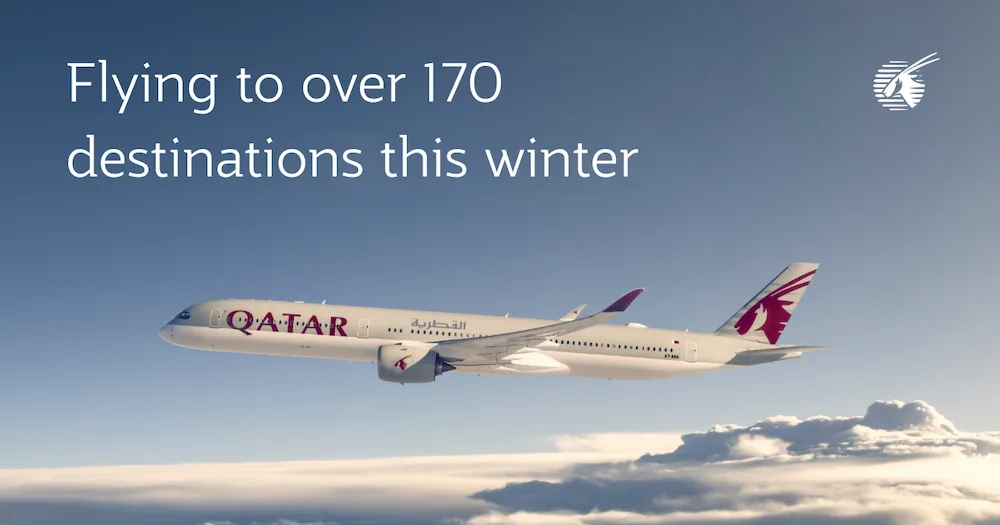
Qatar Airways: 170 global destinations this winter
The winter schedule will see Qatar Airways operate more than 186 weekly flights across Africa, Asia Pacific, Europe, the Americas and the Middle East. As part of elevating the in-flight...

Football Daily | Mauricio Pochettino, Tottenham’s game of thrones and retrospective action
Sign up now! Sign up now! Sign up now? Sign up now! State-sanctioned execution of spouses and allies (Henry VIII), the Marian persecutions (Mary I), and enslavement and branding of the unemployed (Edward VI). During the 15th and 16th centuries, assorted monarchs from the House of Tudor were responsible for visiting no end of dread and terror on their subjects but it is the 44-day reign of one of their more contemporary counterparts at Tottenham that local subjects found truly unforgivable. Enthroned last February to secure Spurs’ safety following the dismissal of Thomas Frank, Igor Tudor took just one point from 15 available in his five top-flight games in charge. His subsequent deposition heralded the arrival of Roberto De Zerbi and ultimately last-day Premier League survival, but may also have denied the club’s fans a reunion with Mauricio Pochettino, a comparatively beloved former monarch who was tasked with focusing on other conquests in the Americas at the time. Given that Mauricio Pochettino believes the Premier League title shouldn’t go to the club that finished first in the table, he truly is a Spurs manager at heart. And, given he also says that if he were Chelsea manager at the time, he’d admit that ‘we don’t deserve the title because we broke the rules’, it also conclusively proves he was the completely wrong man for Chelsea” – Noble Francis. Just because Amazon now co-owns Liverpool FC doesn’t mean it can command Alexa Alexis to score a match-winning goal in European competition, does it?!” – Peter Oh. This is an extract from our daily football email … Football Daily. To get the full version, just visit this page and follow the instructions . Continue reading...
Sep 10, 2026 · byThe Guardian