El Niño
112 articles · 1+ stories
Latest El Niño articles


UK shares damning climate crisis national security report suppressed under Starmer
El Niño poses critical threat to nations’ defences, says Ed Miliband in presentation to global foreign ministers The UK has warned countries around the world that the climate and nature crises and the coming El Niño threaten their national security and defence, presenting foreign ministries with the findings of an explosive report suppressed under Keir Starmer. Ed Miliband, foreign secretary, made a presentation to the foreign ministers of the EU as well as Kenya and other countries on Wednesday night at a private meeting during the UN general assembly in New York, based on the report by the UK’s spy chiefs that found the collapse of natural systems around the world would lead to conflict, migration and food shortages. Continue reading...
 Sep 23, 2026 · byThe Guardian
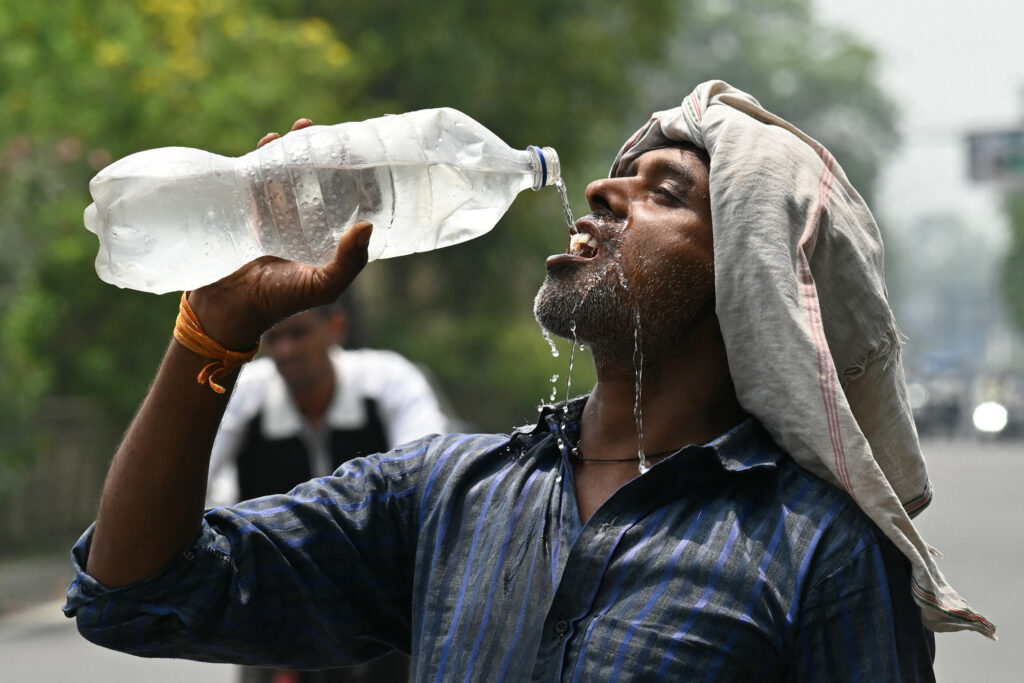
El Niño-driven heat could cause half a million extra deaths, report says. Here's where
This year's powerful El Niño and the record global heat it's driving, along with severe droughts, wildfires and shrinking water supplies, could lead to nearly half a million more deaths worldwide by the end of February, according to a research report released Wednesday.

Scientists warn super El Nino could cause 450,000 deaths: Should we worry?
Global South countries will be worst affected by the phenomenon sweeping the planet from June to February.
 Sep 23, 2026 · byAl Jazeera
El Nino: Climate scientists warn of "Godzilla-level" climate event
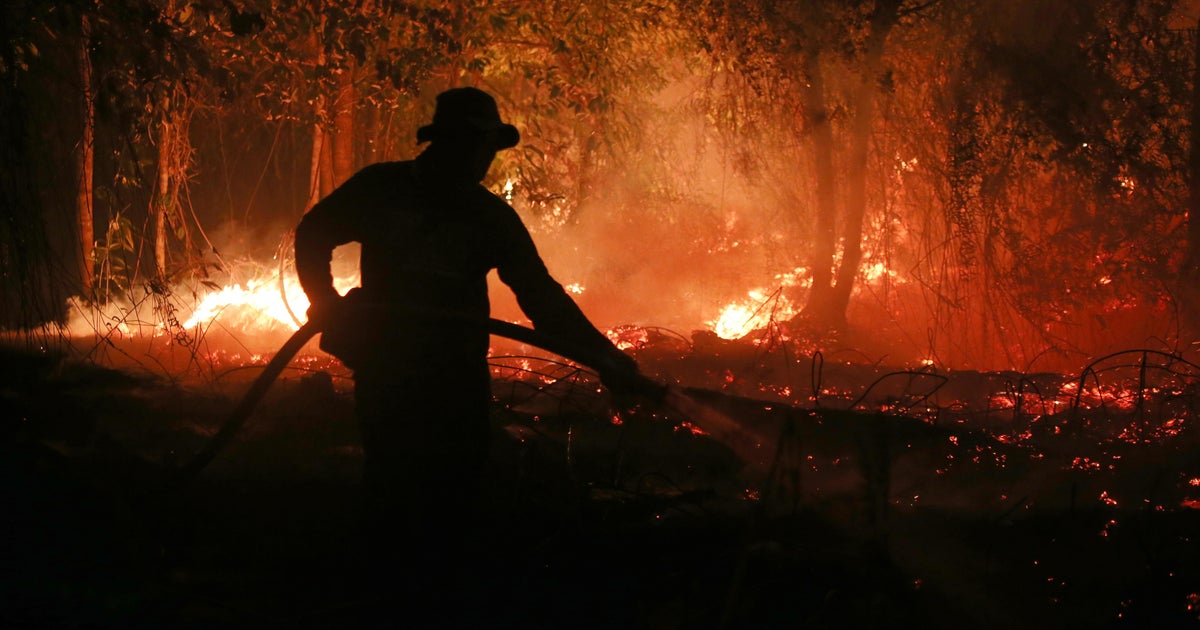
Extreme heat caused by this year’s “super El Niño” could lead to as many as 451,000 excess deaths worldwide in the six months to February 2027, according to researchers at the University of Chicago’s Climate Impact Lab. The number of extremely hot days is expected to rise by 44%, with Nigeria, Indonesia and Sudan among the countries likely to be worst affected. Researchers warn that the impact could extend well beyond the six-month period studied. Carys Garland reports.
El Niño could cause 451,000 more heat deaths compared to normal year, group says
Researchers project nearly half a million more heat-related deaths from June 2026 to February 2027 compared with a typical year, as a result of El Niño.

Super-strong El Niño could lead to 450K deaths. Map shows the states hit hardest
The worst heat may still be to come.
 Sep 23, 2026 · byThe Hill
Britain to join the EU’s new global ocean monitoring system
Cooperation on OceanEye, which will help to predict extreme weather and climate events, comes amid government attempts to move closer to Brussels Britain is to join a major new ocean science programme, led by the EU, to better forecast extreme weather and climate events, it will announce today in New York. The announcement comes as Andy Burnham’s government aims to rebuild the UK’s relationship with Europe, and follows warnings that this year’s “supersized” El Niño, tracked in the Pacific Ocean, will fuel more extreme weather globally. Continue reading...
Sep 23, 2026 · byThe Guardian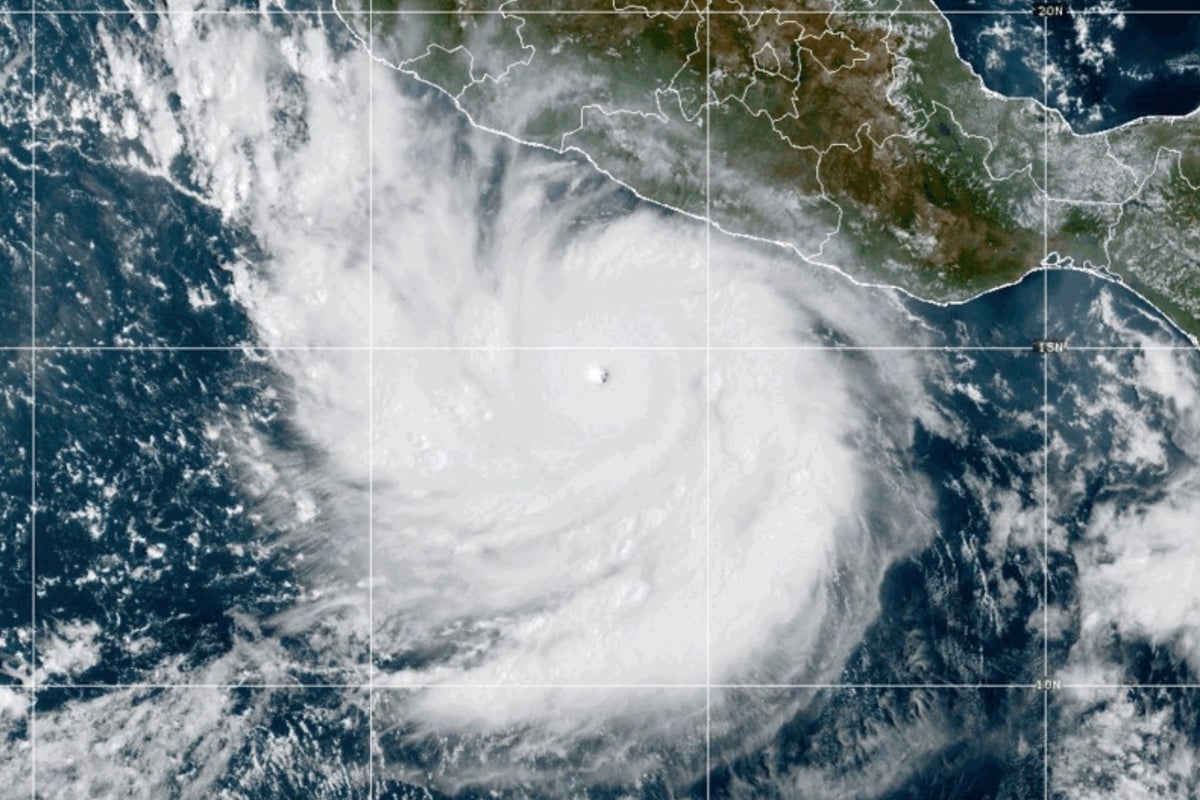
Hurricane Polo among ‘the strongest ever’ as Category 4 storm threatens Mexico’s coast
Experts have linked the rapid intensification of the ‘extremely dangerous’ storm to El Nino

Press Statement| Hunger and malnutrition crises persist in Somalia as projected floods and funding shortfalls threaten vulnerable populations
Country: Somalia Sources: Food and Agriculture Organization of the United Nations, UN Children's Fund, World Food Programme The Federal Government of Somalia and the United Nations warn that projected flooding and funding shortfalls could worsen the hunger crisis and push more people – especially children -- into extreme food insecurity and acute malnutrition. MOGADISHU, 23 September 2026 – Millions of people across Somalia continue to face high levels of hunger while acute malnutrition among children is set to worsen over the coming months when heavy flooding associated with the anticipated El Niño is expected to worsen the situation during October to December 2026, the Federal Government of Somalia and the United Nations (UN) warned today. The latest Integrated Food Security Phase Classification (IPC)* analysis projects that 5.4 million people will face crisis levels of hunger or worse between October and December 2026, including 1.5 million people facing emergency levels of hunger or worse. According to the IPC analysis, 1.92 million under-five children will require treatment for acute malnutrition between July 2026 and June 2027, including 433,000 children with severe acute malnutrition - the deadliest form. Nearly 62 per cent of the country's malnutrition burden is concentrated amongst rural populations; while internally displaced people in Belet Weyne and pockets within the displacement sites in Baidoa, are projected to reach Extremely Critical levels (IPC Acute Malnutrition Phase 5) as anticipated flooding disrupts access to services. According to the assessment, acute malnutrition in Burhakaba district, Bay region, which was at risk of famine in April, has improved, as a combined result of the Gu rains and a scale-up of the humanitarian response in that district. The current analysis however indicates a risk of famine in Baidoa, also in Bay region, where internally displaced people (IDPs) face both catastrophic hunger risk and extremely critical malnutrition classifications. As the risk of famine assessment for Baidoa IDPs is based on data collected in April 2026, a follow up assessment is planned for October 2026 to gather new evidence and confirm the level of risk. “The humanitarian crisis in Somalia remains dire and millions of people are at risk due to these high levels of hunger and malnutrition,” said George Conway, Humanitarian Coordinator for Somalia. “The projected threat of El Niño-related flooding will further undermine already fragile livelihoods, displace vulnerable communities and increase the risk of disease. We call for urgent action and additional resources to protect lives, strengthen preparedness and prevent this crisis from deteriorating further.” The period from October to December 2026 carries the highest risk, as floods are projected due to heavy El Niño-induced rains that will hit rural riverine and agropastoral communities hardest — destroying crops and livestock, cutting households off from markets and income, and triggering new waves of displacement. According to the Somalia Disaster Management Agency (SODMA), 2.5 to 3.5 million people could be exposed to flooding, with 1 million likely to be displaced from areas where they farm and graze livestock, swelling the ranks of people already facing acute hunger. “We are deeply concerned by the worsening food insecurity and malnutrition situation, particularly as we prepare for the potential impacts of El Niño,” said Mohamuud Moallim Abdullahi, Commissioner, Somalia Disaster Management Agency (SODMA). “The Government is working closely with humanitarian partners and state authorities to address the multiple crises that Somalia is facing. We urge all partners and donors to support these efforts so that we can act early, protect lives and livelihoods, and reduce human suffering.” The Federal Government of Somalia and the UN are calling for immediate action to protect and finance the continuity of both general food and cash assistance and treatment for severe and moderate acute malnutrition; pre-position food, emergency livelihoods and nutrition supplies, and enhance cash readiness in rural and flood-prone areas before flooding restricts road access in October; and scale up integrated food security, nutrition, health, and water and sanitation outreach, as well as screening for rural host communities and IDPs alike in the highest-risk districts. With limited funding, a sustained investment in seasonal food security, nutrition and mortality assessments and monitoring is urgently needed to inform prioritization decisions and support timely action. Funding decisions taken in the coming weeks will determine whether both food and treatment are available when the October deterioration begins — and whether these can still reach communities once roads are cut. Agropastoral communities across the country, already weakened by successive poor seasons including the below-average 2026 Gu rains, are among the most affected. Rural areas account for two thirds of the malnutrition burden. El Niño-induced flooding anticipated during the Deyr (October to December) season is expected to exacerbate existing vulnerabilities, disrupt food production and drive further displacement, food insecurity and malnutrition. "Families already facing hunger cannot afford to lose their harvests or livestock to floods," said Etienne Peterschmitt, FAO Representative in Somalia. "Urgent funding is needed to turn early warnings into action, to save lives, protect livelihoods, and support early recovery for rural populations as this crisis deepens." **“**Millions across Somalia are struggling to recover from drought, insecurity and high food costs, with many families having exhausted the resources they relied on,” said Hameed Nuru, WFP Representative and Country Director in Somalia. “As flooding threatens to bring yet another shock, WFP is preparing for the months ahead, delivering assistance to communities most in need, and supporting early action to protect lives and livelihoods. The support we receive now will determine how many families we can support before the crisis deepens.” “Between 2021 and 2025, UNICEF, together with the Government of Somalia and partners, supported more than 2.25 million admissions of children with severe acute malnutrition. Timely access to treatment has saved lives and given children the opportunity to recover and thrive,” said Sandra Lattouf, UNICEF Representative in Somalia. “Today, these critical services are under increasing pressure due to funding shortages. Urgent support is needed to help Somali authorities and partners maintain treatment services through the end of the year and ensure that essential nutrition supplies reach the children and communities that need them most before access routes become more constrained. The UN in Somalia is scaling up integrated nutrition, health, water and sanitation, and food security assistance in the highest-risk districts, prioritising areas classified at Phase 4 and above and displacement settlements in Beledweyne and Baidoa.##### Notes for editors: The Integrated Food Security Phase Classification (IPC) is a multi-partner initiative for improving food security and nutrition analysis and decision-making. Governments, UN agencies, NGOs, civil society and other actors use the IPC classification and analytical approach to determine the severity and magnitude of acute and chronic food insecurity, and acute malnutrition, according to internationally recognized scientific standards. Find out more here . About FAO The Food and Agriculture Organization (FAO) is a specialized agency of the United Nations that leads international efforts to defeat hunger. Our goal is to achieve food security for all and make sure that people have regular access to enough high-quality food to lead active, healthy lives. About UNICEF UNICEF works in some of the world's toughest places, to reach the world's most disadvantaged children. Across more than 190 countries and territories, we work for every child, everywhere, to build a better world for everyone. About WFP The United Nations World Food Programme is the world’s largest humanitarian organization saving lives in emergencies and using food assistance to build a pathway to peace, stability and prosperity for people recovering from conflict, disasters and the impact of weather extremes. Follow us on X, formerly Twitter, via @wfp, @WFPSomalia For more information, please contact: Zaki Hassan |FAO Somalia|+46 769 466 679 |Email: zaki.hassan@fao.org Sandra Bisin |UNICEF Somalia|+ 252 61 337 5885|Email: sbisin@unicef.org Joe English | UNICEF New York | +1 917 893 0692 |Email: jenglish@unicef.org Fatima Hirsi | WFP Somalia | +252 61 177 9672 |Email: fatima.hirsi@wfp.org Azfar Deen | WFP Nairobi | +39 345 846 6425 |Email: azfar.deen@wfp.org
 Sep 23, 2026 · byReliefWeb
Super El Niño could cause 451,000 excess deaths worldwide
Extreme heat linked to this year’s “super El Niño” could cause up to 451,000 excess deaths worldwide in the six months to February 2027, according to researchers at the University of Chicago’s Climate Impact Lab. The number of extremely hot days is expected to rise by 44%, with Nigeria, Indonesia and Sudan among the countries likely to be most affected. Researchers warn that the impact could extend well beyond the six-month period studied. Chloe Brimicombe, a climate scientist from the University of Oxford, shares further details about this climate phenomenon.

SOMALIA: IPC Acute Food Insecurity and Malnutrition Snapshot | July - December 2026
Country: Somalia Source: Food Security and Nutrition Analysis Unit - Somalia Please refer to the attached file. Overview Somalia continues to face a volatile and complex food and nutrition crisis, with the risk of Famine identified for the second consecutive IPC analysis. Previous droughts, erratic rainfall, insecurity, and above-average food prices are driving high levels of need, while the impacts of El Niño are expected to further aggravate conditions. At the same time, humanitarian funding and response capacity have declined sharply since January 2026 and are likely to reduce further in the coming months despite increasing needs. Nearly 5.1 million people are facing high levels of acute food insecurity— IPC Acute Food Insecurity (AFI) Phase 3 or above (Crisis or worse)—from July–September 2026. While an improvement from the April 2026 analysis, it is a 50 percent increase from the same period in 2025. Close to 1.4 million people are facing IPC AFI Phase 4 (Emergency), which is characterised by large food gaps and high acute malnutrition. Food security conditions vary significantly across the country. Pastoral, agropastoral and riverine areas are experiencing improvements in southern Somalia in the current period due to near-average rainfall during the Aprilto-June 2026 Gu season. However, Gu rains performed poorly in pastoral livelihoods of the northeastern region and adjacent areas in northwest and central Somalia. During the October–December 2026 projection period, the population in IPC AFI Phase 3 or above is expected to increase by 6 percent, to 5.4 million people, driven largely by flooding from El Niño and the Indian Ocean Dipole. This includes 1.5 million people in IPC AFI Phase 4 (Emergency) and, alarmingly, close to 26,000 people in Bay Region among Baidoa internally displaced persons (IDPs) in Catastrophe (IPC AFI Phase 5), facing starvation and the collapse of livelihoods. In a plausible worst-case scenario in which El Niño flooding and associated displacement are worse than expected, Baidoa IDPs face a risk of Famine from October–December 2026. Acute malnutrition has also deteriorated, with an estimated 1.92 million children aged 6–59 months suffering or expected to suffer from acute malnutrition from July 2026 to June 2027—a 4 percent increase from 2025. Approximately 157,000 pregnant and breastfeeding women are also facing or expected to face acute malnutrition during the same period. From June–September 2026, 19 areas are classified as IPC Acute Malnutrition (AMN) Phase 4 (Critical), reflecting a significant deterioration compared to historical trends. The situation is expected to further deteriorate in the projection period as El Niño rains heighten disease burden and outbreaks in IDP settlements, compromise access to safe water and hygiene practices, and severely limit access to health and nutrition services. Beletweyne IDPs are expected to deteriorate to Phase 5 (Extremely Critical), which is characterised by high disease prevalence and widespread deaths. Substantive deterioration towards the upper limit of IPC AMN Phase 4 is expected in seven areas: Bari Urban IDPs (Bossaaso), Bay Urban IDPs (Baidoa), Nugaal Urban IDPs (Garoowe), Beletweyne District, North Gedo Riverine, Bay Agropastoral and Shabelle Riverine livelihoods. While conditions remain severe, the acute malnutrition situation among agropastoral populations in Burhakaba District has shown a significant improvement since the April 2026 analysis, which identified the area as at risk of Famine through June 2026. This is largely attributed to the scale-up of a targeted and integrated humanitarian response. Urgent action is critical to save lives and mitigate the high levels of need forecasted for October to December. This includes an immediate and targeted scale-up of humanitarian food security assistance as part of an integrated humanitarian response and alongside anticipatory action.
Sep 23, 2026 · byReliefWeb
Somalia: IPC Acute Food Insecurity and Acute Malnutrition Analysis July–December 2026 - A new risk of Famine arises as flooding from El niño exacerbates already high levels of acute food insecurity and acute malnutrition (Published on 23 September 2026)
Country: Somalia Source: Food Security and Nutrition Analysis Unit - Somalia Please refer to the attached file. Overview Somalia continues to face a volatile and complex food and nutrition crisis, with the risk of Famine (RoF) identified for the second consecutive IPC analysis. Acute food insecurity remains high due to a combination of factors, including the lingering effects of previous droughts, erratic rainfall in the 2026 April-toJune Gu season, conflict and insecurity, and above-average food prices, and El Niño related flooding during the forthcoming 2026 October-to-December Deyr season. Between July and September 2026, nearly 5.1 million people (26 percent of the analysed population) are facing high levels of acute food insecurity—IPC Acute Food Insecurity (AFI) Phase 3 or above (Crisis or worse). This includes close to 1.4 million people (7 percent of the analysed population) in IPC AFI Phase 4 (Emergency), which is characterised by large food gaps and high levels of acute malnutrition. While this reflects better-than expected seasonal improvement compared to the last analysis in April 2026, it represents a 50 percent year-onyear increase since July–September 2025 and the second highest number of people in IPC AFI Phase 3 or above since 2017. This steep deterioration from last year comes amid a sharp decline in humanitarian funding and response capacity, with humanitarian food security assistance (HFSA) expected to decline further in the coming months.
Sep 23, 2026 · byReliefWebDR Congo: DRC: Humanitarian needs surging as Ebola spreads and El Niño looms
Country: Democratic Republic of the Congo Source: CARE The twin threat of Ebola and El Niño in the Democratic Republic of Congo risks deepening an already dire humanitarian crisis, CARE International warns today. The warning comes as a new report projects as many as 10,000 people in the DRC could die as a result of additional heat brought by the super El Niño in the next six months. Michael Alandu, CARE Regional Director for West and Central Africa, said: “We are witnessing Ebola spread at a terrifying speed through communities already pushed to the brink by severe hunger, displacement, disease and conflict. At the same time, communities are bracing for El Niño-driven floods and drought.” Extreme weather cause by El Niño could displace families, destroy homes and livelihoods, contaminate water sources, disrupt health services, and leave entire communities cut off as roads and bridges become impassable. “When people are struggling to meet their most basic needs, disease spreads faster and becomes far harder to contain. The appearance of Ebola in South Ubangi, more than 1,000 kilometers from where it started in Ituri province, proves that no community is safe from the virus. Every new case places an intolerable burden on a healthcare system that is already stretched beyond its limits,” Alandu said. With millions displaced across the affected provinces, tracking exposure and containing Ebola is especially challenging. Many people live in overcrowded areas with limited access to healthcare, clean water and sanitation, while insecurity and poor road infrastructure make it harder to detect cases, reach communities and stop transmission. These same barriers can also undermine community engagement, surveillance, referral and access to care, all of which are essential to controlling an outbreak. Women and girls are paying the highest price in this crisis. They are often the ones caring for sick relatives, collecting water, finding food and looking after children, increasing their risk of exposure while adding to an already overwhelming burden. Displacement, disrupted services and economic hardship also heighten the risks of gender-based violence, including sexual violence, exploitation and exclusion from essential healthcare and protection services. CARE International is highlighting the urgent need to scale up prevention, surveillance and community-based response to save lives. CARE teams are working alongside the Ministry of Health, women-led organisations, healthcare workers and community members to build trust, strengthen awareness, support early identification of suspected cases, and provide vulnerable people with essential assistance. But the response is not keeping pace with growing needs; increased investment is urgently needed alongside guaranteed humanitarian access. As climate risks intensify, humanitarian and public health responses must also be better prepared to operate in communities that may become increasingly difficult to reach. “Investing now in local capacity, community preparedness and resilient health systems can help ensure that an Ebola response is not disrupted by the next climate-related shock. Acting now will save lives,” Alandu said. For media inquiries , please email ellis@careinternational.org or press.uk@careinternational.org
Sep 23, 2026 · byReliefWeb
Powerful El Nino could cause more than 450,000 deaths, scientists say
Heaviest toll expected in poorer countries, already struggling with food insecurity and high energy costs, report says.
Sep 23, 2026 · byAl Jazeera
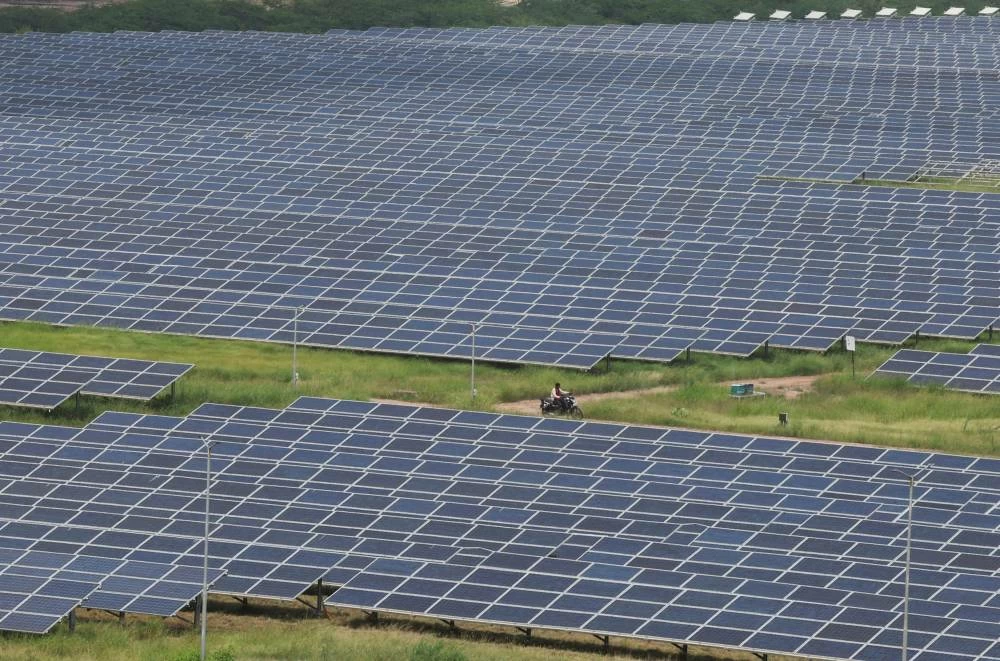
The climate fight has one great ally. You just can’t look at it directly | Bill McKibben
There is hope in solar power. As the UN meets, we are urging leaders to pursue a clear goal: clean energy for all by 2030 Our message to global leaders: we need solar power everywhere by the decade’s end As climate experts from around the world gather in New York for their annual week of talking through the world’s deepest dilemma, the vibes are mostly bad. Though 2026 seems likely to set a new global temperature record (and 2027, as El Niño gathers steam, is almost certain to break it), and though the planet has careened from one climate disaster to another (European heatwaves that killed tens of thousands, a Nepali flood that wiped out entire communities), and though scientists warn that we’re reaching precisely the global tipping points they’ve long feared (the new research on the faltering great currents of the Atlantic should send a literal chill up your spine), there’s a distinct lack of political momentum. The path forward is difficult, but the way is clear. We want solar for everyone, everywhere, before the decade is out. We know that standing up to the powerful can be scary. But if there is one thing that unites us, it is that we live beneath the same sun. That unity is our strength, and we must use it to act now. Bill McKibben is the Schumann distinguished scholar at Middlebury College. He is the founder of Third Act, organizing people over 60 for progressive change Continue reading...
Sep 23, 2026 · byThe Guardian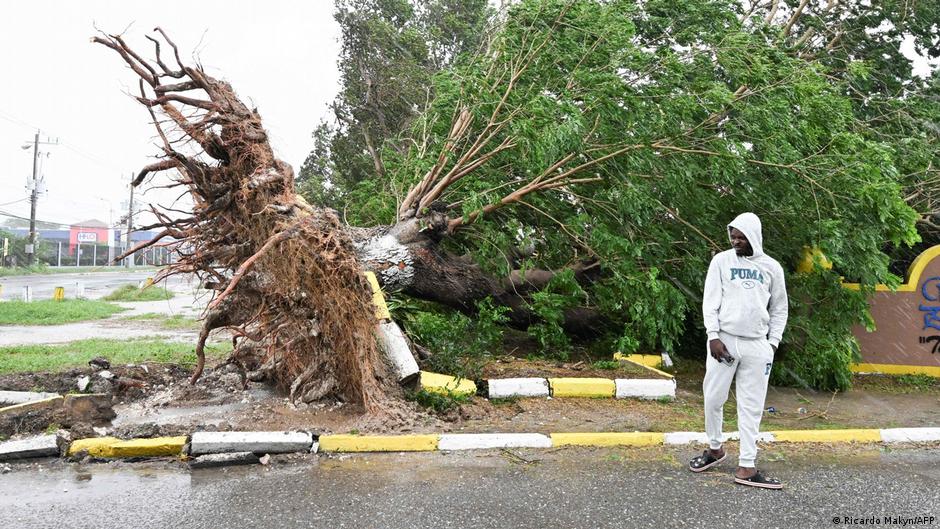
El Nino explained: How the weather pattern affects hurricanes and tropical storms
From drought to major floods and extreme heat, El Nino will have a huge impact on the world's weather. In the Atlantic, it could mean a season without hurricanes.
 Sep 23, 2026 · byDeutsche Welle
Chile's Atacama Desert blossoms with life after El Niño rains
A display of flowers has bloomed across Chile's Atacama Desert, one of the driest places on Earth, after the El Niño climate phenomenon brought heavy rain to the region.
El Nino heat could trigger 451,000 extra deaths by 2027
BENGALURU, India: This year's powerful El Nino and the record global heat it's driving, along with severe droughts, wildfires and shrinking water supplies, could lead to nearly half a million more deaths worldwide by the end of February, according to a research report released Wednesday. The grim warning by the University of Chicago-based Climate Impact Lab says that as many as 451,000 more heat-related deaths between June and the end of February could be attributed to El Nino, compared with heat deaths expected in a typical year. The heaviest toll, the group says, is expected in poorer countries, already struggling with food insecurity and high energy costs, partly due to climate change and the fallout of the war in Iran. Michael Greenstone, a co-founder of the group and the study's co-author, said the heat danger will likely persist beyond February - even though this El Nino is expected to end by then. The fallout of the weather phenomenon could be felt well into next summer, he added. The research, he said, shows that heat is most dangerous in places that are already hot and relatively poor. "If you’re already in a hot place, the extra couple of degrees are going to be much more dangerous,” he said. Wealthier places, he added, generally have greater access to air conditioning, reliable water supplies and functioning health systems. The study combined seasonal temperature forecasts with localized estimates of how high temperatures affect mortality across more than 24,000 regions worldwide. Researchers estimated the additional heat-related deaths by comparing deaths expected under El Nino-driven high temperatures with deaths expected if temperatures remained similar to what they have been in the last three decades. The projected fatalities are for the entire El Nino period, from June 2026 until the end of February 2027. The study by Greenstone and his colleagues also warns that the Global South - a term that isn't geographical but a reference to developing countries in general - will bear the heaviest burden of the excessive heat. The researchers behind the report found that the Sahel region in Africa - countries along the semiarid southern fringe of the Sahara Desert - is expected to be the hardest-hit, with about 66,800 additional deaths caused by El Nino-driven heat. Other major hot spots include South and Southeast Asia and parts of Latin America, according to the report. The researchers project about 19,400 additional heat-related deaths across the Philippines, Vietnam, Thailand and Cambodia, as well as 19,300 in Indonesia, 15,800 in India and 13,300 in Brazil. With such staggering numbers, there are recommended measures that governments can take, the report says. They include heat-warning systems, cooling centers, hydration stations, protections for outdoor workers, expanded hospital capacity and targeted outreach to elderly people and other vulnerable groups. The authors also call for what they describe as anticipatory financing, so governments can move resources before dangerous heat peaks. Abhiyant Tiwari, a heat expert at NRDC India who was not involved in the study, said the report’s projections should serve as a call to action rather than be another reason for alarm. But while it's one thing to have well thought-out plans - as India does - implementing these plans and raising needed funds remains a challenge, he said. "The real measure of our preparedness is not how many heat warnings we issue, but how effectively we protect people and reduce preventable deaths,” Tiwari added. El Nino is a natural climate pattern, but this year’s unusually strong event is occurring on a planet already warmed by human-caused climate change, increasing the risks from extreme heat. The Climate Impact Lab said global land temperatures during this El Nino could be higher by about 1.2 Celsius (2.1 Fahrenheit), producing 44% more extremely hot days than in a typical year. The report said those temperature increases may mirror conditions that climate change could make common some 20 years from now. That's why this El Nino could offer a preview of what's ahead as the planet continues to warm, the report said. It's also an opportunity for decision-makers "to see exactly where emergency actions can be taken now to save tens of thousands of lives,” the authors say.
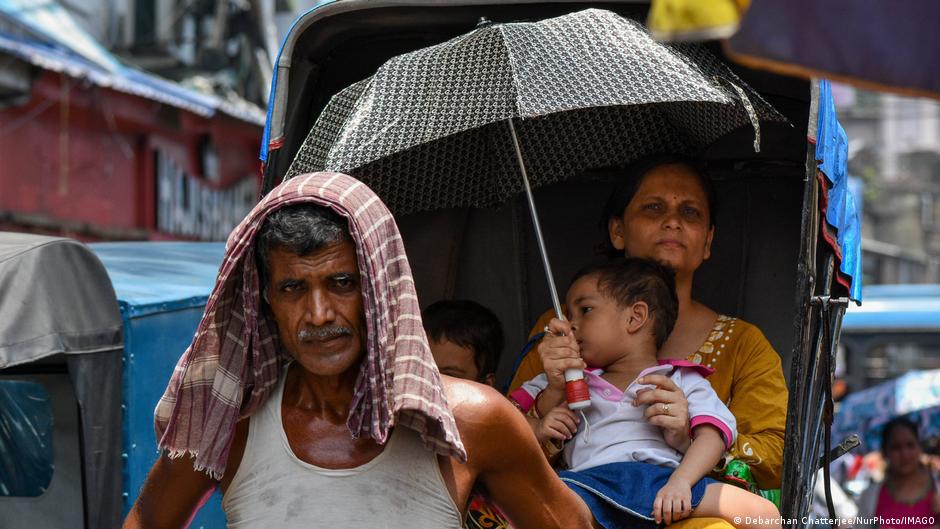
India news: El Nino heat could kill 15,800 by February, report warns
A new Climate Impact Lab report warned that the El Nino heat will be most dangerous in places that are already hot and relatively poor. Meanwhile, Canada says PM Modi just confirmed a trip to the nation. Follow live.
Sep 23, 2026 · byDeutsche Welle
What is an El Niño and how could it cause the hottest year on record? – video
This year’s ‘super' El Niño currently heating up the planet has surpassed the highest temperature ever recorded for the phenomenon, several months before it has even reached its expected peak. But what exactly is an El Niño and how do they work? Matilda Boseley explains • Huge El Niño projected to cause 450,000 deaths in next six months Continue reading...
Sep 23, 2026 · byThe Guardian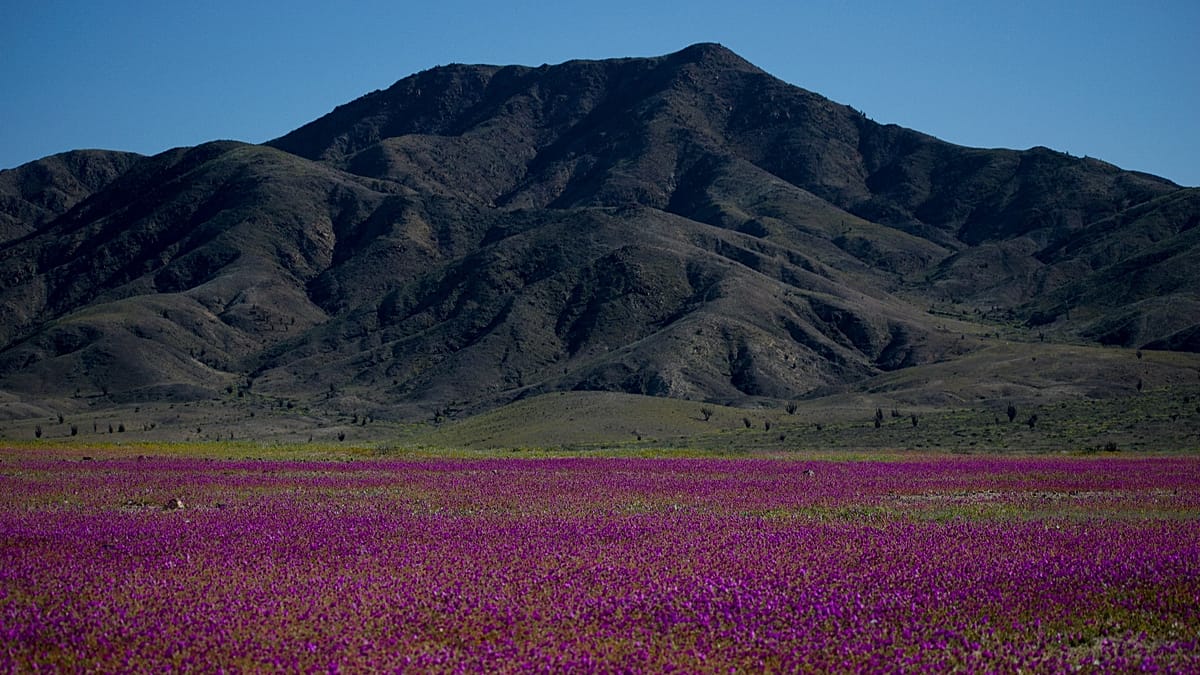
El Niño transforms Atacama desert as thousands of hectares burst into bloom
Exceptionally heavy El Niño rains have awakened millions of seeds lying dormant underground, carpeting vast swathes of one of the planet's driest places with flowers.
 Sep 23, 2026 · byEuronews
El Niño transforms Chile's Atacama Desert as thousands of hectares bloom
Exceptionally heavy El Niño rains have awakened millions of seeds lying dormant underground, blanketing vast swathes of one of the planet's driest regions with flowers.
Sep 23, 2026 · byEuronews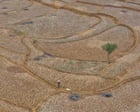
Huge El Niño projected to cause 450,000 deaths in next six months
New report predicts a heavy toll from Nigeria to the US – and comes on top of existing impacts of the climate crisis More than 450,000 people are projected to die from the additional heat brought by the super El Niño in the next six months, according to estimates by climate scientists. The toll is on top of the early deaths resulting from temperatures already driven up by the climate crisis. It will strike across the globe, from Indonesia to India, and Nigeria to the US. Many further deaths are expected from the droughts, wildfires and flooding that El Niños bring. Continue reading...
Sep 23, 2026 · byThe Guardian