

UK shares damning climate crisis national security report suppressed under Starmer
 Sep 23, 2026 · byThe Guardian
72 articles · 2+ stories
El Niño poses critical threat to nations’ defences, says Ed Miliband in presentation to global foreign ministers The UK has warned countries around the world that the climate and nature crises and the coming El Niño threaten their national security and defence, presenting foreign ministries with the findings of an explosive report suppressed under Keir Starmer. Ed Miliband, foreign secretary, made a presentation to the foreign ministers of the EU as well as Kenya and other countries on Wednesday night at a private meeting during the UN general assembly in New York, based on the report by the UK’s spy chiefs that found the collapse of natural systems around the world would lead to conflict, migration and food shortages. Continue reading...
Sep 23, 2026 · byThe Guardian
Kenya breaks ground September 30 on the Dangote-backed East Africa Oil Refinery in Lamu, a project priced at $17 billion by Kenyan officials and $20 billion by Aliko Dangote himself, and designed to process 700,000 barrels of crude oil a day at Lamu's deep-water port. It would serve Kenya, Uganda, South Sudan, Rwanda, Burundi and the Democratic Republic of Congo. Disclosed financing for the project totals $1.6 billion against a price tag of $17 billion to $20 billion. Tanzanian billionaire Mohammed Dewji has committed $100 million to the project.…

The 2027 Africa Cup of Nations will be held in Kenya, Uganda and Tanzania, with 24 qualification spots up for grabs.
 Sep 23, 2026 · byAl Jazeera
Country: World Source: Save the Children NAIROBI, 22 September 2026 – About 8 million children across East and Southern Africa could face acute hunger by early 2027, a rise of 30%, as one of the strongest El Nino weather events in recent years fuels a growing food crisis, according to new analysis by Save the Children. Analysis of recent data from global hunger monitor, the Integrated Food Security Phase Classification (IPC), found that the number of people facing crisis levels of hunger or worse (IPC Phase 3+) in six countries is expected to surge from 12.6 million people to 16.4 million by March 2027 driven in part by the impacts of the looming “Super” El Niño. Currently six million children in those six countries are experiencing severe food shortages [1] but this is set to rise to eight million in the next few months unless urgent action is taken, Save the Children said. The agency’s analysis only covered countries with recent IPC reports where El Niño is projected to have devastating impacts including Madagascar, Malawi, Mozambique, Zambia, Uganda and Kenya. New hunger data is due out shortly for Somalia which has already been flagged for being at risk of El Nino-related floods . Uganda is projected to have the highest absolute number of people facing acute food insecurity in coming months, with 4.4 million people expected to be in crisis or worse levels of hunger by early 2027 – a 22% increase on previous figures. The situation is particularly bad in the Karamoja region of northeastern Uganda which has seen an increase of more than 40% in the number of people facing crisis or emergency food insecurity. Zambia is forecast to experience the sharpest deterioration, with the number of people facing crisis-level hunger rising by 80% to over 1.2 million people, while Madagascar, Mozambique and Malawi are expected to see increases of 75%, 55% and 35% respectively. While food security is expected to improve in Kenya overall by the start of 2027, having already deteriorated this year, the situation among refugees in the country is expected to deteriorate due to El Niño-related flooding. In Mozambique, the forecast comes as many communities in the central provinces are still recovering from severe flooding earlier this year, while conflict driven- displacement in Cabo Delgado continues to put pressure on food, water and health services. In Madagascar, about 502,000 children aged under 5 - or one in 10- are expected to suffer from acute malnutrition between May 2026 and April 2027. This includes about 78,000 children expected to have severe acute malnutrition, the most deadly form of malnutrition requiring urgent medical treatment [2]. The worsening food crisis across much of the region comes as a result of one of the strongest El Niño weather events in recent years, coupled with record-breaking global temperatures, a deadly combination that will cause dangerous droughts, crop failures and livestock losses across parts of Southern Africa. At the same time, the El Niño phenomenon will cause devastating floods in parts of East Africa, pushing already vulnerable families deeper into crisis. Save the Children said El Niño is unfolding against a backdrop of conflict, hunger, displacement, economic instability and humanitarian funding cuts. Without early action, the aid agency said, climate shocks are likely to compound existing vulnerabilities and deepen humanitarian needs, particularly for children and their families. Yvonne Arunga, Regional Director for Save the Children in East and Southern Africa, said: "Hunger is not just about empty stomachs. Children who do not have enough nutritious food are more likely to become malnourished, fall ill, miss school and face increased risks of exploitation and abuse. The longer families go without support, the harder it becomes for children to recover . “When families' livelihoods are destroyed by floods or drought, children may face greater risks of child labour, trafficking, neglect, violence, forced early marriage, and other forms of exploitation. “We know El Niño is coming. We know which children are most at risk. And we know that anticipatory action works. Governments must turn early warnings into early action to protect essential services like schools, hospitals, water and social protection systems, before the crisis hits. The international community and donors must invest now, before droughts, floods and food crises escalate. Every dollar spent helping communities prepare and act early can save lives, protect livelihoods, and reduce the need for much larger humanitarian responses late r .” Save the Children has invested significantly in anticipatory action, taking practical action ahead of forecasted shocks to reduce impacts on children and communities. Across the region, Save the Children is helping families prepare for floods, storms and droughts such as through early warning information targeted at children, evacuation planning, strengthening of community preparedness, and anticipatory cash assistance to allow families to prepare for disasters. Save the Children is also reinforcing health facilities, schools and water systems so they can better withstand floods, droughts and other climate-related shocks. Ends. Notes to Editors: [1] Save the Children compared the most recent Acute Food Insecurity analyses (IPC Phase 3+) from six countries in East and Southern Africa; the countries were selected due to having IPC analyses with a validity period as of September 2026 and a projection that looks ahead into the end of 2026/ the first quarter of 2027 when the effects of El Niño are expected to peak. In all cases, Save the Children compared the number of people currently facing IPC3+, with the projected figure for early 2027 within the same analysis report. The number of children in IPC3+ for each country was estimated by looking at the total number of people facing IPC3+ levels of food insecurity, and applying the national share of children in the population according to the UN’s World Population Prospects 2024 revision. [2] According to data from IPC - Integrated Food Security Phase Classification
 Sep 21, 2026 · byReliefWeb
Countries: Ethiopia, Kenya, Somalia Source: Intergovernmental Authority on Development Please refer to the attached file. Adopted at the IGAD Regional High-Level Forum on El Niño Preparedness for the Horn of Africa Addis Ababa, Ethiopia, 17 September 2026 --------------------------------------------------------------------------------------------------------------------------------- We, the Ministers, Commissioners and Heads of Delegation of the Member States of the Intergovernmental Authority on Development (IGAD), meeting in Addis Ababa, Ethiopia, on 17 September 2026 at the IGAD Regional High-Level Forum on El Niño Preparedness for the Horn of Africa, Noting with concern that El Niño conditions have developed and are expected to strengthen through the remainder of 2026, and that the regional climate outlook issued by the IGAD Climate Prediction and Applications Centre (ICPAC) and the National Meteorological and Hydrological Services (NMHSs) of the region indicates an increased likelihood of wetter-than normal conditions over much of the equatorial and southern parts of the region during the October to December (OND) 2026 season, with the highest probabilities over southern Ethiopia, central and southern Somalia and north-eastern Kenya; Recalling the severe impacts of past El Niño episodes, including the floods of 1997–98 and of 2023, the latter of which claimed lives and displaced people across Ethiopia, Kenya and Somalia, and noting that damage to critical infrastructure in these episodes impeded access and rescue, disrupted essential services and prolonged recovery; Concerned that many communities face a rapid transition from prolonged dry conditions to heavy rains which, while replenishing water and pasture, heighten the risk of flash and riverine floods, landslides, displacement, outbreaks of human and transboundary animal diseases (TADs), concentration of livestock around water and grazing resources, rangeland degradation and the disruption of established pastoral mobility routes; Noting the evidence that every US$1 invested in anticipatory action can save up to US$7 in avoided losses, Mindful that climate hazards compound existing conflict, displacement and economic pressures in the region, including disruptions to maritime trade and supply routes through the Red Sea and the Gulf of Aden, that they can intensify competition over shared natural resources, and that they arrive at a time of severe constraints on humanitarian financing; Acknowledging rangelands and shared river basins as transboundary assets that sustain pastoralism, food security, biodiversity and borderland economies, and whose shared management is essential to peaceful coexistence; Guided by the Sendai Framework for Disaster Risk Reduction 2015–2030, in particular its Priority 4 on enhancing disaster preparedness for effective response and its global target (g) on multi-hazard early warning systems and disaster risk information; Articles 7 and 8 of the Paris Agreement, which identify early warning systems, emergency preparedness and risk insurance among the areas for cooperation; the United Arab Emirates Framework for Global Climate Resilience, which sets the target that “by 2027 all Parties have established multi-hazard early warning systems”; the Early Warnings for All initiative of the United Nations SecretaryGeneral; and targets 1.5 and 13.1 of the Sustainable Development Goals; Recalling Agenda 2063: The Africa We Want and its goal of environmentally sustainable and climate resilient economies and communities; the Programme of Action for the Implementation of the Sendai Framework for Disaster Risk Reduction in Africa; the African Union Climate Change and Resilient Development Strategy and Action Plan (2022–2032); the Africa MultiHazard Early Warning and Early Action System (AMHEWAS) Programme; the Kampala Ministerial Declaration on Migration, Environment and Climate Change and its continental expansion in 2023; and the African Union Convention for the Protection and Assistance of Internally Displaced Persons in Africa (Kampala Convention), under Article 4(2) of which States Parties “shall devise early warning systems” in areas of potential displacement; Welcoming the Addis Ababa Call to Action on Early Warnings in Africa, adopted at the Africa Early Warnings Forum held in Addis Ababa from 2 to 4 September 2026; Affirming that each State bears the primary responsibility to prevent and reduce disaster risk, as recognised in the Sendai Framework, and that international cooperation, as envisaged in its global target (f), serves “to complement their national actions”; Taking note of the findings of the technical segment of this Forum, held on 15 and 16 September 2026, and of the Regional Preparedness and Early Action Technical Annex, which accompanies this Call to Action and sets out country and regional priority actions, responsibilities and timelines; Recognising that the window for action before the onset of the OND rains is now a matter of weeks, and that effective preparedness requires timely climate information, pre-agreed anticipatory action, adequate and predictable financing, resilient systems and strong cross border cooperation; Hereby issue the following Call to Action: A. OUR COMMITMENTS AS IGAD MEMBER STATES We commit to: Activate plans before the rains. Review, update and activate national and subnational contingency plans and emergency coordination structures before the onset of the OND season, and implement the country priority actions, responsibilities and timelines set out in the Technical Annex, giving priority to the highest-risk areas, with clear arrangements for evacuation, shelter, humanitarian access and the protection of vulnerable and displaced people, consistent with our respective national, regional and international obligations. Pre-position and protect. Pre-position food, health, water, sanitation and hygiene (WASH), veterinary and agricultural supplies in at-risk areas, and protect critical infrastructure and essential services, including roads, bridges, flood defenses, schools, health facilities and water systems. Prepare health systems for flood-related outbreaks. Strengthen surveillance, early detection and response capacity for water-borne and vector-borne diseases, including cholera, malaria and Rift Valley fever, in line with the International Health Regulations (2005) and through a One Health approach that links human and animal health services. Protect agriculture, livestock and food systems. Translate forecasts into timely advisories on planting and harvesting, protect seed and food stocks and productive land, vaccinate livestock ahead of the rains, manage grazing pressure and support early and orderly livestock movement where necessary. Make financing move on triggers. Define or update anticipatory action triggers and pre-agreed actions, and use contingency budget lines, shock-responsive social protection, disaster risk insurance at national and local levels, and other disaster risk financing instruments to release resources as soon as agreed thresholds are reached. Invest before disasters occur. Progressively increase, within national budgetary processes, domestic allocations for disaster preparedness, early warning, anticipatory action and resilience, recognising, as the annexed scenarios illustrate, that each dollar invested before a disaster can avert several dollars in recovery costs. Share information across borders. Share forecasts, river flow and flood warnings, and human and animal disease alerts in a timely manner with neighbouring Member States, particularly for shared river basins, pastoral corridors and other transboundary risk areas, and draw on the disaster-related provisions of the Protocol on Free Movement of Persons in the IGAD Region and on the IGAD Protocol on Transhumance to keep cross-border movement safe, orderly and dignified. Reach the last mile. Ensure that warnings reach at-risk communities in time, in local languages and accessible formats, with clear guidance on what to do, and that communities, pastoralists, farmers, fisherfolk, women, youth, persons with disabilities, local authorities and traditional institutions are engaged in risk assessment, preparedness planning and early action. Build longer-term resilience. Integrate climate and disaster risk into national development plans, public investment programmes and sectoral policies, including investment in resilient infrastructure, climate-smart agriculture, sustainable land and rangeland management, infrastructure to capture and store wet-season water for water, energy and food security, and durable solutions for displacement-affected populations. Close the early warning gap by 2027. Accelerate national implementation of the Addis Ababa Call to Action on Early Warnings in Africa, in pursuit of the Early Warnings for All goal of universal coverage by the end of 2027 and the corresponding target of the UAE Framework for Global Climate Resilience. B. CALL TO ACTION FOR THE IGAD SECRETARIAT AND ITS SPECIALISED INSTITUTIONS We call upon the IGAD Secretariat, ICPAC and other IGAD specialised institutions to: Keep the region informed throughout the season. Provide regular, reliable and actionable updates, including monthly, weekly and flood forecasts, and translate them into impact-based information and early warning to early action protocols that Member States, partners and communities can act upon, including through the IGAD Disaster Operations Centre at ICPAC and its link with the continental AMHEWAS situation room. Coordinate the regional response to transboundary risks. Convene regular coordination among Member States and partners throughout the OND season, building on existing IGAD platforms and national early warning systems and improving their interoperability, and support joint monitoring, surveillance and information sharing on floods, pests and diseases across shared river basins, pastoral corridors and displacement routes. Anticipate transboundary animal disease risks. Through the IGAD Centre for Pastoral Areas and Livestock Development (ICPALD), strengthen integrated early warning to identify areas at heightened risk of TAD outbreaks linked to rainfall, flooding, livestock concentration, wildlife and livestock interaction and cross-border movement, and support harmonised surveillance, vaccination and veterinary certification. Safeguard cross-border mobility and shared rangelands. Support Member States to operationalise the IGAD Protocol on Transhumance, including agreed livestock corridors, joint management of shared pasture and water, protection of strategic grazing reserves and conflict-sensitive approaches that reduce competition over resources. Scale up anticipatory action and risk financing. Develop common regional approaches and tools, document and share good practice, and build bankable crossborder resilience project pipelines to mobilise resources for preparedness, early action and resilience. Track, measure and report. Monitor implementation of this Call to Action and its Technical Annex; with Member States and partners, refine the annexed scenarios into a regional assessment of the costs incurred and the losses averted; report on both to the IGAD Council of Ministers; and convene a regional post-season review in the first quarter of 2027 to capture lessons from the OND 2026 season. C. CALL TO ACTION FOR DEVELOPMENT AND HUMANITARIAN PARTNERS We invite development and humanitarian partners to join us in: Aligning behind national and regional priorities. Anchoring technical and operational support in Member State plans and the IGAD regional preparedness and resilience agenda, reducing fragmentation and duplication, and working with accredited multilateral delivery partners to design and implement large-scale, multi-country adaptation programmes. Acting before the peak. Scaling up early warning to early action in the weeks ahead, including anticipatory cash transfers, protection of crops, water sources and productive assets, strategic livestock vaccination and health campaigns, fodder preparedness and early management of grazing pressure. Programming across borders. Supporting cross-border and regional programming where risks, populations, ecosystems and markets transcend national boundaries, including humanitarian logistics, regional pre-positioning and access arrangements that account for disrupted supply routes. D. PARTNERSHIP WITH DONORS, FINANCIAL INSTITUTIONS AND RESOURCE PARTNERS Having set out our own commitments, and in a spirit of shared responsibility, we invite bilateral and multilateral donors, international financial institutions, climate funds, development banks and the private sector to join us in: Investing early, where it counts most. Providing predictable, timely and flexible financing for preparedness and anticipatory action ahead of the OND peak, where, as the annexed scenarios show, each contribution made before the rains averts several times its value in recovery costs, consistent with the case for scaling up investment in disaster risk reduction and pre-arranged financing affirmed in the Compromiso de Sevilla, adopted at the Fourth International Conference on Financing for Development in 2025. Pre-arranging finance. Expanding pre-arranged risk financing mechanisms, including risk insurance at national and local levels, that release resources rapidly when agreed early warning triggers are reached, and favouring coherent, nationally owned and regionally coordinated resilience pipelines over fragmented emergency appeals. Keeping existing funding agile. Including crisis modifiers and reallocation flexibility so that governments and partners can move rapidly from forecast to preparedness, from preparedness to anticipatory action, and from response to resilient recovery. E. CALL TO ACTION FOR COMMUNITIES, LOCAL ACTORS AND THE MEDIA We call upon communities, local actors and the media across the IGAD region to: Heed and share official warnings. Follow the forecasts and advisories of NMHSs, ICPAC and local authorities; take early protective action to safeguard lives, livestock, crops, water and property; support and protect the most vulnerable; contribute local knowledge to risk-informed decisions; and, in the case of the media, amplify verified early warning information and counter misinformation. OUR SHARED RESOLVE We recognise that climate and disaster risks do not respect national borders, and that no single country or institution can manage them alone. We commit to a whole-of-government and whole-of-society approach that brings together governments, IGAD, the United Nations system, development and humanitarian partners, donors, civil society, the private sector, the media and communities. We reaffirm that early warning without early action is insufficient; that early action without predictable financing cannot be sustained; and that emergency response alone cannot build resilience. We resolve to turn this Call into concrete, financed and measurable action, with clear responsibilities and timelines, building on existing national and local preparedness efforts, to account openly for what we deliver, and to review our progress together at the close of the season. Adopted in Addis Ababa, Ethiopia, on 17th September 2026.
Sep 21, 2026 · byReliefWeb
Countries: Somalia, Djibouti, Eritrea, Ethiopia, South Sudan, Sudan Source: Intergovernmental Authority on Development Please refer to the attached file. Initial Climate Watch issued on 11 August 2026 | Climate Watch No. 20260810-01-u1 Rainfall deficits have persisted across the northern sector of the Eastern Africa region from May through August, affecting Djibouti, Eritrea, Ethiopia, Somalia, South Sudan, and Sudan. Analysis of the Standardized Precipitation Index (SPI) for the June-August period indicates that these dry conditions extend southwards into parts of Uganda and western Kenya.
Sep 21, 2026 · byReliefWeb
Country: United Republic of Tanzania Source: World Food Programme Please refer to the attached file. By August 2026, WFP continued to support 88,534 Congolese including about 2,881 Burundian protection cases. Due to movement restrictions and limited access to livelihood opportunities, WFP assistance remains their main source of food. Food assistance was maintained at 50 percent ration for GFD and nutrition support for children under five years of age, pregnant and breastfeeding women received 100 percent ration. A joint Ministry of Home Affairs–WFP learning mission to Dadaab, Kenya, examined vulnerability-based targeting and combined food-and-voucher options to inform a more efficient and responsive assistance model for Tanzania’s refugee operation.
Sep 21, 2026 · byReliefWeb
Country: Kenya Source: International Federation of Red Cross and Red Crescent Societies Please refer to the attached file. Description of the Event Date when the trigger was met 27-08-2026 What happened, where and when? A laboratory-confirmed case of circulating Vaccine-Derived Poliovirus Type 2 (cVDPV2) was detected in a 48-month-old female child from a newly arrived Somali refugee household residing in the Ifo 2 West in Dadaab refugee camp. The case was confirmed on 18 August 2026 and is genetically linked to the Beledweyne emergence group (SOM-BAY-1) in Somalia. The child was identified as a zero-dose case during arrival screening, with no documented receipt of OPV3, IPV, or booster doses. Initial assessments found poor household WASH conditions, including open defecation, inadequate water storage, low health-seeking behaviour, and limited awareness of polio prevention and symptoms. Although classified as an orphan case with no identified chain of transmission, the detection prompted an epidemic response due to significant immunity gaps in the affected community. The case originated from Howlwadag Village, Baidoa District, Bay Region, Somalia. Following displacement, the family crossed into Kenya and initially settled in Block E-9, Dagahaley Refugee Camp before relocating to Block Q-1, Ifo-II West Refugee Camp, Dadaab Sub-County, Garissa County, Kenya, where the case was identified. The virus was genetically linked to an environmental poliovirus isolate detected in Beledweyne, Somalia, highlighting the cross-border nature of the public health risk. The family departed Somalia on 5 July 2026 and arrived in Dadaab on 7 July 2026. A stool sample was collected on 10 July 2026, sent for laboratory testing on 23 July 2026, and laboratory confirmation of cVDPV2 was received on 18 August 2026. Since the confirmation of the current case, another one suspected case was reported in IFO 1 on 25th August 2026. The child started presenting with AFP signs on 25th August necessitating further investigations. The stool sample was taken on 30th August and submitted for futher dispatch to KEMRI for confirmation. The results are yet to be out. Seven alerts for AFP have been raised through Community Health Promoters in Ifo Camps but have been ruled out through initial alert confirmation mechanisim at the sub county level. Upon receiving this additional suspsected case and alerts, the County Government of Garissa, through the Office of the County Director of Health, issued an urgent request on 27 August 2026, for support to the cVDPV2 response in the Ifo Refugee camps. This formal request serves as the trigger date for the emergency response. The request was made against a backdrop of persistent polio transmission in Garissa County, particularly within the Dadaab refugee complex, where recent investigations in Ifo-II West identified critical immunity gaps, and a history of wild and vaccine derived polio outbreaks in the past decade underscoring the need for immediate response measures.
Sep 21, 2026 · byReliefWeb
Agnes Ngetich finished 50 seconds ahead of compatriot Veronica Loleo, who came second.
Sep 20, 2026 · byAl Jazeera
Kenya's Agnes Ngetich breaks the world record for a women-only half marathon as she wins gold at the World Road Running Championships in Copenhagen.
 Sep 20, 2026 · byBBC
The Kenya Tourism Board (KTB) has signed Memoranda of Understanding (MOUs) with Emirates and Qatar Airways. The airlines will work collaboratively with the KTB and Principle Secretary for Tourism, Julius Bitok, to promote Kenya as a tourism destination across their networks. The MOUs do not however include any plans for either airline to increase their […] The post Emirates and Qatar Airways Sign Agreement with Kenya appeared first on Travel Radar - Aviation News .
 Sep 19, 2026 · byTravel Radar
Emirates has entered agreements with three new destination partners. The deals, which were announced at the Arabian Travel Market 2026, indicate a commitment by the airline to reach new audiences. Mozambique, Kenya and China Three of the airline’s new destination partners are the Mozambique National Agency for Tourism Development and Investment, Public Fund (ANDITUR), the […] The post Emirates Has Signed Three New Destination Partners appeared first on Travel Radar - Aviation News .
Sep 19, 2026 · byTravel Radar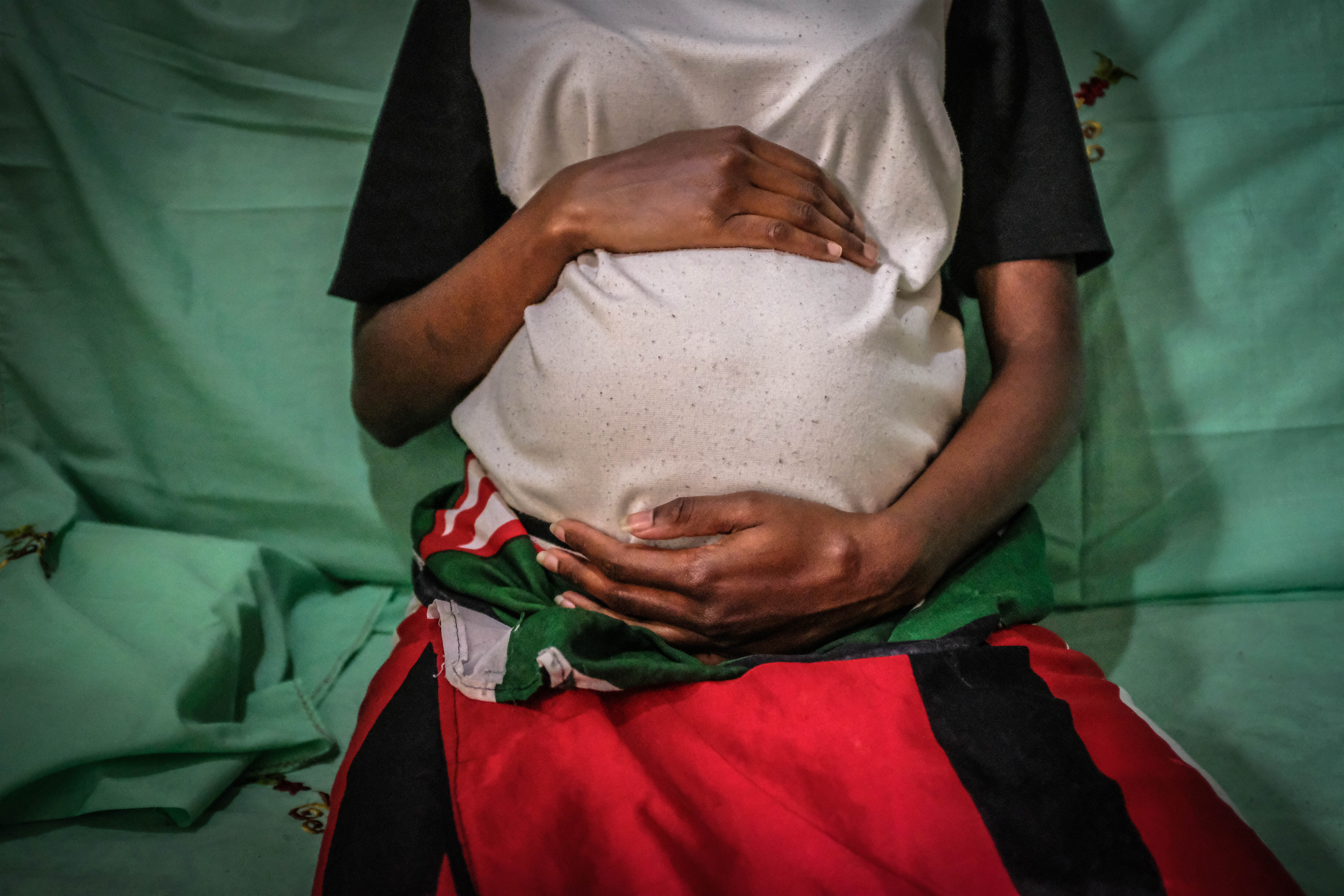
Many questions come up during pregnancy. Is swelling normal? Are avocados safe to eat? For folks in Kenya who don't have a search engine at their fingertips, a chatbot is offering a lifeline.
 Sep 17, 2026 · byNPR
EXCLUSIVE: The award-winning nonfiction feature Kikuyu Land documents a case of cultural erasure and land theft on a massive scale. The documentary directed by Andrew H. Brown and Bea Wangondu unfolds in the tea highlands of Kenya, fertile lands that were seized from local people by the British during their colonial rule over the country. […]
 Sep 17, 2026 · byDeadline
Countries: World, Afghanistan, Angola, Bangladesh, Burkina Faso, Cameroon, Central African Republic, Chad, Colombia, Cuba, Djibouti, Ecuador, El Salvador, Ethiopia, Fiji, Guatemala, Haiti, Honduras, Indonesia, Kenya, Kiribati, Madagascar, Malawi, Mali, Mozambique, Myanmar, Nepal, Nicaragua, Niger, Nigeria, Papua New Guinea, Peru, Solomon Islands, Somalia, South Sudan, Sudan, Timor-Leste, Tuvalu, Uganda, Vanuatu, Venezuela (Bolivarian Republic of), Zambia, Zimbabwe Sources: International Federation of Red Cross and Red Crescent Societies, Save the Children, UN Office for the Coordination of Humanitarian Affairs, World Food Programme Please refer to the attached file. OVERVIEW El Niño is firmly established and is forecast to reach very strong intensity. WMO forecasts indicate a nearly 100 per cent likelihood that it will persist through February 2027, with the event expected to strengthen further and peak towards the end of 2026. Its effects may lag and persist beyond the peak. A very strong El Niño is likely to bring major shifts in rainfall and temperature patterns, increasing the risk of drought, flooding, extreme heat and other weather and climate hazards. These effects will not be felt everywhere at the same time or in the same way. Their severity will depend on where the climate signal coincides with agricultural and livelihood calendars, existing humanitarian needs and people's ability to cope. WMO cautions that the strength of the global event does not translate directly into the scale of impacts in any individual country or region. El Niño is also occurring against the backdrop of long-term climate warming. The emerging risks must be understood alongside conflict, displacement, high food insecurity and high food prices, malnutrition, disease outbreaks, economic pressures and overstretched essential services. These conditions have not improved since the June update. In many places, repeated shocks have depleted household assets, increased debt and weakened the coping mechanisms that people would ordinarily rely on when drought, floods or high prices affect their livelihoods. WFP estimates suggest that up to 50 million people globally could be affected over the next six to nine months, indicating the potential scale of the humanitarian consequences.
Sep 17, 2026 · byReliefWeb
Some of Africa's great track and field stars expect the decision to award Kenya the 2029 World Athletics Championships to inspire the next generation.
Sep 16, 2026 · byBBC
For the first time, the World Athletics Championships will be held on the African continent, with Kenya set to host the event in 2029. World Athletics President Sebastian Coe described Kenya's bid as "convincing and moving". Our Nairobi correspondent Bastien Renouil has the details.

Emirates has signed three new destination partnerships and expanded collaborations with travel technology platforms, cruise operators, business councils and banking partners. The agreements aim to broaden the airline's customer reach and develop targeted offerings for different traveller segments. Emirates and the Mozambique National Agency for Tourism Development and Investment, Public Fund (ANDITUR) have partnered to support the growth of international tourism to Mozambique. The agreement will see the partners explore opportunities to promote Mozambique to travellers in key markets and strengthen connectivity through airline partnerships across Africa. With more than 2,500 kilometres of coastline, Mozambique is known for its beach destinations, ocean activities, cultural experiences, cuisine and vibrant cities, offering a diverse range of attractions for international visitors. Emirates and the Kenya Tourism Board (KTB) have signed a partnership agreement to support the growth of inbound tourism to Kenya. Already one of the most popular destinations on the airline's Africa network, Kenya is expected to benefit from joint efforts to attract visitors from both emerging and established markets. Tourism remains a key pillar of Kenya's economy, supporting jobs and attracting millions of visitors each year. The Kenya Tourism Board aims to position the country as Africa's leading tourism destination through a year-round calendar of diverse, sustainable and authentic experiences. Emirates and Alibaba Fliggy, one of China's largest online travel agencies, have signed an MoU to strengthen their strategic partnership in China. The collaboration will combine Emirates' global network with Alibaba Fliggy's digital travel platform. Areas of cooperation include co-branded marketing campaigns, customer engagement initiatives and potential integration opportunities between Emirates Skywards and Alibaba Fliggy's membership ecosystem. The partnership aims to increase brand visibility, stimulate travel demand and deliver more personalised travel experiences for Chinese consumers. Emirates and MSC Cruises have signed an MoU that expands their long-standing partnership across fly-cruise distribution, air-sea product integration, crew travel and customer loyalty initiatives. The agreement builds on more than a decade of collaboration. Under the latest MoU, Emirates and MSC Cruises will expand fly-cruise distribution across the Emirates network in line with MSC Cruises' seasonal homeport strategy. The partners will develop through-fares and open-jaw itineraries, and review gateway markets for additional opportunities. They will also create tailored products for MSC Grand Voyages and repositioning cruises, using the Emirates network to provide seamless one-way travel options. In addition, Emirates and MSC Cruises will explore extending Dubai's Port Rashid model to other cruise ports. Areas of cooperation include terminal check-in, through-baggage solutions, coordinated transfers, and joint protocols for disruption management and passenger repatriation. The partnership will also expand cooperation on crew mobility. Emirates and MSC Cruises will work together on seafarer rotations, with Emirates serving as a preferred carrier. The arrangement includes dedicated crew fares, enhanced baggage allowances and specialised services tailored to seafarers. Emirates has signed an agreement with the Finnish Business Council (FBC), a non-profit organisation supporting Finnish businesses and professionals in the UAE. The partnership aims to strengthen Emirates' engagement with the Finnish business community, particularly ahead of the launch of the direct Dubai-Helsinki service on 1 October. Emirates will provide FBC members with exclusive benefits, while the council will facilitate engagement between the airline and its members. Emirates has also partnered with the Vietnamese Business Council (VNBC), a non-profit organisation supporting Vietnamese businesses and professionals in the UAE. The agreement aims to strengthen ties with the Vietnamese business community and follows the announcement of additional services to Hanoi and Ho Chi Minh City this winter. Under the partnership, VNBC members will receive exclusive Emirates benefits, while the council will support engagement opportunities between the airline and its network. Emirates has partnered with Cutting Edge, a travel management company specialising in international sports tourism, to develop tailored travel packages for fans attending major sporting events around the world. Combining Emirates' network of nearly 140 destinations with Cutting Edge's access to cricket, football, motorsports, golf and tennis events, the partnership will offer end-to-end travel experiences linked to Emirates sponsorships and other key sporting fixtures. Emirates Holidays, the tour operating arm of Emirates Airline, and the Spain Tourism Office have signed an MoU to support inbound tourism to Spain. The partnership aims to encourage more travellers from Emirates' Middle East network to visit Spain through Emirates Holidays packages. The partnership will see Emirates Holidays and the Spain Tourism Office explore initiatives to increase destination awareness in key Middle East markets and drive package holiday bookings. These include integrated marketing campaigns, seasonal promotions and holiday packages combining Emirates flights with accommodation, local experiences and additional traveller benefits. Emirates Skywards and Emirates Islamic have strengthened their long-standing partnership by renewing their strategic agreement at ATM. The renewed agreement focuses on product innovation and enhancing benefits for Emirates Islamic Skywards co-branded cardholders. The partnership, which spans 18 years, now includes three Emirates Skywards co-branded cards, including the Emirates Islamic Skywards Black Card, as well as a co-branded savings account, salary transfer proposition and miles exchange product. The partnership began with the launch of the Emirates Islamic Skywards Card in 2008, the region's first Islamic co-branded airline credit card. It combined Emirates Islamic's Shariah-compliant banking services with the Emirates Skywards loyalty programme. Under the 2026 agreement, the partners will continue to focus on product innovation and enhanced benefits for co-branded cardholders, further strengthening the offering for Emirates Islamic customers.

In tonight's programme, thousands of Africans end up amidst the war in Ukraine fighting or working on behalf of the Kremlin. We speak to a journalist who just got back from Ukraine. Also, in the Democratic Republic of Congo, the C64 opposition coalition held a demonstration in the capital Kinshasa. And finally, Kenya's celebrating a stellar athletics victory as the country beats London in the race to host the 2029 World Championships.

While social media debates whether the dollar crashes overnight or dominates forever, a fundamental structural rewiring is quietly occurring. Sovereign nations are actively refinancing dollar denominated loans directly into Chinese yuan. This is not a sudden crash of the greenback, but a gradual bypass of the Western financial architecture. Who Is Doing This? The blueprint crystallized when Kenya finalized the conversion of its Chinese Standard Gauge Railway (SGR) loans converting roughly $3.5b to $5b from USD to RMB. Kenya shifted from floating Western benchmark rates (SOFR) to China’s Loan Prime Rate (LPR), slicing interest rates nearly in half and saving an estimated $215M to $250M annually. Following Kenya’s execution, Ethiopia entered bilateral agreements with the People’s Bank of China (PBOC) to restructure debt treatment, set up RMB trade settlements, and integrate its banks into CIPS (China's Cross-Border Interbank Payment System). Other debt distressed borrowers holding heavy Chinese bilateral loans including Zambia, Mozambique, and Sri Lanka are exploring or initiating similar bilateral currency swaps and redenomination models. How Does This Actually Affect the U.S.? These nations aren't dumping existing dollar balances. However, they are eliminating future demand for them. The Closed-Loop Financial Rail: When a country owes AMEX:USD , it must clear payments through New York correspondent banks and SWIFT. Redenominating debt into RMB cuts Western rails out entirely. The borrower sells raw commodities directly to China, earns RMB, and uses that RMB to service Chinese infrastructure debt via CIPS. The transaction never touches a U.S. bank or Wall Street clearinghouse. Blunting Sanctions Leverage: The primary enforcement mechanism of U.S. foreign policy has long been the threat of cutting off access to the dollar clearing system. As developing nations establish parallel, non-dollar debt and payment circuits, the coercive leverage of secondary financial sanctions weakens. Erosion of Passive Dollar Demand: Foreign central banks historically held massive foreign exchange cushions in U.S. Treasuries because global debt had to be paid in dollars. Redenominating external sovereign liabilities reduces the structural necessity to hoard dollar reserves over the coming decades. Hard Data to Track (Beyond Central Bank Gold Accumulation) While foreign central banks hoarding physical gold at multi decade records remains a visible sign of reserve diversification, the real operational plumbing shows up in institutional data. SAFE Cross Border RMB Share: Tracks the proportion of China’s own external trade and cross-border payments settled in yuan versus dollars. It has crossed 52%, with H1 cross-border trade settlements in RMB up over 31% year-over-year. A decade ago, this was near zero. U.S. Treasury TIC Data (Official vs. Private Divergence): Recent Treasury International Capital (TIC) releases show a clear structural split. Foreign private investors (hedge funds and asset managers capturing high nominal yields) continue buying, while foreign official accounts (central banks) frequently register net monthly outflows. Foreign states are no longer passively absorbing U.S. deficit issuance at historical rates. CIPS Network Trajectory: Clearing volume on China’s alternative to SWIFT has accelerated past an annualized $25T+ equivalent, connecting nearly 1,800 participating institutions across over 100 countries. Panda Bond Issuance: Foreign sovereign and supranational issuers tapping China's domestic bond market to borrow directly in RMB have pushed cumulative outstanding volume beyond RMB 500 billion, locking in 2 to 3% yields rather than issuing dollar debt. What Could Cause This to Speed Up? Aggressive Secondary Sanctions Overreach The primary accelerator of de-dollarization is the weaponization of the dollar itself. If the U.S. imposes broad secondary sanctions on major non-aligned nations (e.g., sanctioning Indian, Turkish, or Emirati banks for trading with China or Russia), it forces neutral countries to preemptively construct non-dollar settlement rails to protect their own trade flows. "Higher for Longer" U.S. Interest Rates The math behind Kenya and Ethiopia’s debt conversion was straightforward: paying 7.5% on floating USD loans versus 3% on Chinese RMB loans. If stubborn U.S. inflation or surging deficit supply forces U.S. yields back up, dollar debt service becomes unsustainable for emerging markets. Borrowers will actively demand debt conversion into lower-yielding currencies simply to avoid default. Official Pricing of Key Commodities Outside USD The petrodollar is the bedrock of non-discretionary dollar demand. If major energy or commodity exporters (such as Saudi Arabia, the UAE, or Brazil) move from settling bilateral volumes in local currencies to officially invoicing and benchmarking raw materials in yuan or multi currency baskets, global buyers will no longer need to hold massive structural dollar cushions. TGtg!

Kenya's athletics-loving population and improved infrastructure helped Nairobi secure the rights to host the 2029 World Championships, but challenges remain to ensure a successful event.
Sep 15, 2026 · byBBC
Country: Kenya Source: UN High Commissioner for Refugees Please refer to the attached file.
Sep 15, 2026 · byReliefWeb
Kenya's mineral export ban could boost local industry value, but success hinges on refining capacity, fair pricing, and miner cooperation. The post Kenya bans exports of unprocessed minerals, plans three refineries appeared first on Crypto Briefing .
 Sep 15, 2026 · byCryptoBriefing
Countries: Kenya, South Sudan, Uganda Source: Danish Refugee Council Please refer to the attached file. Executive Summary Deep cuts to humanitarian aid in 2025 mean that refugees must adapt to radically different situations, where livelihoods and hopes for the future are challenged in new ways. How they respond is shaped by the conditions in which they have found refuge. This report explores the adaptive practices of South Sudanese refugees in Kenya and Uganda. Comparing refugee life on the ground in these two neighbouring countries allows appreciation of commonalities under current circumstances. It also provides a clear picture of how different conditions create different possibilities for adaptation. Policy, geography, and the history of social relations contrast in consequential ways. As support disappears, refugees are responding in two modes: either stay in the camps and try to survive through multiple adjusted practices; or move in the hope of food security. Based on ethnographic data from 98 South Sudanese households in Kakuma and Kalobeyei (Kenya), Rhino Camp (Uganda) and Juba (South Sudan) assembled from January 2025 to March 2026, this paper analyses the socio-economic considerations and practices of South Sudanese who decide to stay and those who decide to move to other locations, mainly South Sudan. While rural camps1 in both Kenya and Uganda offer limited livelihood opportunities, subsistence farming in Uganda provides a way to remain in the settlement and survive the phasing out of food assistance. By contrast, camps in Kenya offer better cash flows and therefore better opportunities for small-scale business and casual jobs working for other refugee groups with better access to remittances (e.g. Somali, Ethiopian, and Afghan refugees). In both settings, houses and homesteads are seen as valuable assets: accommodation in the rural camps is free in principle, and having access to a rent-free house is valuable at this time of economic precarity. Cultural and linguistic similarities between the South Sudanese refugees in Uganda and their local hosts make intermarriage and arrangements to use farmland much more common than in Kenya, paving the way for integration and self-reliance. There are important contrasts between the mobility patterns of camp-based refugees in Kenya and Uganda. In Kenya, most refugees in Kakuma and Kalobeyei come from villages far from the border, which makes return cumbersome and expensive, and restrictions on free mobility make short exploratory trips difficult. In Uganda, many refugees travel back and forth to South Sudan to assess the security situation and livelihood options. This is possible because many in Rhino Camp are originally from villages and towns close to the border. Rather than moving with the intention of staying in South Sudan, people evaluate their limited options and decide to go where possibilities seem slightly better for the time being. In both settings, loans play an increasingly essential role in the household economy, to the extent that many feel forced to return to South Sudan to flee their debt. Social networks and connections are a defining factor in refugees’ decisions to stay or move. People tend to stay in the camp because of the support provided by their local network, and they can only relocate to towns if they can draw on support and accommodation from their network. Self-settlement and income generation/entrepreneurship in towns are often highlighted as options for self-reliance in Uganda but are not common in practice for camp-based refugees. They mainly engage in ‘survivalist mobility’ when no other options seem possible or ‘split return’ where the breadwinners try their best to generate income for household members in the camps through casual labour in South Sudan. The debate over how best to transition from camp-based living and aid dependency to self-settlement and self-reliance has moved to centre stage in the wake of these cuts. With this study, we want to nuance this debate by providing detailed ethnographic evidence on refugees’ current practices, motivations and grounds for choosing one option over the other.
Sep 15, 2026 · byReliefWeb