Pacific island
7 articles
Latest Pacific island articles


As rising seas threaten low-lying Pacific Islands, regional leaders call on the world to take climate more seriously
From rising seas to a growing pressure for climate justice, Pacific island nations have invited world leaders to Tuvalu to highlight the very real consequences of burning fossil fuels that heat the planet.
 Oct 5, 2026 · byDeutsche Welle
Samoa PM apologises after Nazi salute video emerges
Pacific island nation’s leader says 2007 video showing him saying 'Heil Hitler' does not reflect his beliefs.
 Oct 5, 2026 · byAl Jazeera
World: WHO joins Pre-COP31 to advance climate action that delivers for people’s health
Country: World Source: World Health Organization With health impacts of climate change increasingly felt in the region, WHO joins Pacific leaders and partners in Fiji to advance health priorities ahead of COP31. The World Health Organization (WHO) is joining Pacific leaders, governments and partners at Pre-COP31 in Fiji from 5 to 8 October to advance health priorities in climate action and strengthen the Pacific voice ahead of the 31st Conference of the Parties (COP31) to the United Nations Framework Convention on Climate Change (UNFCCC). COP31, to be held next month in Antalya, Türkiye, marks an important step for global climate and health action. Health is one of the 10 priority themes of the COP31 Action Agenda, “Dynamic and Resilient Health Systems”, and a dedicated Health Day will take place on 9 November, the first day of COP31. The inclusion of health reflects growing global recognition that climate action and health are closely connected. The climate crisis is affecting population health globally. Across the WHO Western Pacific Region, which includes Pacific island countries and areas, the consequences of climate change include extreme heat, cyclones, floods, rising sea levels, food and water insecurity, infectious diseases and disruptions to essential health services. The Pacific in particular faces additional challenges. A recent review of 76 hospitals in 14 Pacific island countries found that 62% of health facilities are located within 500 metres of the sea or a river, leaving them particularly exposed to flooding, storm surges and sea-level rise. Bringing Pacific priorities to the global climate agenda The Pacific Pre-COP31 provides an important opportunity for Pacific countries and partners to consolidate regional priorities and bring the experiences and leadership of Pacific communities into global climate discussions. Pacific countries have been advancing practical approaches to protect health in a changing climate, including strengthening climate-resilient health systems, improving preparedness for extreme weather events, building resilient health infrastructure and mobilizing climate finance for health. “This Pre-COP is an important moment for the Pacific, bringing global climate discussions to a region that has long been at the forefront of the climate crisis. It provides an opportunity for Pacific countries and areas to set their priorities, experiences and leadership on the global stage, and to ensure that the realities of Pacific communities are genuinely reflected in the decisions made on climate action,” said Dr Saia Ma’u Piukala, WHO Regional Director for the Western Pacific. Throughout this week, WHO will co-convene and participate in high-level discussions and events focused on climate and health, climate resilience, adaptation, financing and implementation. “Climate finance is essential for resilient and healthy Pacific communities,” emphasized Dr Mark Jacobs, WHO Representative to the South Pacific and Director of Pacific Technical Support. “We must ensure that financing reaches the people, communities and essential services most exposed to climate risks, supporting locally defined priorities and investments.” WHO will work with partners to strengthen the integration of health considerations across climate policies and investments, including national climate plans and resilience initiatives. Health as a driver of climate action Amid the risks to health and pressures on health systems, well-strategized and implemented climate action can deliver significant health benefits. Investments in clean energy, sustainable transport, resilient infrastructure, food systems and nature-based solutions have proven to reduce health risks while contributing to climate mitigation and adaptation. “Climate action is truly an investment in health. Cleaner energy, healthier food systems and climate-resilient health services can protect lives while building stronger communities. We now need to turn these opportunities into action and make health a core part of climate investments,” said Dr Sandro Demaio, Director and Head of Office, WHO Asia-Pacific Centre for Environment and Health in the Western Pacific Region. “These benefits demonstrate that climate action is not only about reducing future risks. It is also an opportunity to improve lives today while building healthier, safer and more resilient societies.” At COP31 next month, WHO will also support the Health Pavilion, which will bring together the global health community and partners to advance health and equity within climate negotiations. With COP31 poised to move health higher on the global climate agenda, WHO will continue working with countries and partners across the Western Pacific Region and globally to strengthen climate-resilient and low-carbon health systems, and ensure that climate action protects and improves people’s health. ____________________ Media contacts Elizabeth Bennett, WHO Asia-Pacific Centre for Environment and Health in the Western Pacific Region, elizabeth.bennett@who.int Julia Dongwhan Shin, WHO Asia-Pacific Centre for Environment and Health in the Western Pacific Region, dong.shin@who.int WHO Western Pacific Communications, wprocom@who.int
 Oct 5, 2026 · byReliefWeb
World: Making investment in violence prevention a priority
Countries: World, Bolivia (Plurinational State of), Fiji Source: UN Women State investments in violence prevention are more important than ever Only one quarter of countries have systems to track budget allocations for gender equality overall, and data on national budgets to address violence against women and girls are hardly available. According to the latest research, 78 per cent of countries have budgetary commitments to implement legislation addressing violence against women . But it is unclear how countries are integrating prevention across different sectors, including education, health, economic development, and social protection. What we do know is that current global investments in preventing gender-based violence are not enough. Governments must unlock financing from different sectors and adjust national budgets using gender-responsive budgeting to source more investments to prevent violence against women. In Bolivia, for example, local governments must use at least 15 per cent of Citizen Security budgets to tackle violence against women. Fiji has pioneered efforts in violence prevention and become the first Pacific Island country, and second in the world alongside Australia, to launch a five-year national action plan to tackle gender-based violence with a budget of over USD 2.5 million. Boosting funding of women’s rights organizations Women’s rights organizations, which are essential in leading prevention efforts, remain chronically underfunded with just 1 per cent of gender-focused state aid directed to them. Worryingly 89 per cent of women’s rights and civil society organizations working in the realm of peace, and security face a moderate to very high risk of shutting down their operations due to a lack of long-term funding. Women’s rights organizations also struggle with the types of funding streams they can tap into. Core funding is critical for sustained long-term and impactful interventions, but accessing it is complex and only 7 per cent of women’s rights organizations working in gender-based violence prevention manage to secure core funding . Grassroots organizations have an added challenge to access funding due to donor requirements they often cannot meet due to their size and capabilities. In our work to support women’s rights organization, UN Women leads on behalf of the UN System, the UN Trust Fund to End Violence against Women and Girls . Since its creation in 1996, the Fund has invested USD 215 million in 646 initiatives led by women’s rights organizations in 140 countries and territories. In 2022 alone, the Fund partnered with 186 civil society organizations across five regions, providing them with USD 87.8 million in grants to prevent and address violence against women and girls. Most of these grants, 62 per cent, went to women's rights organizations. Pushing for investment and transparency As part of its core mandate, in 2021, UN Women convened Generation Equality , the world’s leading initiative to boost investment and implementation of gender equality. The Action Coalition on Gender-Based Violence is one of six thematic Action Coalitions, established in 2021, unlocking political will and fostering gender-responsive investments to deliver transformative changes in the lives of women and girls. It is calling for flexible funding streams to women’s rights organizations working to end violence against women and girls, and has set the following targets to reach by 2026 : Doubling international funding to women’s rights organizations, activists and movements working to address gender-based violence. Increase funding to women’s rights organizations by USD 500million. Ensure that 30 per cent of humanitarian funding to address gender-based violence reaches women’s rights organizations. Ensure that 50 per cent of countries track national and international gender-based violence funding to women’s rights organizations through a dedicated budget line for that purpose. As the world navigates diverse challenges in the quest for gender equality, UN Women continues to lead the charge, pushing for investments and transparency to prevent violence against women and girls everywhere. Learn more 3 swipe left swipe right 3 Explainer How funding women’s organizations prevents violence against women How funding women’s organizations prevents violence against women Explainer What is gender-responsive budgeting What is gender-responsive budgeting Explainer Ten ways to prevent violence against women Ten ways to prevent violence against women
Sep 29, 2026 · byReliefWeb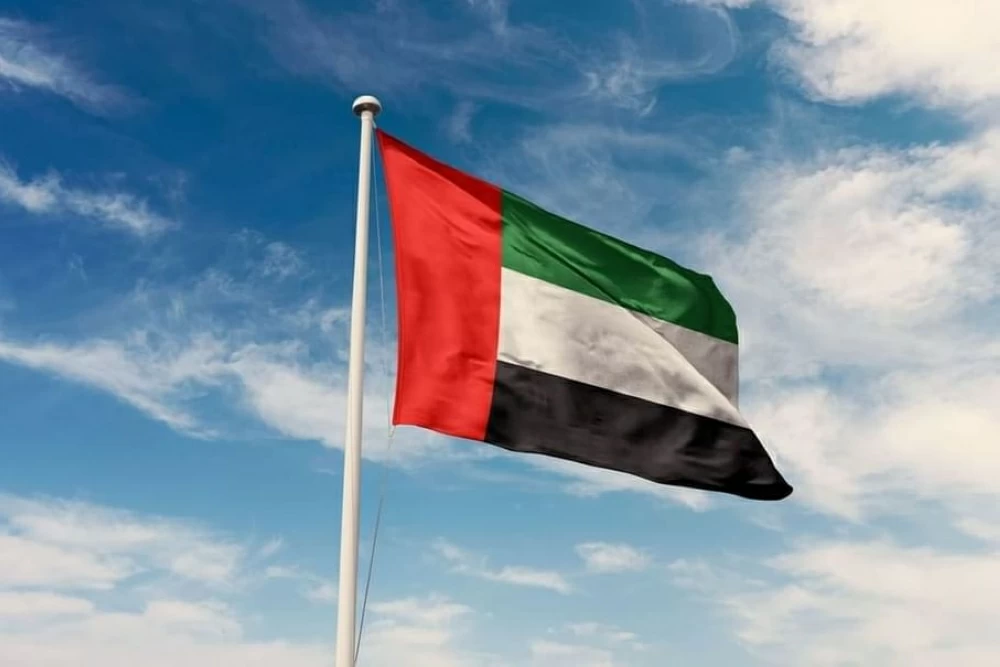
UAE joins Pacific Islands Forum as Strategic Partner
Koror, Palau: The United Arab Emirates has joined the Pacific Islands Forum (PIF) as a Strategic Partner, marking a new chapter in the UAE’s longstanding relationship with Pacific Island nations and building on years of close cooperation. The decision was confirmed at the PIF Leaders’ Retreat, held as part of the 55th Pacific Islands Forum Leaders’ Meeting in Koror, Palau. The UAE joins 12 other Strategic Partners of the Forum: China, the United States, France, Germany, the United Kingdom, Canada, Japan, India, Indonesia, Singapore, South Korea and the European Union. The announcement follows the participation of Noura bint Mohamed Al Kaabi, Minister of State, on behalf of President His Highness Sheikh Mohamed bin Zayed Al Nahyan at the 55th Pacific Islands Forum Leaders’ Meeting, held from 30 August to 4 September 2026 in Koror. The UAE’s recognition as a Strategic Partner reflects its longstanding ties across the Pacific, including cooperation with Small Island Developing States in renewable energy, climate resilience, education, and sustainable development. Strategic Partner status will provide a platform for closer engagement with PIF member states, opening new opportunities for trade, investment, and business partnerships, while expanding knowledge exchange in areas such as the energy transition, digital transformation, connectivity, and climate resilience. Reflecting on this milestone, Al Kaabi said: "This recognition builds on years of close cooperation with the nations of the Pacific, grounded in mutual respect and a shared commitment to sustainable development. This new chapter in our partnership holds particular significance for the UAE and reflects the strength of the relationships we have developed across the region. We look forward to deepening our partnership with the Pacific Islands Forum and its members in the years ahead, advancing our shared priorities for sustainable development and prosperity across the Pacific.” Omar Shehadeh, Envoy of the Minister of Foreign Affairs to the Caribbean and Pacific States, added: "Our engagement with the Pacific has always been guided by the vision and directives of our wise leadership. Strategic Partner status creates new avenues for collaboration with Pacific nations, strengthening connectivity and working towards our shared goals for a more resilient and prosperous future.”

Fiji Declares a National Emergency as H.I.V. Cases Skyrocket
Surging drug use has contributed to an epidemic in the Pacific island nation, where one in 60 adults is estimated to be living with the virus.
 Sep 16, 2026 · byThe New York Times