← News
Topic · Place

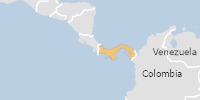
Panama

65 articles · 6+ stories

🔥

Stories about Panama

See also
📰

Latest Panama articles

Brazil: Dengue Epidemiological Situation in the Region of the Americas - Epidemiological Week 36, 2026

Brazil: Dengue Epidemiological Situation in the Region of the Americas - Epidemiological Week 36, 2026

Countries: Brazil, Argentina, Colombia, Costa Rica, Dominican Republic, Ecuador, El Salvador, French Guiana (France), Grenada, Honduras, Mexico, Panama, Paraguay, Peru, Saint Lucia, Saint Vincent and the Grenadines, United States Virgin Islands, Venezuela (Bolivarian Republic of) Source: Pan American Health Organization Please refer to the attached file. In the epidemiological week (EW) 36 of 2026, a total of 1,695,825 suspected cases of dengue were reported, resulting in a cumulative incidence of 162 cases por 100,000 population. This represents a decrease of 56% compared to the same period in 2025 and 63% compared to the average of the last 5 years. Figure 1 shows the trend of suspected dengue cases as of EW 36.

Oct 7, 2026 · byReliefWeb
Mexico: Latin America & The Caribbean Weekly Situation Update as of 2 October 2026

Mexico: Latin America & The Caribbean Weekly Situation Update as of 2 October 2026

Countries: Mexico, Chile, Cuba, El Salvador, Guatemala, Haiti, Honduras, Panama, Peru Source: UN Office for the Coordination of Humanitarian Affairs Please refer to the attached Infographic. KEY FIGURES 86M people across the region potentially exposed to El Niño impacts 30M people at risk of humanitarian needs due to El Niño impacts 1.8M people targeted for food assistance in Haiti still not receiving enough food MEXICO: HURRICANE Fuelled by abnormally warm waters owing to El Niño, Polo rapidly intensified from a tropical storm into a Category 5 hurricane on 22 September, registering the second-lowest pressure reported in the eastern Pacific. It struck Baja California Sur near Las Barrancas as a Category 2 hurricane late on 28 September, causing flooding and power outages, then made a second landfall near Guaymas, Sonora, in northwestern Mexico, as a Category 1 hurricane on 29 September. Media reports put Polo’s toll at two dead and three missing in Jalisco. Hurricane Rachel is moving away from land but will send life-threatening surf and rip currents to west-central Mexico and the Baja California Peninsula through 4 October. Nearly 6,900 federal, state and military personnel are responding, according to media reports. The UN Emergency Technical Team (UNETT) is monitoring the developments. CARIBBEAN: TROPICAL STORMS Tropical Storm Hanna formed in the central Atlantic on 28 September as the hurricane season’s eighth named storm, alongside Tropical Depression Fay, but both dissipated without threatening the Caribbean. The season is one storm short of the nine Colorado State University projected in July, down from 13 in its April outlook, and has yet to produce a hurricane, with El Niño-driven wind shear suppressing storm development. With the season in its final two months, the UN Emergency Technical Team (UNETT) for Barbados and the Eastern Caribbean continues to review readiness for a regional response and is preparing for El Niño’s potential impacts on the subregion. REGIONAL: EL NIÑO UNICEF warns that El Niño, forecast to peak at very strong intensity in late 2026 and last until at least February 2027, could expose 86 million people, including 25.8 million children, to its hazards, with up to 30 million at risk of humanitarian need. Drought has damaged the first harvest in the Central American Dry Corridor, where El Salvador recorded its driest August since 1971 and 3 million people in Guatemala and 1.8 million in Honduras face crisis-level hunger or worse. Across the Caribbean, dry conditions threaten water access, with 2.6 million people in Cuba facing service cuts. Pacific coasts face higher flood and landslide risks, and July storms in Chile killed 13 people. Ecuador, El Salvador, Honduras, Panama and Peru have declared national emergencies or red alerts. A full outlook is avaliable on ReliefWeb . HAITI: FOOD SECURITY Food insecurity is expected to remain severe across Haiti through at least January 2027, with Crisis (IPC Phase 3) outcomes widespread and Emergency (IPC Phase 4) conditions persisting in parts of Port-au-Prince and border areas. According to the Famine Early Warning Systems Network (FEWS NET), insecurity, displacement and lost livelihoods continue to limit access to food, while El Niño-related drought has caused crop losses and water shortages in several departments. Below-average autumn and winter harvests could further deplete food stocks and farm income. The Food Security Cluster warns that 1.8 million people targeted for assistance are still not receiving enough food, as national acute malnutrition prevalence has climbed from 5.1 per cent in 2023 to 7.4 per cent in 2026.

Oct 2, 2026 · byReliefWeb
Mexico: Latinoamérica y El Caribe Resumen de Situación Semanal al 2 de octubre 2026

Mexico: Latinoamérica y El Caribe Resumen de Situación Semanal al 2 de octubre 2026

Countries: Mexico, Chile, Cuba, El Salvador, Guatemala, Haiti, Honduras, Panama, Peru Source: UN Office for the Coordination of Humanitarian Affairs Please refer to the attached Infographic. CIFRAS CLAVE 86M personas en la región potencialmente expuestas a impactos de El Niño 30M personas en riesgo de tener necesidades humanitarias por impactos de El Niño 1,8M personas destinatarias de asistencia alimentaria en Haití que aún no reciben suficiente alimento MÉXICO: HURACÁN Impulsado por aguas anormalmente cálidas debido a El Niño, Polo pasó rápidamente de tormenta tropical a huracán categoría 5 el 22 de septiembre, con la segunda presión más baja registrada en el Pacífico oriental. Tocó tierra cerca de Las Barrancas, Baja California Sur, como categoría 2 la noche del 28, con inundaciones y apagones, y luego cerca de Guaymas, Sonora, en el noroeste de México, como categoría 1 el 29 de septiembre. Según medios, Polo dejó dos fallecidos y tres desaparecidos en Jalisco. El huracán Rachel se aleja de tierra, pero generará oleaje y corrientes de resaca peligrosos en el centro-oeste mexicano y la península de Baja California hasta el 4 de octubre. Unos 6.900 efectivos federales, estatales y militares atienden la emergencia, según la prensa. El Equipo Técnico de Emergencias de la ONU (UNETE) monitorea la situación. CARIBE: TORMENTAS TROPICALES La tormenta tropical Hanna, octava con nombre de la temporada de huracanes, se formó el 28 de septiembre en el Atlántico central junto a la depresión tropical Fay, pero ambas se disiparon sin amenazar al Caribe. La temporada está a una tormenta de las nueve proyectadas en julio por la Universidad Estatal de Colorado, frente a 13 en su pronóstico de abril, y aún no registra huracanes por la cizalladura del viento ligada a El Niño. A dos meses del fin de temporada, el Equipo Técnico de Emergencias de la ONU (UNETE) para Barbados y el Caribe Oriental revisa su alistamiento para una respuesta regional y se anticipa al posible impacto de El Niño. REGIONAL: EL NIÑO UNICEF advierte que El Niño, que alcanzaría una intensidad muy fuerte a fines de 2026 y duraría al menos hasta febrero de 2027, podría exponer a sus amenazas a 86 millones de personas, incluidos 25,8 millones de niños, niñas y adolescentes, con hasta 30 millones en riesgo de necesitar ayuda. La sequía dañó la primera cosecha del Corredor Seco Centroamericano, donde El Salvador registró su agosto más seco desde 1971, y 3 millones de guatemaltecos y 1,8 millones de hondureños están en crisis alimentaria o peor. En el Caribe, la sequía amenaza el acceso al agua: 2,6 millones de cubanos sufren cortes del servicio. Crece el riesgo de inundaciones y deslizamientos en la costa del Pacífico; en julio, tormentas en Chile dejaron 13 fallecidos. Ecuador, El Salvador, Honduras, Panamá y Perú han declarado emergencias nacionales o alertas rojas. Panorama completo en ReliefWeb . HAITÍ: SEGURIDAD ALIMENTARIA La inseguridad alimentaria seguiría siendo grave en Haití al menos hasta enero de 2027, con Crisis (CIF Fase 3) generalizada y Emergencia (CIF Fase 4) persistente en partes de Puerto Príncipe y zonas fronterizas. Según la red de alerta temprana FEWS NET, la violencia, el desplazamiento y la pérdida de sustento limitan el acceso a alimentos, mientras la sequía ligada a El Niño causó pérdidas de cultivos y escasez de agua en varios departamentos. Cosechas de otoño e invierno inferiores al promedio podrían mermar aún más las reservas alimentarias e ingresos agrícolas. El Clúster de Seguridad Alimentaria advierte que 1,8 millones de personas destinatarias de asistencia no reciben alimentos suficientes, y la prevalencia nacional de desnutrición aguda subió del 5,1% en 2023 al 7,4% en 2026.

Oct 2, 2026 · byReliefWeb
Green flood alert in Panama

Green flood alert in Panama

On 26/09/2026, a flood started in Panama, lasting until 28/09/2026 (last update). The flood caused 0 deaths and 0 displaced .

Oct 1, 2026 · byGDACS
📰

Copa Increases Caracas Service From Nov 2026

Published at 1500PDT / 2200GMT 30SEP26 Copa Airlines from November 2026 plans to resume additional service on Panama City – Caracas route, as the 3rd daily (mid-day departure from Panama) flight to be offered from 01NOV26, with a mix of 737-800/MAX 8/MAX 9. CM224 PTY0848 – 1207CCS 737 D CM223 PTY1136 – 1501CCS 737 D CM330 PTY2136 – 0059+1CCS 737 D CM331 CCS0635 – 0804PTY 737 D CM222 CCS1337 – 1506PTY 737 D CM225 CCS1611 – 1740PTY 737 D

Sep 30, 2026 · byAeroRoutes
Climate refuges may be key to restoring imperiled amphibians

Climate refuges may be key to restoring imperiled amphibians

As a deadly fungal disease ravages wild frog populations around the globe, scientists have identified potential locations in Panama where amphibians might persist despite the disease, according to new research from the Smithsonian's National Zoo and Conservation Biology Institute (NZCBI) and Smithsonian Tropical Research Institute (STRI) published in the Journal for Nature Conservation.

Sep 30, 2026 · byPhys.org
Brazil: Dengue Epidemiological Situation in the Region of the Americas - Epidemiological Week 35, 2026

Brazil: Dengue Epidemiological Situation in the Region of the Americas - Epidemiological Week 35, 2026

Countries: Brazil, Argentina, Colombia, Costa Rica, Dominican Republic, Ecuador, El Salvador, French Guiana (France), Grenada, Honduras, Mexico, Panama, Paraguay, Peru, Saint Lucia, Saint Vincent and the Grenadines, United States Virgin Islands, Venezuela (Bolivarian Republic of) Source: Pan American Health Organization Please refer to the attached file. In the epidemiological week (EW) 35 of 2026, a total of 1,658,783 suspected cases of dengue were reported, resulting in a cumulative incidence of 159 cases por 100,000 population. This represents a decrease of 57% compared to the same period in 2025 and 64% compared to the average of the last 5 years. Figure 1 shows the trend of suspected dengue cases as of EW 35.

Sep 29, 2026 · byReliefWeb
At the UN, Panama Champions a Universal Declaration on the Rights of Nature

At the UN, Panama Champions a Universal Declaration on the Rights of Nature

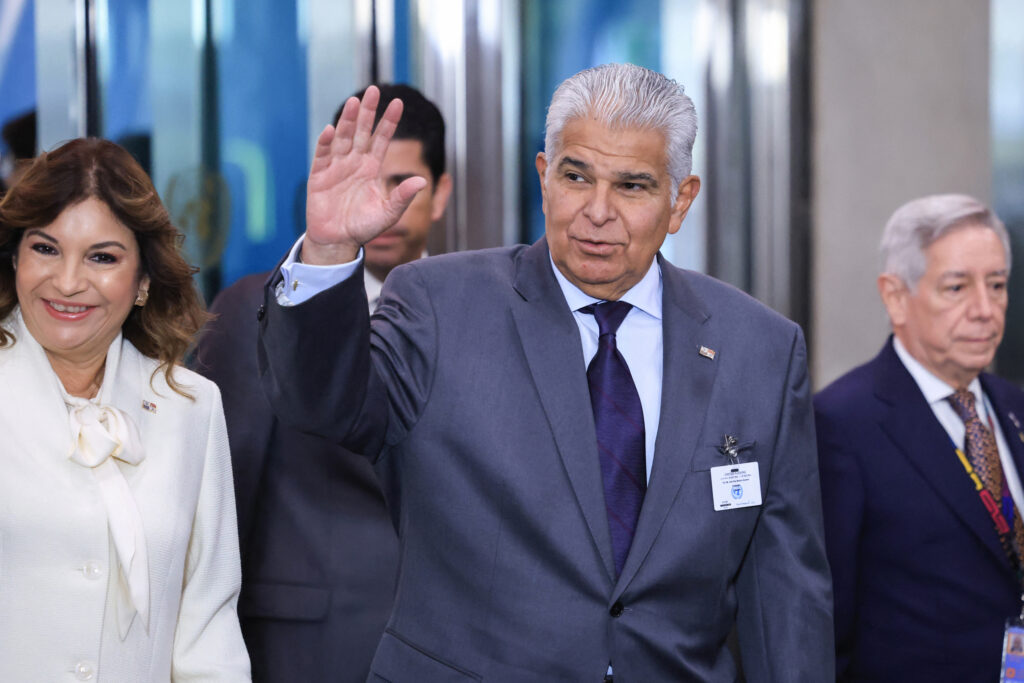
NEW YORK—From the podium of the United Nations General Assembly, Panamanian President José Raúl Mulino called on fellow leaders to support a treaty affirming that nature has inherent rights.  “Today I am announcing that Panama will lead internationally an effort to recognize the universal rights of nature. And I ask all of you to support […]

Sep 24, 2026 · byInside Climate News
Colombia | Earthquake - Operation Update #1 (MDRCO036)

Colombia | Earthquake - Operation Update #1 (MDRCO036)

Country: Colombia Source: International Federation of Red Cross and Red Crescent Societies Please refer to the attached file. A. SITUATION ANALYSIS Description of the crisis On 10 August 2026 at 07:34 local time, a magnitude 7.4 earthquake struck western Colombia, with its epicentre near the municipality of San José del Palmar in Chocó Department, at a depth of 103 km. The earthquake was followed by multiple aftershocks and was felt across much of the country, affecting densely populated urban centres and rural communities alike. The departments most severely impacted include Chocó, Valle del Cauca, Risaralda, Caldas, and Quindío, while significant impacts were also reported in Antioquia, Cundinamarca, Huila, Boyacá, Tolima, Cauca, Putumayo, Sucre, and Santander. As of 14 September, the National Disaster Risk Management Unit (UNGRD) reports indicate impacts across 16 departments and 500 municipalities, while the earthquake was felt across much of Colombia and reported in Ecuador, Panama, and Venezuela. Search and rescue efforts were concentrated in these departments and, as of this date, operations have concluded. In total, 16 accredited Colombian USAR teams, 4 international support teams from the United States, Ecuador and Israel, as well as 34 other support teams were deployed, comprising a total of 1,849 rescuers. These efforts resulted in a total of 356 people rescued and 259 bodies recovered. According to the UNGRD report of 10 September, in terms of human impact, 778,281 people were reported as affected (364,672 families), with 4,505 people injured and 331 deaths. In terms of infrastructure, 36,327 houses were destroyed, 758 buildings collapsed, and 6,047 buildings and more than 200,000 houses were damaged. Additionally, essential basic services remain in a critical situation, with 4,316 educational facilities and approximately 400 health facilities reported as affected. Likewise, according to the Ministry of Housing, City and Territory, 137 municipalities reported disruptions to water supply, sewerage and solid waste management services, of which 93 have not been able to restore these services. In addition, 286 Colombian Red Cross Society volunteers were themselves directly affected by the earthquake. The impacts of the earthquake are estimated to have caused direct physical damage to structures amounting to COP 42.1 trillion (USD 13.2 billion), equivalent to approximately 2.3 per cent of Colombia’s Gross Domestic Product (GDP). The damage is highly concentrated in Risaralda, Valle del Cauca, Chocó, Caldas and Quindío. (UNDP, 2026)1 . Critical disruptions to electricity, telecommunications, and health services have been reported in several affected areas. Airport closures, damaged roads, communication outages, and continuing aftershocks are affecting access to communities and delaying comprehensive damage and needs assessments, particularly in Chocó, where connectivity remains intermittent and some municipalities remain difficult to reach. Pre-existing vulnerabilities, poor health outcomes, and limited access to health services already constrained the ability of communities to cope with additional shocks. On the day of the earthquake, the Government of Colombia declared a national State of Emergency and activated national and departmental emergency management mechanisms. The Colombian Red Cross Society (Cruz Roja Colombiana – CRC) immediately activated its National Crisis Room and emergency response mechanisms. This response is unfolding against the backdrop of the El Niño phenomenon. The Institute of Hydrology, Meteorology and Environmental Studies (IDEAM)2 confirmed that El Niño conditions are already present in the equatorial Pacific Ocean and atmosphere, with more than 95% probability of strengthening during the second half of 2026 and persisting into the first quarter of 2027, potentially reaching “very strong” intensity comparable to the most significant events recorded since 1950. According to the United Nations Office for the Coordination of Humanitarian Affairs (OCHA)3 , the phenomenon is expected to act as a multiplier of humanitarian risk nationwide, with an estimated 4.3 million people across 508 municipalities (45% of the country) facing severe impacts, particularly water shortages, increased wildfire risk, and rising food insecurity. For the departments already affected by the earthquake, these compounding hazards risk further straining water, health and shelter systems that remain damaged, delaying recovery, and deepening the needs of already vulnerable households.

Sep 22, 2026 · byReliefWeb
Apple Announces 'Tap to Pay on iPhone' Availability in 8 More Countries

Apple Announces 'Tap to Pay on iPhone' Availability in 8 More Countries

Apple today announced that Tap to Pay on iPhone is now available in eight more countries: Argentina, Colombia, Costa Rica, the Dominican Republic, Guatemala, Honduras, Panama, and Peru. Tap to Pay on iPhone allows businesses to accept contactless payments on an iPhone, with no point-of-sale hardware required. Instead, customers can simply tap their own iPhone or Apple Watch, credit card or debit card, or other contactless payment option on the merchant's iPhone. Tag: Tap to Pay on iPhone This article, " Apple Announces 'Tap to Pay on iPhone' Availability in 8 More Countries " first appeared on MacRumors.com Discuss this article in our forums

Appleneutral
Sep 22, 2026 · byMacRumors
Hormuz vessel traffic drops to two as tanker and LPG carrier attacked

Hormuz vessel traffic drops to two as tanker and LPG carrier attacked

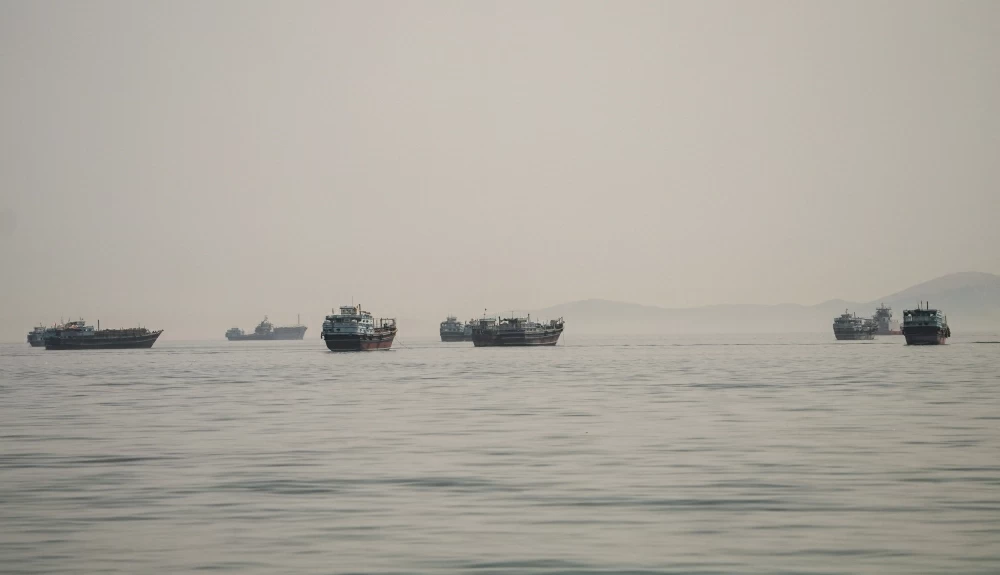
Commodity vessels crossing the Strait of Hormuz fell to two on Monday from 10 ‌a day earlier, preliminary shipping data showed on Tuesday. The figures exclude any vessels that might have crossed the strait with their Automatic Identification System transponders turned off to avoid detection. A minerals-laden Panama-flagged Supramax and a Liberia-flagged bulk carrier entered the waterway via ⁠an unknown route, Kpler data showed. Before the Iran conflict started on February 28, the strait typically handled about 125 large, commercial vessels per day, including tankers, gas carriers, bulkers and container ‌vessels, accounting for some 20% of the world’s daily crude oil and liquefied natural gas supply. Meanwhile, a crude oil tanker and a ‌liquefied petroleum gas carrier were attacked while crossing ‌the Strait of Hormuz in separate incidents, shipping intelligence and ‌tracking firm Marisks Intelligence said on ‌Tuesday. The Isle of Man-flagged crude oil tanker LR Stephanie was struck by an unidentified projectile while entering ‌the waterway on Monday, resulting in minor injuries to ⁠two crew members, Marisks said in a report. The vessel is managed by Universal Tanker Corp., LSEG data showed. The company did not immediately ⁠respond to Reuters' ⁠email request for comment. On Sunday, the Liberia-flagged LPG tanker Al Maryah was struck while outbound, the report added. The vessel is ⁠managed by Abu Dhabi National Oil Company. "We do not comment on specific operational matters, including voyage planning or vessel movements," ADNOC Logistics and Services’ media office said in response to a Reuters email seeking comment. Both vessels were able to continue without ‌towing assistance, the report said. "Responsibility for both incidents remains unconfirmed, and neither vessel has been identified on publicly reported Iranian Persian Gulf Strait Authority (PGSA) 'non-compliant' lists," Marisks said. At the Bab el-Mandeb Strait at the southern end of the Red Sea, 26 vessels crossed on Monday, unchanged from a day earlier.

Sep 22, 2026 · byMobile Business
BingX Evolves into a Multi-Asset Trading Platform, Connecting Users to Global Opportunities

BingX Evolves into a Multi-Asset Trading Platform, Connecting Users to Global Opportunities
[PRESS RELEASE – PANAMA CITY, Panama, September 15th, 2026] BingX today announced its strategic evolution into a multi-asset trading platform and will further its strategy through “Connect Markets. Unlock Opportunities.”, bringing crypto and traditional markets together through an integrated trading experience. The move reflects BingX’s ambition to help traders identify emerging market opportunities, understand the […]

Sep 15, 2026 · byCryptoPotato
Escalating Middle East Conflict Fuels Inflation Fears

Escalating Middle East Conflict Fuels Inflation Fears

The primary catalyst igniting market sentiment has been the rapid deterioration of the geopolitical situation in the Middle East. On Monday, Yemen’s pro-Iran Houthi rebels launched another attack on an airbase in Khamis Mushait, southern Saudi Arabia, firing dozens of missiles and drones at targets including aircraft hangars, radar systems, runways, and ammunition depots. Meanwhile, a critical Saudi oil pipeline remains paralyzed following an attack last Friday; this pipeline serves as a vital export route allowing Gulf oil to bypass the blockaded Strait of Hormuz. A prolonged shutdown could reduce global oil supplies by as much as 4%. Even more concerning is the ongoing blockade of the Strait of Hormuz. Iran’s Revolutionary Guard claimed that a Panama-flagged tanker struck a mine and caught fire within a "restricted zone" south of the Strait; however, U.S. Central Command immediately denied this, stating that the vessel had already been disabled by an Iranian missile strike last month. Regardless of the facts, the incident underscores the vulnerability of the Strait as the world's most critical oil transit route. The surge in oil prices has directly driven up inflation expectations, significantly strengthening the market's conviction that the Federal Reserve will be forced to raise interest rates to curb rising prices. Gold thus finds itself in an awkward position: while the Middle East conflict should theoretically bolster its appeal as a safe-haven asset, the resulting spike in oil prices has reinforced expectations of monetary tightening, ultimately allowing bearish forces to prevail.

Sep 15, 2026 · byTradingView Ideas
Panama canal traffic to be cut again as drought from El Niño worsens

Panama canal traffic to be cut again as drought from El Niño worsens

Latest daily reductions will further choke one of the world’s most important shipping lanes The Panama canal plans to again cut maritime traffic due to worsening drought caused by the El Niño climate phenomenon, further choking up one of the world’s most important shipping lanes. The canal handles 5% of global maritime trade and about 40% of US container traffic; it is favoured by shippers because it usually reduces cost and transit times, especially for companies trading between China, Asia and the US. Continue reading...

Sep 15, 2026 · byThe Guardian
Brazil: Dengue Epidemiological Situation in the Region of the Americas - Epidemiological Week 32, 2026

Brazil: Dengue Epidemiological Situation in the Region of the Americas - Epidemiological Week 32, 2026

Countries: Brazil, Argentina, Colombia, Costa Rica, Dominican Republic, Ecuador, El Salvador, French Guiana (France), Grenada, Honduras, Mexico, Panama, Paraguay, Peru, Saint Lucia, Saint Vincent and the Grenadines, United States Virgin Islands, Venezuela (Bolivarian Republic of) Source: Pan American Health Organization Please refer to the attached file. In the epidemiological week (EW) 32 of 2026, a total of 1,567,004 suspected cases of dengue were reported, resulting in a cumulative incidence of 150 cases por 100,000 population. This represents a decrease of 58% compared to the same period in 2025 and 65% compared to the average of the last 5 years. Figure 1 shows the trend of suspected dengue cases as of EW 32.

Sep 10, 2026 · byReliefWeb
Panama: ACNUR MCOPA: Newsletter - Conectando Talento y Oportunidades - Nov 2025-Jul 2026

Panama: ACNUR MCOPA: Newsletter - Conectando Talento y Oportunidades - Nov 2025-Jul 2026

Countries: Panama, Belize, Cuba, Trinidad and Tobago Source: UN High Commissioner for Refugees Please refer to the attached file. Resumen de las principales actividades de la Unidad de Respuestas Sostenibles de la Oficina Multipaís de ACNUR en Panamá. ACNUR, la Agencia de la ONU para los Refugiados, junto con gobiernos, organizaciones socias, empresas y actores de desarrollo, trabajan para proteger a las personas refugiadas y solicitantes de la condición de refugiado y apoyar su capacidad de reconstruir sus vidas y desarrollar su potencial. Este trabajo también contribuye al crecimiento y bienestar de las comunidades que las acogen, impulsando soluciones sostenibles que fortalecen la inclusión y el desarrollo compartido.

Sep 10, 2026 · byReliefWeb
Finassets Crypto Payment Gateway Launches USDC Payment Support on Solana

Finassets Crypto Payment Gateway Launches USDC Payment Support on Solana

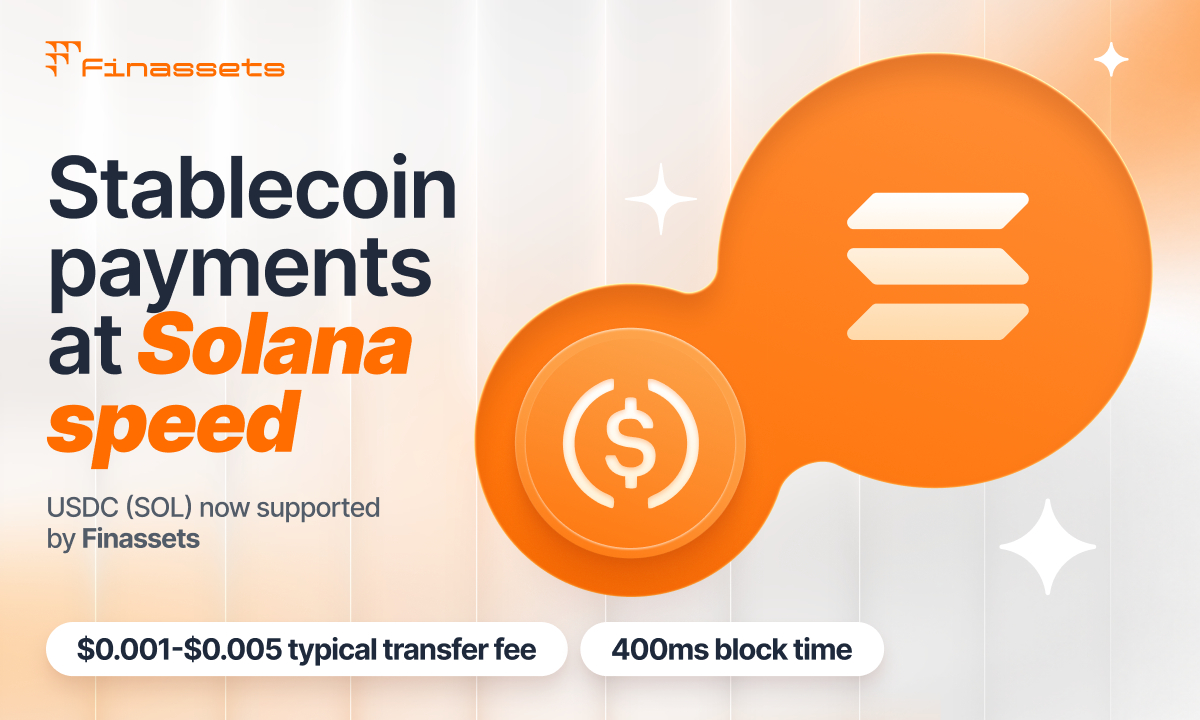
[PRESS RELEASE – Panama City, Panama, August 21st, 2026] Finassets.io, a crypto payment gateway for businesses, has added USDC (SOL) to its Back Office, giving merchants a cost-effective network for stablecoin payments. Solana is among the fastest, lowest-cost networks for settling USDC today, and Finassets, a B2B crypto payment infrastructure provider, has added support for […]

Aug 21, 2026 · byCryptoPotato