Evaluation of the European Union’s humanitarian interventions in Afghanistan (2020-2024) : Final evaluation report
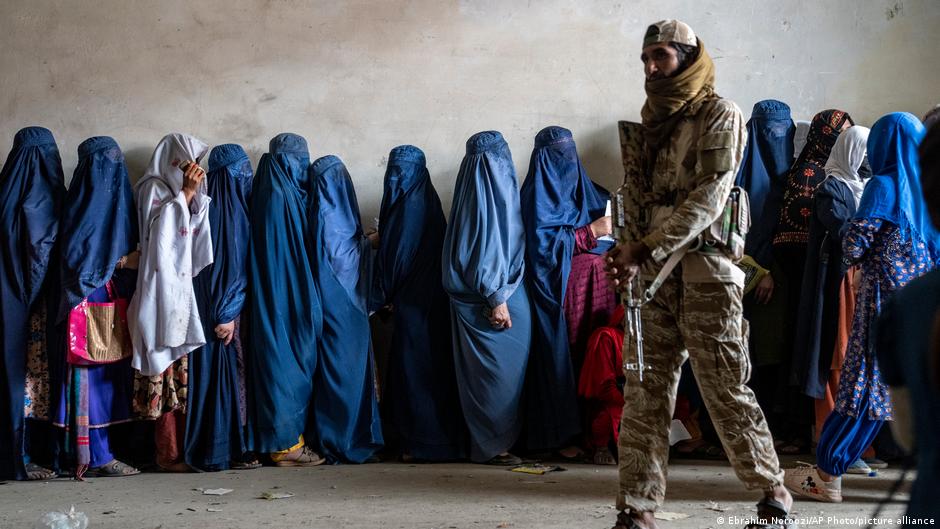
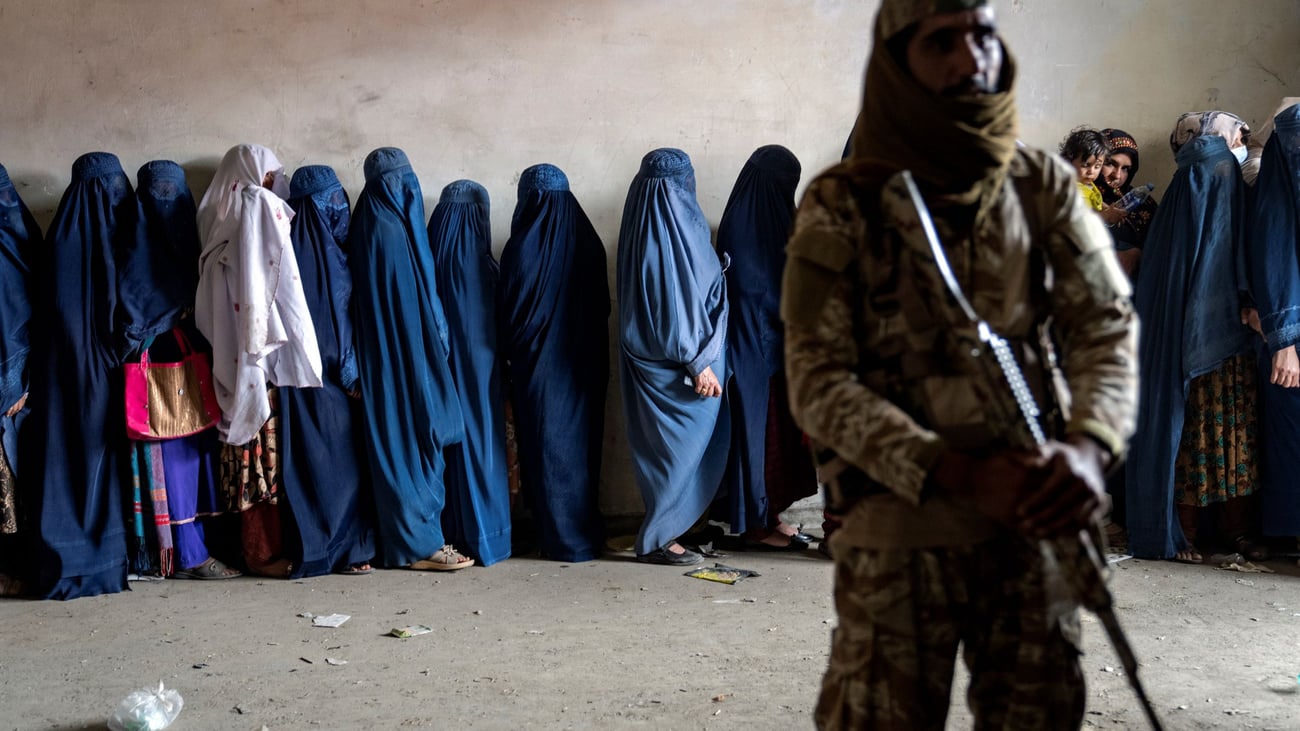
Country: Afghanistan Source: European Commission's Directorate-General for European Civil Protection and Humanitarian Aid Operations Please refer to the attached file. This evaluation assesses the EU’s humanitarian response in Afghanistan (2020–2024), covering three successive crises: COVID-19, the August 2021 Taliban takeover, and entrenched structural constraints from 2023. DG ECHO disbursed approximately €771 million through 33 partners delivering outcomes on food security, health, nutrition, protection, education, WASH, cash assistance, and coordination. DG ECHO demonstrated strong strategic relevance, adapting priorities across all three phases while sustaining focus on women, girls, and previously-unreached populations. Humanitarian principles were actively upheld. Operationally, flexible mechanisms enabled rapid disaster response, and multi-year, multi-sector actions improved cost-efficiency. However, the De facto Authorities’ (DfA) restrictions on women, girls, and female aid workers created irreducible coverage gaps for humanitarian action with particular needs in protection, and education. The humanitarian-development nexus remained fragmented due to withdrawal of development funding, with humanitarian action overstretched and durable solutions underfunded. DG ECHO's sustained in-country presence and neutral identity generated distinctive added value. The evaluation’s seven recommendations address field presence, gender-adaptive budgeting, results frameworks, protection mainstreaming, cluster coordination, humanitarian-development role delineation, and resilience tracking.
 Oct 6, 2026 · byReliefWeb