← News
Topic · Place

Burundi

27 articles

See also
📰

Latest Burundi articles

Burundi Humanitarian Snapshot (September 2026)

Burundi Humanitarian Snapshot (September 2026)

Countries: Burundi, Democratic Republic of the Congo, United Republic of Tanzania Source: UN Office for the Coordination of Humanitarian Affairs Please refer to the attached Infographic. Burundi is experiencing a convergence of crises, including climate-related hazards, disease outbreaks, displacement, and food insecurity, compounded by pre-existing vulnerabilities, such as chronic poverty and poor access to basic services. The humanitarian situation is projected to deteriorate further later this year and into 2027, as El Niño is expected to bring above-average rainfall during the October-December rainy season, potentially reaching up to 90 per cent above normal levels. This is likely to increase the risk of flooding and landslides. Food insecurity declines, but vulnerabilities persist. Between April and May 2026, 1.77 million people were food insecure, including 220,000 in IPC Phase 4. While the number of food-insecure people has decreased, an estimated 1.02 million people are expected to face crisis levels of food insecurity (IPC Phase 3 or worse) between June and September 2026. The situation continues to be driven by high food prices, fuel shortages and limited access to seeds and fertilizers. Food security conditions are expected to deteriorate as climate-related hazards intensify, with El Niño-related impacts forecast to worsen conditions in late 2026 and into 2027. Internal displacement continues to rise. As of March 2026, more than 100,000 people were internally displaced in Burundi, representing a 14 per cent increase compared with July 2025. Climate-related disasters remain the primary driver, accounting for 90 per cent of all internal displacement. Displaced populations continue to face significant humanitarian needs, particularly in shelter and essentials, food, water, sanitation and hygiene (WASH) services, and access to durable solutions. Return movements have accelerated. The closure of two refugee camps in Tanzania has led to an increase in returns to Burundi. Between January and August 2026, about 99,000 Burundians returned, the majority from Tanzania. This represents a substantial increase compared with the period from 2022 to 2025, when annual return figures averaged between 20,000 and 25,000 people. Most returnees are settling in the eastern and southern regions of the country. Key needs include shelter, food assistance, access to land and livelihood opportunities, and access to basic services such as health care, education, water, and sanitation. Refugee arrivals continue to increase. About 156,000 refugees and asylum seekers have been registered in Burundi by August 2026, driven by the worsening conflict in the eastern Democratic Republic of the Congo (DRC). At the same time, convoys are being organized to facilitate the voluntary repatriation of Congolese nationals to areas deemed safe for return. Refugees and asylum seekers continue to require shelter and essential supplies, food, healthcare, education, and protection services. Recurring disease outbreaks strain public health systems. The risk of disease outbreaks remains high, with multiple health emergencies requiring sustained surveillance and response efforts. The ongoing Ebola outbreak in the DRC presents a continued risk of cross-border transmission. Preparedness measures are underway in Burundi. As of 13 September 2026, more than 2,000 cholera cases were reported, including 48 active cases and 4 deaths. While response efforts are ongoing, limited access to WASH services remains a key challenge. As of the same date, 227 confirmed mpox cases were reported in 2026. In addition, by epidemiological week 36, a total of 1,737 suspected measles8 cases were recorded, including 87 confirmed cases. Funding shortfalls are jeopardizing critical humanitarian assistance. With the humanitarian situation expected to worsen as El Niño approaches, urgent action is needed to address existing gaps and scale up preparedness and anticipatory measures.

Oct 5, 2026 · byReliefWeb
World: Africa CDC Epidemic Intelligence Weekly Report, September 2026

World: Africa CDC Epidemic Intelligence Weekly Report, September 2026

Countries: World, Angola, Burundi, Democratic Republic of the Congo, Guinea, Guinea-Bissau, Madagascar, Mali, Mauritius, Mozambique, Nigeria, Senegal, South Africa, Zambia Source: Africa Centres for Disease Control and Prevention Please refer to the attached file. Welcome to our Epidemic Intelligence Weekly Report, your trusted source for real-time updates on priority events of concern on the continent. The narrative brought to you focuses on three main areas: the epidemiological situation, event assessment (risk assessment and geoscope) and public health interventions by the affected Member State, partners, and Africa CDC. Every week we highlight events reported to Africa CDC that rank from moderate to very high risk as per the Africa CDC risk assessment tool. Geographic Focus: Reports could either focus on events affecting single country or multiple countries. Inclusion criteria: While Africa CDC continues to track all public health events on the continent, this report highlights only moderate to very high-risk events (with new updates in the reporting week). Events: We focus on a range of health threats, ranging from emerging infectious diseases to endemic conditions, and natural disasters. We follow a one-health multisectoral approach highlighting events across all relevant sectors: animal, environmental and human. This Event-Based Surveillance Weekly Report is your compass for navigating Africa’s public health landscape. We empower you with the latest information and insights, for informed decisions and effective interventions to attain a healthy and prosperous Africa.

CDCneutral
Oct 2, 2026 · byReliefWeb
Burundi agrees to receive ‘third-country’ migrant deportees from US

Burundi agrees to receive ‘third-country’ migrant deportees from US

Burundi joins several other African nations in accepting people deported under Trump’s hardline policy Burundi has agreed to join a clutch of ⁠other African nations in receiving migrants from other countries deported from the US under ⁠ Donald Trump ’s hardline ⁠ immigration ​policy . However, the authorities in Bujumbura, the country’s economic capital, said Burundi will only accept those not accused of crime or terrorism links, said ⁠Nancy Ninette Mutoni, a spokesperson for the country’s president, Évariste Ndayishimiye. Tuesday’s announcement gave no details of numbers, timing or financial ⁠details. Continue reading...

Sep 30, 2026 · byThe Guardian
UNICEF Burundi Humanitarian Situation Report No. 23, 31 August 2026

UNICEF Burundi Humanitarian Situation Report No. 23, 31 August 2026

Countries: Burundi, Democratic Republic of the Congo, United Republic of Tanzania Source: UN Children's Fund Please refer to the attached file. Situation Overview & Humanitarian Needs In August 2026, Burundi continued to face complex humanitarian challenges driven by the crisis in eastern DRC, population movements, public health risks and climate-related threats. Humanitarian actors, in coordination with the Government, are accelerating preparedness and response efforts to address risks related to the continuing threat of the Ebola outbreak in neighbouring DRC. Population movements remained significant. Following the launch of voluntary repatriation from Busuma refugee site in April 2026, the refugee population continued to decline. By the end of August, Busuma hosted over 45,000 Congolese refugees, while approximately 21,000 refugees remained in Musenyi and more than 3,000 asylum seekers were registered in Cishemere. Concurrently, the repatriation of Burundian refugees from Tanzania was nearing completion, with 98,617 returnees recorded in 2026. These movements continued to strain basic services, particularly in health, education, WASH and child protection in key return areas. Public health risks remained elevated. Burundi strengthened preparedness measures in response to the Ebola outbreak in DRC, supported by UNICEF’s US$3.39 million contribution to the national preparedness plan. Cholera transmission persisted while a measles outbreak affected eight health districts with 1,661 suspected cases. Climate-related risks also remained a concern, with preparedness measures underway for a forecasted El Niño likely to increase flooding, displacement, disease outbreaks and food insecurity among vulnerable communities.

Sep 30, 2026 · byReliefWeb
📰

Refugees in Uganda are turning food assistance into farms, trades, and savings - CARE

Countries: Uganda, Democratic Republic of the Congo Source: CARE By Norah Namono and Hillol Sobhan Refugees in Uganda whose food rations have been cut are turning to farming, tailoring, livestock, and soap-making at the Nakivale settlement, building skills to sustain themselves long after assistance ends. Nakivale is one of the oldest refugee settlements in Africa. It was established in 1958 in Isingiro District, in southwestern Uganda near the Tanzania border, about 124 miles from the capital, Kampala. Now, it shelters more than 280,000 people , part of the nearly 2 million refugees Uganda hosts nationwide — the largest population on the continent . Most, about 77%, are from the Democratic Republic of Congo (DRC); the rest mainly from Burundi, Rwanda, Somalia, Ethiopia, and Eritrea. For refugees in Uganda, food assistance is running out For two years, Natalia, 38, measured hunger by the kilo. She fled renewed fighting in eastern DRC in 2022, crossed into Uganda at Nyakabande and made her home in Nakivale’s Rubondo zone. She received a small piece of land, a few tarpaulins, and some saucepans. Starting over would not be easy. “When they welcomed us, WFP [World Food Programme] could give us 12 kilograms of maize per person, 3 kilograms of beans, and a quarter kilogram of salt,” Natalia says. Later, however, refugees were divided into categories — most at risk, medium, and self-sufficient. Natalia, with eight children, was placed in the middle category. Her family’s share fell to about 40 kilograms of maize, a liter of oil, and a cup of salt — gone in two weeks. “When I saw hunger was too much, I decided to divide a kilogram into a half so that it could last longer,” she says — rationing each kilogram of maize across two days to feed her eight children. Complicating things further, food rations were later replaced with a small monthly mobile money transfer — but the transfer sometimes failed to arrive, leaving the family with nothing. Natalia sent her children to herd cattle, gather firewood, and offer cheap labor in the surrounding host community. She went out to do the same — work she still does today, because the mobile money transfer now goes only to newly arrived refugees. Across the settlement, Natalia’s story is familiar to many families. The support kept people alive. But for families trying to rebuild their lives, survival was only the beginning. They needed a way to turn it into stability. Natalia’s experience reflects a national collapse in support. In early 2025, WFP was supporting 1.6 million refugees in Uganda . Today, it reaches fewer than half that number — even as food insecurity among refugees has more than tripled in a single year. The agency says it needs an additional $47 million to prevent further cuts through 2026. Monthly support for refugees facing the greatest need has fallen as low as $4.90 per person , among the lowest ration levels WFP provides anywhere in East Africa. Building a way forward through self-reliance That is where CARE and its partners stepped in. Emergency Food Assistance and Self Reliance (EFASeR) began by helping newly arrived refugees in Uganda meet an immediate need: food. Led by CARE in Uganda with local partners and funding from The Church of Jesus Christ of Latter-day Saints, the program provided at least 10,000 people in Nakivale and Kiryandongo, another large refugee settlement in central Uganda, with a one-time food voucher worth 440,000 Ugandan shillings (around $116). But participants made it clear that short-term assistance was not enough. They wanted the skills and resources to provide for themselves. That request changed everything. CARE works alongside local partners on EFASeR, while those partners lead implementation. Andre Foods International ( AFI ) and the refugee-led organization Tumaine handled food distribution. The Directorate of Possibility — a Nakivale-based organization working on livelihoods, savings, and entrepreneurship — led the self-reliance work that followed. The settlement is managed by Uganda’s Office of the Prime Minister, in coordination with UNHCR. Working through the Directorate of Possibility, at least 900 households in Nakivale were organized into 36 groups, with around 30 members in each. Every group chose one of four paths: cultivation, livestock, tailoring, or soap-making. Together, these groups set out on the road from assistance toward self-reliance, from July 2025 to August 2026. Natalia chose cultivation, so her home would not run short on food again. Her group members elected her as chairperson. The participants learned to dig irrigation trenches, read the seasonal calendar, and save together. The cabbages standing in the garden are proof of her progress. “These cabbages came from the training,” she says. “We learn, then we practice.” Before EFASeR, she says, managing money was a struggle. “I had never had any plan or budget. If I had money, I would just buy what impressed my eyes.” Financial literacy training provided by the program taught her about saving, budgeting, and debt management — knowledge she has now passed on to her husband and older children. “Even if I leave them with a sack of beans at home,” she adds, “they know how to plan for it.” “Our monthly income as a family still stands at 200,000 shillings ($53),” she says. Even though her income has not changed, Natalia sees a significant difference. “Now, I can manage this amount very well.” The cultivation group did more than grow food; it turned strangers into neighbors. Members arrive each week carrying water for the plots, and when one of them falls behind, the others carry her slowly rather than leave her. The change has reached inside Natalia’s home, too. Her husband, Silverano, remembers when the two of them saved separately and rarely agreed. “During the trainings, we were shown different ways to work together, and now we plan and save together,” he says. “If either of us goes out to work, we report back to each other. Today we also own animals we didn’t have before.” Tailoring, livestock, and soap: New trades take root among refugees in Uganda A short way off, Oliva — also Congolese — made a different bet. She arrived in Nakivale in December 2022 with her children and nothing else. She used to travel to host communities for casual labor just to feed them and cover their school costs. When her group was asked to choose a livelihood for training, she pushed for tailoring. She’d sewn a little back home. And, she reasoned, unlike farming, tailoring doesn’t depend on the rains. “That knowledge stays in your head,” she says. “Even if you move, you take your machine and continue.” She started sewing in January 2026. Her first customer was a neighbor. Now she earns roughly 30,000 shillings ($8) most weeks, and up to 70,000 shillings ($19) in a good month — enough that no child of hers is sent home for unpaid school fees, and her trips to the host community for food have dropped. In the Juru zone, Amani Munyakazi, 40, arrived in Nakivale from the DRC in August 2023. He looked at a goat and saw more than a meal. His group chose livestock and poultry farming because Nakivale has poor soil and long droughts. The poultry provide a steady supply of eggs for his family’s table. Their droppings, along with those from the goats, go into the gardens as fertilizer, with any surplus sold to nearby farms. As the flock grows, Amani expects to sell eggs too. Each member of the livestock group received one female goat. The group shares a single male and 15 additional females. “If you give me one goat, next time you come, find me with ten,” he says. As the group’s chairperson, Amani was trained by the Directorate of Possibility in savings, marketing, nutrition, and group progress tracking — skills he then passed on to his fellow group members. “We used to eat beans from Monday to Sunday and think we were building our bodies,” he says. “Now we eat more balanced meals.” For Shantal, who as a new arrival worked in other people’s fields for food, the soap her group makes has given her a measure of independence. She leads the group’s soap production. She also runs her own business selling phone cases — protective covers for mobile phones — using a loan she applied for through her group. Shantal's group makes 50 bars of soap a week. The income funds their savings. The savings fund loans. The loans fund businesses. It starts here. Photo: CARE “Being engaged as women helps us support ourselves, and not wait on our husbands,” she says. Pascal, the group’s secretary, remembers the December phone call that first offered food. It led to soap, 50 bars a week, savings, and two goats. And it brought him somewhere the hungry years would never have allowed. He is writing religious books he hopes to publish. What makes these livelihoods last is not one skill or one goat, but the way the pieces connect. Manure collected by the livestock groups feeds the gardens grown by the cultivation group; the gardens feed families and provide goods for the market; savings turn into loans that help businesses grow; a trade learned once keeps earning regardless of location. The Directorate of Possibility, CARE, and their partners simply provided the scaffolding. The communities built the groups, the savings, and the market links. And now, the communities are beginning to thrive. Why refugee self-reliance matters in Uganda Nakivale’s story is unfolding against a wider strain. Around the world, humanitarian needs are rising while the funding to meet them shrinks, forcing governments and organizations to make hard choices about who is helped, and for how long. In that squeeze, these families are making an argument of their own: that the most powerful response is not only the one that helps people survive today, but the one that helps them build tomorrow. The WFP has ended general food support in Nakivale; only those facing the greatest need still receive rations. For families like Natalia’s, self-reliance is no longer an aspiration. It is the only road left. The measure of humanitarian action is not only how long people receive support, but whether that support helps open a path toward greater choice, dignity, and self-reliance. The families of Nakivale are not asking to be defined by their displacement. They are asking to be seen for what they are becoming: farmers, tailors, livestock keepers, soap makers, savers, parents, entrepreneurs, and writers. Natalia wants to buy the land she farms outright and eventually start a small retail business of her own. “I want to stop depending on others and stand on my own financially,” she says. Oliva hopes to learn to sew suits and sell to customers as far away as Kampala. Amani’s ambition is smaller, but just as specific: he wants local shopkeepers to come to him for eggs. The food that kept them alive did its work. What they are building now — confidence, skills, and the means to earn — cannot be taken away. About CARE in Uganda : CARE has been working in Uganda since 1969, responding to the most urgent needs of conflict and disaster-affected populations. With a particular focus on women and girls, CARE currently reaches more than 1 million people annually in Uganda, approximately 60% of whom are refugees and members of host districts. Around the world, CARE staff continue serving families through conflict, disasters, and crises. Your help makes that work possible.

Sep 29, 2026 · byReliefWeb
📰

World: Countries and partners commit more than US$715 million for reproductive health

Countries: World, Burundi, Denmark, Madagascar, Mozambique, Norway, United Kingdom of Great Britain and Northern Ireland, Zimbabwe Source: United Nations Population Fund UK announces £254 million (US$337.8 million) for reproductive health GiveWell makes its first investment in UNFPA with a US$10 million grant Burundi, Madagascar, Mozambique, and Zimbabwe commit more than US$292 million of their own resources for reproductive health NEW YORK, 23 September 2026 – At a landmark event, governments and philanthropic partners pledged over US$715 million to expand access to lifesaving health infrastructure, services and supplies including for family planning and maternal health. The announcements, made at a high-level event during the 81st session of the United Nations General Assembly, co-hosted by the United Nations Population Fund (UNFPA) and partners, come after major recent declines in international funding that have put access to essential and lifesaving reproductive health care at risk. “Today's commitments send a powerful message: investing in women and girls is the foundation for a prosperous and equitable future. Enabling their rights and choices is one of the smartest investments in development. Longstanding partners are standing firm, new ones are stepping up, and together we are changing lives," said Diene Keita, Executive Director of UNFPA. New, multi-year financing for family planning and maternal health brings renewed momentum for the reproductive health sector. Across the 54 low- and middle-income countries participating in the UNFPA Supplies Partnership — UNFPA’s flagship programme to ensure reliable access to contraceptives and maternal health medicines — record-high domestic commitments show that national governments are investing more of their own resources to help prevent unintended pregnancies and reduce maternal and newborn health complications and deaths. The United Kingdom announced £254 million (US$337.8 million) in funding, including £204 million for the UNFPA Supplies Partnership and £50 million for other partners working to expand access to reproductive health services and supplies. This is the largest single government investment in reproductive health supplies worldwide this year. The UK’s generous investment in the UNFPA Supplies Partnership will make voluntary family planning a possibility for more than 15 million women per year and could prevent 14 million unintended pregnancies and over 35,000 maternal deaths by 2028. New private and philanthropic funders are emerging alongside traditional government donors. Among these is GiveWell, an independent, nonprofit research organization dedicated to finding and funding highly cost-effective opportunities to save and improve lives. GiveWell announced a US$10 million grant to the UNFPA Supplies Partnership — its first investment in UNFPA and its largest investment in family planning to date. According to GiveWell’s modelling, its grant is expected to do about 19 times more good than giving cash directly to people. In addition, the European Investment Bank provided a grant of EUR 200 million (US$232 million). As importantly, low- and middle-income countries participating in the UNFPA Supplies Partnership are also investing more of their own resources in reproductive health. Burundi, Madagascar, Mozambique, and Zimbabwe announced a combined commitment exceeding US$292 million of their own resources for health infrastructure, services and supplies at the event. Between 2020 and 2025, government spending on contraceptives and maternal health supplies has increased more than sixfold across the 54 UNFPA Supplies Partnership countries, reaching a record US$68 million last year. The Partnership will match eligible commitments dollar for dollar through its Match Fund (within a predetermined amount) helping countries stretch their own resources farther and expand access to more people. UNFPA is the world’s largest provider of donated contraceptives to low- and middle-income countries, playing a critical role in ensuring family planning supplies reach people who need them most. Longstanding donor governments, including Denmark and Norway, also announced new and multi-year support for the UNFPA Supplies Partnership. Today’s commitments build on several years of work by UNFPA and partners to bring in new sources of financing while supporting low-and middle-income countries to invest more of their own resources in reproductive health. Together, these efforts will ensure access to lifesaving contraceptives and maternal health supplies today, while building more sustainable, country-led financing and health systems for the future. The event was co-hosted by UNFPA, FP2030 and the Gates Foundation, in partnership with the governments of Madagascar, Mozambique, Norway, Spain and Zimbabwe. KEY COMMITMENTS AND QUOTES BY ALPHABETICAL ORDER (Note: This is not a comprehensive list) The Government of Burundi committed US$4 million for family planning commodities in 2026, exceeding its contribution from the previous year, and more than US$500,000 for emergency obstetric and newborn care mentorship. The Government of Denmark committed US$53.6 million to UNFPA including US$19 million to the UNFPA Supplies Partnership. The European Investment Bank (EIB) gave a grant of US$232 million to the UNFPA Supplies Partnership. ​GiveWell, an independent, nonprofit research organization, pledged US$10 million to the UNFPA Supplies Partnership. The Government of Madagascar committed US$20 million from its national budget for reproductive health commodities in 2026 and 2027. The Government of Mozambique pledged US$17.6 million for reproductive health products in 2026 and 2027. The Government of Norway committed NOK 210 million ​(US$22.6 million) for the UNFPA Supplies Partnership for 2026 and 2027. The United Kingdom announced £254 million (US$337.8 million) through its CHOICES programme for 2025-2028, including £204 million for the UNFPA Supplies Partnership. The Government of Zimbabwe has committed more than US$250 million towards upgrading hospitals across the country, with approximately 30 percent of this investment dedicated to maternal and child health infrastructure. The government also committed US$2.25 million annually for family planning commodities in 2026 and 2027. GOVERNMENT QUOTES Ms. Elsebeth Søndergaard Krone, State Secretary for Development Policy, Denmark: “The lack of access to safe, affordable reproductive health commodities stands as a primary barrier to health equity around the globe. It has a negative impact on women’s right to decide over their own bodies […] This is why UNFPA’s core mandate - to promote sexual and reproductive health and rights - continues to be not only relevant but increasingly essential.” Ms. Kirsty McNeill, Minister for Development, United Kingdom: “It is a scandal that women and girls are denied the fundamental right to make informed choices about their own body, free from coercion, discrimination and violence. Every woman and girl should be able to make decisions about her own future. That choice can mean staying in school, finding work or surviving childbirth. The funding I have announced today will help give millions more women and girls across the world autonomy over their bodies, control over their futures, and the chance to fulfil their full potential.” Media contact Zina Alam, zialam@unfpa.org | media@unfpa.org About UNFPA UNFPA, the United Nations Population Fund, is the sexual and reproductive health agency of the UN, working to uphold the rights and choices of women, girls and young people across more than 150 countries and territories. It reaches millions of women, girls and young people with essential health services, protection from violence, and with vital information about their bodies and rights. It also helps governments plan for changing population needs so people can thrive today and in the future, regardless of fertility trends. About the UNFPA Supplies Partnership The UNFPA Supplies Partnership is UNFPA’s flagship programme for reproductive health commodity security. It supports 54 countries to strengthen health systems, supply chains, policy frameworks, financing and accountability systems while expanding access to quality-assured contraceptives and maternal health medicines.

Sep 24, 2026 · byReliefWeb
Dangote's Kenya Refinery Project Launches This Week at Up to $20B

Dangote's Kenya Refinery Project Launches This Week at Up to $20B

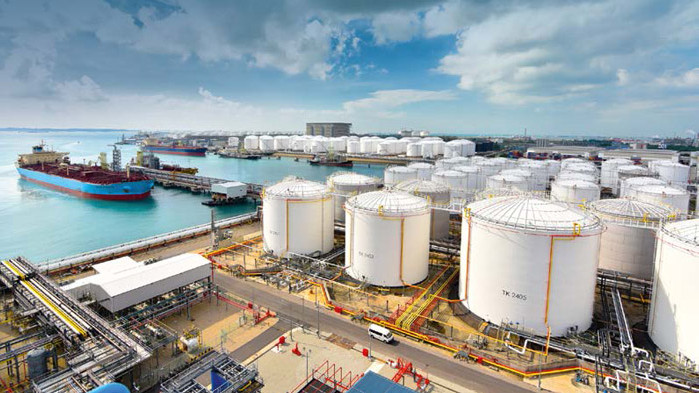
Kenya breaks ground September 30 on the Dangote-backed East Africa Oil Refinery in Lamu, a project priced at $17 billion by Kenyan officials and $20 billion by Aliko Dangote himself, and designed to process 700,000 barrels of crude oil a day at Lamu's deep-water port. It would serve Kenya, Uganda, South Sudan, Rwanda, Burundi and the Democratic Republic of Congo. Disclosed financing for the project totals $1.6 billion against a price tag of $17 billion to $20 billion. Tanzanian billionaire Mohammed Dewji has committed $100 million to the project.…

Sep 23, 2026 · byOilPrice.com
South Sudan: Monthly Refugee & Asylum-seekers Dashboard (August 2026)

South Sudan: Monthly Refugee & Asylum-seekers Dashboard (August 2026)

Countries: South Sudan, Burundi, Democratic Republic of the Congo, Eritrea, Ethiopia, Sudan, Uganda Source: UN High Commissioner for Refugees Please refer to the attached Infographic. As of the end of Aug 2026, South Sudan hosts 661,529 refugees and asylum-seekers across 183,313 households, settled in 31 locations nationwide. This includes 657,479 registered refugees and 4,050 asylum-seekers. The vast majority 95% (621,766 individuals), are Sudanese refugees, followed by 14,991 (2%) from the Democratic Republic of Congo, 7,093 from Ethiopia, 6,386 from Eritrea, 5,693 from Central African Republic, and 1,550 from other nationalities. In response to the ongoing conflict in Sudan, the Government of South Sudan continues to grant prima facie refugee status to those fleeing their country. Among the refugees, 49% are female aged 0-59 years, and 75% are female and children combined. The asylum-seeker population is smaller and has a distinct demographic profile. Eritreans and Ethiopians accounts for 38% respectively, forming the two largest groups, followed by Burundians (11%), Ugandans (6%), Somalia (4%) and (3%) other nationalities.

Sep 18, 2026 · byReliefWeb
Eastern Democratic Republic of the Congo (DRC) Situation - Regional External Update #41 - August 2026

Eastern Democratic Republic of the Congo (DRC) Situation - Regional External Update #41 - August 2026

Countries: Democratic Republic of the Congo, Burundi, Rwanda, Uganda, United Republic of Tanzania, Zambia Source: UN High Commissioner for Refugees Please refer to the attached file. HIGHLIGHTS • Despite progress in ongoing mediation efforts to end the conflict in eastern Democratic Republic of the Congo (DRC), violence continued to drive displacement and protection risks, with around 1.3 million Congolese refugees and asylum-seekers still hosted in neighbouring countries by end-August. UNHCR continued to call for sustained protection, humanitarian access and support to host communities. • The Ebola outbreak added urgency to the response: transmission in the DRC exceeded 7,200 confirmed cases and nearly 3,500 deaths1 across seven provinces since the outbreak was declared in May 2026. Meanwhile, the World Health Organization (WHO) and the Africa Centres for Disease Control declared Uganda Ebola-free after 42 days without a new confirmed case. Continued surveillance, preparedness and community engagement remained essential to protect displaced people and host communities. • Despite the challenges, voluntary returns to the DRC continued, with more than 70,000 Congolese refugees returning from Burundi in 2026 and tripartite frameworks with Tanzania and Zambia supporting principled, phased approaches. UNHCR and its partners continued working to ensure all returns remain voluntary, informed, safe and dignified, backed by reintegration support.

Sep 17, 2026 · byReliefWeb
UNHCR Tanzania Operational Update - August 2026

UNHCR Tanzania Operational Update - August 2026

Countries: United Republic of Tanzania, Burundi, Democratic Republic of the Congo Source: UN High Commissioner for Refugees Please refer to the attached file. August 2026 As of 31 August 2026, Tanzania hosts 131,929 refugees and asylum seekers, mainly from the DRC and Burundi. Of these, 90,642 live in Nyarugusu Camp, while 41,287 (mostly Burundian) refugees live in Dar es Salaam, urban areas, villages, and old settlements, Kigoma, Katavi, and Tabora regions. In collaboration with the Government, UNHCR and partners have been receiving asylum seekers fleeing violent clashes in the DRC. In August 2026, a total of 194 new arrivals were received in Tanzania, bringing the total number of arrivals to 4,760 since renewed violence in eastern DRC in January 2025. UNHCR continues to provide protection and assistance to the people we serve. Some services, including primary health care and education, are also extended to the host community. In addition, UNHCR seeks durable solutions for refugees.

Sep 15, 2026 · byReliefWeb