Topic · Person
Sierra Leone
13 articles
See also
📰
Latest Sierra Leone articles


Attackers Hijack .gh, .sl, and .as Registries to Obtain Certificates for Google Domains
Attackers compromised three country-code top-level domains (ccTLDs) and obtained unauthorized HTTPS certificates for several Google domains, Google said on October 6. Google's own systems were not breached, but any domain ending in .gh (Ghana), .sl (Sierra Leone) or .as (American Samoa) was put at risk. With such a certificate, an attacker could pose as the real site over an encrypted

Algeria: Desert Locust Bulletin 576 (6 October 2026)
Countries: Algeria, Afghanistan, Benin, Burkina Faso, Cabo Verde, Cameroon, Chad, Côte d'Ivoire, Djibouti, Egypt, Eritrea, Ethiopia, Gambia, Ghana, Guinea, Guinea-Bissau, India, Iran (Islamic Republic of), Liberia, Libya, Mali, Mauritania, Morocco, Niger, Nigeria, Oman, Pakistan, Saudi Arabia, Senegal, Sierra Leone, Somalia, Spain, Sudan, Togo, Tunisia, Yemen Source: Food and Agriculture Organization of the United Nations Please refer to the attached file. ISOLATED ADULTS IN THE WESTERN REGION In September, the general locust situation appeared calm across the three desert locust breeding Regions. In the Western Region, solitarious adult populations continued to be present in Mauritania and Chad, but no locusts were seen in Algeria and Tunisia. No surveys were conducted in Mali and Niger. In the Central Region, isolated adults were seen in Egypt, and no locusts were seen in Sudan, Ethiopia, Saudi Arabia, Yemen and Oman. In the Eastern Region, no locusts were seen in Iran, Pakistan and India. During the forecast period, summer breeding in Mauritania, southern Algeria, northern Mali and Niger, and Chad could result in increasing locust populations in the Western Region, where hopper and adult groups may form by the end of the forecast period. Surveys should continue in the summer breeding areas of these countries as the ecological conditions are favorable for breeding, and preventive control may be required. In the Central Region, small-scale breeding may occur in the summer areas of Sudan, the western lowlands of Eritrea and the interior areas of Yemen. Small-scale winter breeding may begin on the Red Sea and Gulf of Aden coastal plains, but no significant developments are expected. In the Eastern Region, summer breeding may occur along the Indo-Pakistan border; however, no significant developments are expected.
 Oct 7, 2026 · byReliefWeb
Benin: West Africa Seasonal Monitor: Localized Rainfall Deficits Persist Across the Sahel as the Rainy Season is Ending (September 29, 2026)
Countries: Benin, Burkina Faso, Cameroon, Central African Republic, Chad, Côte d'Ivoire, Guinea, Liberia, Mali, Mauritania, Niger, Nigeria, Senegal, Sierra Leone, Togo Source: Famine Early Warning System Network Please refer to the attached file. Key Messages The Intertropical Front (ITF) reached its northernmost position in the second dekad of August, and due to an uneven southward retreat, it is currently located north of the climatological mean along its entire length. Rainfall deficits across northern part of the Sahel zone have reduced vegetation conditions and crop water availability. Rainfall forecasts for October and November show above-normal rainfall is expected across the Sahel, while below-normal rainfall is likely over the bimodal areas. Based on the extended streamflow forecast, the likelihood of flooding along the major Rivers in West Africa is extremely low through the end of the season.
Oct 6, 2026 · byReliefWeb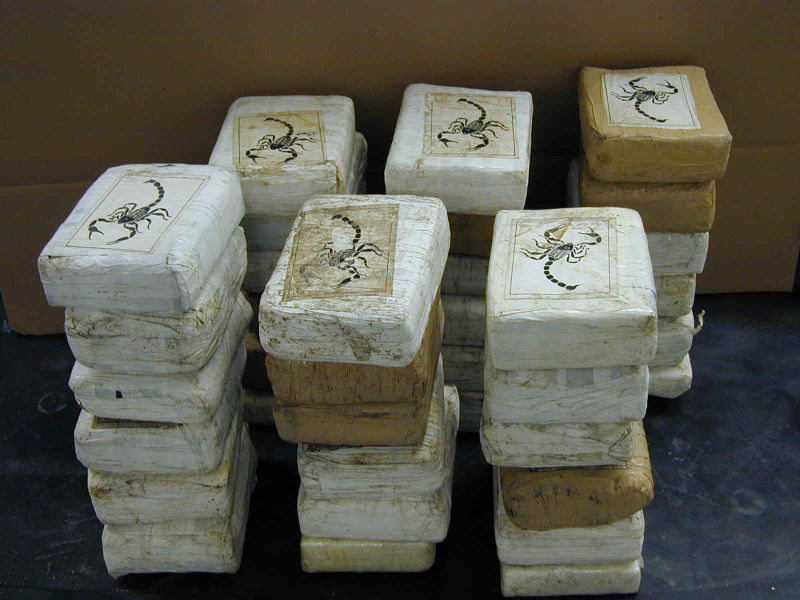
From the Netherlands to Sierra Leone: EU aid, a president’s daughter and Europe’s most‑wanted cocaine boss
Jos Leijdekkers was sentenced in the Netherlands in absentia to 24 years in prison for smuggling seven tonnes of cocaine, robbery, and ordering a killing. But he is also the partner of Agnes Bio, the president of Sierra Leone's daughter.
EU cuts aid to Sierra Leone over its help to convicted cocaine kingpin, Netherlands says
Oct 1, 2026 · byGlobal Banking & Finance Review

DR Congo: Afrique de l’Ouest et centrale : Derniers événements en bref (du 22 au 28 septembre 2026)
Countries: Democratic Republic of the Congo, Benin, Burkina Faso, Cabo Verde, Côte d'Ivoire, Gambia, Ghana, Guinea, Guinea-Bissau, Liberia, Mali, Mauritania, Niger, Nigeria, Senegal, Sierra Leone, Togo Source: UN Office for the Coordination of Humanitarian Affairs Please refer to the attached Infographic. République démocratique du Congo La violence entraîne des déplacements de population et aggrave les difficultés humanitaires et sanitaires Les combats dans le Sud-Kivu et le Nord-Kivu continuent de provoquer des déplacements de civils. Depuis juillet, plus de 40 000 personnes ont été nouvellement déplacées dans le territoire de Fizi, tandis que le Sud-Kivu accueille près de 1,2 million de personnes déplacées à l’intérieur du pays. En Ituri, l’insécurité sur le site de déplacés de Kigonze, à Bunia, qui accueille près de 19 000 personnes, a accru les préoccupations en matière de protection et fortement restreint l’accès humanitaire depuis le 20 septembre. Par ailleurs, la riposte à Ebola se heurte à des difficultés croissantes d’acceptation par les communautés. Au 26 septembre, les autorités faisaient état de 8 116 cas confirmés et de près de 4 000 décès. De récentes attaques liées aux activités de prévention d’Ebola dans le Nord-Kivu ont encore compliqué les efforts de riposte, dans un contexte marqué par l’insécurité, les contraintes d’accès et la poursuite des mouvements de population. Libéria La malnutrition infantile s'aggrave alors que l'aide diminue La malnutrition infantile et l’insécurité alimentaire s’aggravent dans un contexte de réduction de l’accès aux services de nutrition et de santé, à la suite de coupes dans l’aide internationale. Selon les estimations récentes, seuls 2,4 % des enfants âgés de 6 à 23 mois bénéficient d’une alimentation minimale acceptable, tandis que la malnutrition aiguë chez les enfants de moins de cinq ans a atteint 8,5 %. Les organisations humanitaires alertent sur les importantes lacunes dans les services essentiels engendrées par l’arrêt de programmes auparavant financés, qui accroissent les risques pour les enfants et les familles vulnérables. Mauritanie Des inondations mettent en évidence une vulnérabilité croissante face aux chocs climatiques Les fortes pluies tombées depuis le 24 septembre ont provoqué des inondations généralisées à Nouakchott, perturbant les transports et les activités quotidiennes et ravivant les inquiétudes concernant les infrastructures de drainage. Ces inondations surviennent dans un contexte de risques climatiques croissants à travers le pays, en particulier dans les régions du sud et du sud-est exposées aux sécheresses, aux inondations et aux tempêtes de sable. Une récente étude de l’OIM a révélé que 75 % des personnes interrogées se considèrent vulnérables aux chocs climatiques, tandis que beaucoup ne disposent pas des ressources suffisantes pour s’y adapter. L’OIM a appelé à un renforcement des investissements en faveur de la résilience, de la sécurité alimentaire et de l’adaptation au changement climatique. Afrique de l'Ouest Les risques climatiques soulignent les besoins de financement de la région, estimés à 294 milliards de dollars d'ici 2030 Depuis le 24 septembre, de fortes pluies ont provoqué d’importantes inondations à Nouakchott, perturbant les transports et les activités quotidiennes et suscitant de nouvelles préoccupations concernant les infrastructures de drainage. Ces inondations surviennent dans un contexte de risques climatiques croissants à travers le pays, notamment dans les régions du sud et du sud-est, exposées aux sécheresses, aux inondations et aux tempêtes de sable. Selon une récente étude de l’OIM, 75 % des personnes interrogées se considèrent vulnérables aux chocs climatiques, tandis que beaucoup ne disposent pas de ressources suffisantes pour s’y adapter. L’OIM a appelé à davantage d’investissements dans la résilience, la sécurité alimentaire et l’adaptation au changement climatique.
Sep 29, 2026 · byReliefWeb
DR Congo: West and Central Africa: Latest Events at a glance (22–28 September 2026)
Countries: Democratic Republic of the Congo, Benin, Burkina Faso, Cabo Verde, Côte d'Ivoire, Gambia, Ghana, Guinea, Guinea-Bissau, Liberia, Mali, Niger, Nigeria, Senegal, Sierra Leone, Togo Source: UN Office for the Coordination of Humanitarian Affairs Please refer to the attached Infographic. Democratic Republic of the Congo Violence drives displacement and compounds humanitarian and health challenges Fighting across South Kivu and North Kivu continues to displace civilians, with more than 40,000 people newly displaced in Fizi territory since July and nearly 1.2 million internally displaced people hosted across South Kivu. In Ituri, insecurity at the Kigonze displacement site in Bunia, hosting nearly 19,000 people, has heightened protection concerns and severely restricted humanitarian access since 20 September. Meanwhile, the Ebola response faces growing community acceptance challenges. As of 26 September, authorities reported 8,116 confirmed cases and nearly 4,000 deaths. Recent attacks linked to Ebola prevention activities in North Kivu have further complicated response efforts, alongside insecurity, access constraints and continued population movements. Liberia Child malnutrition worsens amid reduced assistance Child malnutrition and food insecurity are worsening amid reduced access to nutrition and health services following cuts in international assistance. Recent estimates indicate that only 2.4 per cent of children aged 6–23 months receive a minimum acceptable diet, while acute malnutrition among children under five has risen to 8.5 per cent. Humanitarian organizations warn that the closure of previously funded programmes has created significant gaps in essential services, increasing risks for vulnerable children and families. Mauritania Flooding highlights growing vulnerability to climate shocks Heavy rains since 24 September have caused widespread flooding in Nouakchott, disrupting transport and daily activities and renewing concerns over drainage infrastructure. The flooding comes amid growing climate risks across the country, particularly in southern and southeastern regions exposed to droughts, floods and sandstorms. A recent IOM study found that 75 per cent of respondents consider themselves vulnerable to climate shocks, while many lack adequate resources to adapt. IOM called for increased investment in resilience, food security and climate adaptation. West Africa Climate risks underscore region’s $294 billion financing needs by 2030 ECOWAS estimates that approximately $294 billion will be required by 2030 to implement Member States’ climate commitments and strengthen resilience, as climate-related risks intensify across the region. A new study warns that the current El Niño phenomenon could contribute to more than 450,000 additional heat-related deaths globally by early 2027, with the Sahel among the most affected regions. Researchers estimate nearly 67,000 additional deaths in the Sahel, including more than 31,000 in Nigeria, amid extreme heat, food insecurity and limited access to healthcare. At a regional parliamentary seminar in Accra, ECOWAS officials called for stronger climate governance and increased investment in adaptation and resilience, including through innovative financing mechanisms such as carbon markets.
Sep 29, 2026 · byReliefWeb
I have seen with pride how British overseas aid saves children’s lives. That is why I say cuts should be reversed | David Harewood
I understand the pressure on the public purse, but I have also seen the effect of our spending on the ground. Our choices can do so much good David Harewood is a Unicef UK ambassador As Labour party conference approaches, politicians will debate spending priorities, fiscal pressures and the UK’s place in the world. Before those discussions begin, I want ministers to picture a hospital ward I visited in Sierra Leone with Unicef (United Nations Children’s Fund). Inside the special-care baby unit at Makeni regional hospital were rows of tiny premature babies, some no bigger than my hand. Around them stood dedicated nurses and anxious parents, all willing these newborns to survive. David Harewood is a Unicef UK ambassador Continue reading...
 Sep 27, 2026 · byThe Guardian
Cameroon: UNHCR RBWCA - Forcibly Displaced and Stateless Persons Presence - August 2026
Countries: Cameroon, Benin, Burkina Faso, Cabo Verde, Central African Republic, Chad, Congo, Côte d'Ivoire, Democratic Republic of the Congo, Equatorial Guinea, Gabon, Gambia, Ghana, Guinea, Guinea-Bissau, Liberia, Mali, Nigeria, Sao Tome and Principe, Senegal, Sierra Leone, Togo Source: UN High Commissioner for Refugees Please refer to the attached Map.
UNHCRneutral
Sep 23, 2026 · byReliefWeb
Veteran BBC Africa correspondent Mark Doyle dies
Doyle was best known for reporting on African conflicts in the 1990s and 2000s, notably in Rwanda and Sierra Leone.
 Sep 22, 2026 · byBBC
Congo: UNICEF West and Central Africa Region Humanitarian Situation Report No. 1, 30 June 2026
Countries: Congo, Benin, Burkina Faso, Cameroon, Central African Republic, Chad, Côte d'Ivoire, Democratic Republic of the Congo, Equatorial Guinea, Gabon, Gambia, Ghana, Guinea, Guinea-Bissau, Liberia, Mali, Mauritania, Niger, Sao Tome and Principe, Senegal, Sierra Leone, Togo Source: UN Children's Fund Please refer to the attached file. Highlights The first half of 2026 was marked by multiple public health emergencies across West and Central Africa (WCA), including mpox, cholera, measles, polio, yellow fever and Lassa fever. Cholera resurged in the Republic of Congo, mpox spread across several countries, and the Ebola outbreak in the Democratic Republic of the Congo triggered heightened preparedness, surveillance and cross-border coordination. Persistent insecurity in Burkina Faso, Mali and Niger continued to drive large-scale displacement, with nearly 575,000 refugees, asylum seekers and internally displaced persons hosted in neighboring and coastal countries by mid-2026. UNICEF humanitarian interventions admitted 15,000 children aged 6–59 months with severe wasting, provided supplemental measles vaccination to 187,192 children, safe water to 115,800 people, and enabled 131,100 children to access education. UNICEF's 2026 Humanitarian Action for Children (HAC) appeal for WCA remains only 31 per cent funded, with US$28.2 million available against requirements of US$92.6 million, limiting life-saving assistance across the region.
Sep 17, 2026 · byReliefWeb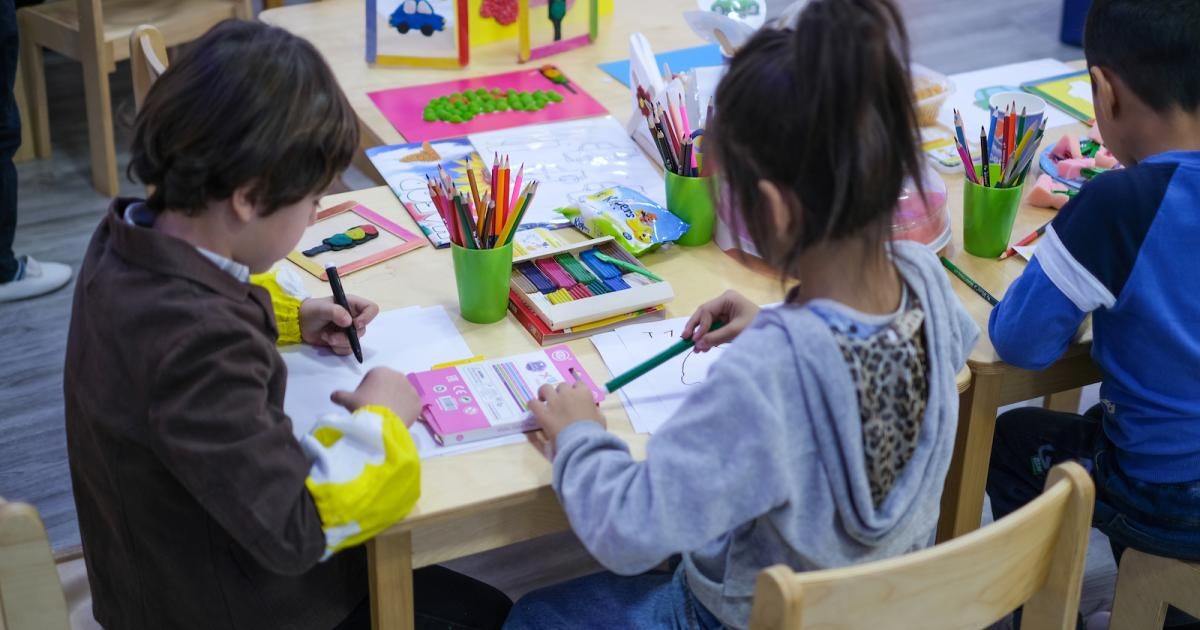
A Growing Global Push for Free Education for Every Child
Click to expand Image Students in a pre-primary school classroom in Tashkent, Uzbekistan, 2021. © 2021 Bede Sheppard / Human Rights Watch The global push to make free education accessible for every child gained momentum, as 81 states met at the United Nations in Geneva on August 31 to September 2 to discuss a proposed treaty that could strengthen children’s right to education and remove financial barriers that keep many out of school. The new optional protocol to the Convention on the Rights of the Child would recognize early childhood care and education as part of the right to education, guarantee at least one year of free public pre-primary education, and strengthen the promise of free public secondary education. The initiative has been led by Sierra Leone, the Dominican Republic, and Bulgaria, which already provide free education for their children from pre-primary through secondary. During the three-day meeting, Guatemala became the 62nd country to publicly support the initiative. However, there were differences about next steps: Some states including Armenia, Azerbaijan, Bulgaria, Chile, Cuba, the Dominican Republic, Ecuador, Georgia, Peru, South Africa, and Uruguay supported moving forward to draft the treaty while others, including Austria, Bangladesh, Belgium, Egypt, and Slovenia, called for more time to consider different options. Children played a central role at the meeting. Child delegates from all five regions shared recommendations based on consultations with more than 80 children worldwide. Tuition-free education is not genuinely free if families still need to pay for transport, uniforms, school materials, and other essential costs, the delegates said. Free pre-primary education gives children a stronger start and children from disadvantaged families a fairer chance to succeed. Free secondary education can change the course of a child’s life by reducing the likelihood of child marriage and opening doors to further education and decent work. For children with disabilities, removing financial and practical barriers can enable them to participate fully and learn alongside their peers. Further consultations will take place before the next formal meeting in October 2027. The Sierra Leone chair called for continued review of the proposals for the treaty and expert advice, while stressing that children should continue to have a meaningful, safe, and inclusive role in the next stages. The momentum now needs to become action. Governments should move this process forward so that millions of children are not left waiting for the education to which they are entitled.