← News
Topic · Place

Mali

56 articles

See also
📰

Latest Mali articles

Mauritania | Population Movement Operation Update #4 (MDRMR017)

Mauritania | Population Movement Operation Update #4 (MDRMR017)

Countries: Mauritania, Mali Source: International Federation of Red Cross and Red Crescent Societies Please refer to the attached file. A. SITUATION ANALYSIS Description of the crisis Humanitarian Situation and Needs Overview Deteriorating Security Situation in Mali Continued insecurity and violence in central and northern Mali are contributing to population movements into Mauritania. Disruption of livelihoods, reduced access to basic services and persistent protection concerns continue to affect communities in Mali and contribute to displacement towards neighbouring areas of Mauritania. Hodh Chargui, in south-eastern Mauritania, continues to receive a significant proportion of people arriving from Mali. As of 31 August 2026, UNHCR estimated that Mauritania was hosting approximately 305,000 refugees and asylum-seekers, of whom 189,881 were registered nationally. Of these, 177,542 registered refugees were in Hodh Chargui. Cross-Border Implications and Population Movements Continued population movements from Mali are placing additional pressure on communities and services in Hodh Chargui. Refugees and returnees arriving in border areas require access to shelter, safe water, sanitation, health care, protection and other essential services. A significant proportion of refugees are living within host communities rather than in Mbera Camp. Earlier in 2026, UNHCR reported that more than 170,000 refugees were living across over 70 host villages in Hodh Chargui, in addition to approximately 120,000 people in Mbera Camp.2 This settlement pattern places additional pressure on local infrastructure, services and natural resources, while increasing the importance of assistance that addresses the needs of both displaced and host populations. Protection concerns remain significant, particularly for women, children and people with specific vulnerabilities. Displacement and repeated exposure to insecurity can also increase psychosocial distress, family separation and protection risks, reinforcing the need for accessible referral mechanisms and community-based protection and psychosocial support. Conditions and Unmet Humanitarian Needs Refugees, returnees and vulnerable host communities continue to face gaps in access to adequate shelter, safe water, sanitation, food, health care, protection and livelihood opportunities. These challenges are particularly pronounced in remote communities where access to services and humanitarian assistance remains limited. Pressure on water, pasture and other natural resources also affects host communities whose existing coping capacities are already constrained. Continued arrivals therefore increase demand for basic services and may contribute to tensions over access to limited resources. Public health risks remain a concern, particularly where communities have limited access to safe water and adequate sanitation. Continued community-based health promotion, disease surveillance, referrals and early identification of malnutrition remain important components of the response. Compounding Risks: Climate and Environmental Hazards The humanitarian situation is further compounded by recurrent climate-related shocks, including flooding, drought, bushfires and environmental degradation. These hazards affect livelihoods, water availability, pasture, infrastructure and humanitarian access, particularly in remote areas. The combined effects of displacement, limited access to essential services and climate-related shocks continue to increase the vulnerability of both displaced and host communities and place additional pressure on existing coping mechanisms. Operational Capacity and Humanitarian Response The Mauritanian Red Crescent (MRC), with support from the IFRC, continues to provide humanitarian assistance across Bassikounou, Néma, Amourj and Adel Bagrou, focusing on refugees, returnees and vulnerable host communities. The response includes shelter, multipurpose cash assistance, water, sanitation and hygiene, health, protection, migration, and community engagement and accountability activities. Two Humanitarian Service Points in Dowinkara and Fassala continue to support people on the move through first aid, psychological first aid, information, referrals and other essential services. Implementation has, however, been affected by funding constraints, competing operational demands, the remoteness of the intervention areas and supply-chain capacity gaps. These challenges have affected procurement follow-up, supplier settlement and the timely completion of some planned activities. To strengthen supply-chain capacity and facilitate completion of the remaining activities, the IFRC has recruited a full-time Supply Chain Delegate to support procurement follow-up, verification of supplier deliveries, stock reconciliation, transport arrangements and completion of outstanding procurement processes. The MRC and IFRC will continue coordinating with local authorities and humanitarian partners to complete the remaining activities within the existing operational scope, while maintaining a strong focus on protection, accountability and the priority needs of affected communities.

Oct 8, 2026 · byReliefWeb
World: 2026 - 2027 El Niño: Special Report (October 2, 2026 )

World: 2026 - 2027 El Niño: Special Report (October 2, 2026 )

Countries: World, Angola, Burkina Faso, Chad, Colombia, Ethiopia, Guatemala, Haiti, Honduras, Kenya, Lesotho, Madagascar, Malawi, Mali, Niger, Pakistan, Somalia, South Sudan, Sudan, Uganda, Zambia, Zimbabwe Source: Famine Early Warning System Network Please refer to the attached file. FEWS NET Special Reports provide in-depth analysis of food security issues of particular concern. In 2026–2027, FEWS NET will publish a series of El Niño Special Reports, focusing on countries where FEWS NET has a presence and where El Niño impacts are of concern. The first report, in October 2026, provides an overview of the event, distinguishes the timing of rainfall impacts from peak impacts on acute food security outcomes, and provides region-level summaries. It also examines the global impacts on food availability and prices and the longer-term implications for food security. A second report will be published in late 2026 and a third and final report will follow in early-to-mid 2027, both of which will provide more detailed early warning of likely outcomes in regions where El Niño impacts on food security occur later in 2027. Reports will also update on the potential transition to La Niña. Key Messages The 2026/27 El Niño has rapidly strengthened to very strong levels and is expected to drive significant rainfall anomalies across FEWS NET geographies. Below-average rainfall has already occurred across unimodal areas of East Africa, the Sahel of West Africa, Latin America and the Caribbean, and Pakistan. Southern Africa will face below-average rains during the October 2026 to March 2027 rainy season, while the Horn of Africa will see heavy rains and heightened flood risk during the October to December 2026 rains. The most severe food insecurity outcomes from El Niño-induced rainfall anomalies typically emerge during the following lean season, rather than during the rainy season itself. This makes El Niño an important early warning signal, giving governments and humanitarians time to deliver a humanitarian food assistance response before the most severe acute food insecurity materializes. Unimodal East Africa and Southern Africa are of highest concern. In both regions, El Niño is expected to result in widespread drought and be the primary driver of high food assistance needs in 2027. While El Niño is expected to have its most significant food security impacts in areas directly affected by extreme rainfall anomalies, indirect impacts are likely to emerge through regional and international trade and markets. These indirect import-related risks are particularly elevated in Southern Africa through regional maize trade, and in West Africa and Yemen through international imports. Global output of maize, wheat, and rice has changed little on balance in the strong and very strong El Niño years since 1980. In the crop marketing years of these events, global output fell by at most 3.9 percent from the year before, in 1987/88. The U.S. Department of Agriculture (USDA) projects global 2026/27 production of these crops to be 2.7 percent below last year, but still the second-largest crop on record . Food security outcomes are often driven by multiple coexisting shocks. FEWS NET’s assessed populations in need are available in many of FEWS NET’s global and country-level products , but these estimates represent needs driven by all relevant factors. This report does not seek to – and it is often not feasible to – disentangle the relative contribution of each driver in order to identify needs attributable to one factor, in this case El Niño only. Nonetheless, the regional summaries do identify where El Niño is, or is not, considered a primary driver of acute food insecurity and associated food assistance needs. Beyond its immediate impacts, El Niño can increase vulnerability to future shocks by eroding household coping capacity. Where livelihoods are damaged and recovery is insufficient, households will face greater difficulty managing subsequent shocks. The longer-term food security implications depend not only on current rainfall conditions, but also on efforts to mitigate risks and support recovery. While this report focuses on early warning of both the ongoing and forecast impacts of the 2026/27 El Niño, it is important to signal early warning for the forecast transition to La Niña in mid-to-late 2027. Although confidence in this transition is relatively low given the long lead time, a shift to La Niña should be prepared for, as it will introduce a new set of rainfall impacts and food security risks.

Oct 7, 2026 · byReliefWeb
Russia-backed Mali junta retakes strategic town after separatists withdraw

Russia-backed Mali junta retakes strategic town after separatists withdraw

The Malian army says it has entered the strategic northern city of Kidal, which was captured around five months ago by Tuareg separatists who announced their withdrawal earlier Tuesday as the military advanced – a symbolic boost to Mali's junta and its Russian backers. In late April, jihadists from Al-Qaeda-linked JNIM and its Tuareg separatist allies kicked off a series of attacks aimed at weakening Mali's junta rulers, including taking control of Kidal and killing the defence minister. FRANCE 24’s Senior journalist Wassim Nasr explains.

Oct 7, 2026 · byFrance 24
Algeria: Desert Locust Bulletin 576 (6 October 2026)

Algeria: Desert Locust Bulletin 576 (6 October 2026)

Countries: Algeria, Afghanistan, Benin, Burkina Faso, Cabo Verde, Cameroon, Chad, Côte d'Ivoire, Djibouti, Egypt, Eritrea, Ethiopia, Gambia, Ghana, Guinea, Guinea-Bissau, India, Iran (Islamic Republic of), Liberia, Libya, Mali, Mauritania, Morocco, Niger, Nigeria, Oman, Pakistan, Saudi Arabia, Senegal, Sierra Leone, Somalia, Spain, Sudan, Togo, Tunisia, Yemen Source: Food and Agriculture Organization of the United Nations Please refer to the attached file. ISOLATED ADULTS IN THE WESTERN REGION In September, the general locust situation appeared calm across the three desert locust breeding Regions. In the Western Region, solitarious adult populations continued to be present in Mauritania and Chad, but no locusts were seen in Algeria and Tunisia. No surveys were conducted in Mali and Niger. In the Central Region, isolated adults were seen in Egypt, and no locusts were seen in Sudan, Ethiopia, Saudi Arabia, Yemen and Oman. In the Eastern Region, no locusts were seen in Iran, Pakistan and India. During the forecast period, summer breeding in Mauritania, southern Algeria, northern Mali and Niger, and Chad could result in increasing locust populations in the Western Region, where hopper and adult groups may form by the end of the forecast period. Surveys should continue in the summer breeding areas of these countries as the ecological conditions are favorable for breeding, and preventive control may be required. In the Central Region, small-scale breeding may occur in the summer areas of Sudan, the western lowlands of Eritrea and the interior areas of Yemen. Small-scale winter breeding may begin on the Red Sea and Gulf of Aden coastal plains, but no significant developments are expected. In the Eastern Region, summer breeding may occur along the Indo-Pakistan border; however, no significant developments are expected.

Oct 7, 2026 · byReliefWeb
Benin: West Africa Seasonal Monitor: Localized Rainfall Deficits Persist Across the Sahel as the Rainy Season is Ending (September 29, 2026)

Benin: West Africa Seasonal Monitor: Localized Rainfall Deficits Persist Across the Sahel as the Rainy Season is Ending (September 29, 2026)

Countries: Benin, Burkina Faso, Cameroon, Central African Republic, Chad, Côte d'Ivoire, Guinea, Liberia, Mali, Mauritania, Niger, Nigeria, Senegal, Sierra Leone, Togo Source: Famine Early Warning System Network Please refer to the attached file. Key Messages The Intertropical Front (ITF) reached its northernmost position in the second dekad of August, and due to an uneven southward retreat, it is currently located north of the climatological mean along its entire length. Rainfall deficits across northern part of the Sahel zone have reduced vegetation conditions and crop water availability. Rainfall forecasts for October and November show above-normal rainfall is expected across the Sahel, while below-normal rainfall is likely over the bimodal areas. Based on the extended streamflow forecast, the likelihood of flooding along the major Rivers in West Africa is extremely low through the end of the season.

Oct 6, 2026 · byReliefWeb
World: Africa CDC Epidemic Intelligence Weekly Report, September 2026

World: Africa CDC Epidemic Intelligence Weekly Report, September 2026

Countries: World, Angola, Burundi, Democratic Republic of the Congo, Guinea, Guinea-Bissau, Madagascar, Mali, Mauritius, Mozambique, Nigeria, Senegal, South Africa, Zambia Source: Africa Centres for Disease Control and Prevention Please refer to the attached file. Welcome to our Epidemic Intelligence Weekly Report, your trusted source for real-time updates on priority events of concern on the continent. The narrative brought to you focuses on three main areas: the epidemiological situation, event assessment (risk assessment and geoscope) and public health interventions by the affected Member State, partners, and Africa CDC. Every week we highlight events reported to Africa CDC that rank from moderate to very high risk as per the Africa CDC risk assessment tool. Geographic Focus: Reports could either focus on events affecting single country or multiple countries. Inclusion criteria: While Africa CDC continues to track all public health events on the continent, this report highlights only moderate to very high-risk events (with new updates in the reporting week). Events: We focus on a range of health threats, ranging from emerging infectious diseases to endemic conditions, and natural disasters. We follow a one-health multisectoral approach highlighting events across all relevant sectors: animal, environmental and human. This Event-Based Surveillance Weekly Report is your compass for navigating Africa’s public health landscape. We empower you with the latest information and insights, for informed decisions and effective interventions to attain a healthy and prosperous Africa.

CDCneutral
Oct 2, 2026 · byReliefWeb
📰

World: Middle East escalation threatens food security for an additional 11.7 million women and girls by the end of 2026

Countries: World, Afghanistan, Ethiopia, Haiti, Lebanon, Mali, Nepal, Niger, occupied Palestinian territory, Sudan, Syrian Arab Republic, Yemen Source: UN Women Remarks by UN Women Deputy Executive Director Nyaradzayi Gumbonzvanda, to whom quoted text may be attributed, at the press briefing at the Palais des Nations in Geneva. Geneva – Today I am presenting the findings of a new UN Women analysis on the impact of the escalation in the Middle East on food security among women and girls in 28 countries. Disruptions to shipping through the Strait of Hormuz are raising energy, fertilizer, and transport costs, and they are pushing up food prices and straining humanitarian operations, labour markets and remittances far beyond the region. UN Women estimates that, under a moderate scenario, 11.7 million additional women and girls across 28 countries analyzed could become food insecure by the end of December 2026. This is on top of an estimated 208 million women and girls across the 28 countries who were food insecure or undernourished prior to the escalation. These are scenario-based estimates, not forecasts. Women and girls are estimated to make up 53 per cent of the projected 22 million additional people affected in the countries analyzed. But in some countries, women and girls are estimated to make up an even larger share. In Afghanistan , women and girls make up 60 per cent of people who could face food insecurity; in Yemen, more than 57 per cent; in Sudan , nearly 56 per cent. More populous countries were found to have the largest numbers of women and girls who could face food insecurity. However, countries such as South Sudan, Sudan, Haiti, Yemen, and Palestine face more concentrated risks, as multiple sources of vulnerability facing women and girls overlap. In South Sudan, the additional number of women and girls who could face food insecurity represents around 14 per cent of the South Sudanese female population, or about one in seven women and girls – the highest proportion. In Lebanon, the additional number of women and girls who could face food insecurity represents nearly four per cent of the Lebanese female population, the second-highest proportion. We know from previous crises that when food becomes scarce, women eat less and eat last. They often shift their diet to food that is less nutritious or skip meals altogether to prioritize the needs of others. Gender inequalities dictate who has access to food and who has the resources to obtain it. When women and girls do not have adequate, nutritious food to eat, they are at risk of a multitude of health problems, including malnutrition. Higher food prices are one way the disruption is worsening food insecurity. Pressure on income and livelihoods could make food even harder to afford. For many women, existing inequalities in employment and access to financial services leave them with fewer resources to absorb these shocks. In Egypt, Iraq, Palestine, Sudan and Syria, more than 80 per cent of women are outside the labour force. In Afghanistan and Yemen, this rises to around 95 per cent. Among women who are employed, many are in vulnerable employment. This is the case for more than 80 per cent of women in Afghanistan, Burkina Faso, Ethiopia, Haiti, Mali, and South Sudan. Access to financial services could provide a buffer, but in Iraq, Lebanon, Pakistan and Yemen, fewer than one in five women owns a bank or mobile-money account. Without an account, women may have fewer options to save, receive remittances or cash assistance, or borrow safely when prices rise or income falls. This can increase their reliance on informal lenders, relatives, or other household members, and may put their safety and protection at risk. We are also seeing these links in countries beyond the 28 covered in this analysis. The recent floods in Nepal , for example, damaged crops, livestock and agricultural infrastructure, leaving families without food and livelihoods – and showing us just how fragile food and economic security is during shocks. The available evidence helps us identify where risks may be more concentrated, but it does not consistently tell us within a household who eats less or last, whose diet is becoming less diverse, or who is taking on more unpaid work to secure and prepare food. If we cannot see who is going hungry inside the home, we cannot design a response that reaches them. This brings me to what needs to happen. First, we need to protect women’s access to food and protect the resources they need to withstand and recover from shocks. We can do this by combining food and cash assistance with nutrition, protection, livelihoods and agricultural support, and ensuring women can access land, credit, services, and assets. This is particularly significant this year in 2026, the International Year of the Woman Farmer, which recognizes the essential contributions of women across agrifood systems – far too often overlooked. Women farmers need the resources to continue producing food and sustaining their livelihoods. Second, we need to target resources where women and girls face multiple risks such as conflict , internal displacement, climate vulnerability , humanitarian funding gaps, and structural inequalities. And we need to make sure that support reaches them at the right time, including ahead of agricultural seasons. Third, we need to make women’s and girls’ experiences visible in our food-security data – and understanding where food insecurity is worsening, and who is eating less, losing livelihoods, taking on more unpaid care work, or facing nutrition and protection risks. This is the response, but crucially, to end the suffering of women and girls, we need peace and security. UN Women calls for de-escalation and respect for international law. We echo the call of the Secretary-General to all concerned parties to work towards diplomatic solutions that advance regional and international peace and security.

Oct 2, 2026 · byReliefWeb
World: Middle East escalation could leave 11.7 million more women and girls facing food insecurity by end-2026

World: Middle East escalation could leave 11.7 million more women and girls facing food insecurity by end-2026

Countries: World, Afghanistan, Burkina Faso, Egypt, Haiti, Iraq, Lebanon, Mali, occupied Palestinian territory, South Sudan, Sudan, Syrian Arab Republic, Yemen Source: UN Women Disruption to the Strait of Hormuz is driving up food prices and putting further strain on the livelihoods and household resources of millions of women and girls, according to a new UN Women analysis. Geneva – An additional 11.7 million women and girls could face food insecurity by the end of 2026, as the escalation in the Middle East and disruption to the Strait of Hormuz drive up food prices and strain livelihoods and household resources, according to a new UN Women analysis published today. Food security risks of the Middle East escalation for women and girls finds that women and girls account for 53 per cent of the projected 22 million additional people who could face food insecurity by the end of the year across 28 countries analyzed. This is in addition to an estimated 208 million women and girls who were already food insecure or undernourished in these countries. These are scenario-based estimates, not forecasts. “We know, as a matter of fact, that when food becomes scarce, women eat less and last. They often shift to less nutritious diets or skip meals altogether to prioritize the needs of others. Gender inequalities dictate who has access to food and the resources to obtain it. Therefore, investing in women and girls is a sure way of ensuring the well-being of families and communities,” said UN Women Deputy Executive Director Nyaradzayi Gumbonzvanda. Disruptions to shipping through the Strait of Hormuz are driving up energy, fertilizer and transport costs, pushing up food prices. Combined with potential income and livelihood losses, these rising costs could make food harder to afford. For many women, existing inequalities in employment and access to financial services leave them with fewer resources to absorb these shocks. More populous countries were found to have the largest numbers of women and girls who could face food insecurity. However, countries such as South Sudan, Sudan, Haiti, Yemen and Palestine face more concentrated risks, as multiple sources of vulnerability overlap. In South Sudan, the additional number of women and girls who could face food insecurity represents around 14 per cent – or one in seven – of the South Sudanese female population – the highest proportion across the countries analyzed. In Lebanon, the additional number of women and girls who could face food insecurity represents nearly 4 per cent of the Lebanese female population, the second-highest proportion. In many countries, women and girls make up a higher proportion of people who could face food insecurity. For example, in Afghanistan, women and girls are estimated to make up 60 per cent of people who could face food insecurity; in Yemen, more than 57 per cent; and in Sudan, nearly 56 per cent. Employment also affects food security. In Egypt, Iraq, Palestine, Sudan and Syria, around 80 per cent of women are outside the labour force. In Afghanistan and Yemen, this rises to around 95 per cent, the report notes. Among employed women, more than 80 per cent are in vulnerable employment in Afghanistan, Burkina Faso, Ethiopia, Haiti, Mali and South Sudan. According to the analysis, access to financial services could provide a buffer, but many women lack access to these services. In Iraq, Lebanon, Pakistan and Yemen, fewer than one in five women owns a bank or mobile money account. This can limit women’s ability to save, receive remittances or cash assistance, or borrow safely when prices rise or incomes fall, increasing reliance on informal lenders, relatives or other household members and potentially putting their safety and protection at risk. UN Women calls for an integrated response that combines food and cash assistance with nutrition, protection, livelihoods and agricultural support, while ensuring women can access land, credit, services and other productive assets. It also urges resources to be targeted to places where women and girls face multiple, overlapping risks, and delivered at the right time – including ahead of agricultural seasons. Better data are needed to identify where food insecurity is worsening and who is eating less, losing livelihoods, taking on more unpaid care work, or facing heightened nutrition and protection risks within households. UN Women joins the calls for de-escalation and respect for international law and echoes the Secretary-General’s call to all concerned parties to work towards diplomatic solutions that advance regional and international peace and security. About UN Women UN Women exists to advance women’s rights, gender equality and the empowerment of all women and girls. As the lead United Nations entity on gender equality, we shift laws, institutions, social norms and services to close the gender gap and build an equal world for all women and girls. We keep the rights of women and girls at the centre of global progress – always, everywhere. Because gender equality is not just what we do. It is who we are. Contact Contact the UN Women Media Team at [ Click to reveal ]

Oct 2, 2026 · byReliefWeb
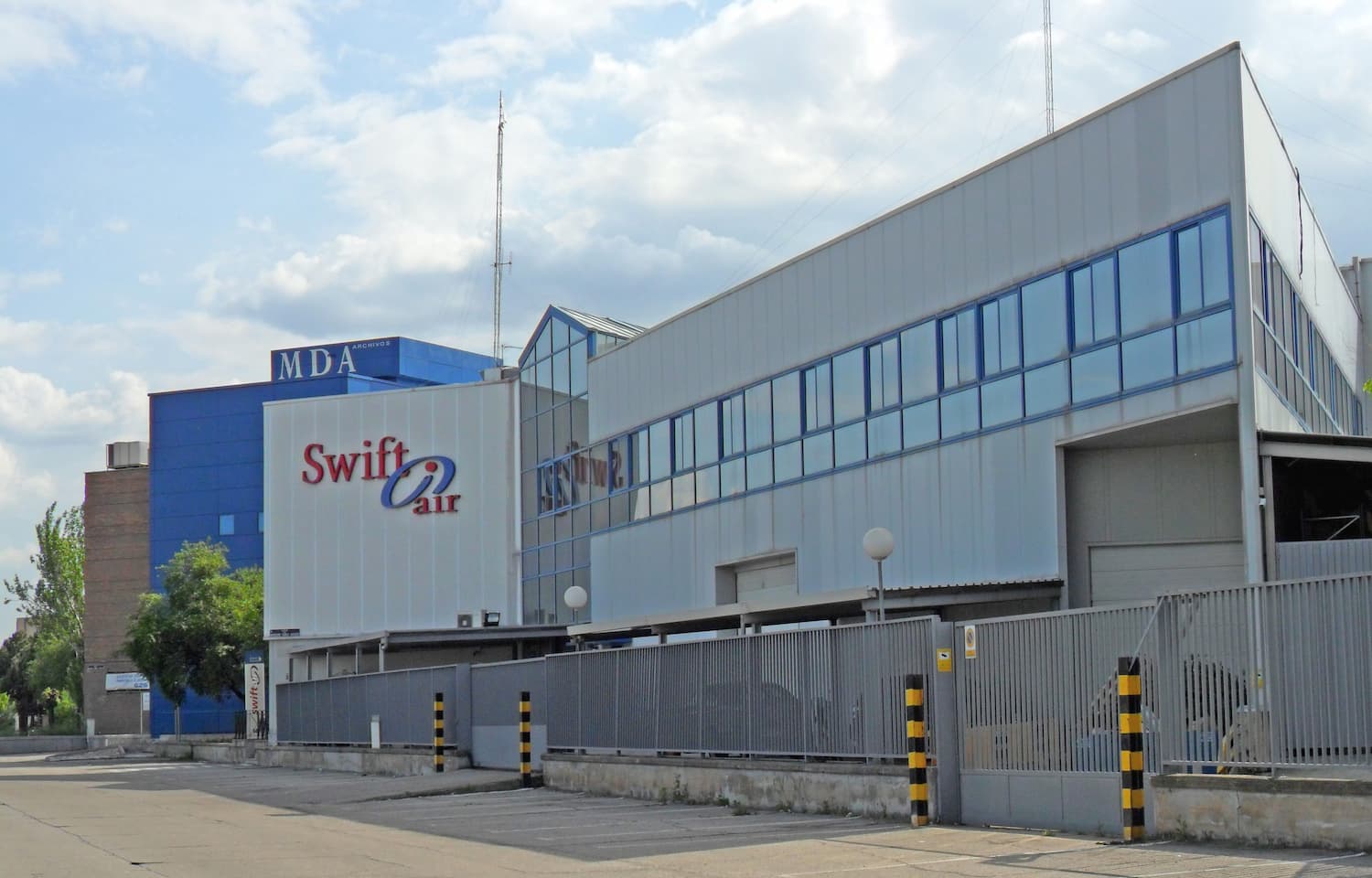
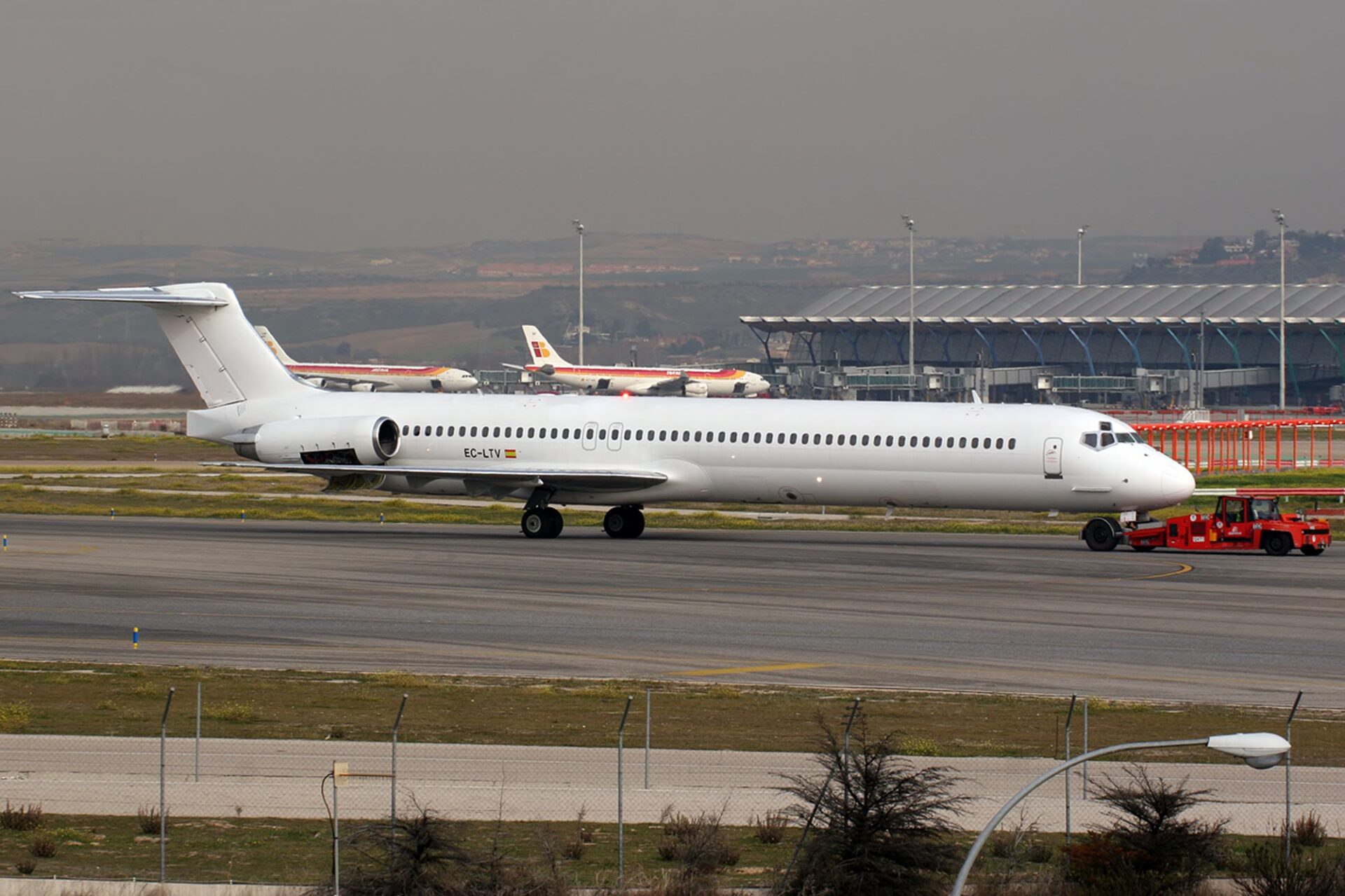
Swiftair found guilty of involuntary manslaughter over 2014 Mali crash

Swiftair found guilty of involuntary manslaughter over 2014 Mali crash

A Paris court has found Spanish airline Swiftair guilty of corporate manslaughter for a crash in northern Mali in 2014. Flight AH5017 was flying from Ouagadougou, the capital of Burkina Faso to Algiers, Algeria when it crashed just an hour after taking off. The accident occurred during a sand storm, near Gossi, northern Mali on […] The post Swiftair found guilty of involuntary manslaughter over 2014 Mali crash appeared first on Travel Radar - Aviation News .

Oct 2, 2026 · byTravel Radar
Sudan: UN releases $160 million to save lives in 12 underfunded humanitarian crises

Sudan: UN releases $160 million to save lives in 12 underfunded humanitarian crises

Countries: Sudan, Afghanistan, Burkina Faso, Cameroon, Chad, Cuba, Mali, Niger, occupied Palestinian territory, Somalia, South Sudan, Yemen Source: UN Office for the Coordination of Humanitarian Affairs Please refer to the attached file. (New York/Geneva, 2 October 2026) The United Nations today allocated US$160 million from the Central Emergency Response Fund (CERF) to support life-saving assistance in 12 of the world’s most underfunded humanitarian crises across Africa, Asia, Latin America and the Middle East. This allocation is part of a wider push to reach 87 million people facing the most severe humanitarian needs this year. “We have 87 million people to reach, and no time to waste. Today’s new funding will help us get aid to people who might otherwise be left behind,” said Tom Fletcher, Under-Secretary-General for Humanitarian Affairs and Emergency Relief Coordinator. “But money alone won’t get us there: leaders must exercise political will to open access, remove obstacles and help us reach people whose lives are on the line.” Of the new allocation, $150 million will support life-saving responses in Afghanistan ($18 million), Burkina Faso ($10 million), Cameroon ($6 million), Chad ($9 million), Cuba ($4 million), Mali ($10 million), Niger ($10 million), the occupied Palestinian territory ($18 million), Somalia ($16 million), South Sudan ($15 million), Sudan ($16 million) and Yemen ($18 million). Five of the crises – Afghanistan, the occupied Palestinian territory, South Sudan, Sudan and Yemen – are among the 10 contexts where Mr. Fletcher has called for urgent diplomatic action to secure humanitarian access to unlock assistance for 11 million people of the 87 million people prioritized for support this year. The allocation also includes $10 million to address the urgent needs of people with disabilities in the 12 crises and make humanitarian assistance more accessible and inclusive. CERF is partnering with the UN Global Disability Fund , which will provide up to $4 million in complementary funding and technical support through its Inclusion Catalyst Hub, including to strengthen the capacity and participation of local organizations of persons with disabilities in humanitarian response. CERF is the UN’s global emergency fund managed by the UN Office for the Coordination of Humanitarian Affairs (OCHA). Today’s allocation brings total CERF funding allocated so far in 2026 to $483 million. CERF receives broad support from UN Member States, observers, regional authorities, international organizations, the private sector and individuals. CERF is one of the fastest funding instruments available and allocates funding to rapid response and underfunded emergencies. Funding decisions for CERF allocations to underfunded emergencies are based on detailed analysis of more than 100 humanitarian indicators and wide consultation with partners. Note to the Editor Since its creation by the UN General Assembly in 2005, and with generous contributions from 135 Member States and observers, as well as other donors including private individuals, CERF has assisted hundreds of millions of people with some $10.2 billion across more than 117 countries and territories. This includes $3.4 billion to underfunded crises. In 2025, $212 million was disbursed to implement life-saving activities in 18 underfunded emergencies. CERF has an annual funding target of $1 billion. CERF launched its Climate Action Account at COP28, offering a quick, efficient and impactful avenue for climate-related humanitarian finance. It aims to assist the world’s most vulnerable communities facing the consequences of the climate crisis, including through anticipatory action. For further information, please contact: In New York, Eri Kaneko, kaneko@un.org, +1 917 208 8910 In Geneva: Jens Laerke, laerke@un.org, +41 79 472 9750

Oct 2, 2026 · byReliefWeb
DR Congo: Afrique de l’Ouest et centrale : Derniers événements en bref (du 22 au 28 septembre 2026)

DR Congo: Afrique de l’Ouest et centrale : Derniers événements en bref (du 22 au 28 septembre 2026)

Countries: Democratic Republic of the Congo, Benin, Burkina Faso, Cabo Verde, Côte d'Ivoire, Gambia, Ghana, Guinea, Guinea-Bissau, Liberia, Mali, Mauritania, Niger, Nigeria, Senegal, Sierra Leone, Togo Source: UN Office for the Coordination of Humanitarian Affairs Please refer to the attached Infographic. République démocratique du Congo La violence entraîne des déplacements de population et aggrave les difficultés humanitaires et sanitaires Les combats dans le Sud-Kivu et le Nord-Kivu continuent de provoquer des déplacements de civils. Depuis juillet, plus de 40 000 personnes ont été nouvellement déplacées dans le territoire de Fizi, tandis que le Sud-Kivu accueille près de 1,2 million de personnes déplacées à l’intérieur du pays. En Ituri, l’insécurité sur le site de déplacés de Kigonze, à Bunia, qui accueille près de 19 000 personnes, a accru les préoccupations en matière de protection et fortement restreint l’accès humanitaire depuis le 20 septembre. Par ailleurs, la riposte à Ebola se heurte à des difficultés croissantes d’acceptation par les communautés. Au 26 septembre, les autorités faisaient état de 8 116 cas confirmés et de près de 4 000 décès. De récentes attaques liées aux activités de prévention d’Ebola dans le Nord-Kivu ont encore compliqué les efforts de riposte, dans un contexte marqué par l’insécurité, les contraintes d’accès et la poursuite des mouvements de population. Libéria La malnutrition infantile s'aggrave alors que l'aide diminue La malnutrition infantile et l’insécurité alimentaire s’aggravent dans un contexte de réduction de l’accès aux services de nutrition et de santé, à la suite de coupes dans l’aide internationale. Selon les estimations récentes, seuls 2,4 % des enfants âgés de 6 à 23 mois bénéficient d’une alimentation minimale acceptable, tandis que la malnutrition aiguë chez les enfants de moins de cinq ans a atteint 8,5 %. Les organisations humanitaires alertent sur les importantes lacunes dans les services essentiels engendrées par l’arrêt de programmes auparavant financés, qui accroissent les risques pour les enfants et les familles vulnérables. Mauritanie Des inondations mettent en évidence une vulnérabilité croissante face aux chocs climatiques Les fortes pluies tombées depuis le 24 septembre ont provoqué des inondations généralisées à Nouakchott, perturbant les transports et les activités quotidiennes et ravivant les inquiétudes concernant les infrastructures de drainage. Ces inondations surviennent dans un contexte de risques climatiques croissants à travers le pays, en particulier dans les régions du sud et du sud-est exposées aux sécheresses, aux inondations et aux tempêtes de sable. Une récente étude de l’OIM a révélé que 75 % des personnes interrogées se considèrent vulnérables aux chocs climatiques, tandis que beaucoup ne disposent pas des ressources suffisantes pour s’y adapter. L’OIM a appelé à un renforcement des investissements en faveur de la résilience, de la sécurité alimentaire et de l’adaptation au changement climatique. Afrique de l'Ouest Les risques climatiques soulignent les besoins de financement de la région, estimés à 294 milliards de dollars d'ici 2030 Depuis le 24 septembre, de fortes pluies ont provoqué d’importantes inondations à Nouakchott, perturbant les transports et les activités quotidiennes et suscitant de nouvelles préoccupations concernant les infrastructures de drainage. Ces inondations surviennent dans un contexte de risques climatiques croissants à travers le pays, notamment dans les régions du sud et du sud-est, exposées aux sécheresses, aux inondations et aux tempêtes de sable. Selon une récente étude de l’OIM, 75 % des personnes interrogées se considèrent vulnérables aux chocs climatiques, tandis que beaucoup ne disposent pas de ressources suffisantes pour s’y adapter. L’OIM a appelé à davantage d’investissements dans la résilience, la sécurité alimentaire et l’adaptation au changement climatique.

Sep 29, 2026 · byReliefWeb
DR Congo: West and Central Africa: Latest Events at a glance (22–28 September 2026)

DR Congo: West and Central Africa: Latest Events at a glance (22–28 September 2026)

Countries: Democratic Republic of the Congo, Benin, Burkina Faso, Cabo Verde, Côte d'Ivoire, Gambia, Ghana, Guinea, Guinea-Bissau, Liberia, Mali, Niger, Nigeria, Senegal, Sierra Leone, Togo Source: UN Office for the Coordination of Humanitarian Affairs Please refer to the attached Infographic. Democratic Republic of the Congo Violence drives displacement and compounds humanitarian and health challenges Fighting across South Kivu and North Kivu continues to displace civilians, with more than 40,000 people newly displaced in Fizi territory since July and nearly 1.2 million internally displaced people hosted across South Kivu. In Ituri, insecurity at the Kigonze displacement site in Bunia, hosting nearly 19,000 people, has heightened protection concerns and severely restricted humanitarian access since 20 September. Meanwhile, the Ebola response faces growing community acceptance challenges. As of 26 September, authorities reported 8,116 confirmed cases and nearly 4,000 deaths. Recent attacks linked to Ebola prevention activities in North Kivu have further complicated response efforts, alongside insecurity, access constraints and continued population movements. Liberia Child malnutrition worsens amid reduced assistance Child malnutrition and food insecurity are worsening amid reduced access to nutrition and health services following cuts in international assistance. Recent estimates indicate that only 2.4 per cent of children aged 6–23 months receive a minimum acceptable diet, while acute malnutrition among children under five has risen to 8.5 per cent. Humanitarian organizations warn that the closure of previously funded programmes has created significant gaps in essential services, increasing risks for vulnerable children and families. Mauritania Flooding highlights growing vulnerability to climate shocks Heavy rains since 24 September have caused widespread flooding in Nouakchott, disrupting transport and daily activities and renewing concerns over drainage infrastructure. The flooding comes amid growing climate risks across the country, particularly in southern and southeastern regions exposed to droughts, floods and sandstorms. A recent IOM study found that 75 per cent of respondents consider themselves vulnerable to climate shocks, while many lack adequate resources to adapt. IOM called for increased investment in resilience, food security and climate adaptation. West Africa Climate risks underscore region’s $294 billion financing needs by 2030 ECOWAS estimates that approximately $294 billion will be required by 2030 to implement Member States’ climate commitments and strengthen resilience, as climate-related risks intensify across the region. A new study warns that the current El Niño phenomenon could contribute to more than 450,000 additional heat-related deaths globally by early 2027, with the Sahel among the most affected regions. Researchers estimate nearly 67,000 additional deaths in the Sahel, including more than 31,000 in Nigeria, amid extreme heat, food insecurity and limited access to healthcare. At a regional parliamentary seminar in Accra, ECOWAS officials called for stronger climate governance and increased investment in adaptation and resilience, including through innovative financing mechanisms such as carbon markets.

Sep 29, 2026 · byReliefWeb
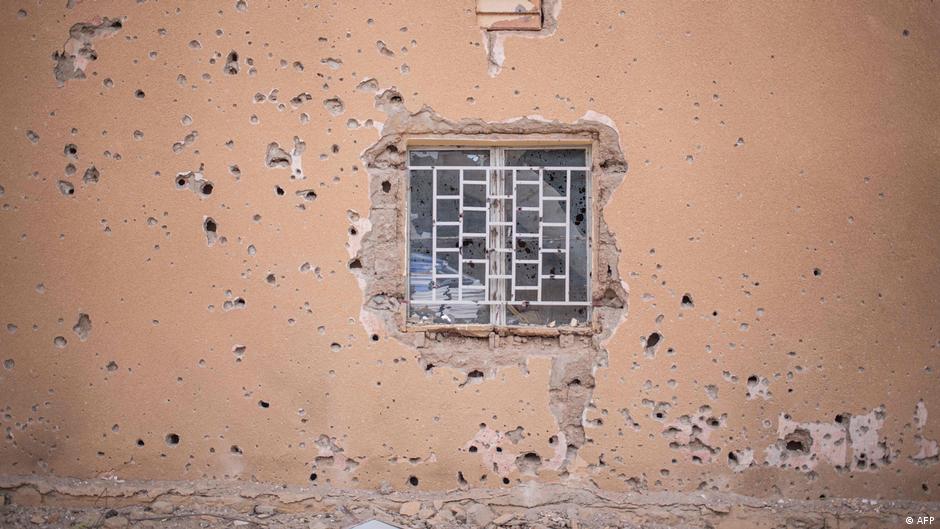
‘No one is spared’: War crimes committed by the Malian army and foreign allied forces along the Mauritanian border

‘No one is spared’: War crimes committed by the Malian army and foreign allied forces along the Mauritanian border

Country: Mali Source: Human Rights Watch Please refer to the attached file. Mali: Damning evidence of war crimes by state armed forces and Wagner Group personnel – new report Killings of civilians during military joint operations Civilians tortured to death in detention, others subjected to simulated drowning, beatings and electric shocks Fulani, Arabs and Tuaregs targeted Members of Mali’s armed forces working together with personnel from the Wagner Group committed war crimes, including the murder and torture of civilians, during joint operations between 2023 and 2025, Amnesty International said in a new report. ‘No one is spared’: War crimes committed by the Malian army and foreign allied forces along the Mauritanian border documents the killings of at least 34 civilians in seven localities in Mali between June 2023 and December 2025, committed by the Malian armed forces (Forces armées maliennes – FAMa) and the Wagner Group (a Russian private military company active in Mali between late 2021 and June 2025). The report also documents other serious violations of international humanitarian law and international human rights law, such as torture, enforced disappearance, and the pillaging and destruction of civilian property. “Our conclusions paint a harrowing picture of the lives of civilians trapped in the conflict, paying the ultimate price while impunity remains rampant. The Malian authorities cannot dismiss these serious allegations without opening impartial and effective investigations into the alleged crimes,” said Marceau Sivieude, Amnesty International’s Regional Director for West and Central Africa. “They must protect civilians during military operations, comply with and ensure respect for international humanitarian law, urgently clarify the chain of command under which foreign personnel act in the country, and monitor their conduct through an independent, domestic accountability mechanism.” Unlawful killings of civilians The report provides details of seven incidents during which 34 people were unlawfully killed in the Ségou, Mopti and Timbuktu regions. Based on information gathered by Amnesty International, none of the victims were taking direct part in hostilities at the time of their deaths. They were deliberately shot while trying to flee or after being arrested. Some had their throats slit, others were burnt alive or post-mortem. In Tin Adanda, a small hamlet in the Timbuktu region, four people were killed on 12 February 2025 during a joint patrol by FAMa and Wagner. Hana*, a survivor who has taken refuge in Mberra (Mauritania), lost two sons and a cousin who were arrested and then killed. Describing the members of the military operation, she said: “They were mostly white men, accompanied by FAMa.” Drone strikes on civilians The report details two drone strikes carried out by the FAMa which targeted a market in Ejdeir (16 March 2025) and a family home in Tangata (November 2025) in the Timbuktu region, killing in total at least 23 people, including at least five children. “We found no evidence of the presence of members of armed groups or military objectives at either drone strike site. If confirmed, these strikes would amount to direct attacks on civilians and civilian objects, and should be investigated as possible war crimes,” said Marceau Sivieude. In Ejdeir, the drone strike hit a market without warning, during the day. On 17 March 2025, the Malian military stated that it had targeted “terrorist gatherings” in a transit camp 109km northwest of Léré, killing “11 terrorists”. According to Amnesty’s analysis, the details provided by the FAMa, particularly the location correspond to the Ejdeir drone strike. Even if fighters or military objectives were present, attacking a market at a time when it was full of civilians in a manner that caused civilian casualties would be indiscriminate. Indiscriminate attacks that kill and injure civilians are war crimes if carried out intentionally or recklessly. According to seven people interviewed by Amnesty International, some of whom lost relatives or were themselves injured in the attack on Ejdeir, as well as civil society organizations, there were no fighters at the market; all 16 people killed and seven injured were civilians. “They tied our hands to the posts; our feet didn’t touch the ground” Amnesty International interviewed 15 male survivors of torture and other ill-treatment from the Ségou, Mopti and Timbuktu regions who said they were tortured during joint FAMa – Wagner patrols or during their detention in the military bases of Léré and Nampala. This was notably corroborated by other individuals who witnessed acts of torture committed against 30 individuals during patrols or within the two military bases. Eyewitnesses reported that five people died in the bases as a result of torture and poor detention conditions. According to Amnesty International’s investigation, these crimes were mostly committed by members of Wagner in the presence of FAMa members, who at times served as interpreters, and who stood by and did nothing, or, in some cases even threatened detainees. Victims had their arms suspended from a metal bar, were suffocated by simulations of drowning, beaten with iron bars and sticks, or subjected to electric shocks. Those detained and tortured in the military camps were not brought before a judge. They had no access to a lawyer or their families throughout their detention, which lasted from one day to four months. Fulani, Arabs and Tuaregs targeted A herder from the Ségou region who has taken refuge in Mauritania said: “In their minds [those of the soldiers and Wagner members], all herders are terrorists, and as a result they do not hesitate to burn people and property. Not even a blind person, nor even an elderly person, will be spared.” The vast majority of the victims of these violations were members of pastoralist communities (Fulani, Arabs and Tuaregs) suspected of colluding with non-state armed groups, based solely on their ethnic background and their presence in an area where these armed groups were active. “We urge the Malian authorities to ensure comprehensive accountability for war crimes committed against all communities. They must ensure that the FAMa, foreign military partners and members of armed groups suspected of war crimes are investigated and prosecuted as required in proceedings that comply with the right to a fair trial, without recourse to the death penalty,” said Marceau Sivieude. “Civilians in conflict-affected regions in Mali continue to face grave risks. The authorities must protect them and make publicly available the agreement between the Government of Mali and Africa Corps, which succeeded Wagner in June 2025 and now operates in Mali. The African Union should condemn violations of international humanitarian law in Mali and support the fight against impunity for crimes under international law,” said Marceau Sivieude. Background This report is based on research conducted from 2025 to 2026 in ten localities in the Hodh ech-Chargui region of Mauritania where 290,000 Malian refugees were registered by UNHCR as of 31 July 2026. Amnesty International interviewed 119 refugees from the Ségou, Timbuktu and Mopti regions. The report’s findings were shared with the Malian authorities on 3 August 2026. Amnesty International had not received a response at the time of publication. Over the last decade, serious violations of international humanitarian and international human rights law have been committed by all parties to the non-international armed conflict between the Malian army and various non-state armed groups . Amnesty International recently reported several of these violations allegedly committed by members of the Group for the Support of Islam and Muslims (GSIM) and the Azawad Liberation Front (FLA). Around a thousand members of the Wagner private military security company were deployed to Mali from late 2021 until June 2025. While the Malian government has denied their presence on its territory, the Russian authorities have stated that Mali had sought the support of a private company to combat insurgent fighters. The situation in Mali has been under investigation by the International Criminal Court (ICC) since 2013. In June 2026, Mali notified its withdrawal from the Rome Statute . However, it will not affect ongoing investigations, and the ICC will maintain jurisdiction over crimes under the Rome Statute committed between January 2013 and 23 June 2027, the date the withdrawal will take effect. * Names have been changed to protect identity.

Sep 29, 2026 · byReliefWeb