← News
Topic · Place

Niger

39 articles

See also
📰

Latest Niger articles

World: 2026 - 2027 El Niño: Special Report (October 2, 2026 )

World: 2026 - 2027 El Niño: Special Report (October 2, 2026 )

Countries: World, Angola, Burkina Faso, Chad, Colombia, Ethiopia, Guatemala, Haiti, Honduras, Kenya, Lesotho, Madagascar, Malawi, Mali, Niger, Pakistan, Somalia, South Sudan, Sudan, Uganda, Zambia, Zimbabwe Source: Famine Early Warning System Network Please refer to the attached file. FEWS NET Special Reports provide in-depth analysis of food security issues of particular concern. In 2026–2027, FEWS NET will publish a series of El Niño Special Reports, focusing on countries where FEWS NET has a presence and where El Niño impacts are of concern. The first report, in October 2026, provides an overview of the event, distinguishes the timing of rainfall impacts from peak impacts on acute food security outcomes, and provides region-level summaries. It also examines the global impacts on food availability and prices and the longer-term implications for food security. A second report will be published in late 2026 and a third and final report will follow in early-to-mid 2027, both of which will provide more detailed early warning of likely outcomes in regions where El Niño impacts on food security occur later in 2027. Reports will also update on the potential transition to La Niña. Key Messages The 2026/27 El Niño has rapidly strengthened to very strong levels and is expected to drive significant rainfall anomalies across FEWS NET geographies. Below-average rainfall has already occurred across unimodal areas of East Africa, the Sahel of West Africa, Latin America and the Caribbean, and Pakistan. Southern Africa will face below-average rains during the October 2026 to March 2027 rainy season, while the Horn of Africa will see heavy rains and heightened flood risk during the October to December 2026 rains. The most severe food insecurity outcomes from El Niño-induced rainfall anomalies typically emerge during the following lean season, rather than during the rainy season itself. This makes El Niño an important early warning signal, giving governments and humanitarians time to deliver a humanitarian food assistance response before the most severe acute food insecurity materializes. Unimodal East Africa and Southern Africa are of highest concern. In both regions, El Niño is expected to result in widespread drought and be the primary driver of high food assistance needs in 2027. While El Niño is expected to have its most significant food security impacts in areas directly affected by extreme rainfall anomalies, indirect impacts are likely to emerge through regional and international trade and markets. These indirect import-related risks are particularly elevated in Southern Africa through regional maize trade, and in West Africa and Yemen through international imports. Global output of maize, wheat, and rice has changed little on balance in the strong and very strong El Niño years since 1980. In the crop marketing years of these events, global output fell by at most 3.9 percent from the year before, in 1987/88. The U.S. Department of Agriculture (USDA) projects global 2026/27 production of these crops to be 2.7 percent below last year, but still the second-largest crop on record . Food security outcomes are often driven by multiple coexisting shocks. FEWS NET’s assessed populations in need are available in many of FEWS NET’s global and country-level products , but these estimates represent needs driven by all relevant factors. This report does not seek to – and it is often not feasible to – disentangle the relative contribution of each driver in order to identify needs attributable to one factor, in this case El Niño only. Nonetheless, the regional summaries do identify where El Niño is, or is not, considered a primary driver of acute food insecurity and associated food assistance needs. Beyond its immediate impacts, El Niño can increase vulnerability to future shocks by eroding household coping capacity. Where livelihoods are damaged and recovery is insufficient, households will face greater difficulty managing subsequent shocks. The longer-term food security implications depend not only on current rainfall conditions, but also on efforts to mitigate risks and support recovery. While this report focuses on early warning of both the ongoing and forecast impacts of the 2026/27 El Niño, it is important to signal early warning for the forecast transition to La Niña in mid-to-late 2027. Although confidence in this transition is relatively low given the long lead time, a shift to La Niña should be prepared for, as it will introduce a new set of rainfall impacts and food security risks.

Oct 7, 2026 · byReliefWeb
Algeria: Desert Locust Bulletin 576 (6 October 2026)

Algeria: Desert Locust Bulletin 576 (6 October 2026)

Countries: Algeria, Afghanistan, Benin, Burkina Faso, Cabo Verde, Cameroon, Chad, Côte d'Ivoire, Djibouti, Egypt, Eritrea, Ethiopia, Gambia, Ghana, Guinea, Guinea-Bissau, India, Iran (Islamic Republic of), Liberia, Libya, Mali, Mauritania, Morocco, Niger, Nigeria, Oman, Pakistan, Saudi Arabia, Senegal, Sierra Leone, Somalia, Spain, Sudan, Togo, Tunisia, Yemen Source: Food and Agriculture Organization of the United Nations Please refer to the attached file. ISOLATED ADULTS IN THE WESTERN REGION In September, the general locust situation appeared calm across the three desert locust breeding Regions. In the Western Region, solitarious adult populations continued to be present in Mauritania and Chad, but no locusts were seen in Algeria and Tunisia. No surveys were conducted in Mali and Niger. In the Central Region, isolated adults were seen in Egypt, and no locusts were seen in Sudan, Ethiopia, Saudi Arabia, Yemen and Oman. In the Eastern Region, no locusts were seen in Iran, Pakistan and India. During the forecast period, summer breeding in Mauritania, southern Algeria, northern Mali and Niger, and Chad could result in increasing locust populations in the Western Region, where hopper and adult groups may form by the end of the forecast period. Surveys should continue in the summer breeding areas of these countries as the ecological conditions are favorable for breeding, and preventive control may be required. In the Central Region, small-scale breeding may occur in the summer areas of Sudan, the western lowlands of Eritrea and the interior areas of Yemen. Small-scale winter breeding may begin on the Red Sea and Gulf of Aden coastal plains, but no significant developments are expected. In the Eastern Region, summer breeding may occur along the Indo-Pakistan border; however, no significant developments are expected.

Oct 7, 2026 · byReliefWeb
Benin: West Africa Seasonal Monitor: Localized Rainfall Deficits Persist Across the Sahel as the Rainy Season is Ending (September 29, 2026)

Benin: West Africa Seasonal Monitor: Localized Rainfall Deficits Persist Across the Sahel as the Rainy Season is Ending (September 29, 2026)

Countries: Benin, Burkina Faso, Cameroon, Central African Republic, Chad, Côte d'Ivoire, Guinea, Liberia, Mali, Mauritania, Niger, Nigeria, Senegal, Sierra Leone, Togo Source: Famine Early Warning System Network Please refer to the attached file. Key Messages The Intertropical Front (ITF) reached its northernmost position in the second dekad of August, and due to an uneven southward retreat, it is currently located north of the climatological mean along its entire length. Rainfall deficits across northern part of the Sahel zone have reduced vegetation conditions and crop water availability. Rainfall forecasts for October and November show above-normal rainfall is expected across the Sahel, while below-normal rainfall is likely over the bimodal areas. Based on the extended streamflow forecast, the likelihood of flooding along the major Rivers in West Africa is extremely low through the end of the season.

Oct 6, 2026 · byReliefWeb
📰

World: Middle East escalation threatens food security for an additional 11.7 million women and girls by the end of 2026

Countries: World, Afghanistan, Ethiopia, Haiti, Lebanon, Mali, Nepal, Niger, occupied Palestinian territory, Sudan, Syrian Arab Republic, Yemen Source: UN Women Remarks by UN Women Deputy Executive Director Nyaradzayi Gumbonzvanda, to whom quoted text may be attributed, at the press briefing at the Palais des Nations in Geneva. Geneva – Today I am presenting the findings of a new UN Women analysis on the impact of the escalation in the Middle East on food security among women and girls in 28 countries. Disruptions to shipping through the Strait of Hormuz are raising energy, fertilizer, and transport costs, and they are pushing up food prices and straining humanitarian operations, labour markets and remittances far beyond the region. UN Women estimates that, under a moderate scenario, 11.7 million additional women and girls across 28 countries analyzed could become food insecure by the end of December 2026. This is on top of an estimated 208 million women and girls across the 28 countries who were food insecure or undernourished prior to the escalation. These are scenario-based estimates, not forecasts. Women and girls are estimated to make up 53 per cent of the projected 22 million additional people affected in the countries analyzed. But in some countries, women and girls are estimated to make up an even larger share. In Afghanistan , women and girls make up 60 per cent of people who could face food insecurity; in Yemen, more than 57 per cent; in Sudan , nearly 56 per cent. More populous countries were found to have the largest numbers of women and girls who could face food insecurity. However, countries such as South Sudan, Sudan, Haiti, Yemen, and Palestine face more concentrated risks, as multiple sources of vulnerability facing women and girls overlap. In South Sudan, the additional number of women and girls who could face food insecurity represents around 14 per cent of the South Sudanese female population, or about one in seven women and girls – the highest proportion. In Lebanon, the additional number of women and girls who could face food insecurity represents nearly four per cent of the Lebanese female population, the second-highest proportion. We know from previous crises that when food becomes scarce, women eat less and eat last. They often shift their diet to food that is less nutritious or skip meals altogether to prioritize the needs of others. Gender inequalities dictate who has access to food and who has the resources to obtain it. When women and girls do not have adequate, nutritious food to eat, they are at risk of a multitude of health problems, including malnutrition. Higher food prices are one way the disruption is worsening food insecurity. Pressure on income and livelihoods could make food even harder to afford. For many women, existing inequalities in employment and access to financial services leave them with fewer resources to absorb these shocks. In Egypt, Iraq, Palestine, Sudan and Syria, more than 80 per cent of women are outside the labour force. In Afghanistan and Yemen, this rises to around 95 per cent. Among women who are employed, many are in vulnerable employment. This is the case for more than 80 per cent of women in Afghanistan, Burkina Faso, Ethiopia, Haiti, Mali, and South Sudan. Access to financial services could provide a buffer, but in Iraq, Lebanon, Pakistan and Yemen, fewer than one in five women owns a bank or mobile-money account. Without an account, women may have fewer options to save, receive remittances or cash assistance, or borrow safely when prices rise or income falls. This can increase their reliance on informal lenders, relatives, or other household members, and may put their safety and protection at risk. We are also seeing these links in countries beyond the 28 covered in this analysis. The recent floods in Nepal , for example, damaged crops, livestock and agricultural infrastructure, leaving families without food and livelihoods – and showing us just how fragile food and economic security is during shocks. The available evidence helps us identify where risks may be more concentrated, but it does not consistently tell us within a household who eats less or last, whose diet is becoming less diverse, or who is taking on more unpaid work to secure and prepare food. If we cannot see who is going hungry inside the home, we cannot design a response that reaches them. This brings me to what needs to happen. First, we need to protect women’s access to food and protect the resources they need to withstand and recover from shocks. We can do this by combining food and cash assistance with nutrition, protection, livelihoods and agricultural support, and ensuring women can access land, credit, services, and assets. This is particularly significant this year in 2026, the International Year of the Woman Farmer, which recognizes the essential contributions of women across agrifood systems – far too often overlooked. Women farmers need the resources to continue producing food and sustaining their livelihoods. Second, we need to target resources where women and girls face multiple risks such as conflict , internal displacement, climate vulnerability , humanitarian funding gaps, and structural inequalities. And we need to make sure that support reaches them at the right time, including ahead of agricultural seasons. Third, we need to make women’s and girls’ experiences visible in our food-security data – and understanding where food insecurity is worsening, and who is eating less, losing livelihoods, taking on more unpaid care work, or facing nutrition and protection risks. This is the response, but crucially, to end the suffering of women and girls, we need peace and security. UN Women calls for de-escalation and respect for international law. We echo the call of the Secretary-General to all concerned parties to work towards diplomatic solutions that advance regional and international peace and security.

Oct 2, 2026 · byReliefWeb
Sudan: UN releases $160 million to save lives in 12 underfunded humanitarian crises

Sudan: UN releases $160 million to save lives in 12 underfunded humanitarian crises

Countries: Sudan, Afghanistan, Burkina Faso, Cameroon, Chad, Cuba, Mali, Niger, occupied Palestinian territory, Somalia, South Sudan, Yemen Source: UN Office for the Coordination of Humanitarian Affairs Please refer to the attached file. (New York/Geneva, 2 October 2026) The United Nations today allocated US$160 million from the Central Emergency Response Fund (CERF) to support life-saving assistance in 12 of the world’s most underfunded humanitarian crises across Africa, Asia, Latin America and the Middle East. This allocation is part of a wider push to reach 87 million people facing the most severe humanitarian needs this year. “We have 87 million people to reach, and no time to waste. Today’s new funding will help us get aid to people who might otherwise be left behind,” said Tom Fletcher, Under-Secretary-General for Humanitarian Affairs and Emergency Relief Coordinator. “But money alone won’t get us there: leaders must exercise political will to open access, remove obstacles and help us reach people whose lives are on the line.” Of the new allocation, $150 million will support life-saving responses in Afghanistan ($18 million), Burkina Faso ($10 million), Cameroon ($6 million), Chad ($9 million), Cuba ($4 million), Mali ($10 million), Niger ($10 million), the occupied Palestinian territory ($18 million), Somalia ($16 million), South Sudan ($15 million), Sudan ($16 million) and Yemen ($18 million). Five of the crises – Afghanistan, the occupied Palestinian territory, South Sudan, Sudan and Yemen – are among the 10 contexts where Mr. Fletcher has called for urgent diplomatic action to secure humanitarian access to unlock assistance for 11 million people of the 87 million people prioritized for support this year. The allocation also includes $10 million to address the urgent needs of people with disabilities in the 12 crises and make humanitarian assistance more accessible and inclusive. CERF is partnering with the UN Global Disability Fund , which will provide up to $4 million in complementary funding and technical support through its Inclusion Catalyst Hub, including to strengthen the capacity and participation of local organizations of persons with disabilities in humanitarian response. CERF is the UN’s global emergency fund managed by the UN Office for the Coordination of Humanitarian Affairs (OCHA). Today’s allocation brings total CERF funding allocated so far in 2026 to $483 million. CERF receives broad support from UN Member States, observers, regional authorities, international organizations, the private sector and individuals. CERF is one of the fastest funding instruments available and allocates funding to rapid response and underfunded emergencies. Funding decisions for CERF allocations to underfunded emergencies are based on detailed analysis of more than 100 humanitarian indicators and wide consultation with partners. Note to the Editor Since its creation by the UN General Assembly in 2005, and with generous contributions from 135 Member States and observers, as well as other donors including private individuals, CERF has assisted hundreds of millions of people with some $10.2 billion across more than 117 countries and territories. This includes $3.4 billion to underfunded crises. In 2025, $212 million was disbursed to implement life-saving activities in 18 underfunded emergencies. CERF has an annual funding target of $1 billion. CERF launched its Climate Action Account at COP28, offering a quick, efficient and impactful avenue for climate-related humanitarian finance. It aims to assist the world’s most vulnerable communities facing the consequences of the climate crisis, including through anticipatory action. For further information, please contact: In New York, Eri Kaneko, kaneko@un.org, +1 917 208 8910 In Geneva: Jens Laerke, laerke@un.org, +41 79 472 9750

Oct 2, 2026 · byReliefWeb
DR Congo: Afrique de l’Ouest et centrale : Derniers événements en bref (du 22 au 28 septembre 2026)

DR Congo: Afrique de l’Ouest et centrale : Derniers événements en bref (du 22 au 28 septembre 2026)

Countries: Democratic Republic of the Congo, Benin, Burkina Faso, Cabo Verde, Côte d'Ivoire, Gambia, Ghana, Guinea, Guinea-Bissau, Liberia, Mali, Mauritania, Niger, Nigeria, Senegal, Sierra Leone, Togo Source: UN Office for the Coordination of Humanitarian Affairs Please refer to the attached Infographic. République démocratique du Congo La violence entraîne des déplacements de population et aggrave les difficultés humanitaires et sanitaires Les combats dans le Sud-Kivu et le Nord-Kivu continuent de provoquer des déplacements de civils. Depuis juillet, plus de 40 000 personnes ont été nouvellement déplacées dans le territoire de Fizi, tandis que le Sud-Kivu accueille près de 1,2 million de personnes déplacées à l’intérieur du pays. En Ituri, l’insécurité sur le site de déplacés de Kigonze, à Bunia, qui accueille près de 19 000 personnes, a accru les préoccupations en matière de protection et fortement restreint l’accès humanitaire depuis le 20 septembre. Par ailleurs, la riposte à Ebola se heurte à des difficultés croissantes d’acceptation par les communautés. Au 26 septembre, les autorités faisaient état de 8 116 cas confirmés et de près de 4 000 décès. De récentes attaques liées aux activités de prévention d’Ebola dans le Nord-Kivu ont encore compliqué les efforts de riposte, dans un contexte marqué par l’insécurité, les contraintes d’accès et la poursuite des mouvements de population. Libéria La malnutrition infantile s'aggrave alors que l'aide diminue La malnutrition infantile et l’insécurité alimentaire s’aggravent dans un contexte de réduction de l’accès aux services de nutrition et de santé, à la suite de coupes dans l’aide internationale. Selon les estimations récentes, seuls 2,4 % des enfants âgés de 6 à 23 mois bénéficient d’une alimentation minimale acceptable, tandis que la malnutrition aiguë chez les enfants de moins de cinq ans a atteint 8,5 %. Les organisations humanitaires alertent sur les importantes lacunes dans les services essentiels engendrées par l’arrêt de programmes auparavant financés, qui accroissent les risques pour les enfants et les familles vulnérables. Mauritanie Des inondations mettent en évidence une vulnérabilité croissante face aux chocs climatiques Les fortes pluies tombées depuis le 24 septembre ont provoqué des inondations généralisées à Nouakchott, perturbant les transports et les activités quotidiennes et ravivant les inquiétudes concernant les infrastructures de drainage. Ces inondations surviennent dans un contexte de risques climatiques croissants à travers le pays, en particulier dans les régions du sud et du sud-est exposées aux sécheresses, aux inondations et aux tempêtes de sable. Une récente étude de l’OIM a révélé que 75 % des personnes interrogées se considèrent vulnérables aux chocs climatiques, tandis que beaucoup ne disposent pas des ressources suffisantes pour s’y adapter. L’OIM a appelé à un renforcement des investissements en faveur de la résilience, de la sécurité alimentaire et de l’adaptation au changement climatique. Afrique de l'Ouest Les risques climatiques soulignent les besoins de financement de la région, estimés à 294 milliards de dollars d'ici 2030 Depuis le 24 septembre, de fortes pluies ont provoqué d’importantes inondations à Nouakchott, perturbant les transports et les activités quotidiennes et suscitant de nouvelles préoccupations concernant les infrastructures de drainage. Ces inondations surviennent dans un contexte de risques climatiques croissants à travers le pays, notamment dans les régions du sud et du sud-est, exposées aux sécheresses, aux inondations et aux tempêtes de sable. Selon une récente étude de l’OIM, 75 % des personnes interrogées se considèrent vulnérables aux chocs climatiques, tandis que beaucoup ne disposent pas de ressources suffisantes pour s’y adapter. L’OIM a appelé à davantage d’investissements dans la résilience, la sécurité alimentaire et l’adaptation au changement climatique.

Sep 29, 2026 · byReliefWeb
DR Congo: West and Central Africa: Latest Events at a glance (22–28 September 2026)

DR Congo: West and Central Africa: Latest Events at a glance (22–28 September 2026)

Countries: Democratic Republic of the Congo, Benin, Burkina Faso, Cabo Verde, Côte d'Ivoire, Gambia, Ghana, Guinea, Guinea-Bissau, Liberia, Mali, Niger, Nigeria, Senegal, Sierra Leone, Togo Source: UN Office for the Coordination of Humanitarian Affairs Please refer to the attached Infographic. Democratic Republic of the Congo Violence drives displacement and compounds humanitarian and health challenges Fighting across South Kivu and North Kivu continues to displace civilians, with more than 40,000 people newly displaced in Fizi territory since July and nearly 1.2 million internally displaced people hosted across South Kivu. In Ituri, insecurity at the Kigonze displacement site in Bunia, hosting nearly 19,000 people, has heightened protection concerns and severely restricted humanitarian access since 20 September. Meanwhile, the Ebola response faces growing community acceptance challenges. As of 26 September, authorities reported 8,116 confirmed cases and nearly 4,000 deaths. Recent attacks linked to Ebola prevention activities in North Kivu have further complicated response efforts, alongside insecurity, access constraints and continued population movements. Liberia Child malnutrition worsens amid reduced assistance Child malnutrition and food insecurity are worsening amid reduced access to nutrition and health services following cuts in international assistance. Recent estimates indicate that only 2.4 per cent of children aged 6–23 months receive a minimum acceptable diet, while acute malnutrition among children under five has risen to 8.5 per cent. Humanitarian organizations warn that the closure of previously funded programmes has created significant gaps in essential services, increasing risks for vulnerable children and families. Mauritania Flooding highlights growing vulnerability to climate shocks Heavy rains since 24 September have caused widespread flooding in Nouakchott, disrupting transport and daily activities and renewing concerns over drainage infrastructure. The flooding comes amid growing climate risks across the country, particularly in southern and southeastern regions exposed to droughts, floods and sandstorms. A recent IOM study found that 75 per cent of respondents consider themselves vulnerable to climate shocks, while many lack adequate resources to adapt. IOM called for increased investment in resilience, food security and climate adaptation. West Africa Climate risks underscore region’s $294 billion financing needs by 2030 ECOWAS estimates that approximately $294 billion will be required by 2030 to implement Member States’ climate commitments and strengthen resilience, as climate-related risks intensify across the region. A new study warns that the current El Niño phenomenon could contribute to more than 450,000 additional heat-related deaths globally by early 2027, with the Sahel among the most affected regions. Researchers estimate nearly 67,000 additional deaths in the Sahel, including more than 31,000 in Nigeria, amid extreme heat, food insecurity and limited access to healthcare. At a regional parliamentary seminar in Accra, ECOWAS officials called for stronger climate governance and increased investment in adaptation and resilience, including through innovative financing mechanisms such as carbon markets.

Sep 29, 2026 · byReliefWeb
Niger Rejects Key Rights Recommendations at UN Review

Niger Rejects Key Rights Recommendations at UN Review

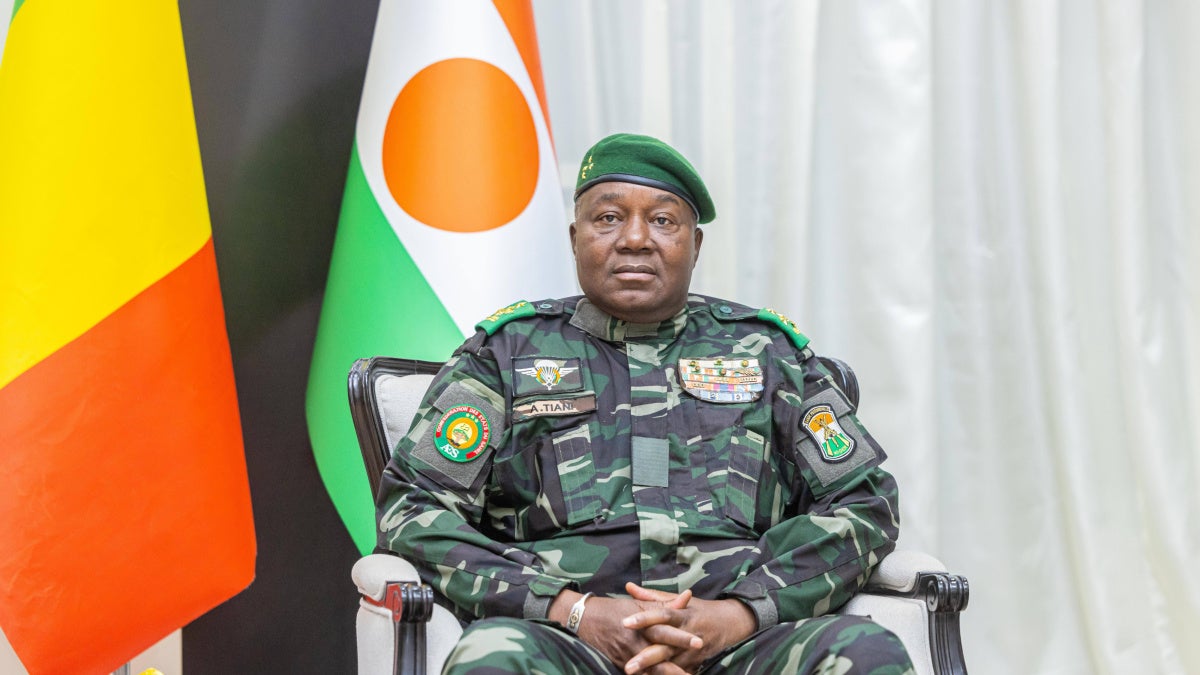
Click to expand Image Gen. Abdourahamane Tiani of Niger attends the Alliance of Sahel States second summit on security and development, in Bamako, Mali, December 23, 2025. © 2025 Mali Government Information Center via AP Niger has rejected key recommendations raised by United Nations member countries during its Universal Periodic Review (UPR) earlier this year, including calls to address arbitrary detention, discrimination against lesbian, gay, bisexual and transgender (LGBT) people, and accountability for serious human rights violations. The UPR is a UN Human Rights Council process in which the human rights records of member states are reviewed by other member countries every five years. On September 1, Niger’s military junta responded to the 265 recommendations made in May by 97 UN member countries and accepted 254 of them, including commitments to strengthen civilian protection and ensure security forces receive training on international human rights and humanitarian law. The junta however rejected 11 recommendations addressing some of the country’s most pressing rights concerns, including to reverse its June decision to start the withdrawal process from the International Criminal Court (ICC). Leaving the ICC risks depriving victims of grave international crimes a last resort to seek justice and remedies. The junta also rejected calls to release people held arbitrarily, including ousted President Mohamed Bazoum and his wife. The government said their cases fall exclusively under national jurisdiction and denied that anyone is arbitrarily detained. In February 2025, the UN Working Group on Arbitrary Detention found Bazoum and his wife’s detention was arbitrary and called for their immediate release. The Economic Community of West African States (ECOWAS) Court of Justice had reached a similar conclusion in December 2023. Niger also rejected recommendations to repeal the law making consensual same-sex relations a criminal offense and to prohibit discrimination based on sexual orientation and gender identity, citing “cultural, social, and religious sensitivities.” The rejection is particularly concerning following the junta’s adoption of a new penal code in March criminalizing consensual same-sex relations with up to 10 years’ imprisonment, contrary to its regional and international human rights obligations. These rejections come amid a broader crackdown since the military seized power in 2023. Authorities have severely restricted political activity, curtailed media freedom, and targeted civil society activists, journalists and political opponents. The prominent rights defender Moussa Tiangari has been arbitrarily detained since December 2024. Niger needs to meaningfully engage with UPR recommendations by fully implementing those it accepted and addressing the serious rights concerns raised in those it rejected.

Sep 26, 2026 · byHuman Rights Watch
Niger Rejects Key Rights Recommendations at UN Review

Niger Rejects Key Rights Recommendations at UN Review

Niger has rejected key recommendations raised by United Nations member countries during its Universal Periodic Review (UPR) earlier this year, including calls to address arbitrary detention, discrimination against lesbian, gay, bisexual and transgender (LGBT) people, and accountability for serious human rights violations. The UPR is a UN Human Rights Council process in which the human rights records of member states are reviewed by other member countries every five years. Click to expand Image Gen. Abdourahamane Tiani of Niger attends the Alliance of Sahel States second summit on security and development, in Bamako, Mali, December 23, 2025. © 2025 Mali Government Information Center via AP On September 1, Niger’s military junta responded to the 265 recommendations made in May by 97 UN member countries and accepted 254 of them, including commitments to strengthen civilian protection and ensure security forces receive training on international human rights and humanitarian law. The junta however rejected 11 recommendations addressing some of the country’s most pressing rights concerns, including to reverse its June decision to start the withdrawal process from the International Criminal Court (ICC). Leaving the ICC risks depriving victims of grave international crimes a last resort to seek justice and remedies. The junta also rejected calls to release people held arbitrarily, including ousted President Mohamed Bazoum and his wife. The government said their cases fall exclusively under national jurisdiction and denied that anyone is arbitrarily detained. In February 2025, the UN Working Group on Arbitrary Detention found Bazoum and his wife’s detention was arbitrary and called for their immediate release. The Economic Community of West African States (ECOWAS) Court of Justice had reached a similar conclusion in December 2023. Niger also rejected recommendations to repeal the law making consensual same-sex relations a criminal offense and to prohibit discrimination based on sexual orientation and gender identity, citing “cultural, social, and religious sensitivities.” The rejection is particularly concerning following the junta’s adoption of a new penal code in March criminalizing consensual same-sex relations with up to 10 years’ imprisonment, contrary to its regional and international human rights obligations. These rejections come amid a broader crackdown since the military seized power in 2023. Authorities have severely restricted political activity, curtailed media freedom, and targeted civil society activists, journalists and political opponents. The prominent rights defender Moussa Tiangari has been arbitrarily detained since December 2024. Niger needs to meaningfully engage with UPR recommendations by fully implementing those it accepted and addressing the serious rights concerns raised in those it rejected.

Sep 25, 2026 · byHuman Rights Watch
📰

Nigeria: KSrelief and WHO Sign US$ 5.3 million agreement to combat cholera in the Lake Chad Basin

Countries: Nigeria, Cameroon, Chad, Mali, Niger Source: World Health Organization **New York—**The King Salman Humanitarian Aid and Relief Centre (KSrelief) and the World Health Organization (WHO) signed a joint implementation agreement to support cholera preparedness and response in the Lake Chad Basin, on the sidelines of the 81st session of the United Nations General Assembly. The agreement, valued at USD 5,327,244.97, was signed by His Excellency Dr. Abdullah bin Abdulaziz Al Rabeeah, Advisor to the Royal Court and Supervisor General of KSrelief, and Dr. Tedros Adhanom Ghebreyesus, Director-General of WHO. Covering Cameroon, Chad, Mali, Niger and Nigeria, the project combines water, sanitation and hygiene activities, including drilling wells and rehabilitating public latrines — with epidemiological surveillance and the provision of medicines and medical consumables. It will also rehabilitate medical facilities and equip radiology, sterilization, operating theatre, emergency and intensive care units for children and adults. More than 61,000 cholera cases were recorded in the African Region in the first five months of 2026. Nigeria accounts for the region’s largest outbreak, with over 50,000 cases and 338 deaths since January, while in Chad nearly two thirds of infections are among children under 15. Across the Lake Chad Basin, 8.2 million people require humanitarian assistance and only 22 per cent of funding requirements had been met as of April 2026. “The signing of this joint implementation agreement with our valued humanitarian partner WHO is an important step towards addressing the increasing threat of cholera to the people of the Lake Chad Basin region. Despite the significant funding gap, KSrelief and WHO can save lives and improve outcomes in the region through our shared efforts to improve WASH services and provide the medical sector support that is so badly needed.” Said His Excellency Dr. Abdullah bin Abdulaziz Al Rabeeah, Advisor at the Royal Court and Supervisor General of KSrelief “Cholera is preventable and treatable, yet it continues to claim lives in communities already facing severe humanitarian pressures. Sustained support, such as this commitment from KS Relief, will enable five countries of the Lake Chad Basin to detect outbreaks sooner, respond more rapidly and deliver life-saving care where it is needed most,” said Dr Tedros Adhanom Ghebreyesus, WHO Director-General As of the end of August 2026, KSrelief had implemented 4,457 humanitarian and relief projects valued at USD 8.57 billion across 113 countries. -ENDS- About KSrelief The King Salman Humanitarian Aid and Relief Centre (KSrelief) was established under the guidance of the Custodian of the Two Holy Mosques, King Salman bin Abdulaziz Al Saud. Inaugurated in May 2015, KSrelief has provided impartial humanitarian aid and relief to over 100 countries in cooperation with local, regional and international organizations. Social Handles: Twitter: @KSRelief_EN | Instagram: @KSRELIEF | LinkedIn: ksrelief | Website: www.ksrelief.org About WHO The World Health Organization contributes to a better future for people everywhere. Good health lays the foundation for vibrant and productive communities, stronger economies, safer nations and a better world. As the lead health authority within the United Nations system, our work touches people’s lives around the world every day. In Africa, WHO serves 47 Member States and works with development partners to improve the health and well-being of all people living here. The WHO Regional Office for Africa is located in Brazzaville, Congo. Learn more at www.afro.who.int and follow us on Twitter , Facebook and YouTube . Media contacts Chinyere Nwonye Emergencies Communications Officer WHO Africa Regional Office nwonyec@who.int +2348034645524 Collins Boakye-Agyemang Communications and marketing officer Tel: + 242 06 520 65 65 (WhatsApp) Email: boakyeagyemangc@who.int

Sep 24, 2026 · byReliefWeb
Niger: Junta Strips 5 More Exiled Critics of Nationality

Niger: Junta Strips 5 More Exiled Critics of Nationality

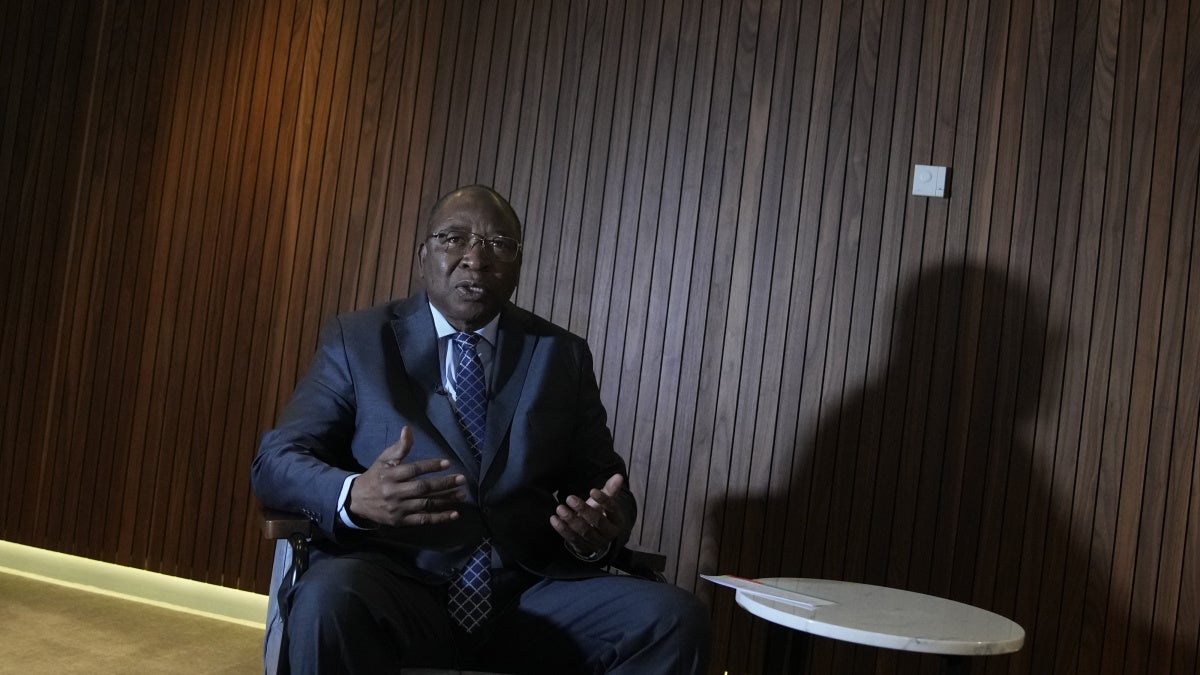
Click to expand Image Former Niger Prime Minister Ouhoumoudou Mahamadou speaks to the media in Paris, August 1, 2023. © 2023 AP Photo/Christophe Ena (Nairobi) – Niger’s junta has provisionally stripped five more exiled opposition figures of their nationality, extending a controversial policy increasingly used against critics of the military authorities, Human Rights Watch said today. On September 17, 2026, Gen. Abdourahamane Tiani, who has led Niger’s junta since the July 2023 coup, signed a decree removing the nationality of five prominent Nigeriens living in exile. The decree derives authority from a 2024 order creating a national terrorism database with overbroad inclusion criteria and inadequate due process requirements and safeguards for redress. The order jeopardizes privacy and data protection rights and increases the risk of statelessness. “The Niger junta’s use of a terrorism database to deprive people of their nationality without any meaningful legal safeguards raises serious human rights concerns,” said Ilaria Allegrozzi, senior Sahel researcher at Human Rights Watch. “Nationality is a fundamental legal status, not a privilege that governments can take from people for political reasons.” The five affected are former Prime Minister Ouhoumoudou Mahamadou; Amadou dit Ange Barou Chekaraou, Oumarou Moussa Ibrahim, and Ousmane Abdoul Moumouni, all former advisers to President Mohamed Bazoum, who was ousted in 2023 and remains arbitrarily detained; and Boubacar Seyni Souley, a social media activist critical of the junta. The September 17 decree accuses the men of various offenses, including disseminating information capable of disturbing public order, providing intelligence to foreign powers, electronic defamation, demoralizing the armed forces, and threatening state security. The decree raises questions about compliance with Niger’s existing legal framework. The 1984 Nationality Code does not provide for “provisional loss” of nationality. Where deprivation of nationality is permitted, the law requires the authorities to notify the person concerned and give them one month to submit a written defense before the measure is published in the official journal. “Nothing of the sort is happening here,” the Alliance of Sahel Democrats, a coalition of Nigerien, Malian, and Burkinabè diaspora political opposition groups advocating a return to constitutional rule, said in a statement on September 18. The alliance also noted that the September 17 decree is depriving individuals of their nationality while they are still being prosecuted, in contravention of the 2024 order, which states that deprivation of nationality can only be imposed after a conviction. According to Niger’s press agency, the junta’s latest action brings the number of people provisionally deprived of Nigerien nationality under the 2024 order to 25. In October 2024, the junta provisionally stripped nine people linked to former President Bazoum of their nationality. In June, authorities revoked the citizenship of Mariama Djibrine, an opposition figure living in exile. In a September 19 statement, the G25-Niger, an opposition coalition of civil society groups and media organizations formed in 2025, said the 2024 order “is being used as a tool of political repression … to crack down on opponents and other dissenting voices.” Since taking power in 2023, Niger’s military junta has entrenched authoritarian rule and  consolidated sweeping and unchecked powers, systematically weakening institutions capable of holding the military authorities to account. In the past year alone, the military authorities have dissolved all political parties and several independent unions, suspended dozens of civil society groups, detained journalists under a broad cybercrime law, criminalized consensual same-sex relations, announced Niger’s withdrawal from the International Criminal Court, and prolonged the country’s political transition without any roadmap toward democratic elections. In addition to Bazoum, the junta continues to arbitrarily detain Moussa Tchangari, a prominent human rights defender. The authorities have also taken steps to curb criticism from abroad. In June, Niger’s foreign affairs minister instructed diplomatic missions to monitor online criticism of the military authorities, signaling growing scrutiny of the diaspora’s discussions of the country’s political and human rights situation. The political climate in Niger has become increasingly tense in recent weeks, Human Rights Watch said. On August 28, mutinous soldiers attacked a military base at the international airport in Niamey, Niger’s capital, and the presidential palace, with hours of gunfire. The mutineers also briefly seized the headquarters of the state-run national television, disrupting broadcasts. General Tiani called in Russia’s government-controlled Africa Corps, whose intervention, including the use of armed drones, helped loyalist forces suppress the mutiny. Niger is a party to the United Nations Convention on the Reduction of Statelessness, which restricts states from depriving people of their nationality when doing so would leave them stateless. Colleagues of the five affected by the September 17 decree said that at least four of them only possess a Nigerien passport. Those who are without a nationality as well as their families risk being deprived of legal and social protection abroad. It could prevent them from returning to Niger, which is their right under international human rights law. “The Niger junta has been depriving perceived political opponents of their nationality without meaningful due process, and contrary to Niger’s obligations to prevent statelessness and protect fundamental rights,” Allegrozzi said. “The junta should immediately revoke the decree and suspend the use of the easily abused terrorism database.”

Sep 22, 2026 · byHuman Rights Watch
📰

Mali: UNHCR’s Salih calls for greater investment in protection and solutions in the Central Sahel

Countries: Mali, Burkina Faso, Mauritania Source: UN High Commissioner for Refugees BAMAKO/OUAGADOUGOU – Concluding a visit to Mali and Burkina Faso, UN High Commissioner for Refugees Barham Salih urged greater investment in life-saving protection and lasting solutions for forcibly displaced people and the communities hosting them across the Central Sahel. Insecurity remains the primary driver of forced displacement across Burkina Faso, Mali and Niger. The total number of forcibly displaced people across the three countries has nearly doubled since 2020, reaching 3.8 million people by 31 July 2026. Of these, more than 818,000 are refugees and asylum-seekers. Forced displacement is also extending beyond the Central Sahel. By July 2026, over 460,000 refugees and asylum-seekers fleeing violence in Burkina Faso had sought safety in neighbouring countries. Mauritania is also hosting some 169,000 Malian refugees, underscoring the wider regional impact of the crisis. Across the Sahel, refugees are also undertaking dangerous journeys, often in tandem with migrants, towards North Africa and Europe. “The Central Sahel is a region of consequence. We cannot be indifferent. The challenges here – including insecurity, climate pressures and forced displacement – have implications well beyond the region,” Salih said. “Failing to remain engaged today risks creating far greater challenges tomorrow. But what is often missing from the headlines is the opportunity I saw. Many of the people I met were focused on rebuilding their lives. With access to education and economic opportunities, that becomes possible. These are solutions taking shape, but they need investment well beyond the humanitarian response to reach scale.” The stakes are particularly high for young people. More than half of registered refugees and asylum-seekers in the Central Sahel are under 18, yet only one-third of refugee children have access to primary and secondary school. Without greater access to education and opportunities, forced displacement risks shaping a generation. In Koro, Mali, Salih saw the emergency response from UNHCR, the UN Refugee Agency, in an area that had received around 86,000 refugees from Burkina Faso as of July 2026. In Timbuktu, where more than 40,000 Malians have returned after years of displacement, he met families slowly rebuilding with support from authorities, UNHCR and partners. In Kaya, Burkina Faso, he visited agricultural and connectivity initiatives where UNHCR is supporting national efforts to strengthen livelihoods, resilience and self-reliance for forcibly displaced people and host communities. He also met Malian, Chadian and Mauritanian refugees living and working in Ouagadougou. Across Mali and Burkina Faso, governments and host communities have demonstrated remarkable solidarity, continuing to welcome people forced to flee despite significant pressure on local services, infrastructure and resources. Mali has maintained its longstanding commitment to asylum and international protection, including through the prima facie recognition of refugees arriving from Burkina Faso and Niger. Burkina Faso continues to provide refugees with access to essential rights, including education and livelihood opportunities, while advancing their inclusion in national social protection systems. Salih discussed how to build on these efforts with government representatives, humanitarian and development partners and donors, including the need for greater engagement from international financial institutions and the private sector to scale solutions. “What impressed me was the commitment of governments and communities to protecting and including people forced to flee, ensuring they can access services and opportunities alongside the communities hosting them, even in very difficult circumstances,” Salih said. “The vast majority of refugees from Mali and Burkina Faso are hosted by neighbouring countries across the region. The people I met want the same things people everywhere want: for their children to go to school, to work and to build a better future.” With UNHCR’s response in the Central Sahel only 25 per cent funded, critical programmes and services such as documentation, shelter, livelihoods and economic inclusion are being affected as needs mount. Yet UNHCR remains present across the region, including in border and hard-to-reach areas, working alongside governments and communities to protect and assist people forced to flee and advance solutions. Media contacts: In Bamako, Mahamadou Diallo, [email protected] , +223 79 34 00 41 In Ouagadougou, Laurence Bron, [email protected] , +226 54 00 67 00 In Dakar (regional), Fidelia Bohissou, [email protected] , +221 77 569 91 60 In Geneva, Eujin Byun, [email protected] , +41 79 747 8719

UNHCRneutral
Sep 21, 2026 · byReliefWeb
World: Locust Watch: Seasonal precipitation predictions in the Desert Locust summer and winter breeding areas (October 2026–March 2027) (20 September 2026)

World: Locust Watch: Seasonal precipitation predictions in the Desert Locust summer and winter breeding areas (October 2026–March 2027) (20 September 2026)

Countries: World, Algeria, Chad, Djibouti, Egypt, Eritrea, Ethiopia, India, Iran (Islamic Republic of), Libya, Mali, Mauritania, Morocco, Niger, Oman, Pakistan, Saudi Arabia, Somalia, Sudan, Tunisia, Yemen Source: Food and Agriculture Organization of the United Nations Please refer to the attached file. The dynamical models indicate above-normal rainfall across most of northern and eastern Africa and the Middle East from October through December, consistent with previous strong El Niño episodes. Within this region, drier-than-normal conditions are expected to emerge across North Africa by December, but elsewhere the wet pattern is likely to persist through winter. The only notable change in the forecasts this month is that the predicted wet anomaly is somewhat less pronounced in East Africa, and the forecast has also turned drier for Yemen and Oman, because the positive phase of the Indian Ocean Dipole is struggling to become established, and a less positive IOD favors relatively drier conditions around the northwestern Indian Ocean during El Niño. Nevertheless, the pronounced El Niño forcing will remain the dominant (wet) influence. These rainfall patterns can support breeding in the northern Sahel through late summer breeding season. Small-scale breeding may begin in October along the Red Sea and Gulf of Aden coasts. Precipitation

Sep 21, 2026 · byReliefWeb
Uproar in Niger state, 37 die in custody

Uproar in Niger state, 37 die in custody

In tonights programme, investigation is ongoing into the death in custody of thirty-seven people, accused of illegal mining in Nigeria. Also,Tunisia is emerging as a major boat-building hub, serving both local buyers and international markets. And finally, we speak to the author of “The Moon Will Not Burn Us”, Ricci Shryock.

Sep 18, 2026 · byFrance 24
Congo: UNICEF West and Central Africa Region Humanitarian Situation Report No. 1, 30 June 2026

Congo: UNICEF West and Central Africa Region Humanitarian Situation Report No. 1, 30 June 2026

Countries: Congo, Benin, Burkina Faso, Cameroon, Central African Republic, Chad, Côte d'Ivoire, Democratic Republic of the Congo, Equatorial Guinea, Gabon, Gambia, Ghana, Guinea, Guinea-Bissau, Liberia, Mali, Mauritania, Niger, Sao Tome and Principe, Senegal, Sierra Leone, Togo Source: UN Children's Fund Please refer to the attached file. Highlights The first half of 2026 was marked by multiple public health emergencies across West and Central Africa (WCA), including mpox, cholera, measles, polio, yellow fever and Lassa fever. Cholera resurged in the Republic of Congo, mpox spread across several countries, and the Ebola outbreak in the Democratic Republic of the Congo triggered heightened preparedness, surveillance and cross-border coordination. Persistent insecurity in Burkina Faso, Mali and Niger continued to drive large-scale displacement, with nearly 575,000 refugees, asylum seekers and internally displaced persons hosted in neighboring and coastal countries by mid-2026. UNICEF humanitarian interventions admitted 15,000 children aged 6–59 months with severe wasting, provided supplemental measles vaccination to 187,192 children, safe water to 115,800 people, and enabled 131,100 children to access education. UNICEF's 2026 Humanitarian Action for Children (HAC) appeal for WCA remains only 31 per cent funded, with US$28.2 million available against requirements of US$92.6 million, limiting life-saving assistance across the region.

Sep 17, 2026 · byReliefWeb