← News
Topic · Place

North Africa

33 articles

See also
📰

Latest North Africa articles

📰

Lebanon: FAO calls for urgent investment to protect food production as crises deepen across the Near East and North Africa

Countries: Lebanon, occupied Palestinian territory, Sudan, Syrian Arab Republic, Yemen Source: Food and Agriculture Organization of the United Nations More than 45 million people face severe hunger across Gaza, Lebanon, Sudan, Syria and Yemen Amman/Beirut/Riyadh/Rome – As conflict, displacement, and climate pressures continue to drive high levels of acute food insecurity across the Near East and North Africa, the Food and Agriculture Organization of the United Nations (FAO) is calling for urgent funding for emergency agricultural assistance to help families continue producing food and earning an income. Conflict and economic shocks are undermining the region’s food productive capacity, while funding shortfalls are limiting assistance to protect food production and livelihoods. FAO Deputy Director-General Beth Bechdol, Assistant Director-General and Regional Representative for the Near East and North Africa AbdulHakim Elwaer, and Director of the FAO Office of Emergencies and Resilience Rein Paulsen met governments, donors and partners to highlight agriculture's critical role in preventing food insecurity from worsening, protecting livelihoods and supporting recovery. Across these countries, more than 45 million people face crisis-level hunger or worse, as conflict and economic shocks are derailing food production destroying agricultural infrastructure and disrupting markets. “Repeated shocks are stripping families of their ability to produce food and earn an income—just as humanitarian resources are becoming increasingly constrained,” said Bechdol. “We must act before those losses become irreversible. Investing early in seeds, livestock, water and other agricultural support can protect livelihoods, prevent hunger from deepening and reduce humanitarian needs over time.” Funding gaps deepen hunger In Gaza and the West Bank , more than 1.2 million people faced Crisis or worse levels of acute food insecurity between April and June 2026, and conditions are projected to worsen during the second half of the year. FAO is seeking $140.9 million in 2027 for time-critical agricultural assistance and recovery. In Lebanon , 1.24 million people are projected to face Crisis or worse levels of acute food insecurity between April and August 2026. FAO requires $38 million to reach 35 000 conflict-affected farmers and rural households. In Sudan , 19.5 million people are facing high levels of acute food insecurity. Yet only 23 percent of the $193 million required under the 2026–2028 Emergency Response Plan has been funded. In Syria , around 7.2 million people were facing acute food insecurity in late 2025. FAO requires $171.5 million in 2027 to assist 5.2 million people, combining immediate livelihood protection with recovery and resilience measures. In Yemen , 18.3 million people faced Crisis or worse levels of acute food insecurity in the latest analysis. FAO has secured less than 1 percent of the $87.9 million required under its 2027 Emergency and Resilience Plan. Agriculture protects food and livelihoods in emergencies Protecting productive capacity can provide food and income and help households withstand future shocks, reducing dependence on humanitarian assistance. Emergency agricultural assistance – including seeds, livestock feed, veterinary services, cash and vouchers, irrigation support and other inputs – can help families continue producing food during crises. For example, in Gaza, FAO assistance has enabled farmers to resume production and helped livestock-keeping households preserve sources of food and income. In Sudan, FAO has reached almost five million people in 2026 with seeds, livestock vaccination, animal feed, agricultural input vouchers and other support. “Agriculture must be at the heart of emergency response. The earlier we act, the more lives and livelihoods we can protect,” said Elwaer. “When a farmer receives seed before the planting season, or a livestock keeper receives feed and veterinary support before animals are lost, we are protecting food today and the means to produce it tomorrow. But this only works if resources arrive in time.” Lebanon: conflict takes a toll on agriculture The delegation’s visit to Lebanon highlighted how conflict and displacement affect agriculture and rural communities, including the experiences of farmers directly affected by hostilities. More than one million people were displaced following the March 2026 escalation, mainly from rural areas. In southern Lebanon, between 55 and 65 percent of the population in Bent Jbeil, Marjaayoun, El Nabatieh and Sour districts, is projected to face Crisis or worse levels of acute food insecurity. More than 22 percent of the country’s agricultural land has reportedly been damaged, while approximately 50 percent of agricultural land in South and Nabatieh is inaccessible. In Nabatieh, the FAO team assessed conflict-related damage to farmland, agricultural infrastructure and services, and discussed recovery priorities with farmers, cooperatives and Ministry of Agriculture staff. “In southern Lebanon, we saw what conflict means for agriculture – damaged farmland, irrigation systems and productive infrastructure, and farmers who have lost the means to produce and earn an income,” said Bechdol. “Restoring agriculture cannot wait until after the emergency. Protecting production and livelihoods is part of the response now, and it will also be essential to Lebanon’s recovery.” Beyond the immediate response, FAO is also supporting Lebanon to translate its new 10-year National Agriculture Strategy and Investment Plan into investment and action, with a focus on restoring production, improving efficiency of water use and strengthening the overall competitiveness of the agricultural sector. Funding agriculture before losses deepen The delegation engaged with governments, donors and partners to mobilise resources that can address immediate humanitarian needs while protecting the productive systems needed for recovery. FAO is calling on donors and partners to maintain and increase support for emergency agricultural assistance across the region, ensuring that vulnerable farming, herding and fishing communities receive timely support before losses become irreversible.

Oct 7, 2026 · byReliefWeb
Islamic Republic of Iran: Humanitarian Update No. 08 | As of 31 August 2026

Islamic Republic of Iran: Humanitarian Update No. 08 | As of 31 August 2026

Country: Iran (Islamic Republic of) Source: UN Office for the Coordination of Humanitarian Affairs Please refer to the attached file. This Humanitarian Update is produced by OCHA Regional Office for the Middle East and North Africa (ROMENA) on behalf of and in collaboration with UN agencies and humanitarian organisations. It covers the period from 1 to 31 August 2026. HIGHLIGHTS In southern and south-eastern areas, an estimated 200,000 people require humanitarian assistance following the re-escalation of hostilities in July. Up to 60 per cent of the fishing fleet reportedly remains inactive, disrupting the livelihoods of approximately 37,000 fishers. Damage to infrastructure and the presence of debris, coupled with forecast of above-average rainfall and potential flooding, continue to pose significant public health risks. UN agencies are providing test kits for water-borne diseases and water, sanitation and hygiene (WASH) emergency supplies to support the restoration of safe drinking water. They are also assessing livelihood support needs in the fisheries sector. An oil spill in August reportedly affected approximately 32,000 m² of Qeshm’s coastline and 90,000 m² of surrounding waters, raising concerns about its impact on marine and coastal ecosystems. KEY FIGURES 3.4K+ Civilians killed (figure is for the period 28 February-14 September, as reported by WHO Middle East Conflict Situation Report #11, 14 September 2026) 33K+ Civilians injured (figure is for the period 28 February-14 September, as reported by WHO Middle East Conflict Situation Report #11, 14 September 2026) 149K+ Civilian units damaged (figure is for the period since 28 February as reported by the Iranian Red Crescent Society on 7 June 2026) SITUATION OVERVIEW The humanitarian situation in Iran continues to be shaped by recurring escalations and their economic and operational consequences. Disruptions to basic services and infrastructure persist, while inflation and market uncertainty continue to erode household purchasing power. Restrictions on maritime and air transport routes, along with trade disruptions, have also affected the import and distribution of pharmaceutical supplies. The July escalation increased humanitarian needs, particularly in the south. According to a local partner reporting to IOM, around 300,000 people were affected across Hormozgan, Bushehr, Khuzestan and Sistan and Baluchestan provinces, including an estimated 200,000 people in need of humanitarian assistance. Damage to water and electricity infrastructure has disrupted access to safe drinking water, while forecasts of above-average rainfall and potential flooding could further worsen humanitarian and public health risks. An oil spill reported between 10 and 13 August from vessels damaged in the Strait of Hormuz affected an estimated 32,000 m² of coastline and 90,000 m² of surrounding waters off Qeshm Island, raising concerns over impacts on marine and coastal ecosystems. Cleanup operations were reported to be largely completed by 24 August. HUMANITARIAN IMPACT AND NEEDS Health In southern and south-eastern areas, infrastructure damage and debris from the July escalation, combined with forecast of above-average rainfall and potential flooding linked to El Niño conditions, may increase the risk of dengue, malaria and other vector-borne diseases. Nationwide, out-of-pocket payments account for an estimated 43 per cent of total health expenditure, placing additional strain on households amid declining purchasing power. Continued support is needed to sustain essential health services, including cold chains, lifesaving medicines, diagnostic capacity, primary healthcare, and maternal and reproductive health services. Water, Sanitation and Hygiene (WASH) In August, the National Water and Wastewater Engineering Company reported that 410 water and wastewater networks and 2,000 electricity network assets had been damaged since March 2026, affecting power generation and water services. In Hormozgan, Isfahan and Sistan and Baluchestan provinces, damage caused by the July escalation has disrupted access to safe drinking water. Priority needs include repairing damaged infrastructure and restoring reliable water services for vulnerable populations in affected areas. Food Security Despite well-functioning markets, purchasing power continues to decline. Food inflation reached 128.1 per cent in July 2026, compared with headline year-on-year inflation of 87.9 per cent. Although the minimum wage increased by 60 per cent in March-April 2026, real food purchasing power remained around 30 per cent lower than a year earlier, while the gap between income and minimum expenditure widened by 137 per cent. Food assistance needs remain significant among conflict-affected households, particularly those reliant on fisheries and coastal livelihoods in Hormozgan, Sistan and Baluchestan, and Bushehr provinces. Protection The reported disruptions to health services, water and sanitation systems, and livelihoods disproportionately affect children under five, pregnant and lactating women, women-headed households, persons with disabilities, Afghan refugees, and other vulnerable groups. Access to mental health and psychosocial support (MHPSS), protection services, and essential dignity and menstrual hygiene supplies remains a priority, particularly for vulnerable women and girls. Education Education needs remain significant. Humanitarian partners have identified 28 schools in Hormozgan, Alborz and Tehran provinces that still require rehabilitation, with funding shortfalls risking further disruptions to learning for vulnerable children. While Afghan refugee children with valid documentation continue to access national education services, conflict-related population movements and documentation barriers may increase the risk of exclusion and interrupted schooling. Shelter and Non-Food Items Approximately 200 households displaced from the southern islands were temporarily accommodated in schools in Bandar Abbas and require support to meet their basic needs. In Sistan and Baluchestan Province, an estimated 20 per cent of the population in the southern district of Chabahar, or around 50,000 people, has been temporarily relocated to rural areas elsewhere in the province. Reduced household incomes and declining purchasing power are limiting access to shelter repairs and essential household items. Early Recovery Approximately US$105.9 million in direct and indirect losses to the fisheries sector have reportedly been recorded in Hormozgan and Bushehr provinces. Up to 60 per cent of the fishing fleet in affected areas remains inactive, disrupting the incomes of 37,000 fishers and threatening the livelihoods of an estimated 300,000 people. Damage to a major shrimp hatchery in Bushehr has further disrupted production and affected local workers and their families. Debris clearance operations have been carried out nationwide, particularly in southern provinces and Tehran. Cultural Heritage Since 28 February 2026, a total of 1,341 cultural heritage sites and museum objects have reportedly been damaged, including seven UNESCO World Heritage sites and 57 museums. In addition, 16 protected areas, including four national parks, two wildlife refuges and two UNESCO biosphere reserves, were reportedly affected. UNESCO has so far confirmed damage to two World Heritage sites and impacts on 628 museums, cultural institutions and heritage assets. RESPONSE Health The World Health Organization (WHO) delivered 10,000 cholera rapid diagnostic tests (RDTs) and is procuring an additional 150,000 malaria and dengue RDTs for Hormozgan, Kerman, Khuzestan and Sistan and Baluchestan provinces. To help maintain essential health services, WHO supplied five backup power units, including three uninterruptible power supplies and two generators, to hospitals in Lorestan, Hormozgan and Khuzestan provinces, benefiting more than 84,000 patients annually. The United Nations Development Programme (UNDP) delivered 41 generators to the Ministry of Health and Medical Education across 18 provinces to support backup power for health facilities and vaccine storage, against an identified need for 101 generators. The United Nations Population Fund (UNFPA) is providing cash assistance to 1,600 women and girls in Tehran, Khuzestan and West Azerbaijan provinces, as well as around 5,000 women with disabilities across 11 provinces, while strengthening social work capacity, reproductive health services and support for Afghan refugees. The United Nations Agency for Children (UNICEF) integrated risk communication and community engagement (RCCE) into its emergency health response through 293 frontline health backpacks targeting 5,300 vulnerable people. The United Nations Refugee Agency (UNHCR) supported primary healthcare in 15 provinces by financing 208 health personnel and supplying essential medicines and medical equipment through two consignments to health facilities. Water, Sanitation and Hygiene (WASH) UNICEF provided pre-positioned WASH emergency supplies to Hormozgan, Khuzestan and Bushehr provinces, strengthening water safety and sanitation services for more than one million people in affected areas. UNDP is supporting the restoration of safe drinking water in conflict-affected communities in Hormozgan, Isfahan and Sistan and Baluchestan provinces, with a focus on water-stressed areas in Chabahar, Sirik and Jask to reduce reliance on unsafe water sources and mitigate the risk of waterborne diseases. Food Security WFP is supporting 195,000 people with food and cash assistance across Tehran, Alborz, Bushehr, Hormozgan and Sistan and Baluchestan provinces. It also provided bread and wheat flour assistance to 35,611 refugees through supported bakeries and flour distributions. The Norwegian Refugee Council (NRC) delivered multipurpose cash assistance to an additional 524 affected families in Hormozgan, complementing support already provided to 8,922 households. Protection UNFPA is supporting 4,800 women and girls in Tehran, Khuzestan and Hormozgan provinces through cash assistance for dignity items, mental health and psychosocial support (MHPSS), and protection awareness activities. UNICEF provided a second round of financial support to 58 residential care centres, benefiting 661 children without parental care across East Azerbaijan, Khuzestan, Qazvin, Kurdistan and Lorestan provinces. In Hormozgan Province, NRC is preparing to launch protection services for 72 temporarily relocated households, including psychosocial support, referrals and cash assistance. IOM has provided one month of multipurpose cash assistance to 6,281 people (1,525 households) in Tehran, Yazd, Isfahan, Fars, Alborz and Khorasan Razavi provinces to help meet urgent needs. Education UNHCR is constructing four schools in Yazd, Qom, Isfahan and Tehran provinces, which are expected to benefit around 3,000 refugee and host-community students, with three additional schools planned in Fars, Tehran and Hormozgan. NRC is rehabilitating 16 conflict-damaged schools for approximately 4,000 refugee and Iranian students, while also providing education support to 200 displaced children in Hormozgan and catch-up classes for 2,000 conflict-affected children in Tehran and Hormozgan. Shelter and Non-Food Items IOM provided cash-for-shelter assistance to 627 people (173 households) for essential repairs in Tehran, Fars, Isfahan and Alborz provinces. It also donated 200 shelter kits and 200 kitchen sets to the Iranian Red Crescent Society for distribution to affected households nationwide, with each batch expected to benefit around 1,000 people. Early Recovery FAO is assessing the needs of conflict-affected fisheries in southern Iran to inform potential livelihood support. UNDP has provided debris-removal machinery to support clearance operations in Tehran, enabling the removal of up to 1,500 m³ of debris per day. It also supplied 22 generators to the Tehran Mitigation and Management Organization to help maintain emergency operations and essential services during power disruptions. Cultural Heritage UNESCO is mobilizing resources for environmental recovery, ecosystem restoration and monitoring, biodiversity conservation, and damage monitoring and documentation of affected cultural heritage sites. Multi-Purpose Cash Assistance (MPCA) IOM provided one month of multipurpose cash assistance (MPCA) to 6,281 people (1,525 households), including migrants and host communities, across Tehran, Yazd, Isfahan, Fars, Alborz and Khorasan Razavi provinces to help meet urgent needs. UNHCR also provided MPCA to 765 of the most vulnerable refugee households nationwide to support their basic needs amid rapid inflation and rising prices.

Oct 6, 2026 · byReliefWeb
Dubai Culture and World Cities Culture Forum announce Global Fellowship cohort comprising next generation of cultural policymakers

Dubai Culture and World Cities Culture Forum announce Global Fellowship cohort comprising next generation of cultural policymakers

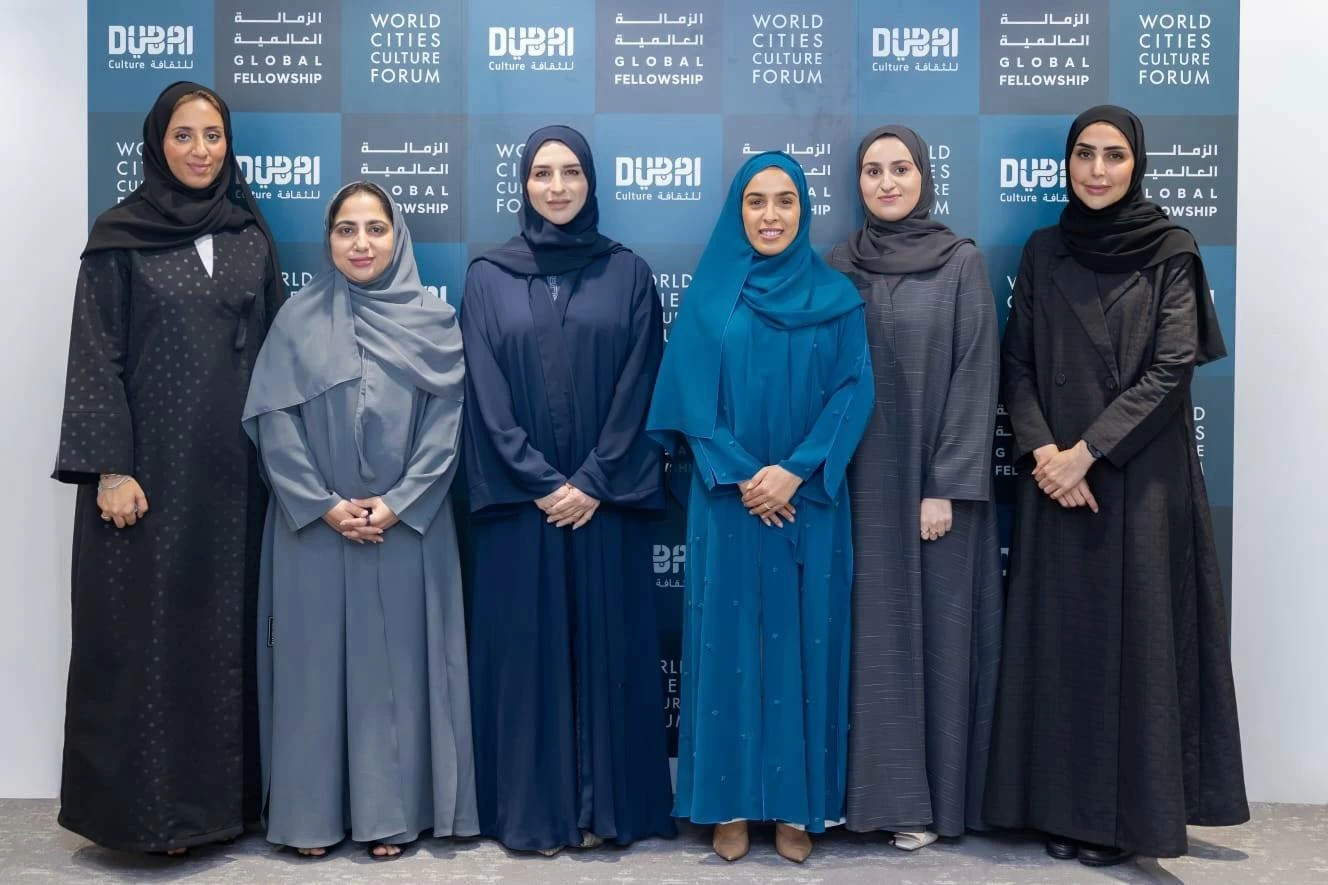
Dubai: Dubai Culture and Arts Authority (Dubai Culture) and the World Cities Culture Forum have announced the cohort of the Global Fellowship, an international leadership programme designed to develop the next generation of cultural policymakers and civic leaders for culture. Bringing together 20 mid-career professionals, the programme will strengthen their ability to shape cultural policy and deliver projects that respond to their cities’ priorities. It supports Dubai’s ambition to serve as a global cultural reference, a leader in innovation and a driver of the creative economy grounded in Emirati heritage. Co-founded by Dubai Culture and the World Cities Culture Forum, the first-of-its-kind programme is a legacy of the 13th World Cities Culture Summit, held in Dubai in 2024 under the theme ‘Tomorrow’s Culture: How Will the Next Generation Shape Our World?’ The summit marked the event’s first edition in the Middle East and North Africa. The Fellowship’s academic programme, in collaboration with the University of Oxford’s Gardens, Libraries and Museums and the Aspen Institute, brings together international expertise in leadership development, cultural policy and city development. The cohort includes five fellows from Dubai Government entities: Hesham Al Olama, CEO of the Media Development Sector at the Dubai Media Council; Afnan Abdulla, Director of the Asset Management and Logistics Department at Dubai Culture; Mozah Lootah, Senior Project Manager in the Visual Arts Department at Dubai Culture; Noora Bin Kalban, Director of Exploration Policies and Programs at Dubai Knowledge and Human Development Authority; and Hessa Aljarwan, Manager of Studies and Policies, Quality of Life, at the Roads and Transport Authority in Dubai. The remaining 15 fellows were selected through a competitive process from the World Cities Culture Forum network, with each representing a different member city. Over six months, fellows will combine international learning, mentorship and peer exchange with the development of a project for their city. Following onboarding, they will participate in dedicated sessions at the 15th World Cities Culture Summit in Tokyo from 28 to 30 October, joining more than 150 cultural leaders from around the world. Immersive residency The fellowship will feature online masterclasses and an immersive residency, drawing on the expertise of leading figures in cultural policy and city leadership. Contributors include Justine Simons OBE, Founder and Chair of the World Cities Culture Forum and London’s Deputy Mayor for Culture and the Creative Industries; Anne Hidalgo, former Mayor of Paris; Yvonne Aki-Sawyerr, Mayor of Freetown; Gail Lord, global cultural consultant and museum planner; and Ricky Burdett, Director of LSE Cities and Professor of Urban Studies. Her Excellency Hala Badri, Director General of Dubai Culture, highlighted the role of international cooperation in strengthening cultural leadership and connecting local priorities with global expertise. She said: “Investing in people is central to Dubai’s cultural ambitions and to our contribution to the future of culture in cities. Through the Global Fellowship, we are giving emerging leaders the opportunity to learn from one another, develop their ideas and translate that knowledge into policies and projects that serve their communities. We want fellows to leave with the confidence, relationships and practical skills to strengthen the role of culture in sustainable urban development and quality of life.” She added: “The fellowship also creates opportunities for talent from Dubai to benefit from international experience and share the emirate’s own approaches to cultural development. Each fellow brings a distinct understanding of their city, and that exchange of perspectives can lead to better-informed decisions and new ways of working. By connecting these professionals with experienced leaders and institutions, we aim to build lasting relationships that support their work and the communities they serve.” Justine Simons OBE, Founder, World Cities Culture Forum, and Deputy Mayor for Culture and the Creative Industries, London, said: “All around the world, city leaders are championing culture and using the power they have, to make real change. Their leadership environment is unique – it’s a place where civic responsibility, policy, politics and cultural transformation come together. We know culture can play an even greater role in the success of cities around the world, growing economies, bringing communities together, improving our health and quality of life – but only if we have great leaders in the right places, able to unlock its full potential. So, I am hugely proud of this new Global Fellowship, the first of its kind, as it responds to the growing need to nurture the next generation of civic leaders for culture.” He added: “Co-founded with Dubai Culture and Arts Authority as a legacy of the 2024 World Cities Culture Summit, this bespoke programme connects emerging leaders with our global network of experts and will build the talent, skills and resilience needed to achieve impact at a city level. Congratulations to our founding cohort of twenty exceptional cultural leaders from across our global network." Key topics From November 2026 to March 2027, fellows will take part in online masterclasses examining the practical demands of cultural leadership. Topics will include the political forces shaping cultural policy and the role of public-private partnerships; integrating culture into urban planning and infrastructure; understanding power, influence and authority across arts and government; strengthening cross-departmental collaboration; and sustaining effective cultural leadership over the long term. Each fellow will develop a strategic cultural project that addresses an opportunity or challenge in their city, supported by peer exchange, expert guidance and one-to-one mentorship from experienced leaders in the World Cities Culture Forum network. Defined at the outset, these projects will develop through the Tokyo summit and online masterclasses, advance during the Dubai residency, and move towards implementation at the programme’s conclusion. This process will help fellows refine their leadership approach and apply their learning within their professional and civic contexts. Three pillars The programme will conclude with a five-day residency in Dubai in spring 2027. Fellows will work on their projects, engage with cultural institutions and explore the emirate’s approaches to cultural development, innovation and collaboration across sectors. The residency supports Dubai Culture’s commitment to talent development, knowledge exchange and intercultural dialogue, in line with its 2026–2033 Strategy and three pillars: Global Cultural Leadership; a Robust Creative Ecosystem; and Cultural Identity, Diversity and Inclusivity. Developed in response to the growing responsibilities of cultural policymakers, the fellowship recognises culture’s contribution to economic development, social cohesion, and quality of life. It will help participants build international professional relationships and draw on practices from different cities to develop solutions for their communities. The inaugural cohort includes representatives of Austin, Boston, Bratislava, Busan, Edinburgh, Guangzhou, Johannesburg, Kyiv, London, Milan, Rio de Janeiro, Seoul, Toronto, Vienna and Warsaw apart from Dubai.

Oct 6, 2026 · byMobile Business
Tunisia: Power, Water Shortages Endanger Rights

Tunisia: Power, Water Shortages Endanger Rights

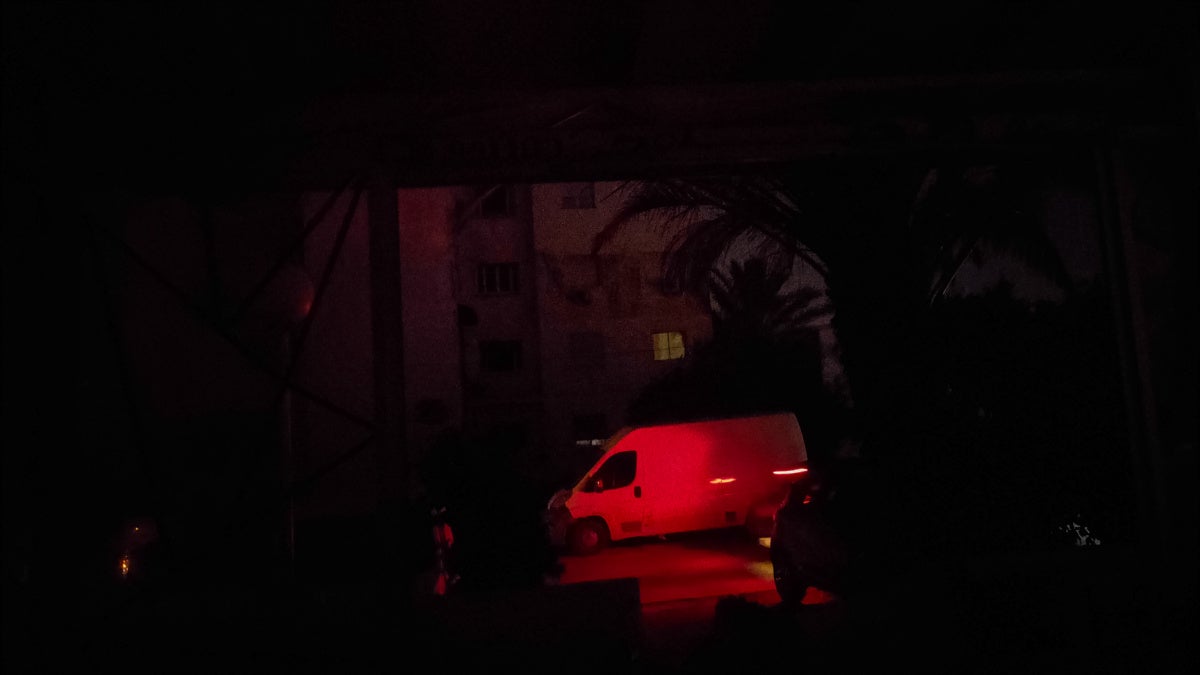
Click to expand Image Cars pass through a darkened street during a nighttime power outage in Ariana, Tunisia, July 14, 2026. © 2026 Chedly Ben Ibrahim/NurPhoto via AP Photo (Beirut) – Tunisian authorities failed to ensure an adequate supply of electricity and water during two months of extreme summer heat, undermining the right to health and endangering lives, Human Rights Watch said today. President Kais Saied blamed the shortages on sabotage, yet authorities failed to provide transparent information and instead cracked down on protesters. Rolling power outages left hospitals and water pumping stations without electricity and households without running water, interrupted critical medical procedures, and contributed to a nationwide shortage of drinking water. Doctors and human rights groups have reported a rise in heat-related hospitalizations and deaths exacerbated by the cuts, including among detainees. “Tunisians have spent one of the hottest summers on record in the dark and facing water shortages because President Saied’s government failed to ensure adequate access to electricity for millions of people, risking lives,” said Bassam Khawaja, deputy Middle East and North Africa director at Human Rights Watch. “Instead of blaming sabotage, the authorities should address the root causes of the failure and ensure that everyone, including detainees, has access to water, electricity, and methods for cooling.” In July 2026, the second-hottest July since 1950, the Tunisian Electricity and Gas Company (STEG) reportedly imposed rotating outages due to inadequate capacity. Power outages were concentrated between 1 and 5 p.m., when air conditioning increased demand. According to crowd-sourced data, outages lasted up to 12 hours in some extreme cases. In late August, a second wave led to cuts of up to two hours at a time in every region. Tunisian authorities have not published transparent information about the impact of the outages. The Tunisian Young Doctors Association estimated on July 22 that between 150 and 200 people had died over the previous days from heatstroke or medical equipment failure in the case of patients who depended on electrically powered medical equipment. It reported on August 28 that emergency departments experienced an “unprecedented” rise in deaths and hospitalizations from heatstroke and high temperatures, including deaths of detainees. Local media reported five deaths after respirators in the victims’ homes stopped working. Four parliament members wrote to the health minister on July 23 about patients on home oxygen therapy. The Health Ministry on August 29 reported 633 medical cases related to the heat wave in public hospitals but made no mention of related deaths. The ministry also denied that health services had been disrupted. A doctor at one of Tunis’s largest hospitals told Human Rights Watch that due to limited generator capacity, the outages meant the hospital went without electricity in most areas. Its backup generator covered only the intensive care units and operating rooms, the doctor said, while the rest of the building, including the emergency department, had no backup power or contingency plan. Because hospital admissions depended on electronic medical records, staff could not register patients arriving during an outage, even those with life-threatening conditions. During one outage, neonatal unit doctors ventilated newborns by hand. Outages also affected recovery for patients in post-operative care left without ventilation or air conditioning, the doctor said. The blackouts also disrupted the water supply. As outages disrupted pumping stations, tap water became intermittent in many parts of Tunisia. The Tunisian Water Observatory recorded 361 cuts to distribution of potable water in August, contributing to a bottled water shortage in a country where much of the population relies on it as their main drinking source. Although the National Authority for Food Safety said tap water is safe, public confidence is low, with reports of cloudy or yellowed water and changes in taste and odor. Water and electricity cuts affected prisons and detention sites. On August 28, five detainees at Mornaguia prison reportedly died in one day. The Tunisian League for Human Rights documented 20 deaths in prisons and detention facilities amid conditions exacerbated by extreme heat and water and power outages. The General Secretary of the General Federation of Electricity and Gas said that STEG had alerted its supervising ministry to the risk of power shortfalls and need for additional capacity as early as 2024. A 2026 report by the Tunisian Economy Observatory found that STEG's investment in generating electricity fell by 87 percent over five years. Tunisian authorities provided no evidence of sabotage. In late July, prosecutors’ offices across the country opened investigations into STEG managers and employees. President Saied said on August 26 that the outages in several regions were not “ordinary outages,” but rather “deliberately planned acts of sabotage” intended to stoke tensions, spread lies and rumors, and deprive citizens of their right to access services, but provided no further information. The electricity crisis was foreseeable, and Tunisian authorities had an obligation to prepare for it, including by ensuring that essential services such as water supply and health care were not affected, Human Rights Watch said. The government’s mismanagement and failure to act preemptively compounded the harm. Protests over water and electricity shortages have spread. The Tunisian Social Observatory of the Tunisian Forum for Economic and Social Rights recorded 1,101 protest actions in July and 1,093 in August in all 24 governorates, the highest July and August figures in years. Following an August 13 protest in Borj Erras over the lack of water, the authorities arrested 12 people, including 9 children, investigating them on suspicion of conspiring against state security, then releasing them the next day. On August 20, the grassroots movement Nafas held a demonstration in Tunis under the slogan “No water, no electricity, no freedom.” The next day, the authorities arrested Seifeddine Arfaoui, a political activist and Nafas member, at his home. On August 31, a Tunis court sentenced him to 18 months in prison under article 86 of the Telecommunications Code, for a Facebook post about slogans chanted at the protest. Human Rights Watch has previously documented a years-long crackdown against all forms of dissent in Tunisia. Access to electricity is critical to ensuring other rights, including but not limited to health, housing, water, and education, and should be recognized as a distinct human right, Human Rights Watch said. Tunisia has an obligation to ensure access to electricity and water, including within prisons and detention facilities. Article 48 of the Tunisian Constitution requires the state to provide drinking water to everyone on an equal basis. The International Covenant on Economic, Social and Cultural Rights guarantees the right to an adequate standard of living and the highest attainable standard of physical and mental health. The African Commission on Human and Peoples' Rights has held that a government's failure to provide basic services including safe drinking water and electricity violates the right to health under the African Charter. As a party to the International Covenant on Civil and Political Rights and the African Charter, Tunisia is also bound to respect the rights to freedom of expression and peaceful assembly. “Tunisian authorities have known for years that the electricity grid was inadequate but failed to plan for rising demand and the risks of a scorching summer,” Khawaja said. “Instead of prosecuting protesters, the government should publicly account for the failures of the electric grid, publicize transparent information including a death toll, and set out a clear plan to restore adequate electricity and water.”

Oct 6, 2026 · byHuman Rights Watch
Egypt: Authorities Arrest Entire Investigative Newsroom

Egypt: Authorities Arrest Entire Investigative Newsroom

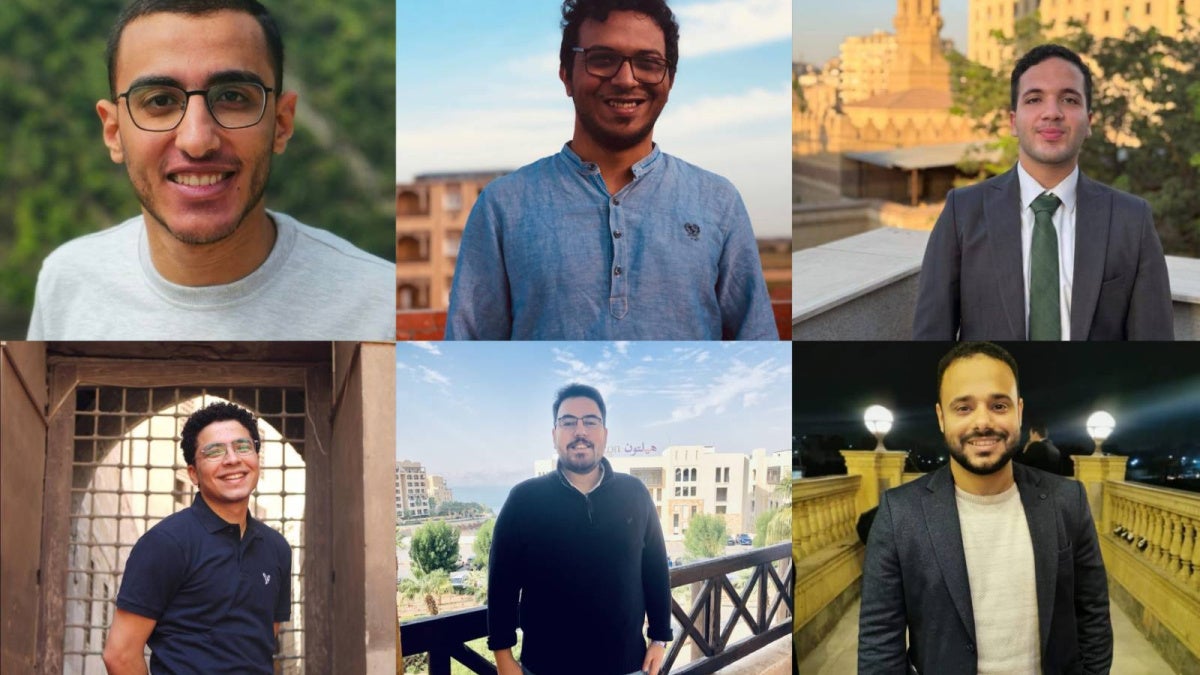
Click to expand Image Six journalists from the independent investigative journalism platform Matsda2sh arrested by Egyptian security forces between September 28 and 29, 2026. © Photo courtesy of The Tahrir Institute for Middle East Policy (TIMEP). (Beirut) – Egyptian security forces arrested six journalists working for the independent investigative journalism platform Matsda2sh on September 28 and 29, 2026, and appear to have forcibly disappeared them, Human Rights Watch said today. The journalists’ whereabouts are unknown and their families and lawyers have not been permitted contact with them. Security forces arrested the journalists in raids across the country. They are: Abdallah Qadry, Mohamed Ashraf Abu Emeira, Islam Barakat, Omar Helal, Mohamed Mahmoud, and Mohamed Adel. The six journalists constitute the investigate platform’s entire editorial newsroom. “Egyptian authorities’ simultaneous arrest of the entire newsroom at a prominent independent news platform is deeply alarming,” said Bassam Khawaja, deputy Middle East and North Africa director at Human Rights Watch. “Dismantling an entire newsroom in a matter of hours without warning or cause sends a chilling message to all journalists working in Egypt and shows just how little space is left there for critical reporting.” Matsda2sh was established in 2018 and publishes investigations and verifies information on issues of public interest in Egypt and the wider region. The Egyptian Initiative for Personal Rights (EIPR), whose lawyers represent all six journalists, said in a statement that security personnel who raided some of the journalists’ homes did not present arrest or search warrants and did not disclose the basis for their arrests or where they would be held. Security personnel also seized electronic devices belonging to the journalists and their family members. On October 1, Egypt’s Interior Ministry acknowledged the arrests and said the six journalists were suspected of preparing what it described as “fabricated news” for Matsda2sh and alleged that the platform is linked to the Muslim Brotherhood, an international Islamic social and political movement. The ministry did not, in its statement, identify the specific criminal charges the journalists face or disclose where they were being held. The platform has denied the allegations. More than 80 organizations including Human Rights Watch condemned the arrests and called for the release of the journalists. The arrests of the Matsda2sh journalists come amid longstanding restrictions on independent journalism and freedom of expression in Egypt. The country remains one of the world’s leading jailers of journalists, with 25 journalists behind bars, according to the Committee to Protect Journalists. In September 2025, authorities detained an independent journalist, Ismail Iskandarani, over Facebook posts and charged him with offenses including “spreading false news” and “belonging to a terrorist organization.” In 2026, the authorities prosecuted and imprisoned a writer and activist, Ahmed Douma, on “false news” charges stemming from an article and a social media post about detention conditions in Egypt. Human Rights Watch has previously documented repeated arrests and prosecutions of peaceful critics, human rights defenders, journalists, and online content creators in Egypt. Egyptian authorities routinely flout due process protections and security forces subject individuals under investigation to forcible disappearance, holding them in various places of detention. The International Covenant on Civil and Political Rights, to which Egypt is a party, protects the right to freedom of expression, including the freedom to seek, receive, and impart information and ideas. Under international law, the detention or abduction of a person by state forces, followed by the authorities’ refusal to acknowledge the deprivation of liberty or reveal the person’s whereabouts or situation, may constitute an enforced disappearance. “The incommunicado detention and potential enforced disappearance of six journalists raises serious concerns for their safety and due process rights,” Khawaja said. “Egyptian authorities should immediately disclose their whereabouts, grant access to their lawyers and families, and ensure that no journalist is detained or prosecuted for exercising their right to freedom of expression or for doing their job.”

Oct 2, 2026 · byHuman Rights Watch
For Every Heartbeat: A SAMS Report on Rebuilding Advanced Cardiac Care in Syria

For Every Heartbeat: A SAMS Report on Rebuilding Advanced Cardiac Care in Syria

Country: Syrian Arab Republic Source: Syrian American Medical Society Foundation Please refer to the attached file. This report presents a program-centered account of advanced cardiac services delivered by the Syrian American Medical Society (SAMS) across its supported facilities in Syria. It examines how a structured model of cardiovascular care has been built around outpatient cardiology, diagnostics, cardiothoracic surgery, catheterization laboratories, cardiac critical care, electrophysiology, and stroke intervention. It draws on program data, operational material, interviews with clinicians and program leadership, and selected academic and policy literature on cardiovascular disease in Syria, the wider Middle East and North Africa, and conflict-affected health systems.

Oct 1, 2026 · byReliefWeb

📰

World: EMPHNET and Partners Launch Regional FETP Mental Health Program to Strengthen Mental Health Epidemiology Capacity

Country: World Source: Eastern Mediterranean Public Health Network Mental health needs increasingly intersect with emergencies, displacement, outbreaks, and other pressures on health systems across the Middle East and North Africa (MENA). Strengthening epidemiological capacity to better understand these needs, improve surveillance, and generate evidence for public health action has therefore become increasingly important. In response, EMPHNET, with support from the Africa Centres for Disease Control and Prevention (Africa CDC) and in collaboration with Egypt’s Ministry of Health and Population, launched the first Regional Intermediate FETP – Mental Health. The 12-month program adapts the Intermediate FETP model to focus on mental health, substance use, and mental health and psychosocial support (MHPSS). The inaugural cohort brings together 24 public health professionals from five countries, supported throughout their learning and fieldwork by 11 in-country mentors. The launch was attended by H.E. Dr. Amr Kandeel , Deputy Minister of Health and Population of Egypt; Dr. Radi Hammad , President of the Preventive Sector; Dr. Adelard Kakunze , Director of NCD Prevention and Control at Africa CDC; and Dr. Nada Ahmad , the Director of the Center of Communication and Health Promotion at EMPHNET. Bringing Mental Health into Field Epidemiology The program responds to a gap in mental health epidemiology capacity across the region. Trained mental health professionals remain scarce relative to population needs, while the evidence needed to guide mental health policies, programs, and responses, particularly during outbreaks and emergencies, remains limited. To help address this gap, the program uses practical, mentored, workplace-based learning to strengthen competencies in mental health surveillance and epidemiology, applied epidemiologic methods, MHPSS, and evidence-informed communication and decision-making. This prepares participants to generate and analyze evidence and translate their findings into public health action. Starting with Mentorship Before residents began their first regional workshop, the program focused on preparing the mentors who will guide their learning and fieldwork throughout the year and serve as regional mentors for future cohorts From July 28–30, 2026, 11 national mentors convened in Cairo for a three-day workshop covering mentorship, communication, teamwork, effective feedback, conflict management, and supportive supervision. Mentors were also oriented to the program’s fieldwork requirements and assessment approaches. Throughout the year, they will provide technical guidance, review residents’ deliverables, and support the quality and ethical implementation of field activities. Turning Mental Health Data into Action Following the mentorship workshop, the 24 residents gathered in Cairo from August 2–6, 2026, for their first five-day regional workshop, marking the start of their technical training. Participants explored core concepts in mental health epidemiology and surveillance, including mental health and substance use disorders, mental health information systems, suicide and self-harm surveillance, surveillance system evaluation, and research and analytical sessions also introduced epidemiological study designs, research protocol development, key epidemiological measures, and surveillance data analysis. Throughout the workshop, participants applied these concepts to their national contexts. Working in country groups, residents mapped sources of mental health surveillance data, examined how surveillance operates in their countries, and identified limitations and opportunities within existing systems. Learning in the Field The first regional workshop marks the beginning of a learning process in which field application plays a central role. Approximately 75% of the program is dedicated to improving mental health, through solutions developed in the field, by those working in the field. The blended program includes self-paced online modules, live online workshops, in-person regional workshops, and mentored fieldwork phases conducted in participants’ home countries. During their national field assignments, residents will address real-world challenges by evaluating mental health surveillance systems, analyzing mental health data, communicating mental health information, identifying gaps in mental health and psychosocial support (MHPSS), and designing projects to address these gaps. The fieldwork is designed not only to strengthen residents’ individual capacities in surveillance, field investigation, communication, and leadership, but also to improve MHPSS through practical, locally driven solutions developed by those working directly in the field. Building Regional Capacity Through Specialized FETP Training Bringing professionals from five countries together creates opportunities to exchange experiences and learn from different surveillance systems, challenges, and public health contexts. The Regional Intermediate FETP – Mental Health applies the FETP learning-by-doing model to mental health, connecting epidemiological practice with surveillance, emergency preparedness and response, research, and evidence-informed decision-making. As residents move into their fieldwork, they will apply these competencies to mental health priorities within their respective countries. Through specialized FETP training, EMPHNET and its partners are supporting a workforce equipped to generate and use evidence to address evolving public health priorities across the region. Hear from participants, partners, and EMPHNET as they reflect on the need for this specialized program, the skills it aims to build, and its importance for strengthening mental health capacity across the region here .

Sep 29, 2026 · byReliefWeb
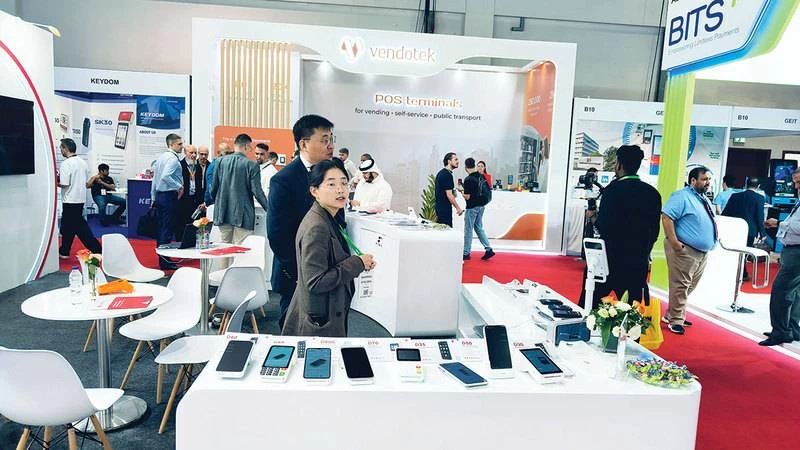
Dubai Police wins gold for project management at MENA MIKE 2026

Dubai Police wins gold for project management at MENA MIKE 2026

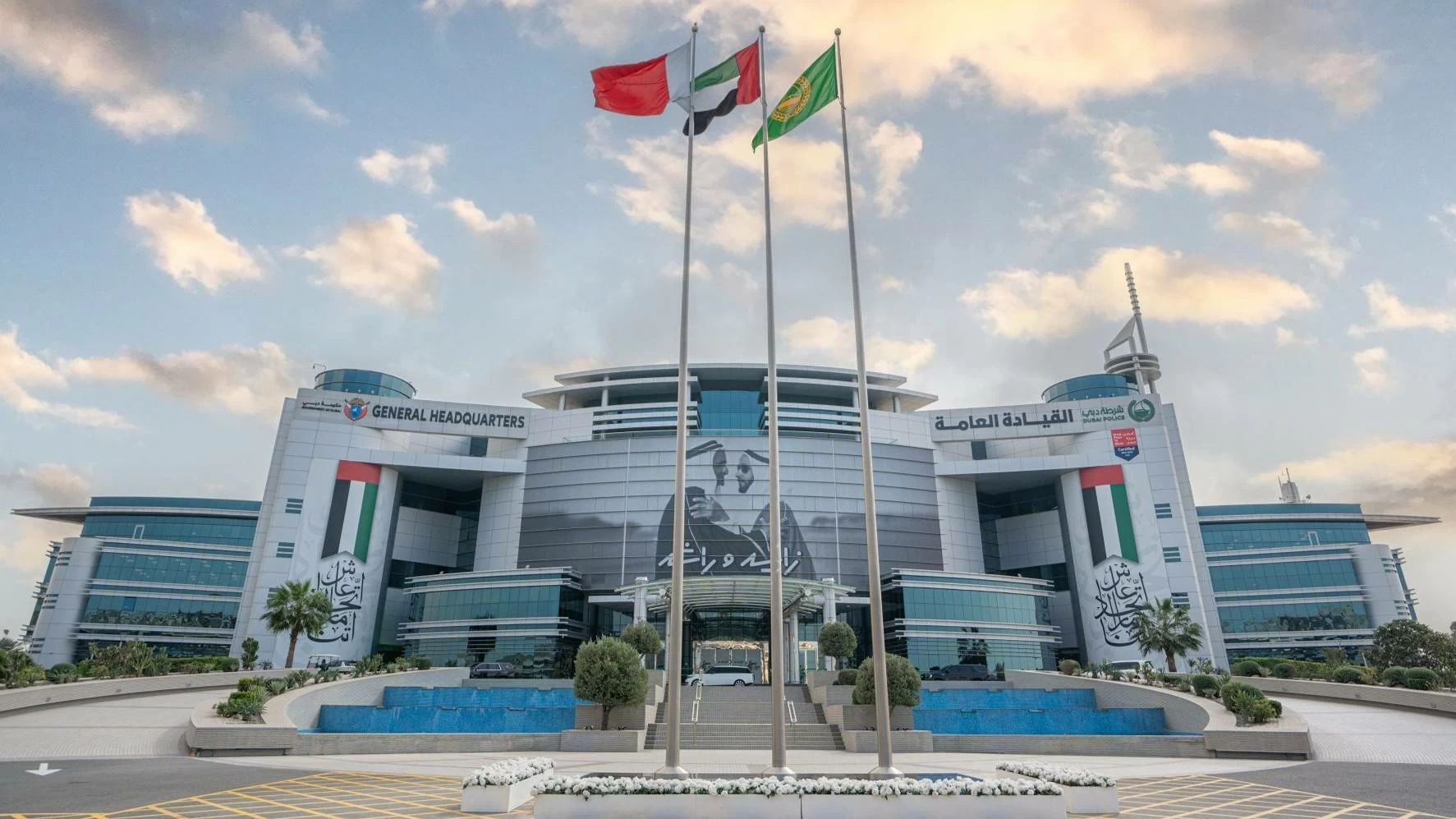
DUBAI: Dubai Police has won the gold award at MENA MIKE 2026, part of the Most Innovative Knowledge Enterprise Awards for the Middle East and North Africa, recognising its integrated approach to project management and its ability to translate strategic plans and objectives into measurable institutional results. The award was presented in the PMO & Knowledge-Enabled Value Delivery category, recognising Dubai Police’s excellence in aligning projects with strategic priorities and transforming plans and objectives into tangible, measurable outcomes. The recognition followed an assessment across several areas, including strategic alignment and value realisation, the integration of knowledge throughout the project lifecycle, governance, decision making and oversight, digital enablement and effective use of data, capability development, knowledge sharing and the use of projects to drive innovation. Major General Sheikh Mohammad Abdullah Rashid Al Mualla, Director of the General Department of Excellence and Pioneering at Dubai Police, said the achievement reflects Dubai Police’s forward looking vision and its continued commitment to embedding excellence, leadership and innovation across its institutional operations. He explained that project management at Dubai Police is no longer limited to monitoring implementation. Instead, it has evolved into an integrated strategic system that directs resources and capabilities towards priorities, supports faster and more efficient decision making and delivers sustainable value. Major General Al Mualla added that this approach ultimately contributes to stronger police performance and enhances the quality of services provided to the community. Colonel Ahmad Al Hefeiti, Director of the Initiatives and Projects Department at Dubai Police, said the Gold Award provides further motivation to continue developing Dubai Police’s project management system. "The award motivates us to continue developing our project management system, harnessing modern technologies and smart analytics to monitor performance and identify opportunities for improvement, while strengthening the exchange of knowledge and expertise between teams,” he said. Colonel Al Hefeiti added that these efforts contribute to strengthening Dubai Police’s competitiveness and leadership among police and security organisations at both regional and international levels. MENA MIKE is a regional award that recognises leading organisations for their ability to harness knowledge, data and innovation and transform them into measurable institutional value and results. The award also provides a framework for evaluation and benchmarking, enabling organisations to learn from international best practices and continually strengthen their institutional performance.

Sep 25, 2026 · byMobile Business
Yemen: Critical funding needs across the Middle East and North Africa - September 2026

Yemen: Critical funding needs across the Middle East and North Africa - September 2026

Countries: Yemen, Algeria, Egypt, Iraq, Jordan, Lebanon, Libya, Mauritania, Syrian Arab Republic Source: UN High Commissioner for Refugees Please refer to the attached file. US$122 million is urgently required across ten operations to keep essential services open, prevent irreversible harm and safeguard progress before the end of 2026. Across the Middle East and North Africa, years of investment in protection, inclusion, self-reliance and solutions are under strain. Operations are reducing assistance and services that had already been tightly prioritised, leaving families with less access to cash, shelter, documentation, health care, safe water, education and specialised protection. Timely, flexible funding can prevent today’s shortfalls from becoming longer-term protection setbacks, while preserving critical services and nationally anchored pathways to inclusion and sustainable return.

Sep 24, 2026 · byReliefWeb
📰

Transavia France NW26 A320neo MENA Network Expansion

Published at 1900PDT 23SEP26 / 0200GMT 24SEP26 Transavia France during Northern winter 2026/27 season plans to expand Airbus A320neo network to Middle East and North Africa, reflected in recent schedule update. Paris Orly – Algiers eff 25OCT26 A320neo operates selected flights, instead of 737-800 Paris Orly – Beirut eff 14NOV26 A320neo operates selected flights, instead of 737-800

Transavianeutral
Sep 24, 2026 · byAeroRoutes
World: Global Weather Hazards Summary, September 24, 2026 – September 30, 2026

World: Global Weather Hazards Summary, September 24, 2026 – September 30, 2026

Country: World Source: Famine Early Warning System Network Please refer to the attached file. Global Overview: El Niño is strengthening. Abnormal heat continues to threaten parts of northern and eastern Africa, Hispaniola, and northern South America. Dry parts of Central America to receive heavy rain. South Africa sees flooding. Africa Weather Hazards Hot, dry conditions continue in northwestern Africa, the eastern Sahel, and much of eastern Africa. Meanwhile, flood risk remains high in North Africa, far western West Africa, eastern Africa, and southern Africa. 1) The Sudd wetlands of South Sudan continue to experience inundation. 2) Severe rainfall deficits across Chad and large parts of East Africa over the past 90 days have led to abnormal dryness. As a result, conditions have been upgraded to "Drought" across western Sudan, southern and southeastern South Sudan, northern Uganda, and parts of Ethiopia’s northern, eastern, and central regions. 3) Southeastern Mali and central and eastern Liberia remain under abnormal dryness because of sustained below-average rainfall. 4) Persistent heavy rainfall continues to pose elevated risks of flooding across southern and southeastern Nigeria, and the western part of Cameroon. The forecast heavy rainfall elevates flood risk in northern Libya, Senegal, The Gambia, Guinea-Bissau, Guinea-Conakry, western Mali, Sierra Leone, western Liberia, central Angola, and western, southern, and eastern South Africa during the next week. 5) In the coming week, abnormal heat is expected in western Morocco, Western Sahara, eastern Niger, central Chad, Sudan, South Sudan, northern Uganda, northwestern Kenya, and northeastern Ethiopia.

Sep 23, 2026 · byReliefWeb
AI powers faster payments and fraud detection as UAE businesses accelerate adoption

AI powers faster payments and fraud detection as UAE businesses accelerate adoption

Dubai: The UAE is witnessing growing adoption of artificial intelligence (AI) across digital payment systems, with businesses increasingly using the technology to speed up transactions, improve customer experience and strengthen fraud detection capabilities. Industry experts speaking on the sidelines of Seamless Middle East 2026, which opened yesterday (22/09/2026) at the Dubai World Trade Centre, said AI is reshaping the payments landscape by making digital transactions faster, easier and more secure. Remo Giovanni Remo Giovanni, General Manager for the Middle East and North Africa at Checkout.com, said digital payments in the UAE continue to grow rapidly, with transactions through digital channels rising by 64 per cent since the start of this year. He said strong demand from businesses to adopt AI-powered payment systems is driving significant change across the sector. According to Giovanni, AI is helping enhance payment speeds, improve data classification and strengthen cybersecurity by identifying and preventing fraudulent transactions. He explained that AI systems can analyse customer information across payment networks, recognise suspicious activity and detect whether a transaction is genuine or part of a fraud attempt, even if previous attempts were made through different platforms. The technology can automatically reject suspicious transactions and prevent fraud before it occurs. Giovanni added that AI can also simplify payments for first-time users, including customers making purchases from outside the UAE, by rapidly verifying their details and linking them to new platforms, making transactions smoother and more secure. He noted that consumers increasingly prefer easy and seamless payment experiences, a trend that AI is helping to support. Improving efficiency and security Nakul Kothari Nakul Kothari, Head of Asia Pacific and the Middle East at global payments technology company JSpay, said AI adoption is increasing steadily across digital payment systems in the UAE. He said the technology enhances payment processing by linking transactions to invoices, purchase records and payment data while improving customer data analysis, classification and storage. According to Kothari, AI also helps businesses understand purchasing patterns and customer behaviour, making payment systems more efficient and intelligent. He said one of the most significant benefits of AI is the improvement of cybersecurity standards through enhanced monitoring and analysis of potential fraud and cyberattack attempts. Kothari added that JSpay's systems process more than 350 million transactions daily worldwide and support payment integration in the UAE through a partnership with Al-Futtaim Group aimed at unifying digital payment systems. Supporting digital commerce Jamil Kay, Director of Subi Systems Technology Company, said AI is becoming increasingly widespread across digital commerce platforms in the UAE. He said the technology enables faster and more convenient digital payments while helping businesses personalise offers according to customers' purchase histories and buying patterns. Kay added that AI also contributes to stronger cybersecurity protection across digital commerce platforms. During a panel discussion at the exhibition, Philippe Daoust, Vice President of Innovation at the National Bank of Canada, said customers are primarily focused on obtaining services easily and securely rather than on the complex processes operating behind banking systems. He said integrating finance, artificial intelligence and user experience enables financial services to be delivered seamlessly within the customer journey while banking infrastructure and payment systems continue operating in the background. Daoust added that AI allows banks to move beyond simply responding to customer needs and towards providing proactive services by analysing financial behaviour and identifying potential risks or needs before they arise. Rise of 'invisible payments' Giovanni also highlighted growing interest in what is known as "invisible payments", revealing that 97 per cent of consumers surveyed by Checkout.com expressed interest in this type of payment experience. He explained that invisible payments are designed to make transactions more seamless and integrated into the purchasing journey by reducing friction and minimising the number of steps consumers must take to complete a payment. For businesses, the efficiency of the payment experience is becoming increasingly important. According to Checkout.com data, 35 per cent of consumers will switch to a competitor if they are unable to complete a payment transaction successfully, making smooth and reliable payment systems a critical factor in customer retention.

Sep 23, 2026 · byMobile Business
📰

Mali: UNHCR’s Salih calls for greater investment in protection and solutions in the Central Sahel

Countries: Mali, Burkina Faso, Mauritania Source: UN High Commissioner for Refugees BAMAKO/OUAGADOUGOU – Concluding a visit to Mali and Burkina Faso, UN High Commissioner for Refugees Barham Salih urged greater investment in life-saving protection and lasting solutions for forcibly displaced people and the communities hosting them across the Central Sahel. Insecurity remains the primary driver of forced displacement across Burkina Faso, Mali and Niger. The total number of forcibly displaced people across the three countries has nearly doubled since 2020, reaching 3.8 million people by 31 July 2026. Of these, more than 818,000 are refugees and asylum-seekers. Forced displacement is also extending beyond the Central Sahel. By July 2026, over 460,000 refugees and asylum-seekers fleeing violence in Burkina Faso had sought safety in neighbouring countries. Mauritania is also hosting some 169,000 Malian refugees, underscoring the wider regional impact of the crisis. Across the Sahel, refugees are also undertaking dangerous journeys, often in tandem with migrants, towards North Africa and Europe. “The Central Sahel is a region of consequence. We cannot be indifferent. The challenges here – including insecurity, climate pressures and forced displacement – have implications well beyond the region,” Salih said. “Failing to remain engaged today risks creating far greater challenges tomorrow. But what is often missing from the headlines is the opportunity I saw. Many of the people I met were focused on rebuilding their lives. With access to education and economic opportunities, that becomes possible. These are solutions taking shape, but they need investment well beyond the humanitarian response to reach scale.” The stakes are particularly high for young people. More than half of registered refugees and asylum-seekers in the Central Sahel are under 18, yet only one-third of refugee children have access to primary and secondary school. Without greater access to education and opportunities, forced displacement risks shaping a generation. In Koro, Mali, Salih saw the emergency response from UNHCR, the UN Refugee Agency, in an area that had received around 86,000 refugees from Burkina Faso as of July 2026. In Timbuktu, where more than 40,000 Malians have returned after years of displacement, he met families slowly rebuilding with support from authorities, UNHCR and partners. In Kaya, Burkina Faso, he visited agricultural and connectivity initiatives where UNHCR is supporting national efforts to strengthen livelihoods, resilience and self-reliance for forcibly displaced people and host communities. He also met Malian, Chadian and Mauritanian refugees living and working in Ouagadougou. Across Mali and Burkina Faso, governments and host communities have demonstrated remarkable solidarity, continuing to welcome people forced to flee despite significant pressure on local services, infrastructure and resources. Mali has maintained its longstanding commitment to asylum and international protection, including through the prima facie recognition of refugees arriving from Burkina Faso and Niger. Burkina Faso continues to provide refugees with access to essential rights, including education and livelihood opportunities, while advancing their inclusion in national social protection systems. Salih discussed how to build on these efforts with government representatives, humanitarian and development partners and donors, including the need for greater engagement from international financial institutions and the private sector to scale solutions. “What impressed me was the commitment of governments and communities to protecting and including people forced to flee, ensuring they can access services and opportunities alongside the communities hosting them, even in very difficult circumstances,” Salih said. “The vast majority of refugees from Mali and Burkina Faso are hosted by neighbouring countries across the region. The people I met want the same things people everywhere want: for their children to go to school, to work and to build a better future.” With UNHCR’s response in the Central Sahel only 25 per cent funded, critical programmes and services such as documentation, shelter, livelihoods and economic inclusion are being affected as needs mount. Yet UNHCR remains present across the region, including in border and hard-to-reach areas, working alongside governments and communities to protect and assist people forced to flee and advance solutions. Media contacts: In Bamako, Mahamadou Diallo, [email protected] , +223 79 34 00 41 In Ouagadougou, Laurence Bron, [email protected] , +226 54 00 67 00 In Dakar (regional), Fidelia Bohissou, [email protected] , +221 77 569 91 60 In Geneva, Eujin Byun, [email protected] , +41 79 747 8719

UNHCRneutral
Sep 21, 2026 · byReliefWeb
New IOM Data: Nearly 130,000 displaced in Yemen due to escalating conflict

New IOM Data: Nearly 130,000 displaced in Yemen due to escalating conflict

Country: Yemen Source: International Organization for Migration Geneva/Aden, 21 September 2026 – The latest data from the International Organization for Migration (IOM) show that 129,438 people, or 21,573 households, have been displaced across seven governorates in Yemen as families flee escalating insecurity. "Nearly 130,000 people have been forced from their homes in just a few weeks. Many have already moved more than once to find safety," said Othman Belbeisi, IOM Regional Director for the Middle East and North Africa. “The numbers keep climbing. On 18 September we recorded 118,086 displaced people. Three days later, the figure has risen by 11,352”. Today's update from IOM's Displacement Tracking Matrix (DTM) shows that Ta'iz Governorate hosts the most displaced people, with 73,494. Lahj follows with 33,828, then Aden with 8,946 and Al Hodeidah with 8,244. Abyan (3,324), Hadramawt (1,008) and Ma'rib (594) have also received new arrivals. Jabal Habashi in Ta'iz is hosting the highest number of displaced people, with over 23,000 recorded. Meanwhile Al Madaribah Wa Al Aarah in Lahj hosts nearly 21,500, Al Ma'afer in Ta'iz has more than 16,500, and over 12,300 people have sought safety in Ash Shamayatayn.” “These are families who have lost their homes and their income,” said Belbeisi. “They are arriving in towns that were already struggling. Host communities are sharing the little they have, but they cannot do it alone. We need support now, for the people who have fled and for those who are taking them in." Meanwhile, as of yesterday evening of 20 September, 3,106 had crossed the Red Sea from Yemen to Djibouti. IOM is providing urgent assistance to many of them and is appealing for greater support. Send emergency aid to families in need: Donate here For more information, please visit IOM’s Media Centre .

Sep 21, 2026 · byReliefWeb
World: Locust Watch: Seasonal precipitation predictions in the Desert Locust summer and winter breeding areas (October 2026–March 2027) (20 September 2026)

World: Locust Watch: Seasonal precipitation predictions in the Desert Locust summer and winter breeding areas (October 2026–March 2027) (20 September 2026)

Countries: World, Algeria, Chad, Djibouti, Egypt, Eritrea, Ethiopia, India, Iran (Islamic Republic of), Libya, Mali, Mauritania, Morocco, Niger, Oman, Pakistan, Saudi Arabia, Somalia, Sudan, Tunisia, Yemen Source: Food and Agriculture Organization of the United Nations Please refer to the attached file. The dynamical models indicate above-normal rainfall across most of northern and eastern Africa and the Middle East from October through December, consistent with previous strong El Niño episodes. Within this region, drier-than-normal conditions are expected to emerge across North Africa by December, but elsewhere the wet pattern is likely to persist through winter. The only notable change in the forecasts this month is that the predicted wet anomaly is somewhat less pronounced in East Africa, and the forecast has also turned drier for Yemen and Oman, because the positive phase of the Indian Ocean Dipole is struggling to become established, and a less positive IOD favors relatively drier conditions around the northwestern Indian Ocean during El Niño. Nevertheless, the pronounced El Niño forcing will remain the dominant (wet) influence. These rainfall patterns can support breeding in the northern Sahel through late summer breeding season. Small-scale breeding may begin in October along the Red Sea and Gulf of Aden coasts. Precipitation

Sep 21, 2026 · byReliefWeb
Mona Al Marri tours AFP’s expanded Dubai office as the news agency strengthens its Gulf operations

Mona Al Marri tours AFP’s expanded Dubai office as the news agency strengthens its Gulf operations

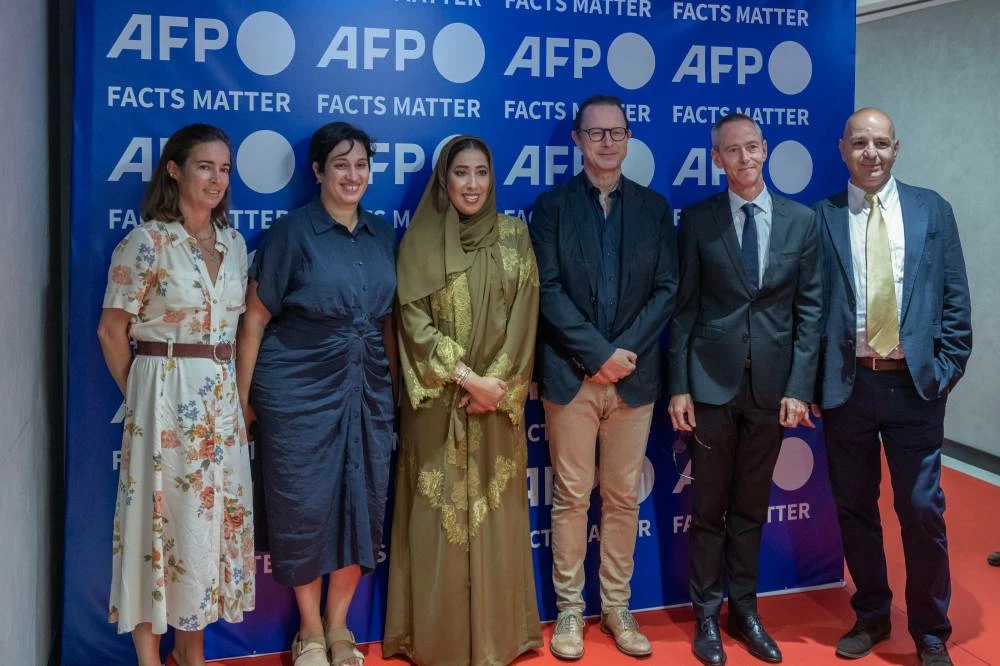
Dubai: Her Excellency Mona Ghanem Al Marri, Vice Chairperson and Managing Director of the Dubai Media Council and Chairperson of the Arab Media Summit Organising Committee, toured Agence France-Presse’s (AFP) newly expanded office in Dubai Media City, following its inauguration. The opening was attended by Her Excellency Marie Audouard, Ambassador Extraordinary and Plenipotentiary of the Republic of France to the UAE and His Excellency Jean-Christophe Paris, Consul General of France in Dubai and the Northern Emirates. The inauguration coincides with the Arab Media Summit 2026, held in Dubai from 15 to 17 September, in which Phil Chetwynd, AFP Global News Director, participated as a speaker alongside prominent media figures from the region and around the world. Her Excellency Mona Al Marri toured the expanded office accompanied by Phil Chetwynd, AFP Global News Director; Ezzedine Said, AFP Regional Director for the Middle East and North Africa; and Christian Otton, Editor-in-Chief, Middle East & North Africa. During the tour, she was briefed on AFP’s operations in Dubai and across the region, as well as the expanded office’s role as a hub for the agency’s news coverage across the Gulf. Her Excellency Mona Al Marri toured the expanded office accompanied by Phil Chetwynd, AFP Global News Director, among others. Picture credit: GDMO AFP was among the first international media organisations to establish a base for its regional operations in Dubai, where it has maintained a significant presence for more than three decades. Its expanded office serves as a key base for news operations across the Gulf and one of the agency’s main editing centres for the Middle East and beyond, as AFP continues to expand its operations and teams in Dubai. Al Marri said AFP’s expansion reflects Dubai’s position as a hub where global media organisations can grow their operations. “Dubai has developed a media ecosystem that attracts leading organisations, talent and expertise from around the world. AFP’s continued expansion reflects the confidence international media organisations place in the city and its ability to connect audiences and markets across the region and beyond. At a time of rapid change in the industry, the Arab Media Summit brought together leading voices to exchange ideas and perspectives. We are pleased that AFP is beginning a new chapter in its longstanding relationship with Dubai,” Her Excellency added. Phil Chetwynd, AFP Global News Director, said: "We are pleased to expand our presence in Dubai which is a key location for AFP bridging the Middle East to Asia and Europe." During the tour, Al Marri met AFP’s editorial and operational teams and discussed with officials the technological and industry shifts reshaping global journalism.

Sep 17, 2026 · byMobile Business
MTU Maintenance lands first North African LEAP contracts

MTU Maintenance lands first North African LEAP contracts

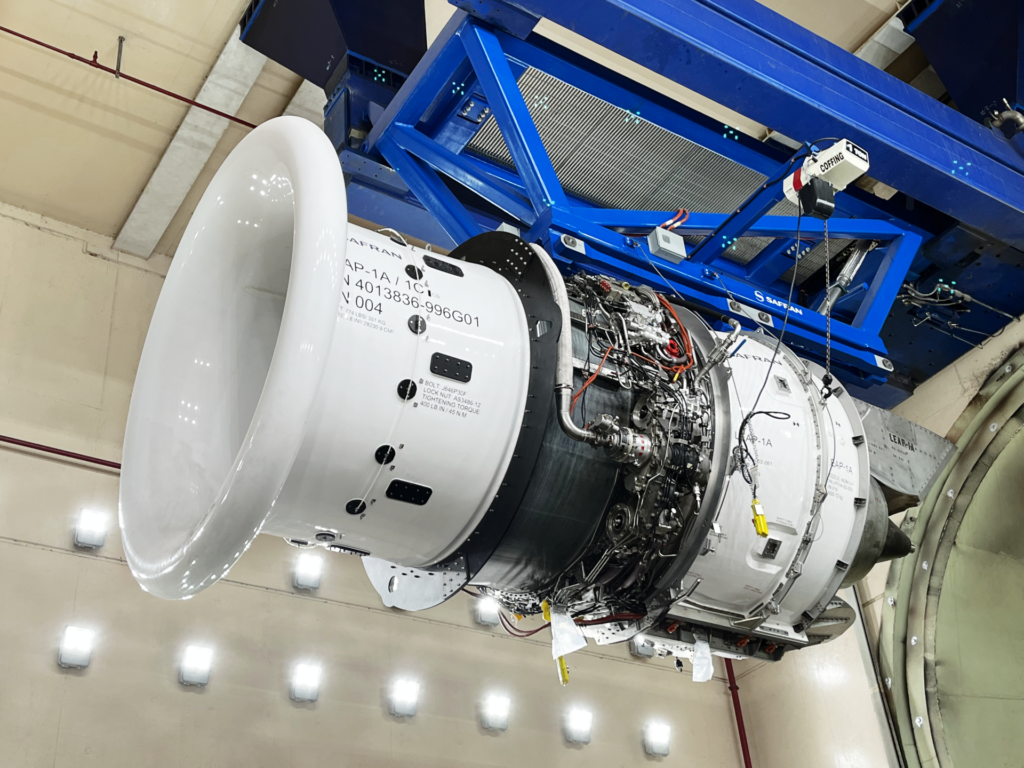
MTU Maintenance has signed its first maintenance contracts for CFM International LEAP-1A engines in North Africa, securing agreements with regional airlines including Air Cairo as it expands its presence in the market. The Air Cairo agreement covers 42 LEAP-1A engines powering 19 Airbus A320neo aircraft, MTU said. The contracts mark MTU’s entry into a North […] The post MTU Maintenance lands first North African LEAP contracts appeared first on AviTrader Aviation News .

MTU Aero Enginesfavorable
Sep 10, 2026 · byAviTrader