← News
Topic · Place

Malawi

30 articles

See also
📰

Latest Malawi articles

World: 2026 - 2027 El Niño: Special Report (October 2, 2026 )

World: 2026 - 2027 El Niño: Special Report (October 2, 2026 )

Countries: World, Angola, Burkina Faso, Chad, Colombia, Ethiopia, Guatemala, Haiti, Honduras, Kenya, Lesotho, Madagascar, Malawi, Mali, Niger, Pakistan, Somalia, South Sudan, Sudan, Uganda, Zambia, Zimbabwe Source: Famine Early Warning System Network Please refer to the attached file. FEWS NET Special Reports provide in-depth analysis of food security issues of particular concern. In 2026–2027, FEWS NET will publish a series of El Niño Special Reports, focusing on countries where FEWS NET has a presence and where El Niño impacts are of concern. The first report, in October 2026, provides an overview of the event, distinguishes the timing of rainfall impacts from peak impacts on acute food security outcomes, and provides region-level summaries. It also examines the global impacts on food availability and prices and the longer-term implications for food security. A second report will be published in late 2026 and a third and final report will follow in early-to-mid 2027, both of which will provide more detailed early warning of likely outcomes in regions where El Niño impacts on food security occur later in 2027. Reports will also update on the potential transition to La Niña. Key Messages The 2026/27 El Niño has rapidly strengthened to very strong levels and is expected to drive significant rainfall anomalies across FEWS NET geographies. Below-average rainfall has already occurred across unimodal areas of East Africa, the Sahel of West Africa, Latin America and the Caribbean, and Pakistan. Southern Africa will face below-average rains during the October 2026 to March 2027 rainy season, while the Horn of Africa will see heavy rains and heightened flood risk during the October to December 2026 rains. The most severe food insecurity outcomes from El Niño-induced rainfall anomalies typically emerge during the following lean season, rather than during the rainy season itself. This makes El Niño an important early warning signal, giving governments and humanitarians time to deliver a humanitarian food assistance response before the most severe acute food insecurity materializes. Unimodal East Africa and Southern Africa are of highest concern. In both regions, El Niño is expected to result in widespread drought and be the primary driver of high food assistance needs in 2027. While El Niño is expected to have its most significant food security impacts in areas directly affected by extreme rainfall anomalies, indirect impacts are likely to emerge through regional and international trade and markets. These indirect import-related risks are particularly elevated in Southern Africa through regional maize trade, and in West Africa and Yemen through international imports. Global output of maize, wheat, and rice has changed little on balance in the strong and very strong El Niño years since 1980. In the crop marketing years of these events, global output fell by at most 3.9 percent from the year before, in 1987/88. The U.S. Department of Agriculture (USDA) projects global 2026/27 production of these crops to be 2.7 percent below last year, but still the second-largest crop on record . Food security outcomes are often driven by multiple coexisting shocks. FEWS NET’s assessed populations in need are available in many of FEWS NET’s global and country-level products , but these estimates represent needs driven by all relevant factors. This report does not seek to – and it is often not feasible to – disentangle the relative contribution of each driver in order to identify needs attributable to one factor, in this case El Niño only. Nonetheless, the regional summaries do identify where El Niño is, or is not, considered a primary driver of acute food insecurity and associated food assistance needs. Beyond its immediate impacts, El Niño can increase vulnerability to future shocks by eroding household coping capacity. Where livelihoods are damaged and recovery is insufficient, households will face greater difficulty managing subsequent shocks. The longer-term food security implications depend not only on current rainfall conditions, but also on efforts to mitigate risks and support recovery. While this report focuses on early warning of both the ongoing and forecast impacts of the 2026/27 El Niño, it is important to signal early warning for the forecast transition to La Niña in mid-to-late 2027. Although confidence in this transition is relatively low given the long lead time, a shift to La Niña should be prepared for, as it will introduce a new set of rainfall impacts and food security risks.

Oct 7, 2026 · byReliefWeb

Countries Demonstrate Record Support for UN Sudan Probe Renewal

Countries Demonstrate Record Support for UN Sudan Probe Renewal

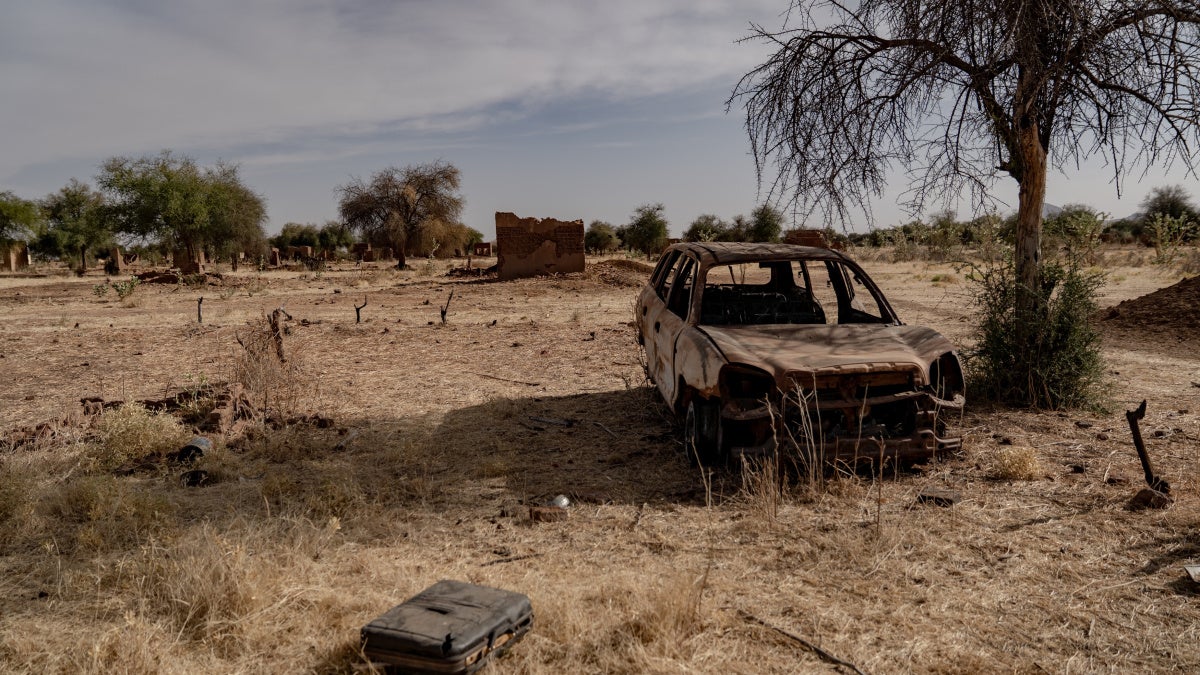
Click to expand Image The remains of fighting in the abandoned village of Bakri, about 35 kilometers (22 miles) from El Fasher, Sudan, where homes and fields were left deserted after residents fled escalating violence across the region, February 24, 2026. © 2026 Giles Clarke/Avaaz via Getty Images A record number of countries at the United Nations Human Rights Council this week voted to support a resolution renewing the mandate of the UN Fact-Finding Mission for the Sudan. For the first time, the Gambia, Mauritius, and Malawi joined South Africa and countries from other regions voting in favor of the resolution. The fact-finding mission is mandated to investigate human rights violations and abuses committed by Sudan’s warring parties and advance accountability, including by collecting and preserving evidence to identify those responsible and to use in future prosecutions. Over the past year, the mission has presented various reports, including a special inquiry on the Rapid Support Forces (RSF) assault on El Fasher, which it concluded bore the hallmarks of genocide, as well as a recent exposé on the role of external actors in fueling the conflict. It has worked with the joint Fact-Finding Mission of the African Commission on Human and Peoples’ Rights (ACHPR) to ensure their work is complementary. The Human Rights Council resolution also highlighted the mission’s identification of a “transnational network” of support for the RSF, including the provision of weapons, logistics, training, and foreign personnel. It underlined the need for heightened scrutiny and accountability of external support that sustains operations involving serious violations and international crimes, “across the full chain of responsibility.” The resolution’s increased support this year signals growing recognition of the need to combat atrocities in Sudan, and the impunity fueling them, underscoring that justice is central to resolving the crisis. In a powerful statement, the Gambia recalled their own national legacy to insist that “truth, justice, and accountability are the foundation on which sustainable peace and reconciliation must be constructed.” However, while the resolution acknowledges the importance of collection and preservation of evidence to support accountability, states did not act to strengthen the mission’s capacity to do so, a key recommendation by civil society. States that led and supported this resolution should further consider how to ensure evidence is preserved and prepared in real time to support prosecutions against all those responsible for serious international crimes amid Sudan’s conflict. African states that supported the initiative and others should also work to ensure the African Union Peace and Security Council considers the ACHPR mission’s own report.

Oct 7, 2026 · byHuman Rights Watch
France come from behind to stun Belgium 4-1 as Croatia host Spain and England face Czech Republic tonight

France come from behind to stun Belgium 4-1 as Croatia host Spain and England face Czech Republic tonight

⚽ It’s another busy day on the pitch, with plenty of action to keep us entertained — and two fixtures in particular in the UEFA Nations League that we’ll be stocking up on snacks for. In the AFCON qualifiers, Group B resumes with Angola hosting Malawi at 10pm on beIN Sports Max 1. Angola are still […] The post France come from behind to stun Belgium 4-1 as Croatia host Spain and England face Czech Republic tonight appeared first on EnterpriseAM Egypt .

Oct 5, 2026 · byEnterpriseAM Egypt
Malawi - Key Message Update: Crisis expected in the south as purchasing power weakens through January 2027, September 2026 - January 2027

Malawi - Key Message Update: Crisis expected in the south as purchasing power weakens through January 2027, September 2026 - January 2027

Country: Malawi Source: Famine Early Warning System Network Please refer to the attached file. Key Messages In September, widespread Minimal (IPC Phase 1) and localized Stressed (IPC Phase 2) outcomes persist; however, Crisis (IPC Phase 3) outcomes are expected to emerge in localized areas of southern Malawi and parts of the central region from October 2026 through January 2027, driven by weakening household purchasing power and dwindling food stocks. As own-produced stocks decline as of October, poor households will increasingly rely on markets amid elevated maize prices and below-average income from agricultural labor, due to anticipated erratic rainfall in the rainy season. Consequently, poor households are expected to reduce food consumption gaps by reducing meal sizes and frequency. National average maize prices rose 16 percent in August to 907 MWK/kilogram (kg), up from 779 MWK/kg in July, while prices at Mitundu, the national reference market in central Malawi, rose 23 percent following seasonal trends. Demand has strengthened as households increasingly rely on markets, and institutional purchases have intensified. The Agricultural Marketing Corporation ( ADMARC ) and the National Food Reserve Agency ( NFRA ) are purchasing maize at 900 MWK/kg to add to the existing carry-over stock of approximately 82,000 metric tons (MT). This has increased competition for maize among public agencies, private traders, and commercial processors in surplus-producing areas, tightening marketable supplies earlier than usual and putting upward pressure on prices. Despite these pressures, improved supply relative to the 2025/26 consumption year has kept prices below last year's levels. The likelihood of below-average rainfall during the 2026/27 agricultural season remains elevated as El Niño strengthens. According to the latest World Meteorological Organization (WMO) El Niño Update , El Niño is expected to persist through February 2027 and become very strong by late 2026. Malawi’s national seasonal forecast anticipates erratic rainfall across much of the southern and central regions, likely reducing cultivated areas, disrupting land preparation, crop establishment, and reducing agricultural labor opportunities through at least January 2027. The Tobacco Commission concluded the 2026 tobacco marketing season on September 10 after 21 weeks of trading, with sales volumes, tobacco quality, and average prices declining substantially compared to last year. Overall sales volume and revenue were approximately 28 percent and 44 percent lower, respectively, than at the same time last year. The average price fell 22 percent, from 2.54 USD/kg in 2025 to 1.98 USD/kg during the current tobacco auction, nearly 14 percent below the five-year average of 2.30 USD/kg. Lower tobacco incomes among middle- and better-off households are likely to reduce agricultural investment in the coming months, including labor hiring. As a result, labor opportunities are expected to decline, further weakening the purchasing power of poor households that depend on wage labor employment. Fuel prices remained high in September, while persistent shortages across the country continued to disrupt transportation and food distribution. On September 12, the Malawi Energy Regulatory Authority (MERA) raised the price of kerosene by 5.7 percent, from 4,389 MWK to 4,641 MWK/liter. Gasoline and diesel prices remained unchanged at 5,619 MWK/liter and 5,863 MWK/liter, respectively. Although these prices are stable month on month, they remain substantially above last year’s levels and the five-year average, increasing transportation and food distribution costs. According to WFP , approximately 170,000 food-insecure people are expected to receive food assistance of an estimated 1,900 MT of rice during the 2026/27 lean season, as food security needs increase from October through March. The assistance is expected to reduce food consumption gaps among poor households, though it is unlikely to reach the 25 percent of the affected community necessary to improve area-level outcomes.

Oct 4, 2026 · byReliefWeb
World: Localising Logistics Preparedness: Impact Study of the Global Logistics Cluster Field-Based Preparedness Project (FBPP)

World: Localising Logistics Preparedness: Impact Study of the Global Logistics Cluster Field-Based Preparedness Project (FBPP)

Country: World Sources: Logistics Cluster, World Food Programme Please refer to the attached file. Executive Summary Escalating climate-related and complex emergencies continue to test the speed, reach, and reliability of humanitarian operations. In this context, the Global Logistics Cluster Field-Based Preparedness Project (FBPP) aims to strengthen locally owned supply chain coordination for emergency preparedness and response by working with national disaster management authorities and their humanitarian partners. FBPP has been implemented in 26 countries to date (Appendix 5)1. This report assesses the extent to which FBPP contributed to that intended impact across four case study countries: Malawi, Bhutan, Peru, and Tanzania. Using a four-country qualitative design based on document review, key informant interviews, and meeting observations, the research assesses contribution rather than attribution. It examines FBPP’s role in strengthening nationally led coordination, information-sharing, preparedness practices, and action-plan implementation, while also identifying the main factors that enabled or constrained progress. The evidence indicates that FBPP’s distinctive value lies less in delivering stand-alone preparedness outputs than in acting as an institutional catalyst— convening actors, creating shared reference points, and translating di昀昀use preparedness concerns into more structured, nationally led arrangements. It 昀椀nds that FBPP made a meaningful contribution to its intended impact, with results varying across contexts, implementation stages, and country conditions. Baseline coordination architectures also di昀昀ered across the four cases: Malawi already had a national cluster system before FBPP and Peru had INDECI-led national disaster management structures, while Bhutan’s Logistics Desk and Tanzania’s logistics coordination arrangements were largely established or 昀椀rst convened with FBPP support. Unsurprisingly, the clearest progress is visible in Malawi and Bhutan (where implementation has concluded), with coordination mechanisms and preparedness practices more 昀椀rmly embedded under national leadership—building on Malawi’s pre-existing cluster system and Bhutan’s newly convened Logistics Desk and NLPWG. In Peru and Tanzania, both still in active implementation, progress is evident but more uneven, re昀氀ecting earlier project stages as well as political and institutional constraints that still need to be overcome. overcome.

Oct 2, 2026 · byReliefWeb
Malawi: Population Movement - DREF Final Report (MDRMW022)

Malawi: Population Movement - DREF Final Report (MDRMW022)

Countries: Malawi, Mozambique Source: International Federation of Red Cross and Red Crescent Societies Please refer to the attached file. Description of the Event Date when the trigger was met 29-01-2025 What happened, where and when? 1. Background Following the post-election unrest in Mozambique, Malawi hosted 7,456 asylum seekers across Nsanje, Dedza, Chikwawa, Mwanza, Mulanje, and Dzaleka beginning in December 2024. The influx followed political instability and violence that forced Mozambican citizens to seek refuge in Malawi. On 27 February 2025, Mozambique's Minister of Home Security led a delegation to Malawi to meet with government officials and discuss plans for a voluntary repatriation process. The two governments agreed that asylum seekers willing to return should be allowed to do so under a coordinated and safe process. 2. Repatriation Process A joint registration exercise was conducted for asylum seekers who expressed willingness to return to Mozambique. The Mozambican government provided vehicles to transport voluntary returnees to the Shire River Dock, where they were ferried across the river by speedboats. The repatriation process began on 28 February 2025 and concluded on 13 March, during which 7,076 registered Mozambicans were repatriated. Despite this achievement, the operation faced challenges, including high Shire River water levels caused by heavy rains and flooding, logistical constraints, and reluctance among some asylum seekers due to ongoing security concerns in Mozambique. Between 13 March and 30 April 2025, the Government of Malawi undertook various activities to facilitate the closure of the Nyamithuthu Camp, marking the end of the repatriation phase. 3. Remaining Population and Refugee Status Determination While a majority of asylum seekers returned to Mozambique, a number remained unwilling to do so. Many of those who stayed cited fears for their safety, particularly individuals with political affiliations who feared persecution upon return. Others reported trauma from earlier violence, including assaults, arson attacks, and property loss. As of 26 April 2025, 336 households (671 individuals) remained registered as Mozambican asylum seekers at Nyamithuthu Camp. On 27 April, the Department for Refugees (DfR) conducted a Refugee Status Determination (RSD) exercise to assess eligibility for refugee status. Of the 268 individuals targeted for interviews, 221 participated, but their claims were found to lack credibility. Most applicants failed to provide consistent or verifiable information about their origins or experiences. Consequently, all 221 individuals were recommended for denial of refugee status. The Government of Malawi concluded that the remaining asylum seekers did not qualify as persons of concern requiring protection. 4. Camp Closure: Following the RSD outcomes, Nyamithuthu Camp was officially closed by the Government of Malawi on 30 April 2025. During the process, it was observed that the Mozambican authorities repatriated not only asylum seekers linked to the 2024 unrest but also other Mozambican nationals who opted to return. Despite ongoing reconciliation efforts, reports of insecurity and violent protests in Mozambique persisted, suggesting that new asylum inflows into Malawi could continue in the future. 5. Post-Closure Humanitarian Response In response to the camp closure and its effects on host communities, the Malawi Red Cross Society (MRCS), with support from the IFRC Harare Cluster, submitted an operations update in May 2025. The update requested approval for additional activities aimed at rehabilitating affected host communities, focusing on Water, Sanitation, and Hygiene (WASH) interventions in schools and nearby villages. Following the approval, a WASH assessment was carried out between 20 and 25 June 2025. The assessment found that key sanitation activities such as solarization of water systems, desludging, and latrine maintenance could not be completed before the DREF operation's official closure in August 2025. This revealed a gap between the planned interventions and the achievable implementation timeframe. 6. Impact on Host Communities The arrival and temporary settlement of asylum seekers placed significant strain on host communities and public infrastructure. Local villages lacked sufficient capacity to provide essential health services such as first aid, mental health support, and epidemic prevention awareness. This increased vulnerability to potential health crises. Access to safe water remained limited, as asylum seekers relied heavily on boreholes in host communities. These boreholes were later damaged when tensions escalated after the announcement that none of the remaining asylum seekers qualified for refugee protection. Pipes, roads, and pedestals were destroyed or filled with mud, further disrupting water access. In the education sector, children of asylum seekers were integrated into three nearby schools, which became overcrowded. The heavy use of school latrines resulted in deterioration and filling of sanitation facilities, with two schools now requiring urgent rehabilitation. Despite repeated requests from the Department for Refugees, these sanitation challenges remained unresolved due to competing priorities among humanitarian actors. 7. Key Observations and Outstanding Needs • The repatriation process demonstrated strong collaboration between the Governments of Malawi and Mozambique, but logistical challenges hindered efficiency. • The lack of sustainable WASH infrastructure in host communities highlighted the need for longer-term recovery support beyond camp closure. • Health and sanitation systems in affected areas remained overstretched, increasing the risk of disease outbreaks, particularly cholera. • Rehabilitation of damaged boreholes and latrines, along with continued hygiene promotion, was urgently required to restore community resilience.

Sep 25, 2026 · byReliefWeb
Nigeria: Weekly Bulletin on Outbreak and other Emergencies: Week 34: 17 to 23 August 2026

Nigeria: Weekly Bulletin on Outbreak and other Emergencies: Week 34: 17 to 23 August 2026

Countries: Nigeria, Cameroon, Malawi, World Source: World Health Organization Please refer to the attached file. This Weekly Bulletin focuses on public health emergencies occurring in the WHO African Region. This week’s articles cover: Diphtheria, Nigeria Measles,Cameroon End of outbreak declaration, cholera in Malawi For each of these events, a brief description, followed by public health measures implemented and an interpretation of the situation, is provided. A table is provided at the end of the bulletin with information on all new and ongoing public health events currently being monitored in the region, as well as recent events that have been controlled and closed. Major issues and challenges include Diphtheria in Nigeria: Diphtheria remains a significant public health concern in Nigeria, with transmission highly concentrated in northern states, particularly Kano, Bauchi, Katsina, Borno and Sokoto, which account for most cumulative cases. Persistent immunity gaps, including large zero-dose and undervaccinated populations, continue to drive transmission. Inadequate primaryseries and booster vaccination coverage leaves susceptible populations among older children, adolescents and adults. Surveillance and reporting backlogs, alongside data-quality limitations, hinder accurate assessment and targeted response efforts. The situation is further exacerbated by insecurity, population displacement, disruptions in vaccine and essential supply availability, and substantial subnational inequities in immunization coverage and access to health services, complicating outbreak control efforts across affected communities.

Sep 23, 2026 · byReliefWeb
📰

World: Advancing One Health implementation and investment: from country action to sustainable solutions

Country: World Source: World Health Organization The Quadripartite partners – the Food and Agriculture Organization of the United Nations (FAO), the United Nations Environment Programme (UNEP), the World Health Organization (WHO) and the World Organisation for Animal Health (WOAH) – highlighted a shared focus on implementation, science and investment at the 9th World One Health Congress, held in Lisbon, Portugal, from 4 to 7 September 2026. Across the joint sessions, the partners explored how stronger country implementation, scientific evidence and investment can help realize tangible One Health outcomes, supported by intersectoral collaboration, and reflecting the interconnectedness between the health of people, animals, plants and ecosystems. A key focus was implementation of the One Health Joint Plan of Action (OHJPA) at country level. Discussions at a session on the OHJPA explored how countries are translating the global framework into national action, while identifying practical enablers and barriers to implementation. Representatives from Malawi, Singapore and Uzbekistan shared their experiences of implementing One Health approaches, including their use of the OHJPA and its implementation guide developed by the Quadripartite. These experiences provided practical perspectives on how cross-sectoral coordination can be strengthened and adapted to national contexts. The partners also highlighted the importance of science and evidence in guiding One Health action. During its second term, the One Health High-Level Expert Panel (OHHLEP) has generated evidence and recommendations to support countries and partners in implementing One Health. During the Congress, OHHLEP presented its 10 recommendations addressing barriers, strengthening enabling conditions and advancing implementation. At the Congress, OHHLEP also presented its mapping of international instruments for One Health, examining how One Health is reflected in sector-specific global normative instruments, and identifying opportunities for greater coherence, collaboration and action. Bringing this work into the Congress discussions reinforced the role of strategic scientific advice in shaping effective One Health policies and action. At the Congress, investment and financing formed a third key strand of Quadripartite engagement. Sessions explored how to build the investment case for One Health, demonstrate return on investment and identify opportunities to mobilize resources, including through blended financing. A session jointly organized with the World Bank further explored approaches to financing One Health action. With over 1300 participants, the 9th World One Health Congress brought together researchers, policymakers, practitioners and other stakeholders from around the world to advance One Health science, policy and practice. Together, the joint sessions demonstrated the Quadripartite’s commitment to helping countries move from global commitments to practical action, underpinned by evidence and supported by sustainable investment.

Sep 23, 2026 · byReliefWeb
📰

World: MSF: Delivering cancer care to women in humanitarian crises

Country: World Source: Médecins Sans Frontières 21 September 2026 – Speaking for the first time at the World Cancer Congress in Hong Kong this week, Médecins Sans Frontières/Doctors Without Borders (MSF), an international medical humanitarian organisation, will share its experiences from its cancer programs in Mali and Malawi, highlighting that cancer care is possible in resource-limited settings, but urgent action is needed to break barriers to accessing prevention, timely diagnosis and adequate treatment. ​ The burden of cancer is already a growing public health threat in many countries where MSF works – and women are disproportionately affected. About 80 per cent of deaths from breast and cervical cancer worldwide happen in low and middle-income countries. By 2050, global health experts estimate the number of cancer cases in such countries will rise by 150 per cent. “Ten years ago during the Syrian crisis, we were ill-equipped to respond to the health needs of displaced people whose treatment for non-communicable diseases, including cancer, had been abruptly interrupted by the conflict,” says Dr Claire Rieux, MSF’s medical director. “Today, our teams provide cancer care, from screening to treatment and palliative care, in several countries. We partner with ministries of health, inspiring practitioners, community networks and experts in the fight against cancer. We are eager to keep learning and contribute to advance greater equity in this field.” In Mali, more than 2,300 women received medical care for breast or cervical cancer between 2021 and 2025 through the program ran by MSF and its partners in Bamako. ​ A retrospective study to assess treatment results of women cared for by MSF and the Malian Ministry of Health between 2019 and 2022 shows tangible progress – despite unreliable access to radiotherapy, security constraints and the many obstacles that stand in the way of care journey for people living with cancer. Only one quarter of the patients were diagnosed at an early stage of the disease, but the proportion kept improving over time – for instance, for women with cervical cancer, it doubled between 2019 (14 per cent) and 2022 (28 per cent). The retrospective study also found global survival rates for women with breast cancer that stood at 91 per cent a year after the diagnosis and 72 per cent after three years. These rates are promising but should be dealt with caution given the high proportion of patients whose survival status was unknown in the study (30 per cent of “lost to follow up” patients). “Our efforts have also been focused on supporting people on their care pathway, providing health education, psychological care and social support, and working closely with local associations and survivors. Medicines and clinical protocols alone are not enough: people with cancer need clear information, emotional and practical support, and continuity of care to help them navigate treatment and cope with the wider impact of the disease on their lives and families”, says Nancy Kamwaza, MSF’s health promotion and community engagement manager in Malawi. ​ ​ In Malawi, our program in Blantyre helps to tackle the world’s second highest cervical cancer mortality rates by facilitating access to palliative care and treatment, including chemotherapy, surgery and radiotherapy, and to prevention tools, including vaccination against human papillomavirus (HPV), early screening and treatment of precancerous lesions. In Blantyre district, the coverage of cervical cancer screening increased from 40 per cent in 2019 to close to 60 per cent last year. MSF also joined the PAVE study , an international research project designed to trial a new, low-cost strategy for screening and treating pre-cancerous cervical lesions in resource-limited settings. The strategy, which combines HPV genotyping and artificial intelligence-automated visual evaluation to detect precancerous lesions, was found particularly effective to achieve better detection and to better identify the most at-risk women in need of urgent treatment. Yet improved screening yields limited results if the next stages of diagnostic and care remain unavailable, unaffordable or oversubscribed. MSF’s work in cancer care has contributed to show that it is possible to diagnose, prevent and treat cancer even in fragile and humanitarian settings when people with cancer have access to coordinate and adequately resourced care. However, in many resource limited settings, high prices, drug shortages, limited specialised human resources and weak supply chain and procurement system continue to prevent people diagnosed with cancer to access treatment and care. “Too often, people with cancer are denied access to treatment and care not because effective tools do not exist, but because they are priced out of reach, unavailable when they are needed, or not suitable for resource-limited settings and countries. It’s time for countries and funders to show a strong political will to close this gap by investing in cancer care and ensuring that lifesaving diagnostics and treatments are affordable, adaptable and available for people in low resource and humanitarian settings,” says Dr Zarak Jan, MSF Access advocacy advisor. Speaking at the World Cancer Congress hosted in Hong Kong is a unique opportunity for MSF to advocate for greater access to comprehensive care for people with cancer, ​ exchange ideas with the global cancer community and learn about the latest innovations and successful initiatives in cancer control. ​ Note to editors: Over the last five years, MSF has developed and supported cancer-related activities in countries including Malawi, Mali, Papua New Guinea, Ukraine, Kyrgyzstan and Eswatini. Read our fact sheet to know more:

Sep 22, 2026 · byReliefWeb
Malawi: Delivering cancer care to women in humanitarian crises is possible

Malawi: Delivering cancer care to women in humanitarian crises is possible

Country: Malawi Source: Médecins Sans Frontières Médecins Sans Frontières (MSF) will speak for the first time at the World Cancer Congress in Hong Kong this week. We will share our experiences from our cancer programmes in Mali and Malawi, highlighting that cancer care is possible in resource-limited settings, but also that urgent action is needed to break barriers to accessing prevention, timely diagnosis and adequate treatment. The burden of cancer is already a growing public health threat in many countries where MSF works — and women are disproportionately affected. About 80 per cent of deaths from breast and cervical cancer worldwide happen in low and middle-income countries. By 2050, global health experts estimate the number of cancer cases in such countries will rise by 150 per cent. “Ten years ago, during the Syrian crisis, we were ill-equipped to respond to the health needs of displaced people whose treatment for non-communicable diseases , including cancer, had been abruptly interrupted by the conflict,” says Dr Claire Rieux, MSF’s medical director. “Today, our teams provide cancer care, from screening to treatment and palliative care, in several countries.” “We partner with ministries of health, inspiring practitioners, community networks and experts in the fight against cancer,” says Dr Rieux. “We are eager to keep learning and contribute to advancing greater equity in this field.” In Mali, more than 2,300 women received medical care for breast or cervical cancer between 2021 and 2025 through a programme we ran with partners in Bamako. A retrospective study 1 to assess treatment results of women cared for by MSF and the Malian Ministry of Health between 2019 and 2022 shows tangible progress — despite unreliable access to radiotherapy, security constraints and the many obstacles that stand in the way of people living with cancer reaching care. Only one quarter of the patients were diagnosed at an early stage of the disease, but the proportion kept improving over time. For instance, for women with cervical cancer, it doubled between 2019 (14%) and 2022 (28%). The retrospective study also found global survival rates for women with breast cancer that stood at 91% a year after the diagnosis and 72% after three years. These rates are promising but should be dealt with caution given the high proportion of patients whose survival status was unknown in the study (30% of patients were “lost to follow up”). “Our efforts have also been focused on supporting people on their care pathway, providing health education, psychological care and social support, and working closely with local associations and survivors,” says Nancy Kamwaza, MSF’s health promotion and community engagement manager in Malawi. “Medicines and clinical protocols alone are not enough: people with cancer need clear information, emotional and practical support, and continuity of care to help them navigate treatment and cope with the wider impact of the disease on their lives and families,” says Kamwaza. In Malawi, our programme in Blantyre helps to tackle the world’s second highest cervical cancer mortality rates. Through it, we are facilitating access to palliative care and treatment, including chemotherapy, surgery and radiotherapy, and to prevention tools, including vaccination against human papillomavirus (HPV), and early screening and treatment of precancerous lesions. In Blantyre district, the coverage of cervical cancer screening increased from 40 per cent in 2019 to close to 60 per cent last year. 2 MSF also joined the PAVE 3 study , an international research project designed to trial a new, low-cost strategy for screening and treating pre-cancerous cervical lesions in resource-limited settings. The strategy, which combines HPV genotyping and artificial intelligence-automated visual evaluation to detect precancerous lesions, was found particularly effective to achieve better detection and to better identify the most at-risk women in need of urgent treatment. Yet improved screening yields limited results if the next stages of diagnostic and care remain unavailable, unaffordable, or in higher demand than capacity can meet. MSF’s work in cancer care has contributed to showing that it is possible to diagnose, prevent and treat cancer, even in fragile and humanitarian settings, when people with cancer have access to coordinated and adequately resourced care. However, in many resource-limited settings, high prices, drug shortages, limited specialised human resources, and weak supply chain and procurement systems continue to prevent people diagnosed with cancer from accessing treatment and care. “Too often, people with cancer are denied access to treatment and care not because effective tools do not exist, but because they are priced out of reach, unavailable when they are needed, or not suitable for resource-limited settings and countries,” says Dr Zarak Jan, MSF Access advocacy advisor. “It’s time for countries and funders to show a strong political will to close this gap by investing in cancer care and ensuring that lifesaving diagnostics and treatments are affordable, adaptable and available for people in low-resource and humanitarian settings.” Speaking at the World Cancer Congress, hosted in Hong Kong, is a unique opportunity for MSF to advocate for greater access to comprehensive care for people with cancer, exchange ideas with the global cancer community, and learn about the latest innovations and successful initiatives in cancer control. Over the last five years, MSF has developed and supported cancer-related activities in countries including Malawi, Mali, Papua New Guinea, Ukraine, Kyrgyzstan, and Eswatini. MSF will speak at the World Cancer Congress on Friday, 25 September, in two sessions. Cancer care in humanitarian crises: from neglect to action. Making cancer care possible: sharing experiences from MSF in humanitarian and low-resource settings. Epicentre: Survival rates among patients with cervical or breast cancer followed from 2019 to 2024 at three University Hospitals (CHU) in Bamako | Epicentre Epicentre: Cervical precancer screening coverage, barriers to uptake, and linkage to care: a survey in Blantyre city and Chiradzulu district | Epicentre PAVE: Papillomavirus and Automated Visual Evaluation AI4CC | The MSF Foundation

Sep 22, 2026 · byReliefWeb
📰

World: Super El Niño threatens to push 8 million children into acute hunger across East and Southern Africa by early 2027 – Save the Children

Country: World Source: Save the Children NAIROBI, 22 September 2026 – About 8 million children across East and Southern Africa could face acute hunger by early 2027, a rise of 30%, as one of the strongest El Nino weather events in recent years fuels a growing food crisis, according to new analysis by Save the Children. Analysis of recent data from global hunger monitor, the Integrated Food Security Phase Classification (IPC), found that the number of people facing crisis levels of hunger or worse (IPC Phase 3+) in six countries is expected to surge from 12.6 million people to 16.4 million by March 2027 driven in part by the impacts of the looming “Super” El Niño. Currently six million children in those six countries are experiencing severe food shortages [1] but this is set to rise to eight million in the next few months unless urgent action is taken, Save the Children said. The agency’s analysis only covered countries with recent IPC reports where El Niño is projected to have devastating impacts including Madagascar, Malawi, Mozambique, Zambia, Uganda and Kenya. New hunger data is due out shortly for Somalia which has already been flagged for being at risk of El Nino-related floods . Uganda is projected to have the highest absolute number of people facing acute food insecurity in coming months, with 4.4 million people expected to be in crisis or worse levels of hunger by early 2027 – a 22% increase on previous figures. The situation is particularly bad in the Karamoja region of northeastern Uganda which has seen an increase of more than 40% in the number of people facing crisis or emergency food insecurity. Zambia is forecast to experience the sharpest deterioration, with the number of people facing crisis-level hunger rising by 80% to over 1.2 million people, while Madagascar, Mozambique and Malawi are expected to see increases of 75%, 55% and 35% respectively. While food security is expected to improve in Kenya overall by the start of 2027, having already deteriorated this year, the situation among refugees in the country is expected to deteriorate due to El Niño-related flooding. In Mozambique, the forecast comes as many communities in the central provinces are still recovering from severe flooding earlier this year, while conflict driven- displacement in Cabo Delgado continues to put pressure on food, water and health services. In Madagascar, about 502,000 children aged under 5 - or one in 10- are expected to suffer from acute malnutrition between May 2026 and April 2027. This includes about 78,000 children expected to have severe acute malnutrition, the most deadly form of malnutrition requiring urgent medical treatment [2]. The worsening food crisis across much of the region comes as a result of one of the strongest El Niño weather events in recent years, coupled with record-breaking global temperatures, a deadly combination that will cause dangerous droughts, crop failures and livestock losses across parts of Southern Africa. At the same time, the El Niño phenomenon will cause devastating floods in parts of East Africa, pushing already vulnerable families deeper into crisis. Save the Children said El Niño is unfolding against a backdrop of conflict, hunger, displacement, economic instability and humanitarian funding cuts. Without early action, the aid agency said, climate shocks are likely to compound existing vulnerabilities and deepen humanitarian needs, particularly for children and their families. Yvonne Arunga, Regional Director for Save the Children in East and Southern Africa, said: "Hunger is not just about empty stomachs. Children who do not have enough nutritious food are more likely to become malnourished, fall ill, miss school and face increased risks of exploitation and abuse. The longer families go without support, the harder it becomes for children to recover . “When families' livelihoods are destroyed by floods or drought, children may face greater risks of child labour, trafficking, neglect, violence, forced early marriage, and other forms of exploitation. “We know El Niño is coming. We know which children are most at risk. And we know that anticipatory action works. Governments must turn early warnings into early action to protect essential services like schools, hospitals, water and social protection systems, before the crisis hits. The international community and donors must invest now, before droughts, floods and food crises escalate. Every dollar spent helping communities prepare and act early can save lives, protect livelihoods, and reduce the need for much larger humanitarian responses late r .” Save the Children has invested significantly in anticipatory action, taking practical action ahead of forecasted shocks to reduce impacts on children and communities. Across the region, Save the Children is helping families prepare for floods, storms and droughts such as through early warning information targeted at children, evacuation planning, strengthening of community preparedness, and anticipatory cash assistance to allow families to prepare for disasters. Save the Children is also reinforcing health facilities, schools and water systems so they can better withstand floods, droughts and other climate-related shocks. Ends. Notes to Editors: [1] Save the Children compared the most recent Acute Food Insecurity analyses (IPC Phase 3+) from six countries in East and Southern Africa; the countries were selected due to having IPC analyses with a validity period as of September 2026 and a projection that looks ahead into the end of 2026/ the first quarter of 2027 when the effects of El Niño are expected to peak. In all cases, Save the Children compared the number of people currently facing IPC3+, with the projected figure for early 2027 within the same analysis report. The number of children in IPC3+ for each country was estimated by looking at the total number of people facing IPC3+ levels of food insecurity, and applying the national share of children in the population according to the UN’s World Population Prospects 2024 revision. [2] According to data from IPC - Integrated Food Security Phase Classification

Sep 21, 2026 · byReliefWeb
British woman who was kidnapped in Malawi rescued by police after shootout

British woman who was kidnapped in Malawi rescued by police after shootout

Four of Nurat Osman’s alleged abductors were killed during rescue after she was taken from outside her home last week A British woman kidnapped in Malawi last week has been rescued by police after a shootout in which four of her alleged abductors were killed. Nusrat Osman was abducted outside her home in the southern city of Blantyre on 11 September at about 12.30pm. Police had offered a reward of 30m Malawi kwacha (£12,950) for information leading to her rescue and the arrest of the perpetrators. Continue reading...

Sep 18, 2026 · byThe Guardian
World: Global Update | September 2026: An Inter-Agency Report of the Global ENSO Analysis Cell - El Niño Status & Humanitarian Outlook

World: Global Update | September 2026: An Inter-Agency Report of the Global ENSO Analysis Cell - El Niño Status & Humanitarian Outlook

Countries: World, Afghanistan, Angola, Bangladesh, Burkina Faso, Cameroon, Central African Republic, Chad, Colombia, Cuba, Djibouti, Ecuador, El Salvador, Ethiopia, Fiji, Guatemala, Haiti, Honduras, Indonesia, Kenya, Kiribati, Madagascar, Malawi, Mali, Mozambique, Myanmar, Nepal, Nicaragua, Niger, Nigeria, Papua New Guinea, Peru, Solomon Islands, Somalia, South Sudan, Sudan, Timor-Leste, Tuvalu, Uganda, Vanuatu, Venezuela (Bolivarian Republic of), Zambia, Zimbabwe Sources: International Federation of Red Cross and Red Crescent Societies, Save the Children, UN Office for the Coordination of Humanitarian Affairs, World Food Programme Please refer to the attached file. OVERVIEW El Niño is firmly established and is forecast to reach very strong intensity. WMO forecasts indicate a nearly 100 per cent likelihood that it will persist through February 2027, with the event expected to strengthen further and peak towards the end of 2026. Its effects may lag and persist beyond the peak. A very strong El Niño is likely to bring major shifts in rainfall and temperature patterns, increasing the risk of drought, flooding, extreme heat and other weather and climate hazards. These effects will not be felt everywhere at the same time or in the same way. Their severity will depend on where the climate signal coincides with agricultural and livelihood calendars, existing humanitarian needs and people's ability to cope. WMO cautions that the strength of the global event does not translate directly into the scale of impacts in any individual country or region. El Niño is also occurring against the backdrop of long-term climate warming. The emerging risks must be understood alongside conflict, displacement, high food insecurity and high food prices, malnutrition, disease outbreaks, economic pressures and overstretched essential services. These conditions have not improved since the June update. In many places, repeated shocks have depleted household assets, increased debt and weakened the coping mechanisms that people would ordinarily rely on when drought, floods or high prices affect their livelihoods. WFP estimates suggest that up to 50 million people globally could be affected over the next six to nine months, indicating the potential scale of the humanitarian consequences.

Sep 17, 2026 · byReliefWeb